Best Business Printers 2026
Disclosure: We may earn a commission when you buy through links on this page, at no extra cost to you. As an Amazon Associate I earn from qualifying purchases. Learn more
How to choose the best business printers: technology, running costs, paper handling, and security for small offices and workgroups.
best business printers is a search for office printing that stays reliable under daily use, with running costs that make sense for your volume. Business printers differ from home models in duty cycle, paper capacity, and network features, so matching the machine to your office habits matters. This guide explains those differences in plain language.
The comparison table below gives an overview of the main kinds, while the sections that follow explain print technology, costs, and networking. A printer that fits your volume and document types will save time and money compared with a home printer pressed into office service.


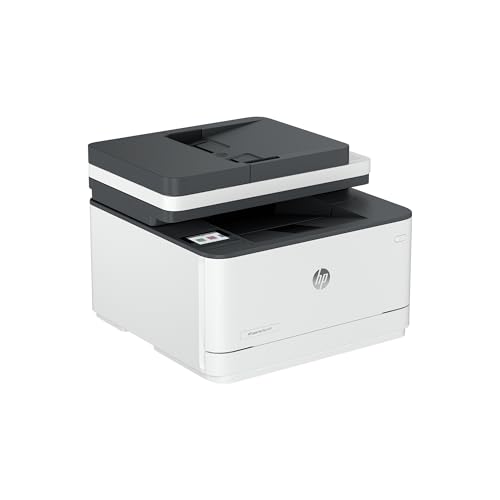
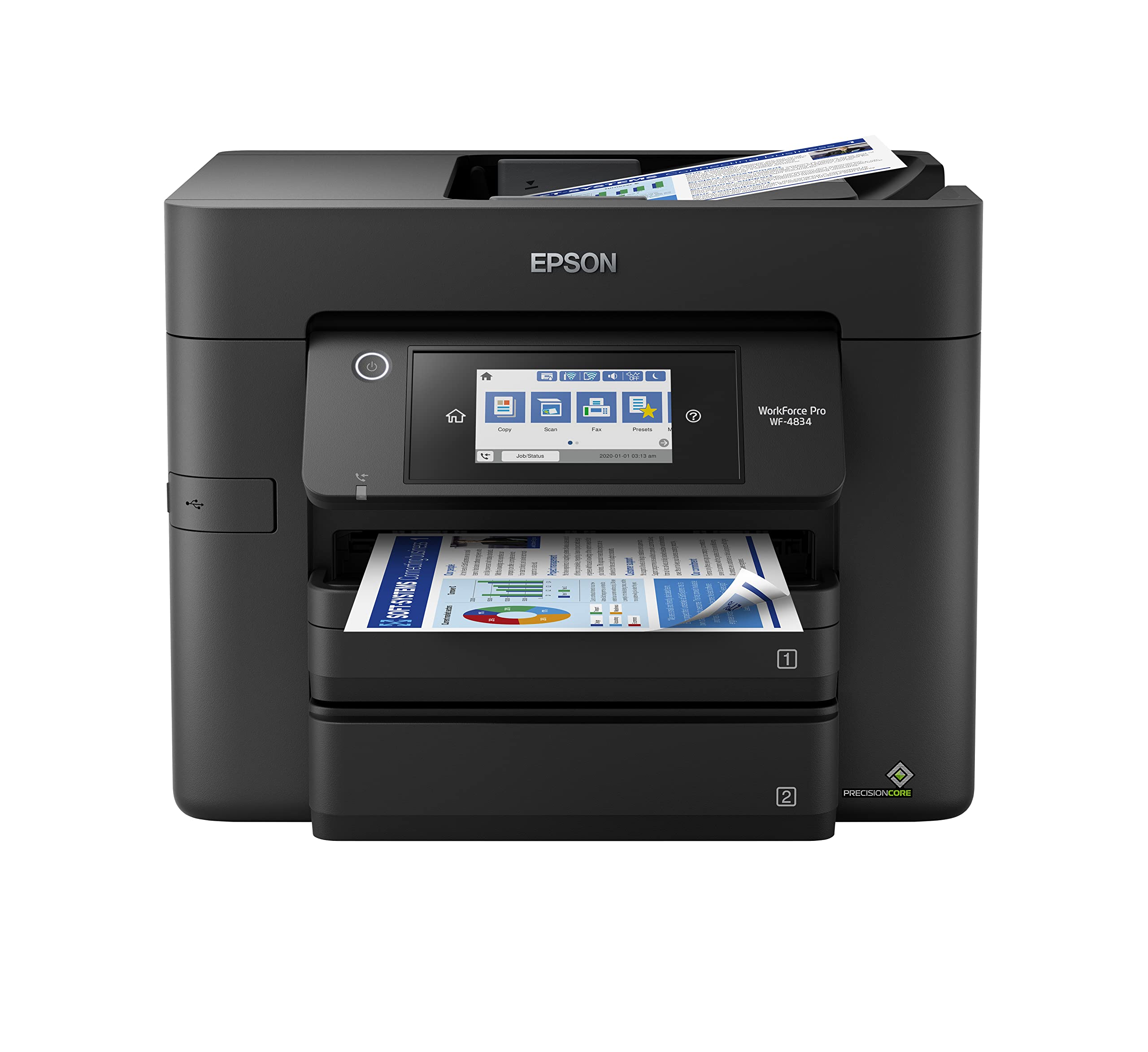

Who Should Buy Which Printers
For Small Offices
Small offices need a dependable printer for documents, invoices, and occasional color, with wireless and network sharing for several users. A mid range laser or high yield inkjet often fits best, depending on color needs. Check duty cycle against your monthly pages for longer life.
For High Volume Workgroups
High volume workgroups need faster printing, larger trays, and finishing options that reduce manual handling. Duplex printing, stapling, and secure print release can save real time across a team. Service contracts become more valuable as volume and dependence grow.
For Creative and Client Facing Work
Creative businesses need accurate color, varied media support, and borderless options for presentations and proofs. Inkjet models often handle color and media better, while laser models excel at crisp text. Sample prints on your actual paper before committing to a color critical machine.
Key Features to Compare
Laser or Inkjet Technology
Laser printers excel at fast, crisp text and low cost per page for monochrome work, while inkjets handle color and photo media more flexibly. Offices that print mostly text usually save with laser, while color heavy offices may prefer high yield inkjet. Match technology to your dominant document type.
Cost Per Page and Duty Cycle
Cost per page combines toner or ink, drum or maintenance parts, and paper, and it matters more than printer price over time. Duty cycle indicates monthly volume the machine is built to handle, so choose a cycle comfortably above your actual use. Running a printer near its maximum shortens its life.
Paper Handling and Finishing
Paper handling includes tray capacity, supported sizes, duplexing, and document feeding for scanning. Larger trays reduce refills, while automatic feeders speed up multi page scanning. Finishing options like stapling help workgroups but add cost that small offices may not need.
Networking and Security
Networking lets several users share one printer through wired, wireless, or cloud connections, while security features protect sensitive documents. Secure print release, user codes, and firmware updates matter for offices handling client data. Check compatibility with your network and devices before buying.
Types Worth Knowing
Monochrome Laser Printers
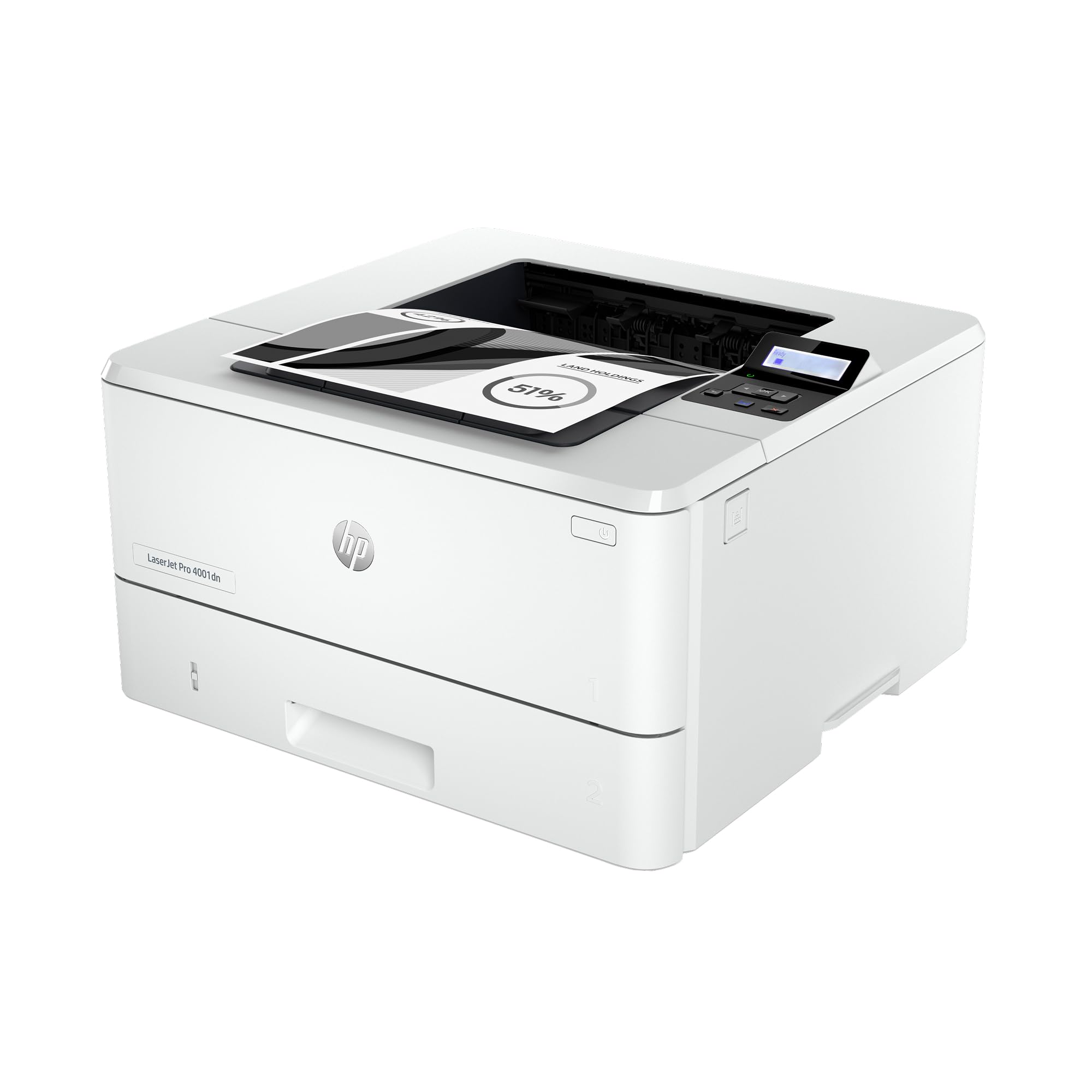
Monochrome lasers are the workhorse for text heavy offices, offering fast printing and low running costs. They suit invoices, contracts, and reports where color is rarely needed. Their simplicity also means fewer parts to maintain.
Color Laser Printers
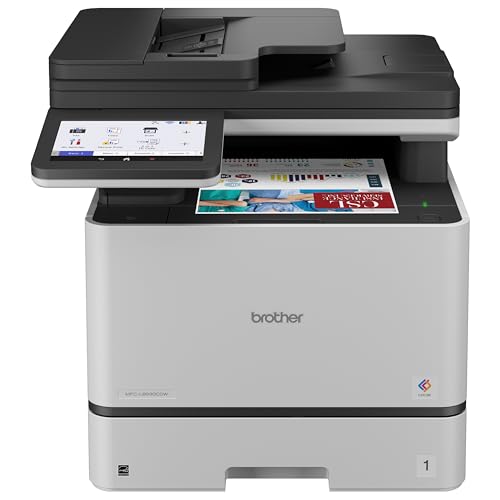
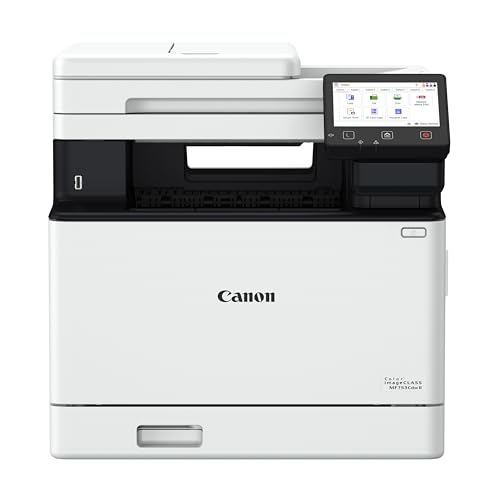
Color lasers add business color for charts, presentations, and marketing materials while keeping text sharp. They cost more than monochrome models and use more consumables, but color quality suits office documents well. Photo quality remains below dedicated inkjet or photo printers.
Business Inkjet Printers
Business inkjets use high yield cartridges or tanks for color heavy offices and varied media. They handle envelopes, card, and photos more flexibly than lasers. Running costs depend heavily on cartridge yield, so compare cost per page carefully.
Budget, Care, and Common Mistakes
Prices for business printers usually range from about 150 dollars to about 800 dollars, with workgroup models higher. Add a year of toner or ink and paper to the printer price when comparing, since consumables dominate total cost. Service contracts suit high volume offices, while small offices may prefer pay as you go maintenance.
A common mistake is buying a home printer for office volume and then facing slow speeds, small trays, and high ink costs. Another is ignoring network security and leaving sensitive documents in output trays. Keep firmware updated, clean paper paths, and replace worn rollers before jams become routine.
Before you order, count your monthly pages, list your main document types, and note how many people will share the printer. Compare cost per page, duty cycle, and paper handling together. The product table above is a starting point, but your office volume should make the final call.
A Closer Look at Office Printing Habits
Print volume forecasts help offices choose wisely, since a printer bought for today volume may struggle as a team grows. Review page counts quarterly and compare with duty cycle headroom. Planning for growth avoids premature replacement and disruptive mid year upgrades.
Paper quality affects jam rates more than many offices realize, with damp or low quality paper causing misfeeds and poor output. Store paper flat in a dry room and use recommended weights for your machine. Good paper habits reduce service calls and frustration noticeably.
Color usage policies save money without hurting work, since many offices print color by default out of habit. Set monochrome defaults and reserve color for documents that genuinely need it. Small policy changes compound into large consumable savings over a year.
Shared printer etiquette matters in open offices, with prompt collection preventing sensitive documents sitting in trays and reducing confusion. Secure print release helps, but simple habits like collecting immediately also protect privacy. Train new staff on printer routines during onboarding.
Firmware updates protect office networks, since printers are network devices with security risks like any computer. Schedule updates regularly and change default admin passwords during setup. A neglected printer can become an easy entry point for network problems.
Finally, track consumable costs monthly rather than annually, since sudden spikes reveal waste, leaks, or incorrect settings early. A simple spreadsheet of toner, paper, and service costs keeps printing budgets honest. Visibility turns printing from a hidden cost into a managed one.
Print audits reveal surprising habits, such as duplicate printing, forgotten jobs, and color use for internal drafts. Review audit data quarterly with your team and agree simple improvements together. Small behavioral changes often save more than any hardware upgrade.
Frequently Asked Questions
Should a small office choose laser or inkjet?
Small offices that print mostly text usually save with a monochrome or color laser, while color heavy offices may prefer a high yield inkjet. Consider your dominant documents, color needs, and cost per page together. Sample prints on your paper help reveal quality differences that specifications hide. Text heavy offices save with laser, while color heavy offices may prefer high yield inkjet models.
How do I calculate cost per page?
Divide the cartridge or toner price by its rated page yield, then add paper and any drum or maintenance costs for a fuller picture. Rated yields assume light coverage, so real costs run higher for dense documents. Compare models on the same basis rather than trusting headline cartridge prices alone. Divide cartridge price by rated yield, then add paper and maintenance costs for a fuller picture.
What duty cycle do I need?
Choose a duty cycle comfortably above your monthly page count, since running near the maximum wears parts faster. If you print 1000 pages a month, a machine rated for several thousand pages monthly will last longer and jam less. Treat duty cycle as a durability guide, not a target to hit. Choose a cycle well above monthly pages, since running near maximum wears parts faster.
Do business printers need security features?
Offices handling client or financial data benefit from secure print release, user codes, and regular firmware updates. These features prevent sensitive pages sitting in trays and reduce network risks. Even small offices should set a basic admin password and keep firmware current. Secure release, user codes, and firmware updates protect sensitive documents in shared offices.
How can I reduce printer downtime?
Reduce downtime by keeping spare toner or ink, using recommended paper, and cleaning paper paths regularly. Train users on clearing jams gently and report recurring jams early. A service contract helps high volume offices, while small offices benefit from simple routines and spare consumables. Keep spare consumables, use recommended paper, and clean paper paths regularly for fewer jams.
Related Guides
For small business specifics, best printers for small business narrows choices to office friendly models. For special uses, best printers for business cards, best printers for stationery business, and best printers for invitation business cover card and stationery printing.
Laser focused buyers can check best laser printers for business for text heavy office work. Use these guides alongside the product table above when narrowing your shortlist.
Final Thoughts
Choosing best business printers means matching technology, cost per page, and paper handling to your office volume and document types. A laser suits text heavy work, while a high yield inkjet suits color and varied media. Judge total cost over a year, not just the printer price.
Use the product table above as a starting point, then compare duty cycle, networking, and consumable costs for your shortlist. With the right machine, office printing stays fast, affordable, and dependable.