
Best Builtin Microwaves: Types, Sizing and Installation Guide for 2026
Disclosure: We may earn a commission when you buy through links on this page, at no extra cost to you. As an Amazon Associate I earn from qualifying purchases. Learn more

Trim kit oven, drawer or combination? Learn how to measure, ventilate and choose the best builtin microwaves for your kitchen.
The best builtin microwaves free up counter space and give a kitchen a clean, integrated look, but they ask for more planning than a countertop model. The cabinet or wall opening, the ventilation, the power supply and the trim all decide which models can fit, so measurements come before features.
This guide explains the main types of built in microwave, the measurements you need, the features worth paying for and how installation works. The product table lists built in microwave ovens and drawers so you can compare them once you know your opening.

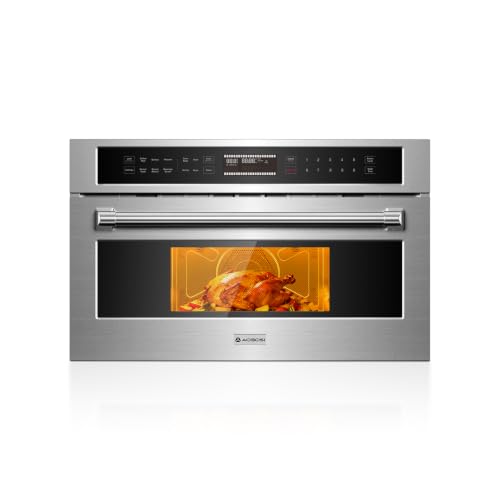


Types of Built In Microwave
Built In Microwave With a Trim Kit
This type sits in a wall cabinet or tall unit opening and uses a trim kit to finish the gap around the door. It looks like a wall oven and suits kitchens with a tall cabinet or a space above a wall oven. Check that the oven and trim kit are made to work together, since a mismatch leaves visible gaps.
Microwave Drawer
A microwave drawer slides out from under the counter or inside an island, so you do not have to reach up to lift hot food. It suits kitchens where accessibility and safety matter, such as homes with children or people who find overhead reaching difficult. Drawers cost more and are usually smaller inside than a full size oven.
Microwave Convection Combination
Combination models add a convection fan and heating element, so they can bake, roast and sometimes air fry as well as microwave. They suit households that want one wall unit to do several jobs, though they cost more and take careful installation.
Measuring for a Built In Microwave
Measure the opening height, width and depth, and compare them with the cutout dimensions in the installation guide, not with the outer size of the oven. Allow clearance for the trim kit, the door swing and the plug location. Check that nearby cabinets, walls and appliances do not block the door from opening fully.
Ventilation matters because the oven needs airflow around its body. Follow the maker's clearance requirements for the back, top and sides, and never block vents with items stored nearby. If you are replacing an old unit, confirm that the new cutout matches before you order, because changing cabinets is expensive.
Power, Capacity and Features
Wattage and Size
Higher wattage heats food faster and more evenly. For most kitchens, a capacity of about 1.2 to 1.6 cubic feet handles dinner plates and standard dishes. Check that the turntable or cooking area fits the dishes you use most.
Sensor Cooking and Presets
Sensor cooking adjusts time and power as food heats, which helps with reheating and cooking vegetables. Presets for popcorn, potatoes and beverages are handy but often unused. Pay for sensor cooking if you cook often in the microwave, and skip extra presets you will not use.
Controls and Door
Simple, clear controls matter every day. Check whether the door opens with a handle or a push button, and which way it swings, because a door that hits a neighboring cabinet becomes annoying. A drawer opens outward and needs floor space in front.
Installation and Safety
Built in microwaves need a dedicated power connection suited to the model, and many installations call for an electrician. Cabinet work for a snug fit is also best left to a qualified installer. Do not try to modify cutouts or wiring yourself. Follow the installation guide exactly, and ask the retailer about delivery and installation services before you buy.
After installation, check that the door seals properly and that vents are clear. Keep the interior clean and wipe the door seal, since food debris there can affect the seal.
Budget and What Your Money Gets
Built in microwaves cost more than countertop models. Expect prices from around $900 for simpler wall units and drawers to well over $1,500 for premium drawers and combination ovens. The higher price buys a more integrated look, sturdier construction and often more cooking modes. If you only reheat food, a simpler unit covers your needs, and a countertop microwave with a trim kit can be a cheaper route.
When you compare the best builtin microwaves, read the installation guide before the feature list. It tells you the cutout size, the clearance around the oven, the type of power connection and whether a trim kit is included or sold separately. Those details decide whether a model works in your kitchen at all, and they often differ between models that look nearly identical in photos. Keep the guide with your measurements when you shop.
Care and Everyday Use
Wipe the interior after use, clean the door seal gently with a damp cloth and keep vents clear. Use microwave safe containers, and do not run the oven empty. Built in units can be harder to service, so keep the manual and warranty information somewhere easy to find and use the maker's service line if something goes wrong.
Compare Other Microwave Types
If a built in model is not the right fit, see our guides to the best countertop microwaves and the best overhead microwaves, or read our guide to the best built in microwave for a different take on installation and fit.
Frequently Asked Questions
Can I replace a countertop microwave with a built in one?
Only if you have a suitable opening, ventilation and power supply. A built in unit is designed for a cutout, so a countertop swap usually requires cabinet work.
Do built in microwaves need ventilation?
Yes. They need airflow around the oven body, so follow the clearance rules in the installation guide.
What size built in microwave do I need?
Match the cutout to your cabinet and the interior capacity to your largest dishes. Many kitchens are happy with 1.2 to 1.6 cubic feet.
Are built in microwaves harder to repair?
Access can be tighter than with a countertop model, so a service visit is often needed. Check the warranty and the service options before you buy.
Should I hire a professional to install one?
Yes for electrical work and cabinet fitting, since a poor installation can affect safety and ventilation.
Final Thoughts
The best builtin microwaves are the ones that fit your opening, suit the way you cook and install safely. Start by measuring and choosing between a trim kit model, a drawer and a combination oven, then pick the features you will actually use.
Compare options in the product table above against your measurements, and take your time. A well planned built in microwave rewards you with extra counter space and a tidier kitchen for many years.


