
Best 900w Microwaves at Every Price: What Your Money Really Gets You for 2026
Disclosure: We may earn a commission when you buy through links on this page, at no extra cost to you. As an Amazon Associate I earn from qualifying purchases. Learn more

Learn how to choose the best 900w microwaves by price tier, cavity size, inverter power and venting, with a clear checklist for features worth paying for.
A 900 watt microwave can cost under $100 or well over $500, and the sticker alone tells you very little about how it will cook. This guide to the best 900w microwaves shows you where the extra money actually goes, so you can spend on the upgrades that change daily use and skip the ones that only look good on a box. The comparison table below gathers the key specs side by side.
Nine hundred watts sits in a useful middle ground. It is strong enough for family meals and frozen dinners, yet it fits smaller kitchens and modest circuits better than many larger models. Your real decision is about size, cooking evenness, and where the unit will live.

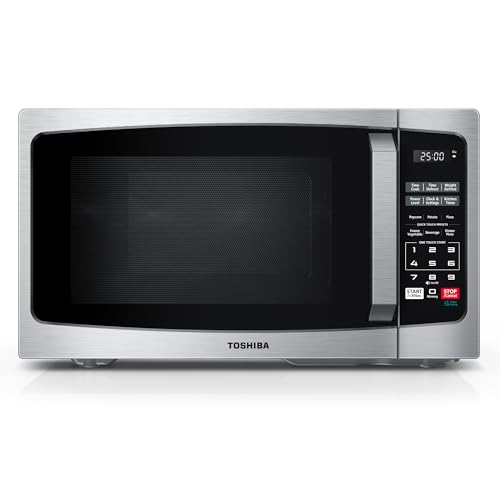


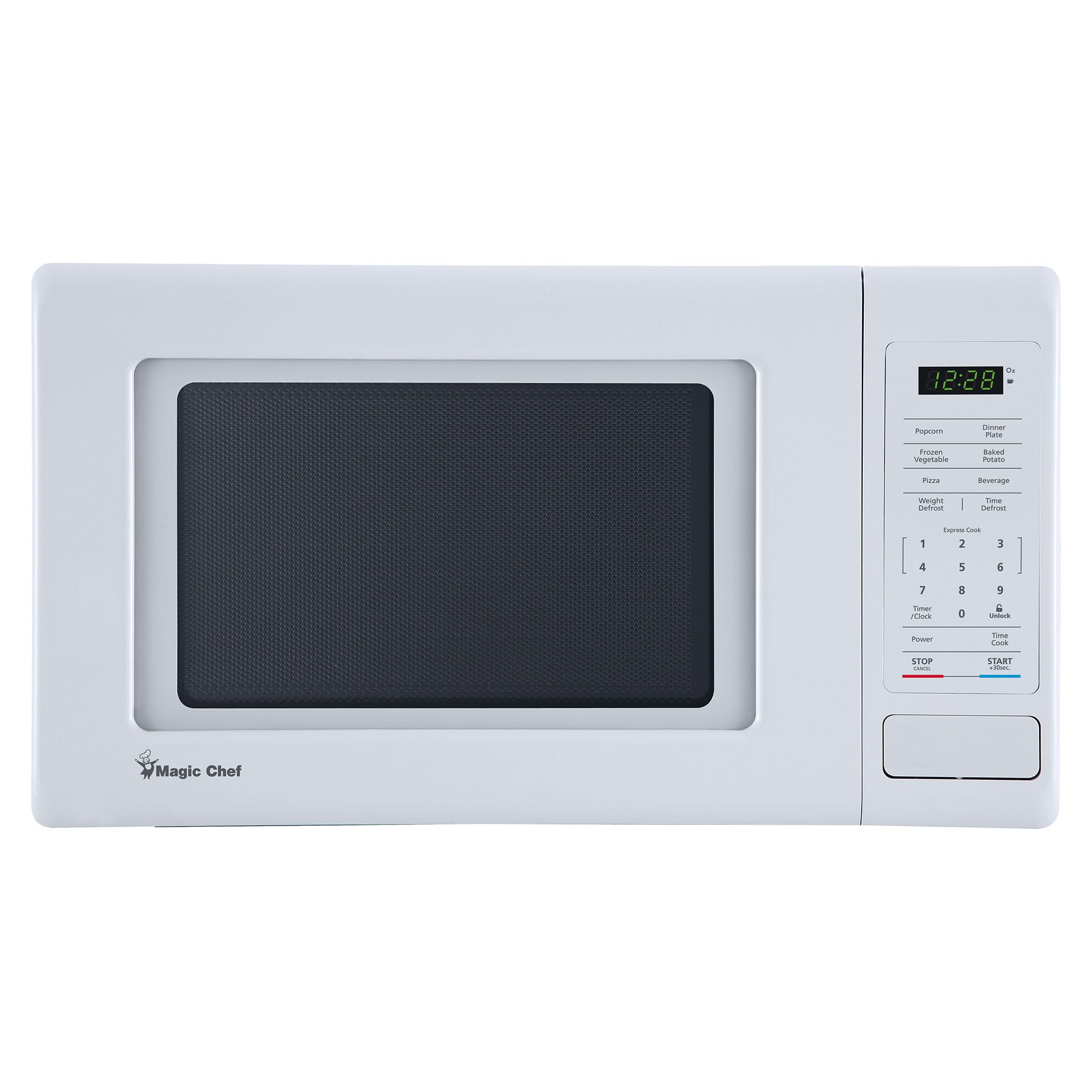


Three Budget Profiles
When shopping for the best 900w microwaves, think in budget profiles instead of chasing a single winner. Each profile below describes the kind of model that earns its price, the strengths to look for on the spec sheet, and the limit you should accept before stepping up a tier.
Budget Profile
A good budget choice is a compact countertop model around $80 to $130 with about 0.9 cubic feet of space and a turntable that fits a full dinner plate. Look for clear power levels, a simple defrost by weight mode, and a door latch that feels solid. The limit at this tier is basic controls and a painted interior that needs gentle cleaning. If you mostly reheat leftovers, heat drinks, and cook single servings, that trade is usually worth it.
Midrange Profile
The midrange profile, around $150 to $250, is where most households should shop. Expect about 1.1 to 1.4 cubic feet, sensor reheating that adjusts time on its own, and a sturdier door and keypad. Many models at this level add inverter power, which holds low settings steady instead of pulsing full power on and off. The main limit is that venting and convection still cost extra, so check the feature list rather than assuming they are included.
Premium Profile
A premium choice, often around $300 to $600 depending on format, buys you convection cooking, air fry modes on some models, a stainless or ceramic interior, and quieter operation. Over the range versions add stronger venting and task lighting for the cooktop below. The limit is size and installation cost, since built in and over the range units may need a cabinet, a trim kit, or an electrician. Pay this much only when you will use the added cooking modes weekly.
What Your Money Gets You at Each Price Tier
Price tiers in this category follow a fairly predictable pattern. The sections below spell out what normally changes as you move up, and who benefits most from each step.
Budget Tier: What to Expect
Budget models focus on the basics done reliably. You get mechanical or simple touch controls, ten power levels, a rotating turntable, and preset buttons for popcorn and potatoes. Cavity space is smaller, so a large casserole dish may not fit or may not rotate freely. Noise levels tend to be higher and the interior finish shows stains sooner. For dorms, offices, and small apartments, none of that may matter, and the low price leaves room in the budget for a cover and a microwave safe thermometer.
Midrange Tier: The Sweet Spot for Most Buyers
Midrange models add the features that fix the most common complaints. Sensor cooking reduces guesswork for reheating plates and steaming vegetables. Inverter models defrost ground meat without cooking the edges, which alone can justify the step up. You also tend to get a larger turntable, a mute option for late night use, and a child lock. If your household cooks real meals several nights a week, this tier usually delivers the best balance of price, evenness, and capacity.
Premium Tier: When Spending More Pays Off
Premium money buys format and versatility rather than raw wattage, since output stays at 900 watts. Convection microwave combos can roast and bake, which helps if your main oven is slow or you cook for one or two people. Better venting, metal racks, and smoother inverter control also appear here. Spending more pays off when the microwave replaces a second appliance, such as a toaster oven, or when an over the range unit replaces a separate range hood in a small kitchen.
Features Worth Paying For (and Ones to Skip)
Feature lists are long, but only a few items change results at the table. Use the notes below to decide which upgrades deserve part of your budget and which ones you can safely ignore.
Interior Finish and Easy Cleaning
A ceramic enamel or stainless interior is worth a modest premium if you cook splattery foods like sauces and bacon. These surfaces wipe clean without hard scrubbing and resist odor absorption better than basic painted steel. Steam clean cycles help loosen residue, though a bowl of water with lemon heated for a few minutes does much the same job. Skip paying extra for fancy coating names when the care instructions are identical to a standard model.
Inverter Technology
Inverter technology delivers steady power at low settings instead of cycling the magnetron on and off. That means chocolate melts without scorching, butter softens evenly, and frozen meat thaws without cooked edges. It matters most if you defrost often or cook delicate foods. If you only reheat coffee and leftovers at full power, you will notice little difference, so a conventional model can save you money. Inverter units also tend to be lighter, which helps if you move the microwave often.
Installation Type (Countertop, Over the Range, Built In, Drawer)
Countertop models are the simplest choice, needing only a sturdy surface and a few inches of air space around the vents. If counter space is tight, our guide to the best countertop microwaves explains footprint and clearance basics in more detail. Over the range units free the counter but need correct mounting height and a vent plan. Built in and drawer models look seamless and save bending, yet they cost the most and usually need professional fitting, so measure the cabinet opening twice before ordering.
Ventilation (CFM) for Over the Range Models
Ventilation is rated in CFM, and for most home cooktops about 300 CFM handles everyday steam and smoke. Higher ratings near 400 CFM help if you sear often or cook with a lot of oil. Decide early whether the unit will recirculate air through a filter or vent outside, since venting outside removes heat and moisture far better. For a fuller look at mounting and vent choices, see our guide to the best overhead microwaves before you commit to this format.
Long Term Costs to Factor In
The purchase price is only part of what a microwave costs you. Electricity use is modest, usually a few cents per cooking session, but accessories add up: a fitted cover, replacement charcoal filters for recirculating vents, and a new turntable ring if the original cracks. Over the range and built in models can add installation fees and, later, higher removal costs when they fail. A longer warranty on the magnetron, often the most expensive part, is worth weighing. Keeping the interior clean and the vents clear also prevents the overheating that shortens the life of any tier.
Frequently Asked Questions
What size 900w microwave do I need?
Most households do well with about 1.1 to 1.4 cubic feet. Measure your largest dish, including handles, and confirm it fits on the turntable with room to rotate. Singles and dorm rooms can manage with 0.7 to 0.9 cubic feet. If counter depth is your main limit, our guide to the best tiny microwaves covers compact footprints. Also leave space behind the unit for the cord and for heat to escape.
Is an inverter microwave worth it?
Yes, if you defrost meat weekly or often melt, soften, or proof delicate foods. Steady low power prevents the cooked edges and hot spots that cycling models produce. If nearly all your cooking happens at full power for reheating, the benefit shrinks and a standard model is fine. One extra point in favor of inverter units is that they often run a little quieter at low settings, which matters in open plan homes.
Can an over the range microwave replace a range hood?
For light and moderate cooking, yes, especially a model rated around 300 CFM or higher that vents outside. Heavy frying and high heat searing can overwhelm many microwave vents, and recirculating setups only filter odors rather than removing heat. Grease filters need washing about once a month to keep airflow honest. If you cook with a wok or grill indoors often, a dedicated hood still performs better.
How long do microwaves typically last?
Most microwaves last about seven to ten years with normal home use. The magnetron usually carries the longest warranty, sometimes up to ten years on that part alone, though labor may not be covered. Lifespan drops when vents stay blocked or the door is slammed, which can damage the interlock switches. A practical sign of decline is uneven heating that a simple cup of water confirms, with one side of a cup warming far faster than the other.
Is 1,000 watts enough for a microwave?
Yes, and 900 watts is close enough that most recipes need only a small time adjustment. Package directions often assume 1,000 to 1,100 watts, so add roughly ten percent more time at 900 watts and check early. Popcorn is a good example of a food where listening matters more than the timer, as our guide to the best microwaves for popcorn explains. Wattage matters less than even power delivery for most everyday tasks.
Wrapping Up
Start with size and format, then decide whether inverter power and easy clean finishes are worth a step up in price. The product table above pulls the key numbers together so you can compare tiers quickly. For most kitchens, the best 900w microwaves are midrange countertop models with sensor reheating and enough room for your largest dish. Choose the tier that matches how you actually cook, and the microwave will earn its counter space every day.


