
Best Building Block Sets: A Buyer Checklist for 2026
Disclosure: We may earn a commission when you buy through links on this page, at no extra cost to you. As an Amazon Associate I earn from qualifying purchases. Learn more
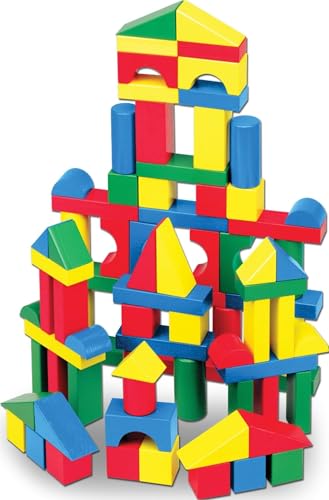
Use this checklist to find the best building block sets for your child, covering safety, piece quality, compatibility, storage, and value for money.
Building blocks look simple, and that is exactly why buyers rush the decision and end up with sets that crack, refuse to connect, or get ignored after one weekend. A good set earns years of play, while a poor one becomes clutter by the second month. This guide treats the best building block sets the way we treat any durable purchase: with a written checklist you can apply to any box on the shelf.
First we explain how we evaluate sets, criterion by criterion, with the thresholds that separate strong options from weak ones. Then we describe the three buyer tiers that pass the checklist, followed by red flags, care tips, and answers to the questions parents ask most. The comparison table below is your quick reference as you read.


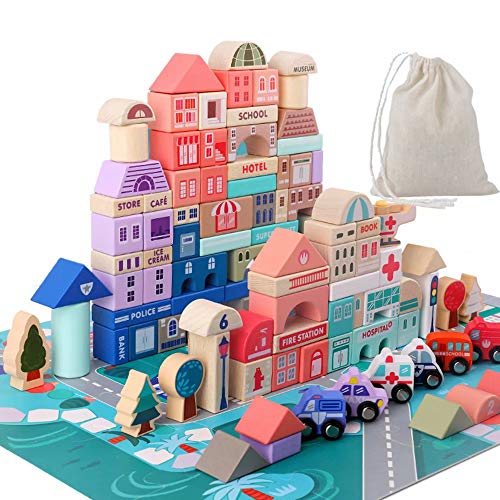


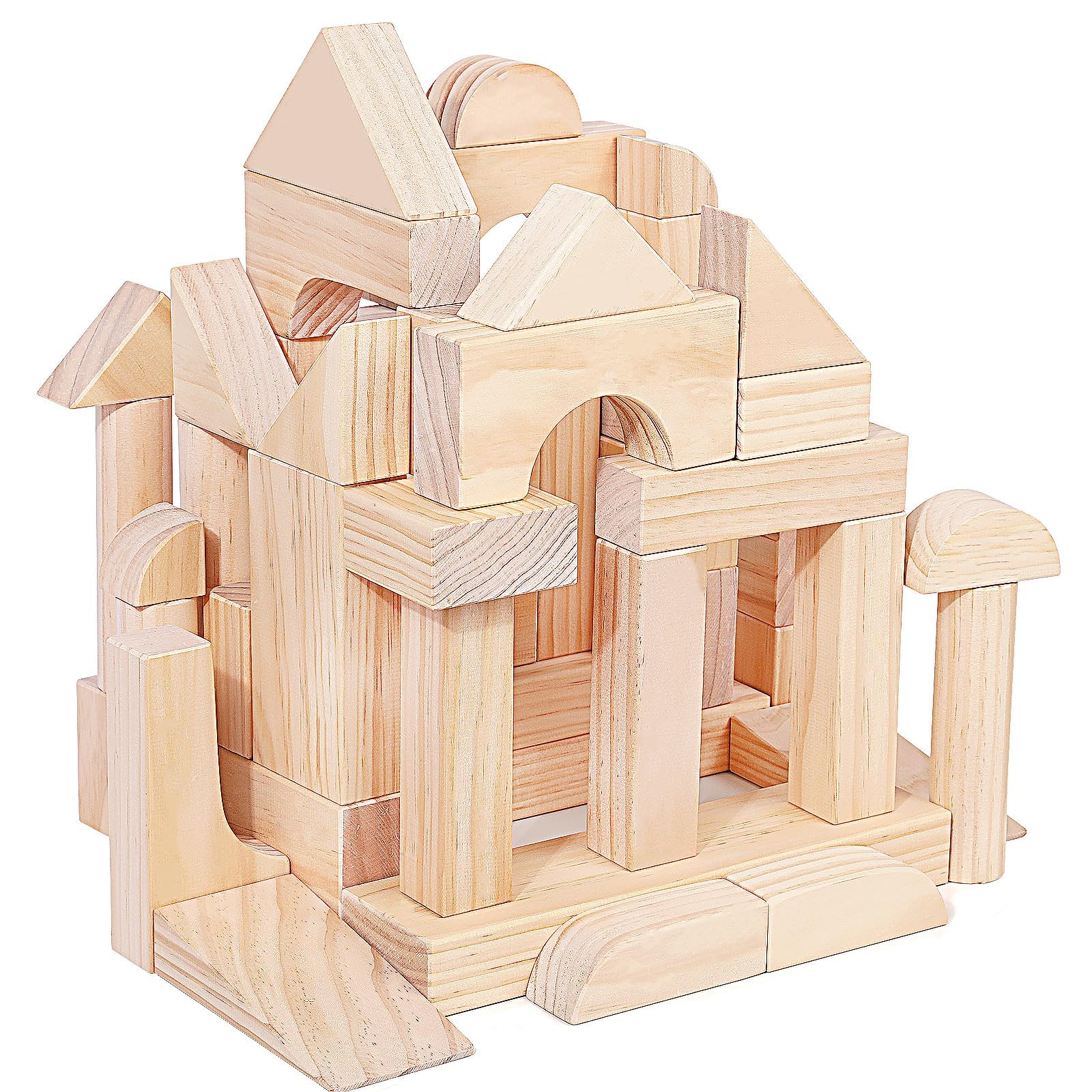
How to Evaluate Building Block Sets
Intended Use and Who It Is For
Every evaluation starts with the child, because the right set for a toddler differs completely from the right set for a nine year old architect. Note the age range, the play style, and whether the set is for solo building, siblings, or a classroom. Younger children need large pieces they can grip and stack without precision, while older builders want smaller elements, moving parts, and instructions that stretch their planning. A set that tries to serve everyone usually serves no one well, so score this criterion by how honestly the maker states the audience, not by how wide the claimed age range is.
Safety and Certifications
Safety is the one criterion where a set either passes or leaves the list entirely. Look for clear conformity with recognized toy safety standards such as ASTM F963 in the United States or EN 71 in Europe, printed on the box rather than only in marketing copy. Check the age grading and respect it: small parts are a choking hazard for children under three, so sets for toddlers must use pieces too large to swallow. Paints and plastics should be described as nontoxic, edges should be smooth with no sharp molding flashes, and magnetic pieces must be fully sealed so a magnet can never come loose. Supervise young children during play, keep damaged pieces out of the toy box, and if a child swallows or inhales any small object, seek medical help immediately.
Build Quality and Materials
Quality shows in the tolerances. Good blocks connect with a consistent, satisfying grip that holds a tower upright yet still separates without a fight, and every piece in the box behaves the same way. Materials matter by type: quality ABS plastic resists cracking and holds color, solid hardwoods like beech or maple feel warm and last for decades, and cheap thin plastic flexes, warps in a hot car, and develops sharp edges when it finally snaps. Drop a sample piece on a hard floor and press two pieces together repeatedly in the store if you can. A set that survives rough handling in the shop will survive your playroom.
Warranty and Customer Support
Blocks rarely come with long warranties, which makes the maker policy on lost and broken pieces the real support check. Strong brands sell or send replacement elements, publish a responsive support contact, and keep popular sets in production so expansions stay available for years. A short or vague policy, no replacement program, and a set that vanishes from catalogs within a year are warning signs, because a single missing specialty piece can end a favorite build. Also check whether instructions are available as free downloads, since paper guides are usually the first casualty of enthusiastic play.
Key Performance Specs
For blocks, performance means piece count that matches the box art, connection strength, and compatibility. Count usable building elements rather than total pieces, because some sets pad the number with stickers or tiny decorative bits. Judge clutch power by whether a modest tower survives being carried across a room. Compatibility deserves its own line on your checklist: sets that follow a widely used brick system let children merge collections across birthdays and brands, while closed systems strand each purchase on its own. Themes, wheels, figures, and baseplates all add play value, but only after the basics score well.
Size, Weight, and Fit for Your Space
A set you cannot store is a set that stops being played with. Estimate the storage volume before buying, because 1,000 small pieces spread across a floor need a bin of roughly shoebox size or larger, and large toddler blocks need several times that room. Consider where building will happen: big floor sets suit a playroom, while compact sets with a storage case travel well to grandparents and restaurants. Weight matters for the child carrying the bin, and stackable or lidded containers protect both the pieces and your bare feet. Our guide to the best building sets explores storage friendly formats in more depth.
Tiers That Pass the Checklist
The three profiles below describe the tiers that consistently pass every criterion above. Match your budget and your child to a tier, then choose any well reviewed set that fits that profile.
Balanced Tier
The overall tier, usually about $50 to $100, is the balanced family workhorse. Expect several hundred pieces in a mainstream compatible system, a sturdy storage box, and a mix of basic bricks, plates, wheels, and a few specialty elements that keep builds interesting for years. Materials are quality ABS or solid wood, tolerances are tight, and replacement pieces are easy to order. This tier suits children roughly four to ten and survives being handed down to younger siblings. Its only real limit is theme depth: collectors chasing one licensed world will want a themed set instead, an option our guide to the best block sets compares in detail.
Value Tier
The value tier, around $20 to $50, wins on cost per piece and honest simplicity. Typical profiles include a generous count of basic bricks in bright colors, or a smaller wooden set with fewer but chunkier pieces for younger hands. You give up storage cases, figures, and specialty elements, and instructions, if included at all, stay basic. For a first set, a classroom on a budget, or a spare set for travel, this tier passes the safety and quality checks that matter while skipping the extras. Just verify compatibility claims carefully, because value sets sometimes use near standard sizing that almost fits other systems.
Premium Tier
The premium tier, about $100 to $250, buys craftsmanship and scale. Think large hardwood sets with beautifully finished pieces, advanced construction systems with gears and motors, or very large brick collections with detailed display worthy designs. Tolerances are excellent, packaging doubles as long term storage, and support programs are strongest here. This tier suits committed young builders, family heirloom purchases, and gifts meant to anchor a collection for a decade. The risk is overbuying complexity: a premium set pitched above a child's current skill level can frustrate rather than inspire, so match the challenge to the builder.
Quick Buyer Checklist
Run through these yes or no questions before you pay. A set that earns mostly yes answers belongs on your shortlist.
- Does the box state a recognized safety standard and an age grade that matches your child?
- Are the pieces large enough to be safe for the youngest child who will access them?
- Does the set connect with a system your family already owns, or one you plan to keep buying?
- Is the true piece count, excluding stickers and fillers, fair for the price?
- Do you have a storage container and shelf space ready for this volume of pieces?
- Can you order replacement pieces if a favorite element gets lost or broken?
- Does the difficulty match your child's current skill, with a little room to grow?
- Is the return policy long enough for a real play trial at home?
Red Flags to Watch For
Weak sets announce themselves if you know where to look. Walk away when you spot several of these signs together.
- Vague safety language, with no named standard, no age grading, or warnings only in fine print.
- Pieces that smell strongly of chemicals, feel greasy, or show uneven color and rough molding seams.
- Compatibility claims written as fits most brands without naming the system or the stud dimensions.
- Box art showing builds that clearly require more pieces than the stated count can provide.
- No support contact, no replacement program, and a warranty measured in days rather than months.
Setup and Care Tips
Read the manual before first use, especially any age or battery notes for sets with light or motion elements. Clean and inspect regularly: wash plastic and wooden pieces with mild soap and water, dry them fully, and discard anything cracked or splintered. Store in a dry place away from direct sun, which fades colors and warps thin plastic over time. A quick monthly sort, returning stray pieces to the main bin, keeps sets complete and teaches children that care is part of play.
FAQs
How long does a building block set last?
A quality set lasts for decades, and wooden blocks routinely outlive the children who first played with them. Plastic sets fail by losing pieces and by tabs wearing loose, not by age itself, so storage habits decide lifespan more than material alone. One practical habit is a yearly inventory against the piece list in the instructions, replacing losses while the set is still in production and spares remain cheap.
How do I maintain a building block set?
Maintenance is mostly cleaning and inspection. Wash pieces in warm water with mild soap, use a soft brush for grooves, and let everything air dry fully before storage so moisture cannot grow mildew in the bin. Avoid dishwashers for wooden or printed pieces, since heat and harsh detergents dull finishes and lift designs. Check magnetic sets piece by piece for cracked seams, and remove any damaged magnet piece from play at once, because swallowed magnets are a serious medical emergency.
How much should I spend on a building block set?
For most families, about $30 to $100 covers a set that passes every safety and quality check, with price driven mainly by piece count and material. Judge value by cost per usable piece and by expected years of play rather than by the sticker alone. Families exploring natural materials can compare the trade offs in our guide to the best wooden block sets, where cost per piece runs higher but working life often runs longest.
What features matter most when buying building block sets?
Safety certification, connection consistency, and system compatibility matter most, ahead of themes and piece count. A set that grips evenly and merges with future purchases gets played with weekly, while a flashy one off set gathers dust. One feature parents underrate is the baseplate: a large, rigid base turns scattered builds into a stable world children can carry, display, and extend, and it costs little compared with the play value it adds.
Are expensive building block sets worth it?
They are worth it when the extra money buys material quality, tight tolerances, and a support program, because those traits convert directly into years of use and hand me down value. They are not worth it when the price only buys a license, a famous logo, or a box too complex for the child receiving it. Families drawn to specialty systems can weigh one example in our guide to the best magnetic block sets, keeping the same supervision and inspection habits in mind.
Wrapping Up
Keep the checklist short in your head: certified safe for the child age, pieces that grip evenly and survive drops, and a system your family can keep expanding. Price tiers then sort themselves, and marketing claims lose their power. Choose with those three tests and the best building block sets for your home will still be in active service years from now. Look back at the product table above, score each option against the checklist, and buy the set your child will still reach for next year.


