
Best Building LEGO Sets for 2026: Budget, Midrange, and Premium Guide
Disclosure: We may earn a commission when you buy through links on this page, at no extra cost to you. As an Amazon Associate I earn from qualifying purchases. Learn more

Compare the best building lego sets by budget, piece count, age range, and replay value with this guide to choosing the right set for your builder.
Prices for LEGO building sets run from under $10 to well over $500, and the box photos alone rarely explain why. The best building lego sets for your money share clear traits: a piece count matched to the builder, instructions that teach real techniques, and parts that stay useful long after the first build.
This guide skips individual product reviews and instead shows you what each price tier actually delivers, which features deserve your money, and which ones you can safely ignore. Start with the comparison table below, then use the tier breakdowns to set a budget before you shop.


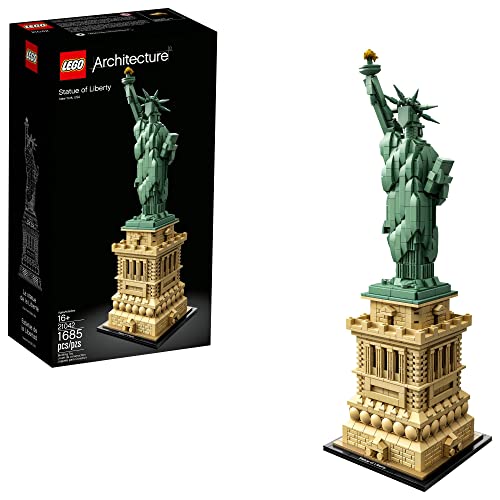
Choosing by Budget: Three Tier Profiles
Think of the tiers as three different buying jobs. Budget sets gauge interest or top up a parts bin, mid range sets carry most birthdays and holidays, and premium sets reward patient builders and collectors. Matching the tier to the builder matters more than chasing the largest box.
Budget Tier Profile
Budget sets, usually around $10 to $25, hold roughly 70 to 250 pieces and build one small vehicle, animal, or scene in about 20 to 40 minutes. They suit first time builders, party gifts, and stocking stuffers, and they let a child try a new theme without a big commitment. Instructions are short and forgiving, which builds confidence. The limit is replay depth: once the single model is built and rebuilt a few times, most children move on unless they mix the parts into a larger collection.
Mid Range Tier Profile
Mid range sets, usually around $30 to $80, hold roughly 300 to 900 pieces and often include several minifigures, moving parts, and two or three build options. This is the tier most families should start with for a main gift, because build time stretches to one to three hours and the finished model still looks good on a shelf. Builders aged 7 to 12 get genuine challenge without long stretches of frustration. The trade off is that one set rarely completes a full scene, so popular themes encourage follow on purchases.
Premium Tier Profile
Premium sets, usually around $100 to $250 and sometimes far more, hold 1,000 to 6,000 or more pieces and target teens and adults as much as children. Expect detailed interiors, advanced building techniques, display worthy finished models, and build times spread over several evenings. These sets suit dedicated hobbyists and collectors who treat building as a slow, relaxing project. Younger children often lose interest midway, and the finished models are usually too fragile for everyday play, so buy premium for building and display rather than for rough daily fun.
What Your Money Gets You at Each Price Tier
Budget Tier: What to Expect
At budget level your money buys standard bricks, one clear build, and a small parts palette in common colors. You will not get rare elements, printed specialty pieces, or elaborate mechanisms, and packaging is minimal. That is fine for learning basic stacking, sorting, and following steps. Treat budget sets as building blocks for a collection rather than as complete play worlds on their own.
Mid Range Tier: The Sweet Spot for Most Buyers
Mid range money adds the features children actually use: opening doors, turning wheels, hidden compartments, and figures that give the model a story. Instructions start teaching smarter techniques, such as building sideways or locking layers together, which transfer to free building later. Piece variety improves sharply at this tier, so parts stay useful after disassembly. For most birthdays and holidays, this tier gives the best balance of build time, play value, and price, and it is where gift buyers should look first.
Premium Tier: When Spending More Pays Off
Premium money buys scale, detail, and time. You get unusual colors, printed elements instead of stickers in many cases, complex internal structures, and models designed to be looked at as much as handled. Spending more pays off when the builder enjoys long projects and displays finished work. Collectors comparing landmark releases can read our guide to the best lego sets ever for context on which designs stayed popular. If the set will be played with hard by a young child, premium detail is money spent on features that will not survive the play.
Features Worth Paying For and Ones to Skip
Play Value and Replayability
Replayability is worth paying for; single pose display detail is not, for most children. Sets that rebuild into two or three alternate models, or that include loose extra parts and open ended elements, get rebuilt for months. Check whether the model invites play after the build: opening sections, vehicles that roll, and figures with accessories all extend life. A beautiful model that only sits still can be finished and forgotten in a weekend, however impressive the box looks.
Gift Worthiness and Price
For gifts, the mid range tier photographs well, feels generous, and rarely duplicates what a child already owns, while budget sets work best as part of a larger gift. Ask the parents about themes the child already collects before buying, because ten small sets in one theme often beat one large set in an unrelated theme. Gift receipts matter here, since duplicate sets are common with popular themes. Skip expensive electronic add ons as gifts unless you know the family already uses that system.
Educational Benefits
Building sets earn their STEM reputation through specific habits: reading diagrams, counting studs, planning in three dimensions, and persisting through mistakes. Sets with gears, axles, and simple mechanisms add early engineering ideas that plain stacking does not. Fine motor control and hand strength improve during long builds, especially with smaller elements. You do not need a set marketed as educational to get these benefits; any set with clear instructions, varied parts, and a challenge slightly above the builder level delivers them.
Number of Pieces and Play Time
Piece count predicts build time better than age labels do. As a rough guide, young builders complete about 100 to 150 pieces per hour, while experienced teens and adults manage 200 to 300. A 500 piece set is therefore a solid afternoon project, not a week long one. More pieces also mean more sorting time and more chances to lose a key element, so choose a count the builder can finish within a few sessions, while their interest is still fresh.
Age Range and Skill Level
Follow the age range printed on the box, which reflects piece size, build complexity, and safety testing under standards such as ASTM F963 in the United States. Buying one level up works for patient builders with adult help nearby; buying several levels up usually ends in an unfinished box. If you are comparing across brands and systems, our overview of the best building sets explains how sizing and compatibility differ. Remember that sets marked for adults focus on display and technique, not on play durability.
Long Term Costs to Factor In
The box price is not the full cost. Display shelves or storage bins with sorting trays add around $20 to $60 over time, and serious collections often grow through small add on sets rather than one big purchase. Replacement parts are inexpensive for common bricks but a lost printed or rare element can be hard to source, so keep the parts list from the instructions. Families comparing systems should also read our guide to the best non lego building sets, because mixing incompatible systems quietly doubles storage and sorting work. Well kept LEGO bricks hold value and condition for decades, which softens the long term picture.
Frequently Asked Questions
What age are building LEGO sets best for?
Most children get the most from standard building sets between ages 5 and 12, when they can follow instructions and handle small pieces safely. Large brick lines serve toddlers from around 18 months, and complex display sets suit teens and adults. Match the box age range to the individual child rather than to birthdays alone.
Are building LEGO sets a good gift?
Yes, they are one of the safer gifts because building suits many interests and sets exist at every price. A mid range set in a theme the child already likes is the most reliable choice. Include a gift receipt, since popular themes are common duplicates, and avoid very large sets unless you know the family has storage space.
How long does a building LEGO set take to finish?
Small sets take about 20 to 40 minutes, mid range sets take one to three hours, and large premium sets can take ten hours or more across several sessions. Builders work faster with experience and slower when they sort pieces first. Planning two shorter sessions often works better for children than one long sitting.
Are building LEGO sets worth the price?
They are worth it when the builder will rebuild, play with, or display the finished model, because the bricks stay usable for years. The price per hour of building compares well with most toys at mid range prices. Value drops when a set is far above the builder skill level and stays unfinished, so fit matters more than discounts.
Final Thoughts
Set your tier first, then match piece count and theme to the builder, and let special features fight for whatever budget remains. The product table above gathers the best building lego sets side by side so you can check those three points quickly. A well matched set at a fair price will be built, rebuilt, and kept long after bigger boxes are forgotten.


