Best Block Sets 2026 Play and Build Guide for Kids
Disclosure: We may earn a commission when you buy through links on this page, at no extra cost to you. As an Amazon Associate I earn from qualifying purchases. Learn more

A plain guide to block sets: wooden, magnetic, and building blocks, with age ranges, safety, storage, and play value, so you can pick the right set.
Block sets are among the most enduring toys, because they grow with a child from first stacking to complex building, and best block sets are worth choosing for material, size, and safety rather than piece count alone. A set that is too small frustrates little hands, while a set with tiny pieces is unsafe for toddlers, and a set that stores badly ends up scattered across the floor. The comparison table below shows the main block types side by side, so you can compare materials, age ranges, and play value before you buy.
This guide explains wooden, magnetic, and plastic building blocks, which ages each suits, and what safety details to check. It also covers storage, cleaning, and how to extend play as children grow, plus the questions that help you avoid a set that gets played with once and forgotten. By the end you should know which block set suits your child and your home.




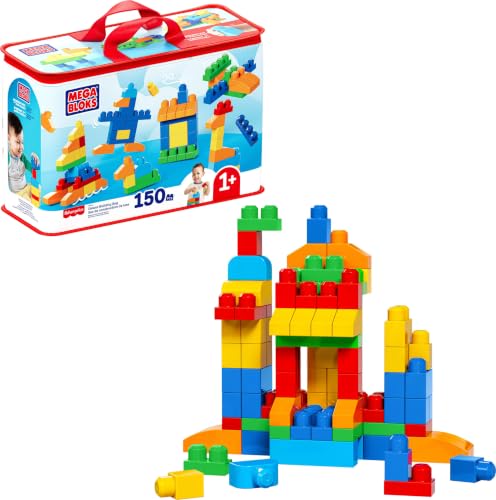
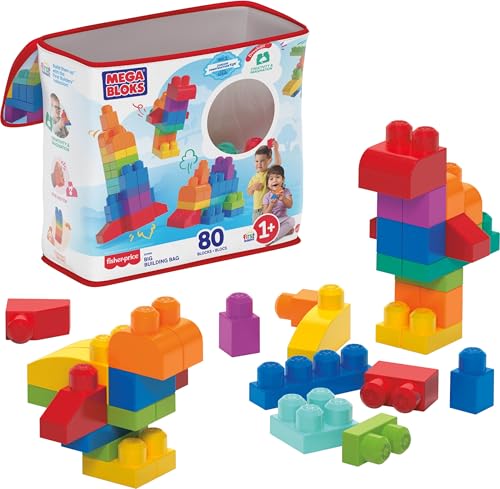
Wooden Blocks: The Classic Choice
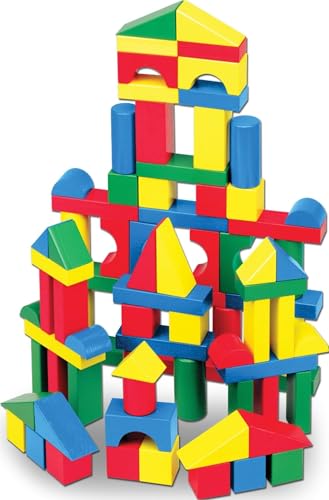
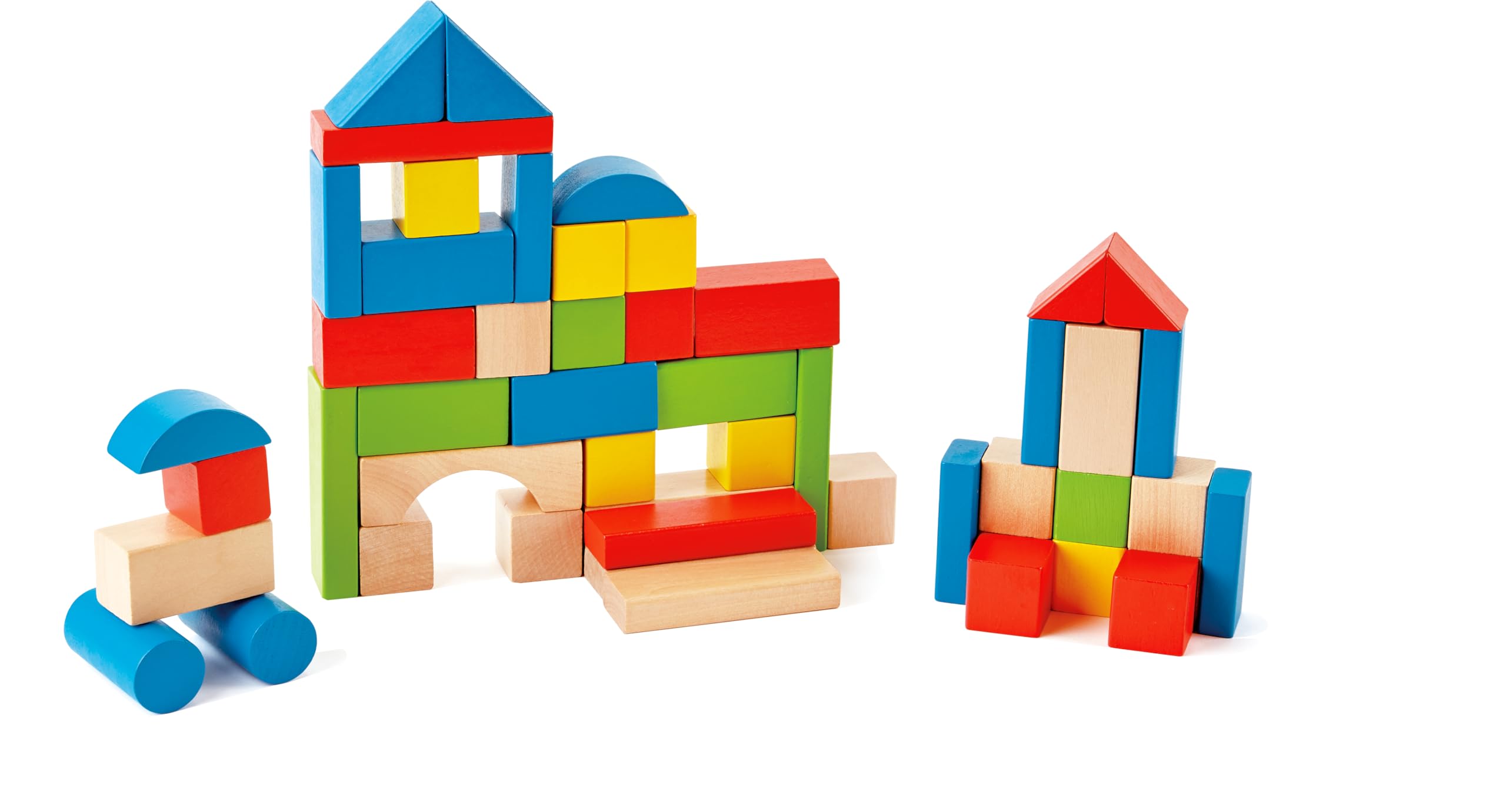
Wooden blocks are durable, feel good in small hands, and build steadily without sliding apart, which suits toddlers learning to stack. Hardwood blocks with smooth sanded edges and non toxic finishes last for years and often pass down to younger siblings, while softer woods dent faster but cost less. Check that paint and finishes are certified non toxic, since toddlers mouth toys constantly.
Size matters for wooden blocks: larger blocks suit toddlers, since they are easier to grip and less likely to be mouthed unsafely, while smaller unit blocks suit older children building detailed structures. A set with varied shapes, including arches, cylinders, and triangles, builds more creatively than a set of identical cubes. Wooden blocks also store quietly, with no rattling plastic bins at night.
Magnetic Blocks: Building in New Directions
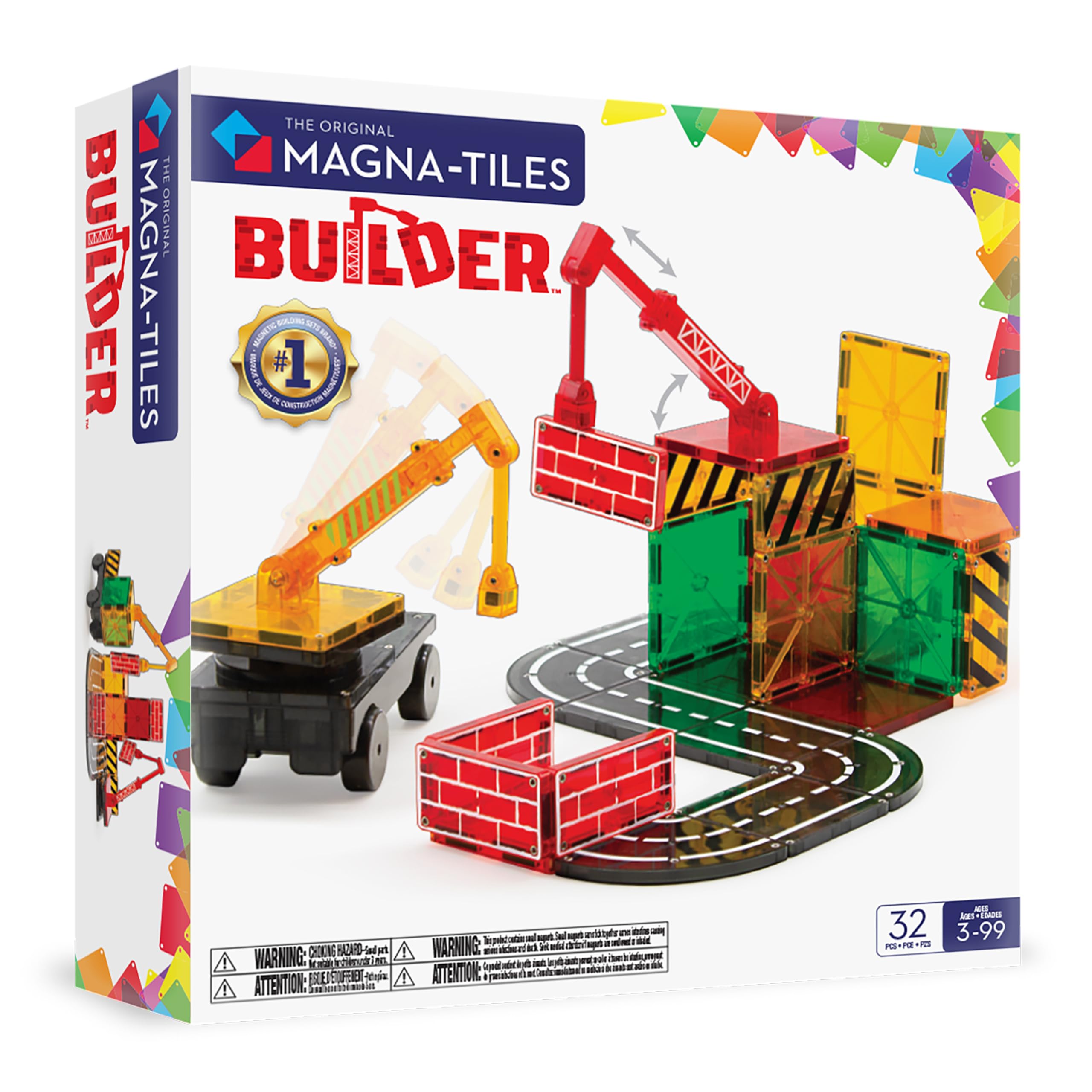
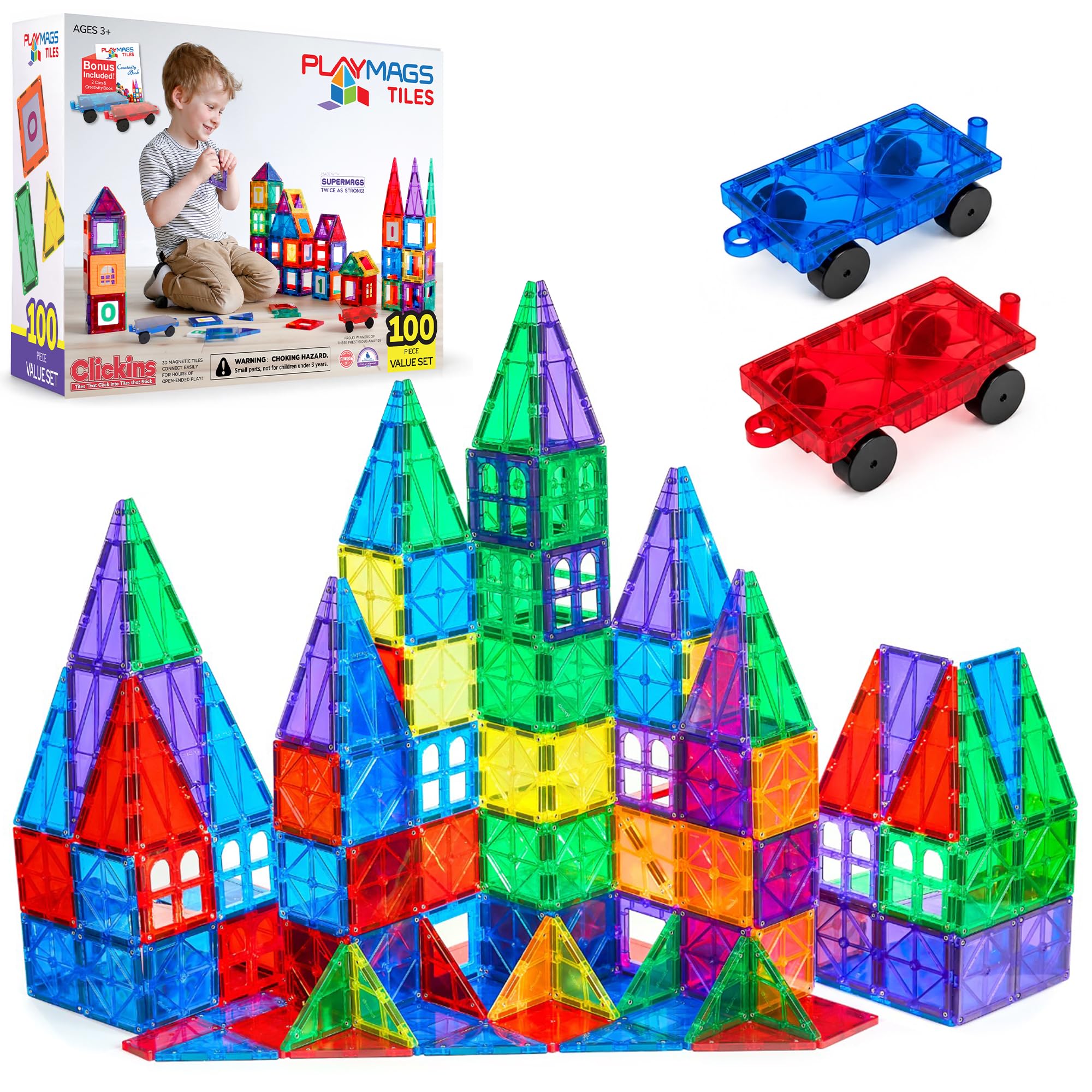
Magnetic blocks connect on any side, letting children build towers, bridges, and shapes that gravity alone would topple, which encourages spatial thinking. They suit preschoolers and older children best, since the magnetic force and small magnets inside need careful design: choose sets from reputable makers with sealed magnets and clear age guidance, and avoid cheap sets where magnets can escape. Never buy magnetic toys with loose small magnets for young children, since swallowed magnets can cause serious internal injury.
Magnetic tiles with transparent colored panels add light play, letting children build on a light table or sunny window and explore color mixing. Magnetic sets cost more per piece than wooden blocks, but they build structures that wooden blocks cannot, which keeps older children engaged longer. Check that magnets are strong enough to hold a tall tower but not so strong that small hands cannot pull pieces apart.
Plastic Building Blocks and Compatibility
Plastic building blocks with studs, such as the major brick brands, suit children who enjoy detailed building and following instructions, usually from around four years upward. Compatibility matters: blocks from the same system connect reliably, while mixed brands may fit poorly and frustrate builders. Check the age range carefully, since small bricks are a choking hazard for toddlers and should never be given to children under three.
Building brick sets often come with instructions for specific models, which teaches following steps, but open ended brick boxes encourage free building and creativity. A mix of both suits most children: a themed set for guided building and a box of basic bricks for free play. Store bricks sorted by color or type in labeled bins, since a mixed jumble slows building and causes arguments.
Age Ranges and Safety Checks
Age ranges on block sets reflect safety as much as skill: blocks for under threes should be large, with no small parts, no detachable magnets, and no sharp edges. For ages three to five, blocks can be smaller and more varied, but still need smooth edges and non toxic finishes. For ages six and up, smaller bricks, complex sets, and magnetic tiles suit growing dexterity and patience.
Check every set on arrival: run your hand over edges for splinters or sharp plastic seams, tug at glued or attached parts, and discard any piece that breaks or sheds small parts. Supervise young children with new sets at first, and teach older children to check for broken pieces before play. If a magnetic toy breaks and a magnet escapes, remove the toy at once and seek medical advice if a child may have swallowed a magnet.
Storage, Cleaning, and Keeping Sets Usable
Storage decides whether a block set gets played with or left scattered: a sturdy bin, a bag, or a shelf basket that a child can reach and tidy independently works best. Sort by type for brick sets, and keep wooden blocks in a bin that fits the set without forcing pieces in. A photo of the tidy setup on the bin helps younger children put pieces back correctly.
Cleaning is simple: wipe wooden blocks with a damp cloth and dry fully, since soaking swells wood and loosens finishes. Wash plastic blocks in warm soapy water and dry fully before storing, and wipe magnetic tiles with a damp cloth, keeping them away from water damage to seals. Check sets regularly for broken or missing pieces, and replace or remove damaged pieces promptly.
Play Value and Growing With the Child
The best block set grows with a child: toddlers stack and knock down, preschoolers build houses and bridges, and older children create detailed structures and stories. Choose a set with room to expand, whether through add on packs, compatible bricks, or varied shapes that support new building ideas. A set that only builds one model will bore a child faster than an open ended set that builds anything.
Play alongside your child at first, modeling stacking, balancing, and problem solving without taking over the build. Ask open questions about what they are making, and celebrate wobbly towers as much as tall ones, since the learning lies in trying and rebuilding. Blocks teach patience, spatial thinking, and persistence, but only if the child enjoys using them, so follow their interests when expanding the collection.
Related Buying Guides
For material choices, compare best wooden block sets, best magnetic block sets, and best building block sets. Together they cover the three main block types in more depth than this general guide.
Frequently Asked Questions
What age are block sets suitable for?
Wooden blocks with large pieces suit toddlers from around one year, while plastic building bricks with small pieces suit children from around four years upward. Magnetic tiles suit preschoolers and older children, provided magnets are sealed and the set comes from a reputable maker. Always follow the maker age range, since it reflects safety as much as skill, and never give small bricks to children under three.
Are magnetic block sets safe for children?
Magnetic sets from reputable makers with sealed magnets and clear age guidance are generally safe for the stated age range, but cheap sets with loose magnets are dangerous. Swallowed magnets can cause serious internal injury, so never buy magnetic toys with loose small magnets for young children. If a magnetic toy breaks and a magnet escapes, remove the toy at once and seek medical advice if swallowing is possible.
Wooden or plastic blocks: which last longer?
Hardwood blocks with smooth edges and non toxic finishes often last for years and pass down to siblings, while quality plastic bricks also last well but can crack under heavy use. Softer woods dent faster but cost less. Durability depends on material quality and care: wipe wooden blocks with a damp cloth and dry fully, since soaking swells wood and loosens finishes.
How many pieces should a block set have?
Piece count matters less than variety and size: a set with varied shapes builds more creatively than a large set of identical cubes. For toddlers, a smaller set of large blocks suits better than hundreds of small pieces. For older builders, a larger set supports detailed structures. Choose a set with room to expand through add on packs or compatible bricks.
How do I store block sets so children actually tidy up?
Use a sturdy bin, bag, or shelf basket that a child can reach and tidy independently, and sort bricks by color or type in labeled bins. A photo of the tidy setup on the bin helps younger children put pieces back correctly. Keep the storage where the child plays, since a bin in another room rarely gets used for tidying.
Final Thoughts
The best block sets are the ones that match your child age, your home, and the way your child actually plays. The product table above gives a quick comparison, but material, size, and safety matter more than piece count. Choose large smooth blocks for toddlers, sealed magnetic sets for preschoolers, and compatible bricks for older builders, and store them where children can reach and tidy them. A block set that gets built, knocked down, and built again is doing exactly what it should.