
Best Bug Lights: A Complete Buying Guide
Disclosure: We may earn a commission when you buy through links on this page, at no extra cost to you. As an Amazon Associate I earn from qualifying purchases. Learn more

You flip on the porch light for a quiet evening outside, and within minutes moths, gnats, and beetles are swarming the bulb and slipping through the door every time it opens. A standard light bulb is basically a beacon for flying insects, and no amount of swatting fixes that. The best bug lights solve the problem at the source by using a bulb color that most flying insects can barely see, so they never get drawn toward your porch, patio, or entryway in the first place. This guide covers how these bulbs actually work, what to check before you buy replacements for your existing fixtures, where they help the most around your home, and what they realistically cannot do on their own.


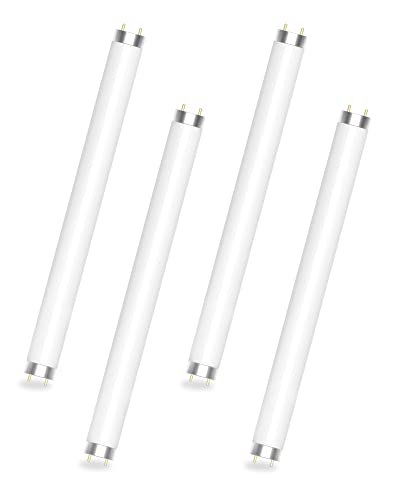
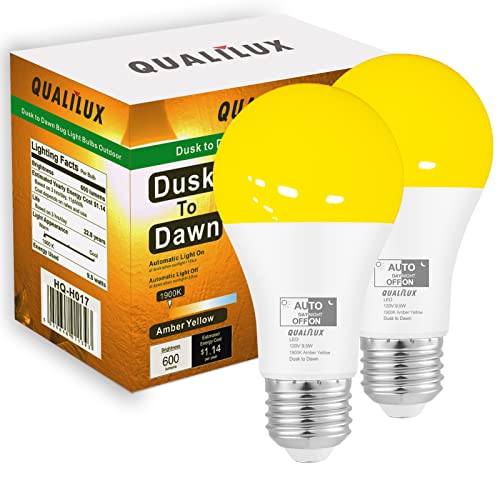
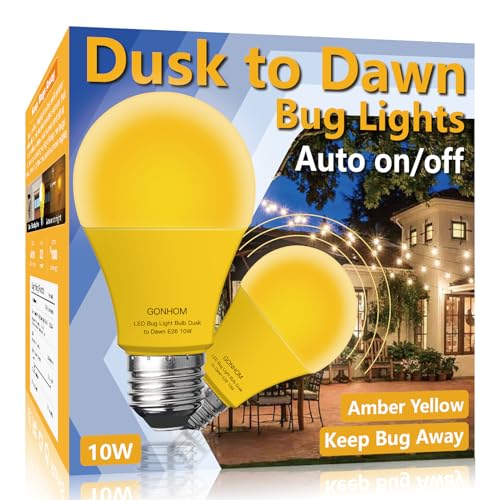

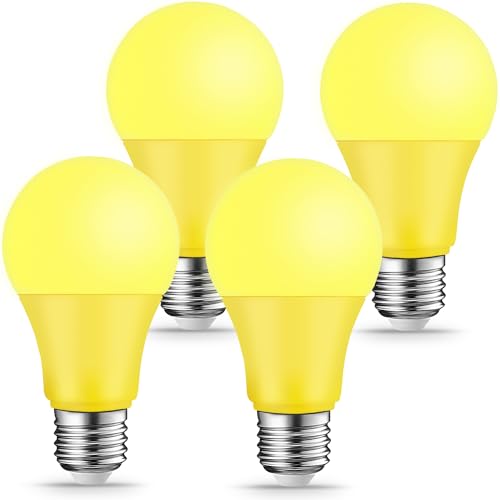
How Bug Light Bulbs Actually Keep Insects Away
Flying insects see color differently than people do. Most moths, gnats, and beetles are drawn to short-wavelength light, the blue and ultraviolet end of the spectrum, along with the heat that a traditional bulb gives off. A regular white or cool-toned porch bulb sits right in that attractive range, which is why it pulls in a cloud of insects within minutes of switching on.
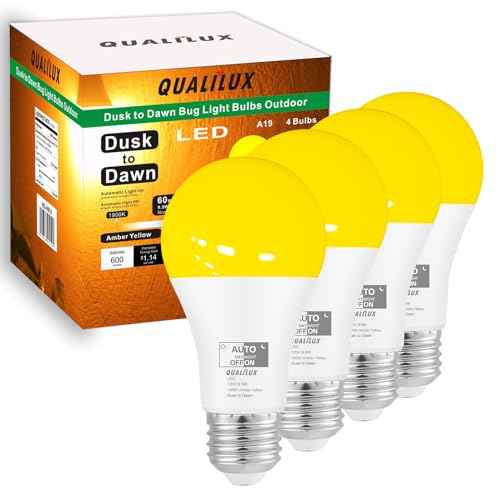
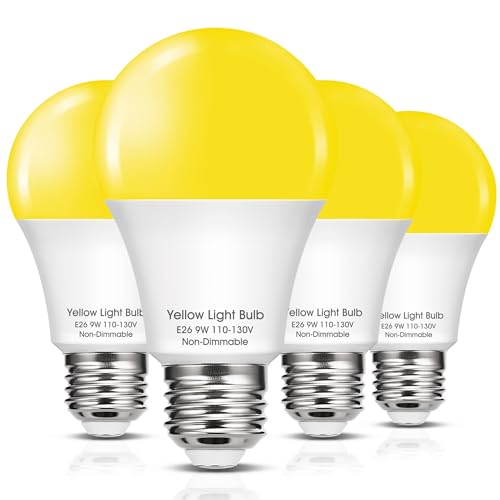
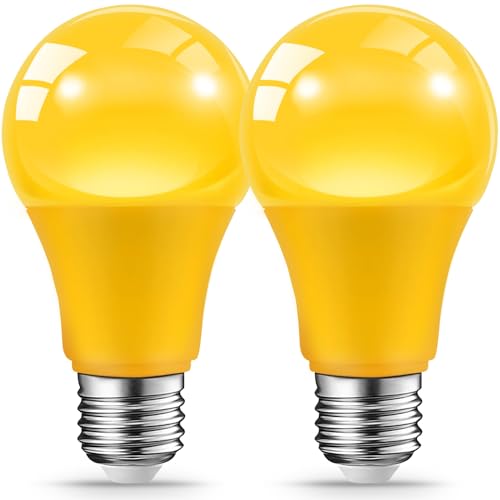
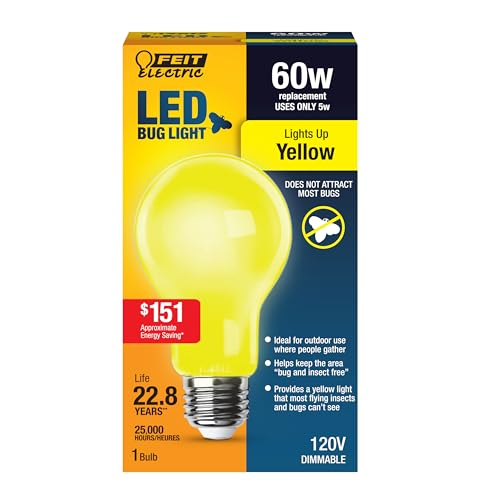
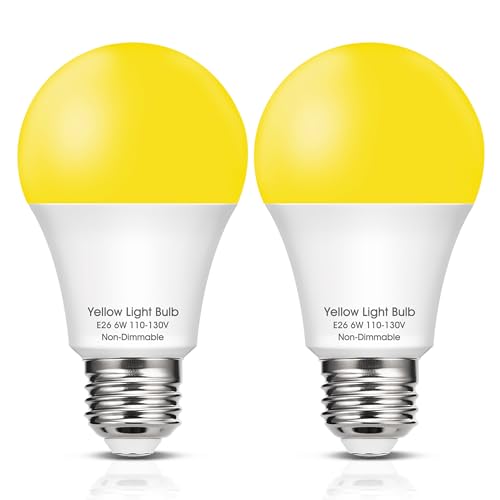
Bug lights work by shifting the output toward the amber and yellow end of the spectrum, typically somewhere in the 2000K to 2700K color temperature range. At that wavelength, the light is far less visible to most flying insects, so the bulb simply doesn't register as something worth investigating. It's a passive approach. The bulb isn't repelling anything, it's just failing to attract.
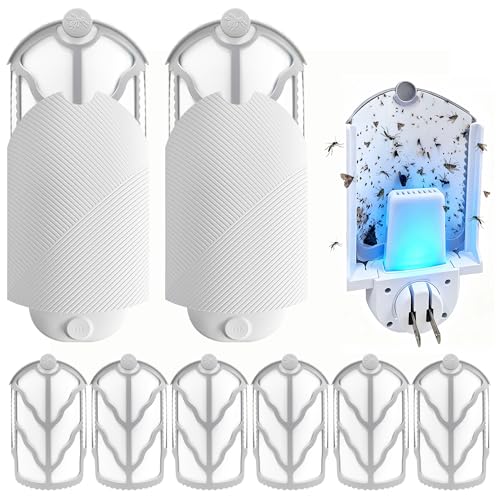
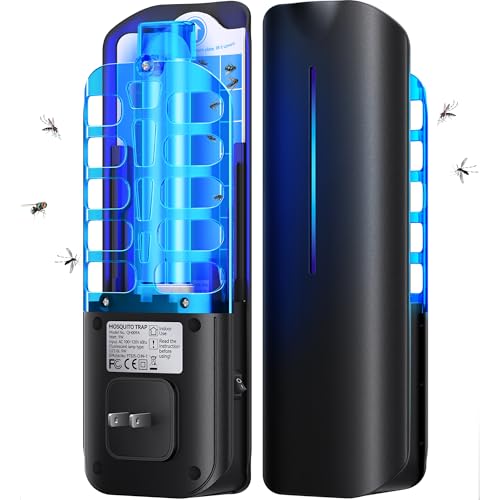
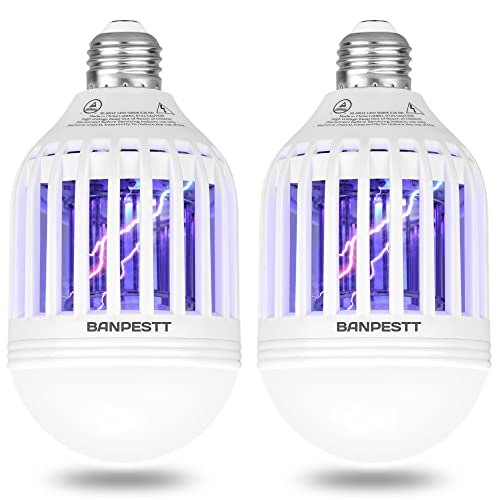
That's a very different mechanism from a bug zapper, which intentionally emits ultraviolet light to lure insects toward an electrified grid and kill them on contact. If your goal is to actively eliminate insects that are already a nuisance, a zapper is built for that. If your goal is to stop drawing them to your porch or patio in the first place, that's exactly the job a bug light bulb is designed for.
Wavelength and Color Temperature: What to Check Before You Buy
Not every bulb labeled "outdoor" or "porch light" is actually designed to cut down on insects, so it helps to know what to look for on the packaging.
Color Temperature and Labeling
The single most important spec is color temperature, measured in Kelvin (K). Bulbs in the 2000K to 2700K range produce a warm amber or yellow glow that falls outside the wavelength most flying insects can detect well. A bulb marketed as "warm white" at 3000K can still help somewhat, but it won't perform as well as a true amber-spectrum bug light. Skip anything labeled "daylight" or "cool white," since those sit at 4000K and above, right in the range that attracts the most insects.
Brightness and Wattage Trade-offs
Lower wattage and lumen output also matter. A dimmer bulb gives off less heat and casts a smaller pool of light, both of which reduce how far it reaches into an insect's flight path. That doesn't mean you need a bulb too dim to be useful. Look for LED options that deliver enough lumens for safe visibility on steps and walkways while still staying in the warm color range, rather than choosing the brightest bulb available.
Matching the Bulb to Your Porch, Patio, or Entryway Fixture
A bug light only helps if it actually fits and functions in the fixture you already have.
Bulb Shape and Base Type
Standard porch fixtures usually take an A19 bulb with a medium E26 base, the same shape as most household bulbs. Recessed can lights or floodlight fixtures often need a BR30 or PAR30 shape instead, and smaller sconces or lantern fixtures sometimes use a candelabra E12 base. Check your current bulb before ordering a replacement, since an amber bug light in the wrong shape or base simply won't screw in or won't distribute light the way the fixture was designed for.
Dusk-to-Dawn and Motion Sensor Options
Many bug light bulbs now come with a built-in photocell that turns the bulb on automatically at dusk and off at sunrise, which is convenient for entryways you don't want to think about every evening. If you'd rather the light stay off entirely until someone approaches, pairing an amber bulb with a motion-sensor fixture cuts runtime even further and limits the window of time insects have to notice the light at all.
Where Bug Lights Make the Biggest Difference
The best bug lights tend to earn their keep in spots where you spend time outside after dark and where a swarm of insects is more than just an annoyance. Front porches and entryways are the most common spot, since insects drawn to a bright white bulb will often follow people right through the open door. Back patios and decks used for evening dinners or gatherings are another strong candidate, especially when the fixture sits close to a seating area rather than up high where insects gather regardless of color.
Garages, sheds, and detached carports also benefit, particularly if the door gets left open while you work. For an extra layer of coverage on the table itself during a backyard meal, pairing amber porch lighting with citronella candles at ground level covers both the overhead light source and the immediate space around where people are sitting.
What Bug Lights Won't Do (and How to Layer Other Protection)
Bug lights are genuinely effective against insects that hunt visually, including moths, gnats, beetles, and many flying insects that are drawn to porch lighting after dark. Mosquitoes are the exception. Mosquitoes primarily track carbon dioxide, body heat, and skin scent rather than hunting by light color, so switching your porch bulb to amber won't make much of a dent in mosquito bites even though it will noticeably cut down on other insects circling the bulb.
If mosquitoes are the main concern, treat a bug light as one part of a bigger plan rather than the whole solution. Personal protection like a bug repellent applied before you head outside addresses the CO2 and scent cues that draw mosquitoes in specifically, while the amber bulb continues handling the moths and beetles that a repellent doesn't target. Used together, the two approaches cover different insect behaviors instead of leaving a gap.
Frequently Asked Questions
Do bug lights actually work?
Yes, for insects that navigate by sight, such as moths, gnats, and many beetles. Amber and yellow bulbs in the 2000K to 2700K range fall outside the wavelength these insects detect well, so fewer of them are drawn to the light in the first place.
What is the difference between a bug light and a bug zapper?
A bug light is a passive amber-toned bulb that avoids attracting insects by staying outside their visible spectrum. A bug zapper does the opposite on purpose, using ultraviolet light to actively lure insects toward an electrified grid and kill them.
Do bug lights work on mosquitoes?
Not particularly well. Mosquitoes hunt mainly by carbon dioxide and body heat rather than light color, so a bug light reduces moths and beetles more reliably than it reduces mosquito activity.
What color light keeps bugs away the best?
Amber and yellow light in the 2000K to 2700K color temperature range performs best. Cooler tones like daylight or cool white sit closer to the blue and ultraviolet range that attracts the most insects.
Can bug light bulbs be left on all night?
Yes, and many models include a dusk-to-dawn sensor that handles this automatically. Pairing an amber bulb with a motion sensor instead can further limit how long the light is on and visible to insects.
Do bug light bulbs fit any outdoor fixture?
Not automatically. Check your current bulb's shape and base, such as A19 with an E26 base or a smaller candelabra E12 base, before buying a replacement so it fits your specific porch, patio, or sconce fixture.
Making Your Decision
The best bug lights come down to a simple, low-effort swap that meaningfully cuts down on the moths, gnats, and beetles crowding your porch or patio after dark, as long as you match the color temperature, brightness, and bulb shape to your fixture. It won't do much for mosquitoes on its own, so treat it as one layer of a broader outdoor comfort plan rather than a complete fix. For most homes, that combination of a properly chosen amber bulb plus targeted protection where it's still needed is enough to enjoy the porch again without sharing it with every insect in the yard.