
Best Cabinet Knobs for 2026: Which One Fits the Way You Use It?
Disclosure: We may earn a commission when you buy through links on this page, at no extra cost to you. As an Amazon Associate I earn from qualifying purchases. Learn more

Learn how to choose cabinet knobs that fit your doors, match your daily routine, and hold up well, with clear guidance on size, material, and value.
There is no single knob that suits every kitchen, bathroom, or storage cabinet, because the right choice depends on how you open doors, how often you use them, and how much grip you need. The best cabinet knobs for a busy family kitchen may feel too large for a small linen cabinet, while a delicate knob may be hard to grasp with wet or greasy hands. This guide compares knobs by use, size, material, and price, so you can narrow the field before you buy.
Start with fit, then look at finish and durability. A knob that matches your door thickness and existing screw holes will install more easily, and a finish that resists fingerprints and moisture will look better for longer. Keep your budget in mind as well, since knobs are often bought in sets, and a small price difference per knob can add up across a whole room.
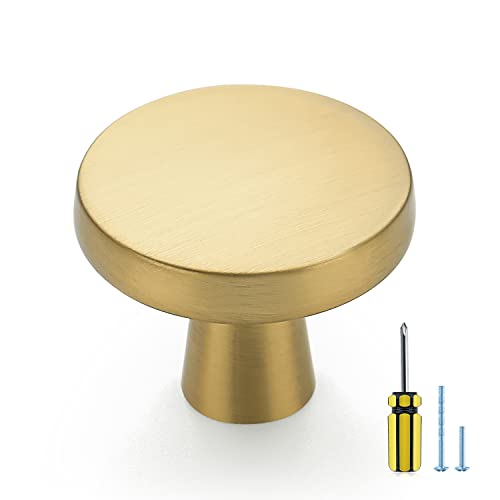


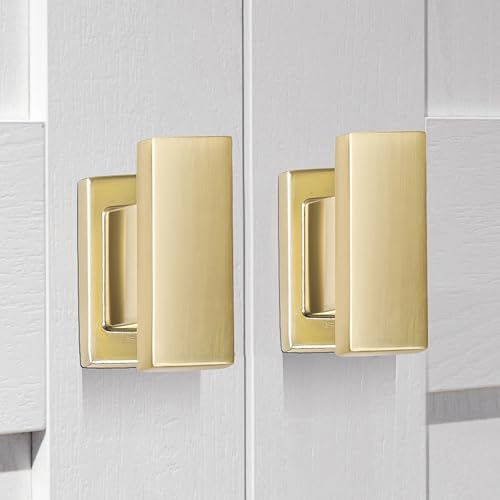
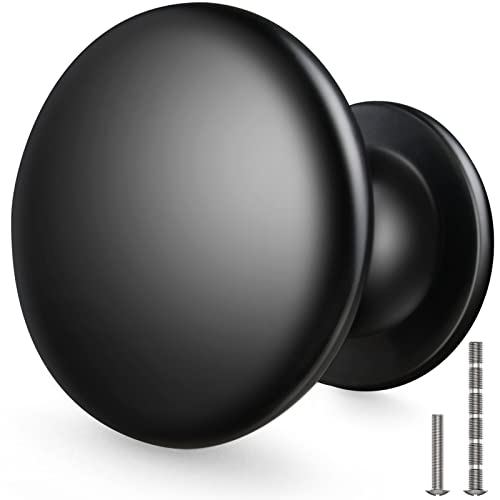
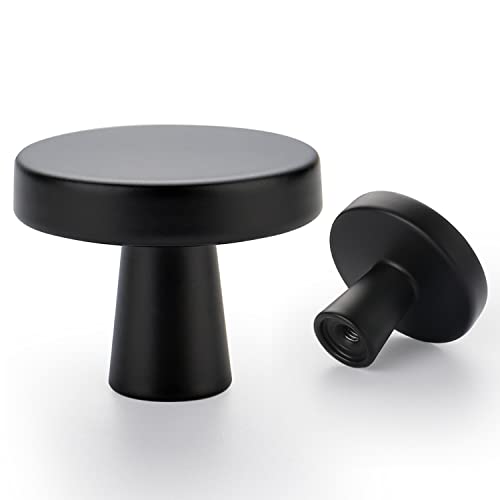


Who Should Buy Which Cabinet Knobs?
Different buyers value different things, so it helps to match the knob style to the way you live with your cabinets. The groups below cover the most common buying situations.
For Gift Shoppers
Gift shoppers usually want a knob that looks good in most homes and does not require the recipient to change doors or hardware. Choose a classic round or mushroom shape in a neutral finish, and check that the pack includes screws in more than one length. A clear return policy matters too, since the recipient may need a different size or finish. Avoid unusual shapes that only suit one decor style.
For First Time Buyers
If this is your first hardware change, keep the project simple. Measure the distance from the edge of the door to the center of the existing hole, and note the door thickness before ordering. Pick a knob with a single screw mount, since it is the easiest type to install and adjust. A mid size knob is a safe starting point, because it is easy to grip without overpowering a small door.
For People Who Want the Best Performance
Performance buyers use cabinets many times a day and want a knob that feels solid, turns smoothly, and stays tight. Look for a heavier metal body, a smooth edge with no sharp seams, and a screw that seats firmly without wobbling. A durable finish is also important in kitchens and bathrooms, where steam, splashes, and cleaning products can wear a coating over time. Paying more can make sense when the knob will see daily hard use.
For Value Seekers
Value seekers want a good balance of price and durability, especially when outfitting many doors at once. Compare the total cost for the full set, not just the price of one knob, and check whether screws are included. A simple metal or sturdy composite knob often gives the best value, while very low priced knobs may loosen sooner or show wear faster. Spend a little more on doors you use most, and save on rarely opened cabinets.
Key Features to Compare
Use the factors below to compare knobs side by side, rather than judging by appearance alone. Each one affects daily use in a different way.
Price vs Value
Knob prices vary widely, from about $1 to $3 each for simple options, to about $5 to $12 each for heavier or more detailed designs. Budget options can work well for spare rooms or rental properties, while mid range options often offer better finishes and stronger screws. Premium options may add hand finishing or thicker metal, but they are not always needed for a good result. Judge value by the full set cost, the included hardware, and how long the finish is likely to last.
Build Quality and Materials
Metal knobs, including brass, zinc alloy, and stainless steel, tend to feel solid and resist cracking, while wood knobs add warmth but may need more care around moisture. Glass and ceramic knobs can look striking, yet they may chip if struck by a heavy pan or a vacuum cleaner. Check the weight, the smoothness of the edges, and whether the screw thread feels clean and firm. A well made knob should sit flat against the door without rocking.
Size, Weight, and Fit for Your Space
Knob diameter usually ranges from about 1 inch to about 1.5 inches, and the right size depends on door size and hand size. Small knobs suit narrow drawers and small doors, while larger knobs are easier to grip on wide pantry doors. Also check projection, which is how far the knob sticks out from the door, since a knob that sticks out too far can catch on clothing.
Intended Use and Who It Is For
The main user of the cabinet should shape the choice. Children may need a smooth knob with no sharp points, while older adults may prefer a larger knob that is easy to grasp without pinching. In a bathroom, a knob that resists moisture and is easy to wipe clean is a practical pick, and the same thinking applies to storage near a sink.
Common Mistakes to Avoid When Buying Cabinet Knobs
These mistakes are easy to make when shopping by photo alone, so check each one before you order.
- Judging by price alone, without checking screw length, door thickness, or finish durability.
- Buying a knob that is too large for a small door, which can look out of proportion and catch on nearby items.
- Ignoring the existing hole size, which can leave a visible gap or require filling and redrilling.
- Skipping the warranty or return terms, which matters if the finish wears quickly or a knob arrives damaged.
- Mixing too many finishes in one room, which can make even good knobs look mismatched.
How to Make Your Cabinet Knob Last Longer
Read the maker guide before first use, and tighten screws by hand rather than forcing them with a power tool. Clean knobs with a soft cloth and mild soap, and dry them after cleaning, especially in kitchens and bathrooms where moisture lingers. Inspect screws every few months, since daily use can loosen them over time.
If grease builds up around a kitchen knob, see our guide to the best cabinet degreaser for a cleaner suited to cabinet surfaces. Store spare knobs and screws in a dry place, and keep small parts away from children during installation.
Cabinet Knobs: Your Questions Answered
How long does a cabinet knob last?
A well made cabinet knob can last many years under normal home use, often for the life of the cabinet itself. Metal knobs usually outlast plastic ones, and a good finish resists fading and chipping longer. Loose screws are the most common problem, and they can usually be fixed by retightening or replacing the screw. Replace a knob sooner if the finish peels, the body cracks, or the screw thread no longer holds firmly.
What features matter most when buying cabinet knobs?
Fit matters most, followed by grip, material, and finish. Start with diameter, projection, screw length, and door thickness, since a knob that does not fit well will never feel right. Next, consider how the shape feels in your hand and whether it is easy to grasp when your hands are wet. Material and finish affect durability and cleaning, so choose a combination that suits the room, not just the photo.
Are expensive cabinet knobs worth it?
Expensive knobs can be worth it for doors you use every day, where a heavier body and a tougher finish are easy to notice. They are less important for rarely opened cabinets, guest rooms, or short term rentals, where a simple knob does the same job. Compare the full set cost, and put your budget toward the kitchen and bathroom doors first. A mid priced knob often gives most of the benefit without the highest price.
How much should I spend on a cabinet knob?
Most buyers spend about $2 to $8 per knob for everyday use, with simple options under that range and detailed designs above it. Remember to multiply by the number of doors and drawers, and add the cost of any extra screws. If you are outfitting a whole kitchen, a difference of a few dollars per knob can change the total by a large amount. Set a total budget first, then choose the best fit within it.
How do I maintain a cabinet knob?
Maintenance is simple and takes only a few minutes. Wipe knobs with a soft damp cloth, use mild soap for sticky buildup, and dry the surface right away. Avoid harsh abrasives, which can scratch the finish and make it wear faster. Check screws twice a year, tighten any that feel loose, replace a worn screw before it strips the hole, and keep spare screws in a labeled bag so a future repair is quick.
Final Thoughts
The right knob is the one that fits your doors, feels good in your hand, and holds up in the room where it will be used. Measure first, choose a material and finish suited to daily use, and compare the total set cost rather than a single knob price. For a lasting result, the best cabinet knobs are the ones that match your routine, not just the ones that look best in a photo, so check the product table above before you order.


