Best Air Resistance Rowing Machine 2026
Disclosure: We may earn a commission when you buy through links on this page, at no extra cost to you. As an Amazon Associate I earn from qualifying purchases. Learn more

How to pick the best air resistance rowing machine: damper feel, rail length, monitor, noise, storage and frame strength for home workouts.
The best air resistance rowing machine gives you a workout that scales with every pull: the harder you drive, the more air the flywheel fan moves, and the heavier the stroke feels. There are no levels to set and no magnets to adjust, which is why air rowers are the standard in gyms and on the competitive indoor rowing circuit. This guide explains how air resistance works, what separates a solid machine from a flimsy one, and which details matter in a home. Use the product table above to compare current models as you read.
Air rowers share one basic idea but differ in frame strength, monitor quality, rail length, and how they store. Those differences decide whether you keep rowing after the first month or turn the machine into a coat rack.




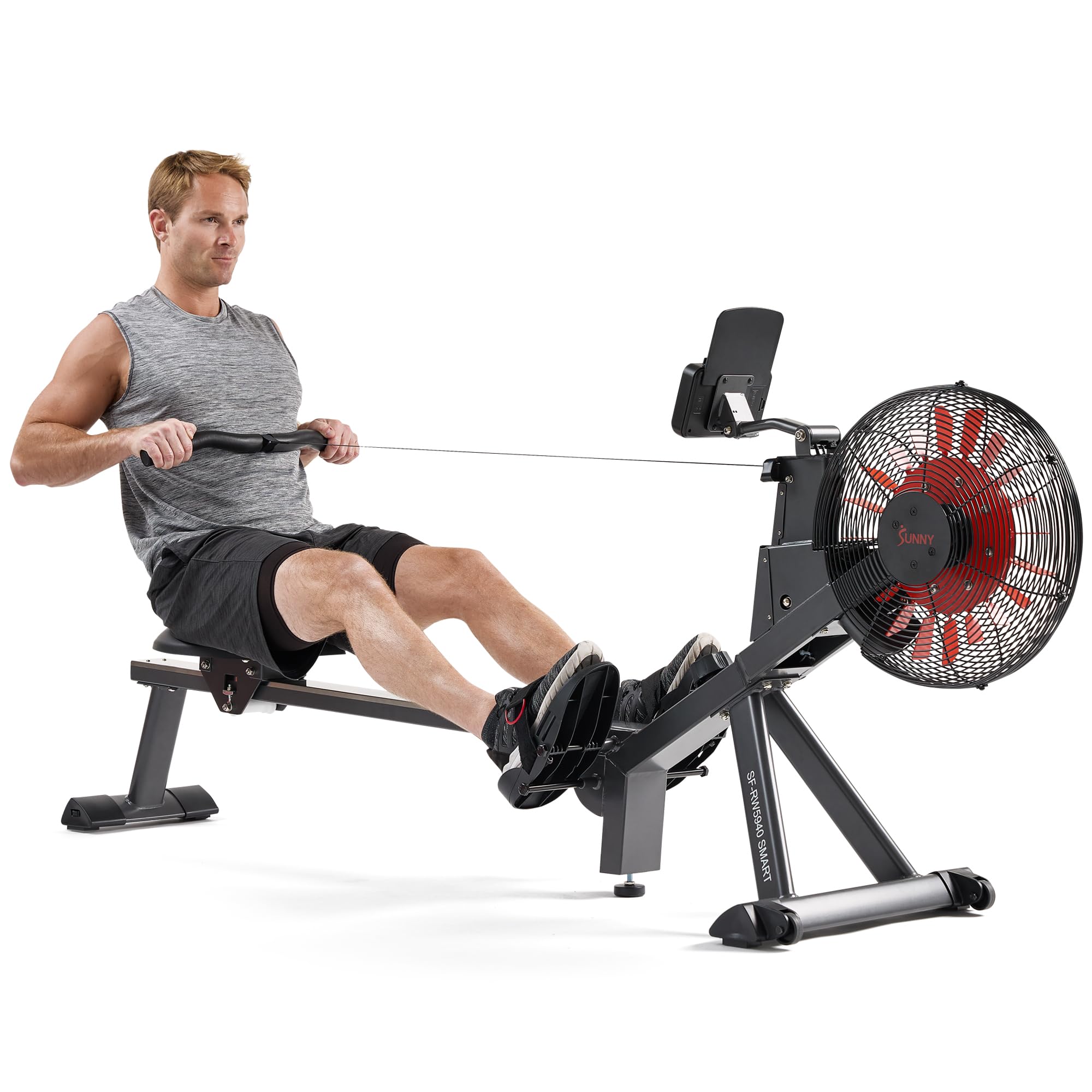
How an Air Resistance Rowing Machine Works
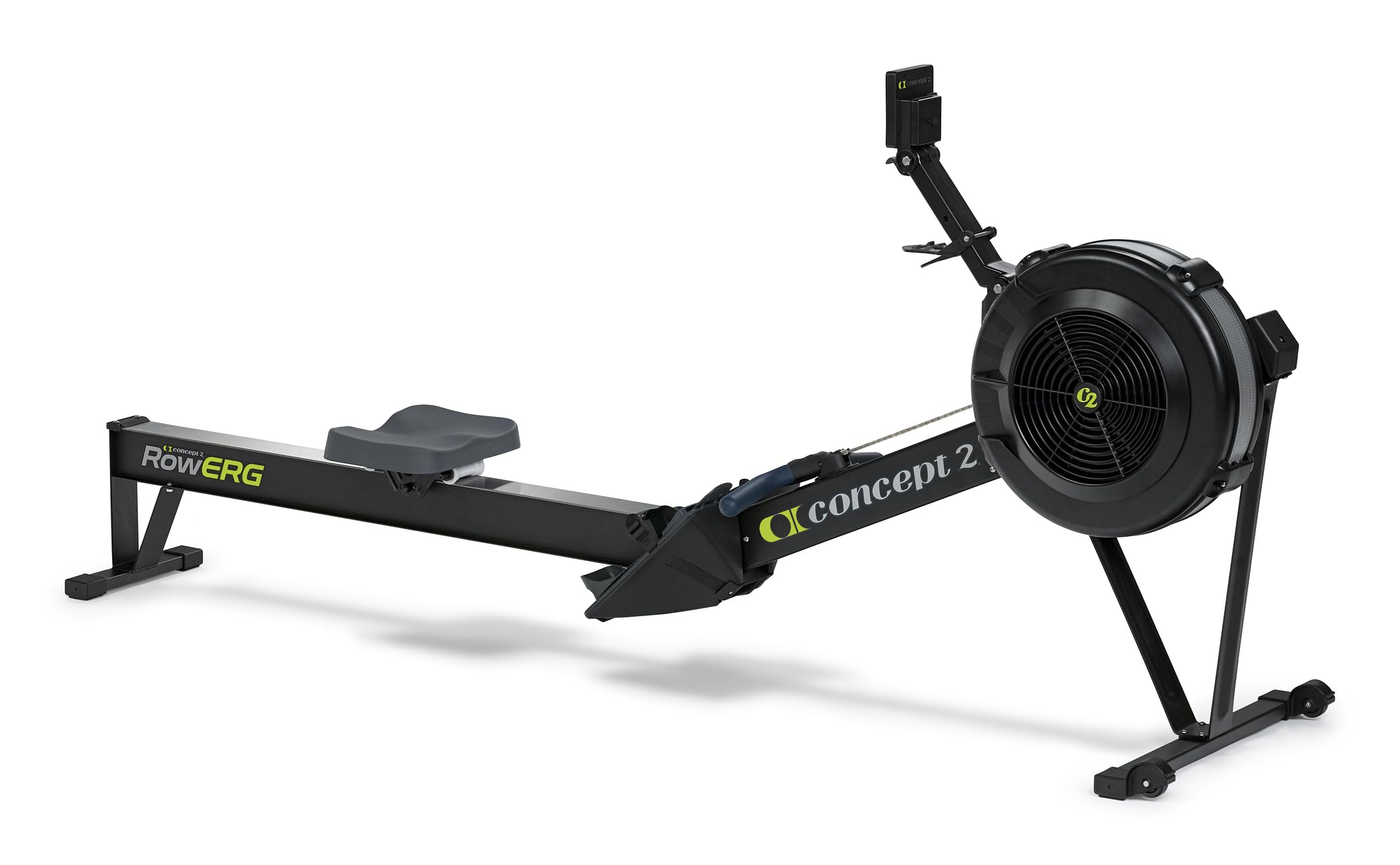
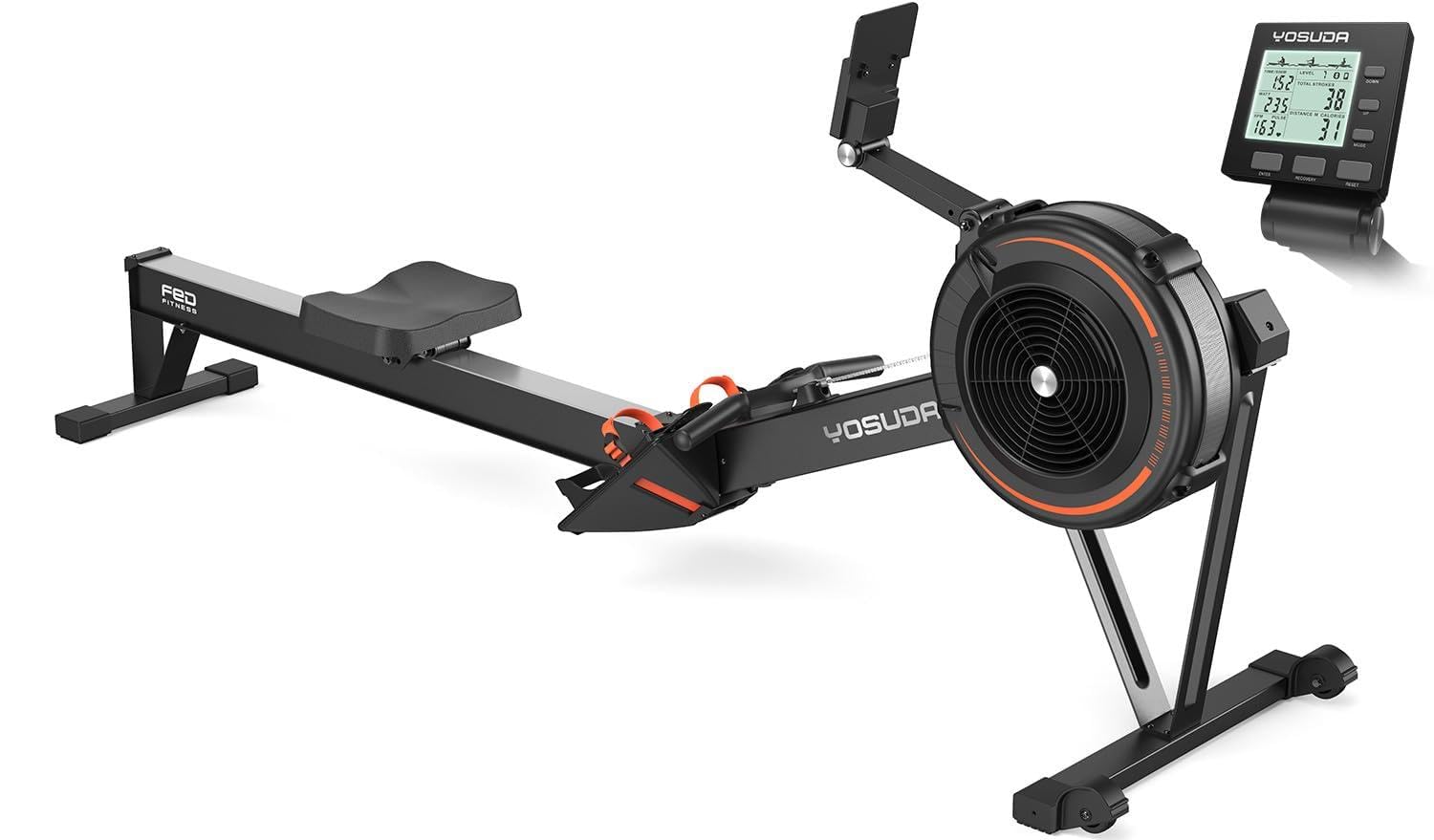
When you drive with your legs, a chain or strap spins a flywheel that carries fan blades inside a cage. The spinning blades push against the air, which creates drag that rises with the square of your speed. Pull gently and the stroke feels light. Sprint and the handle gets noticeably heavier within a few strokes.
A damper lever on the fan housing controls how much air enters the cage. Many new rowers think a high damper number means more resistance, but it mostly changes the feel of the stroke. A lower setting around 3 to 5 feels lighter and faster, closer to a sleek racing shell. A higher setting feels heavier and slower. Most coaches suggest a moderate setting for steady training, because it builds endurance without punishing your back.
Why Choose an Air Resistance Rower
Air resistance suits people who want one machine for easy recovery rows, long steady sessions, and all out intervals. Because the load follows your effort, a beginner and a strong athlete can use the same rower at very different intensities. There is also nothing to wear out electronically: no brake pads, no magnet motor, and no pump.
The trade off is noise. The fan whooshes louder as you speed up, so late night intervals are harder in a shared home than on a magnetic or water rower. A rubber mat and a closed door help, but the sound will never vanish.
What to Check Before You Buy
Rail length and seat comfort
Taller rowers need a long rail so the legs can fully extend at the finish without the seat hitting the end stop. Check the rail length against your inseam, and look for a seat that rolls smoothly on bearings. A hard, narrow seat gets uncomfortable around 15 minutes, so a contoured seat is worth having.
Monitor and workout programs
A good monitor shows split time per 500 meters, stroke rate, distance, calories, and watts. Splits and watts are the numbers you will actually track. Bluetooth lets you send sessions to a phone, and a heart rate receiver is useful for steady state training. Preset interval programs add variety, and they keep working without any paid plan.
Footplates and handle
Adjustable footplates with sturdy straps keep your heels from lifting and help you push through the legs. Loose or flimsy straps waste power on every stroke. A comfortable handle with a rubber or foam grip prevents blisters during longer sessions.
Folding and floor space
Plan for about nine feet of length and two to three feet of width in use. Some air rowers split into two pieces or stand upright, which can shrink the stored footprint to a corner of a room. Measure that corner and your ceiling height before you order, because a long rail cannot be bent to fit.
Weight capacity and frame
Choose a rower whose stated weight capacity clears the heaviest user by a safe margin. A steel monorail frame generally feels steadier at high power than a light frame with a hinge in the middle. Check that the frame does not rock on a level floor, and keep the manual for torque specs.
Setting Up and Caring for Your Rower
- Place the machine on a flat surface with a mat underneath to protect the floor and cut vibration.
- Wipe the rail and seat after workouts, because sweat leaves residue that makes rollers gritty.
- Vacuum dust from the fan cage every few months so airflow stays consistent.
- Tighten bolts monthly at first, then each season, and oil the chain if your model uses one.
Learn the stroke order before you chase speed: legs first, then lean back slightly, then pull the arms to the chest. Reverse the order on the return. Keep your back flat and your shoulders relaxed. Start with short, steady sessions and increase time gradually. Stop and ask a qualified professional for advice if you feel sharp pain, dizziness, or chest discomfort during exercise.
Frequently Asked Questions
Is an air resistance rowing machine good for beginners?
Yes. The load is self regulated, so a beginner simply pulls more gently. Start with a moderate damper, aim for steady 15 to 20 minute rows, and focus on a smooth sequence rather than raw power. Add time before you add intensity.
How loud is an air rower?
It is the loudest rower type, because the fan whooshes harder as you pull faster. At an easy pace it is a soft airy hum, and during sprints it is clearly audible in the next room. A mat and daytime sessions keep most households comfortable.
What does the damper setting do?
The damper controls how much air flows into the fan cage. A lower number gives a lighter, faster feeling stroke and a higher number gives a heavier, slower stroke. It changes feel rather than creating a precise resistance level, so experiment and pick the setting that lets you keep good form.
Do air rowers need electricity?
Most do not. The fan is driven by your effort, and the monitor usually runs on batteries or is powered by the flywheel itself. That makes placement easy, since you do not need an outlet near the machine.
How much should I spend?
Entry level air rowers start around $250 to $500, midrange foldable and connected models run around $600 to $1,000, and commercial grade machines are often about $1,000 to $1,500. Spend more if you are tall, heavy, or plan to row most days.
Final Thoughts
Match the rail length, capacity, and storage style to your body and your room, then compare monitors and warranty. For a related comparison, see our guide to the best water resistance rowing machine or the best magnetic resistance rowing machine. Chosen with those checks in mind, the best air resistance rowing machine gives you a smooth, self paced workout that stays useful for years.