
Best Budget Generators 2026: Affordable Backup Power Without Costly Mistakes
Disclosure: We may earn a commission when you buy through links on this page, at no extra cost to you. As an Amazon Associate I earn from qualifying purchases. Learn more

Compare budget generators by power output, runtime, and noise, and learn how to choose affordable backup power that covers what matters most.
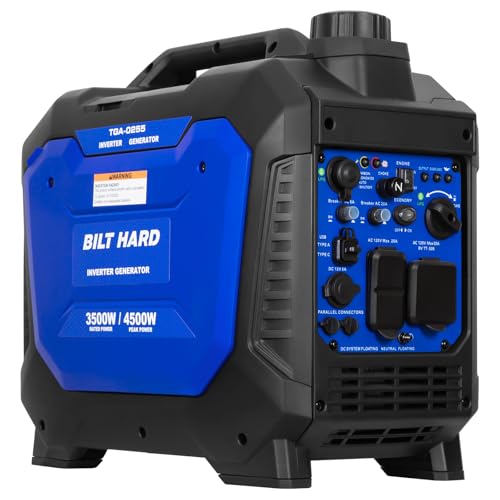
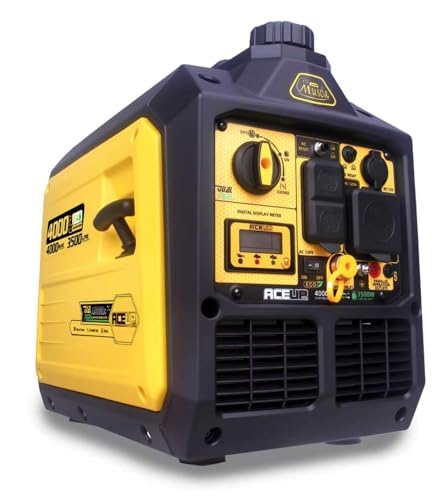
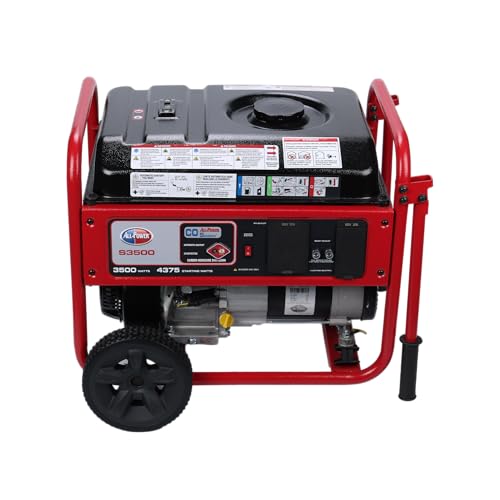
A power cut is stressful enough without an expensive mistake, and the best budget generators are the ones sized to your essentials, not the biggest engine you can afford. A budget generator will not run a whole house, but it can keep lights, phones, a refrigerator and a few other basics going for a day or two. The comparison table below lines up the main options, and this guide explains how to read the numbers that matter.
Start with a short list of what you must power. Add up the running watts for each item, then check the starting watts for anything with a motor, such as a refrigerator, a sump pump or a window air conditioner. Starting watts can be two or three times higher than running watts, and this is where many buyers misjudge capacity.

Who Should Buy a Budget Generator?
A budget model suits homeowners and renters with outdoor space who face occasional outages and want a safety net. It is especially useful if you work from home, keep food that must stay cold, or live where storms cause regular cuts. Campers, tailgaters and outdoor workers may also benefit, though portable needs differ from home backup needs.
If you rely on medical equipment, ask your doctor and the equipment maker about power requirements and backup plans before you choose a generator. A generator is a convenience, not a substitute for a medical plan.
Key Features to Compare
The features below matter more than headline wattage alone. A generator that runs your essentials quietly and safely will serve you better than a larger, louder model you dread using.
- Running and starting watts, which decide what you can power at the same time.
- Runtime, meaning how long the generator runs on a full tank at half load.
- Noise level, because a loud unit can annoy neighbors and limit where you can place it.
- Fuel type: gasoline, propane or dual fuel, which affects cost, storage and availability in a storm.
- Outlets and protection, such as covered outlets, overload protection, a low oil shutdown and a carbon monoxide shutoff.
Types of Budget Generators
Conventional Portable Generators
These offer the most watts per dollar and suit basic backup needs. They are louder, burn more fuel for the same output, and their power is less clean for sensitive electronics. Expect to pay about $250 to $500 for a unit in the 3,500 to 4,500 watt range.
Inverter Generators
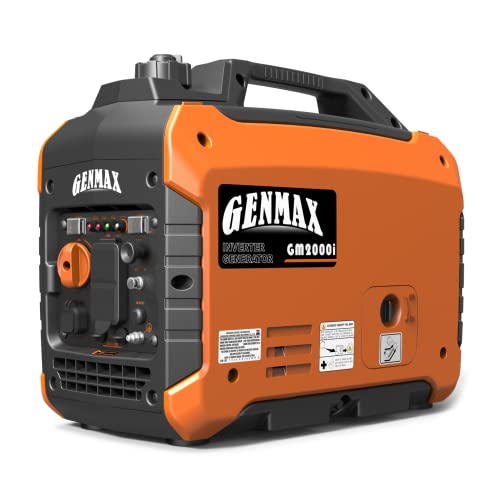
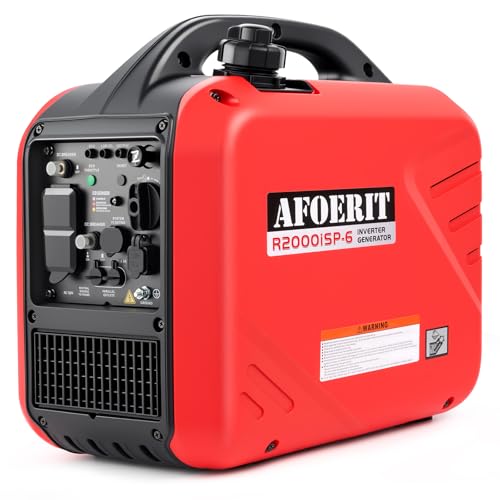
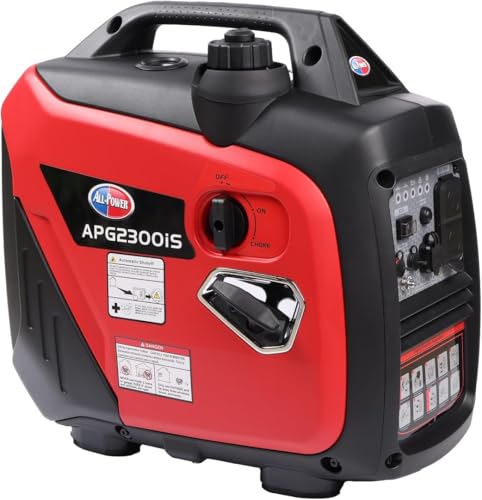
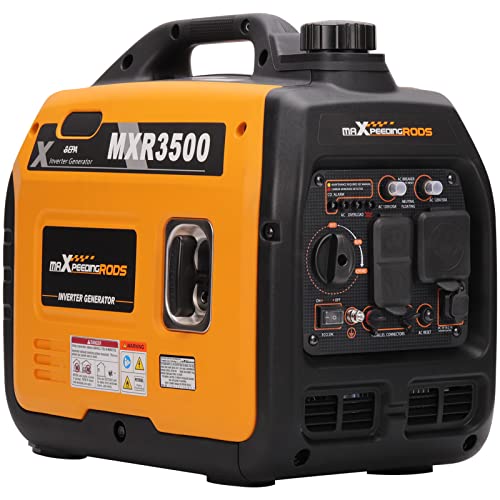
Inverter models produce cleaner power and run quieter, which suits laptops, phones, routers and modern appliances. They cost more per watt and usually top out at lower output, but many budget units around 2,000 to 3,500 watts cover a refrigerator, lights and device charging.
Dual Fuel Models
Dual fuel units run on gasoline or propane. That flexibility helps when one fuel is hard to find after a storm, and propane stores for years without going stale. Check whether the maker lists a lower output on propane, since many units lose some capacity on that fuel.
For wider coverage of backup options, see our guide to the best backup generators, and for portable units with strong owner feedback, read about the best rated portable generators.
How to Choose the Right Size
List your essentials and add their running watts, then add the largest starting surge on the list. Choose a generator whose running watts cover that total with a little headroom, and avoid running it at full load for hours. A rough guide is about 1,000 watts for lights, phones and a router, about 2,000 to 3,000 watts to add a refrigerator and a small fan, and 4,000 watts or more to add a well pump or a furnace blower.
Plan where the unit will run. It must always sit outdoors, well away from doors, windows and vents, because exhaust contains carbon monoxide. Never run a generator in a garage, even with the door open. Use outdoor rated extension cords of the right gauge, and follow the maker instructions for connecting any appliance. Never connect a generator to a house outlet without a properly installed transfer switch fitted by a licensed electrician.
What You Can Realistically Get on a Budget
Among the best budget generators, around $250 to $500 buys a capable unit with a recoil or electric start, a handful of outlets and basic protection. Expect more noise than a premium inverter model, a shorter warranty and simpler controls. Do not give up the safety basics: overload protection, a low oil shutdown and a clear manual matter more than a fancy panel.
Also factor in running costs. A gasoline unit burns roughly half a gallon to a gallon per hour at moderate load, so keep a few approved fuel cans, a bottle of fuel stabilizer and spare oil on hand before storm season starts.
Common Mistakes to Avoid
- Buying by price alone and finding the generator cannot start the refrigerator.
- Running the unit indoors, in a garage or near an open window, which risks carbon monoxide poisoning.
- Overloading the generator with too many items at once, which can trip protection or damage appliances.
- Leaving old fuel in the tank, so the engine will not start when the power fails.
- Skipping a battery powered carbon monoxide alarm inside the home.
Care and Storage Tips
Run the generator for ten to fifteen minutes every month or two, and add fuel stabilizer if it will sit unused for long periods. Check the oil level before each use and keep spare oil, an air filter and a spark plug on hand. Store fuel in approved containers away from living areas, and never refuel a hot or running generator.
After an outage, let the unit cool, wipe it down and note anything that needs attention before the next use. For short, urgent needs, our guide to the best emergency generator compares units built for fast setup.
Frequently Asked Questions
How many watts do I need for basic backup power?
A few hundred watts cover lights and phone charging, while a refrigerator adds several hundred running watts plus a higher starting surge. A total of about 2,000 to 3,000 running watts covers many basic household essentials. Add up your own list instead of relying on a generic number.
Can a budget generator power sensitive electronics?
Inverter generators produce cleaner power that suits laptops and phones better than conventional models. If you must use a conventional unit, a surge protector helps, but sensitive devices still carry some risk. Check the device guidance and choose an inverter model if electronics matter to you.
Is it safe to run a generator in a garage?
No. Generators must run outdoors, well away from doors, windows and vents, because the exhaust contains carbon monoxide. Even a garage with the door open is not safe, since fumes can build up quickly. Add a battery powered carbon monoxide alarm inside your home as an extra safeguard.
How long will a budget generator run on one tank?
Runtime depends on tank size and load, often from several hours at full load to a day or more at light load. Compare the rated runtime at half load for a realistic figure. Keeping loads light extends runtime during a long outage.
What maintenance does a generator need?
Regular oil checks, fresh fuel, a clean air filter and short test runs keep a generator ready. Follow the manual for oil change intervals and spark plug replacement. A generator that is never started is a gamble, so schedule a short run every month or two.
Final Thoughts
A budget generator is a practical safety net when it is sized to your essentials and used safely outdoors. List what matters most, check both running and starting watts, and keep the machine maintained and tested. Use the product table above to compare options, and the best budget generators for your home will be the ones that cover your list quietly, safely and at a price you can accept.


