
Best Budget Binoculars for Stargazing in 2026: Which Type Is Right for You?
Disclosure: We may earn a commission when you buy through links on this page, at no extra cost to you. As an Amazon Associate I earn from qualifying purchases. Learn more

Compare the best budget binoculars for stargazing by type, exit pupil and price band, with clear advice on power, support and glass for dark skies.
Walk into a store or scroll a listings page and the choices blur together fast: 7x50, 10x50, 15x70, porro, roof, compact. Picking the best budget binoculars for stargazing gets much simpler once you sort pairs by type, because each type trades brightness, steadiness and price in a predictable way. This guide compares the types head to head, then shows which specs actually decide a good night under dark skies.
The comparison table below lays the three main types side by side, and the sections after it explain where each one shines and where each one struggles. The short answer is this: aperture and exit pupil first, magnification second, and everything else after that.


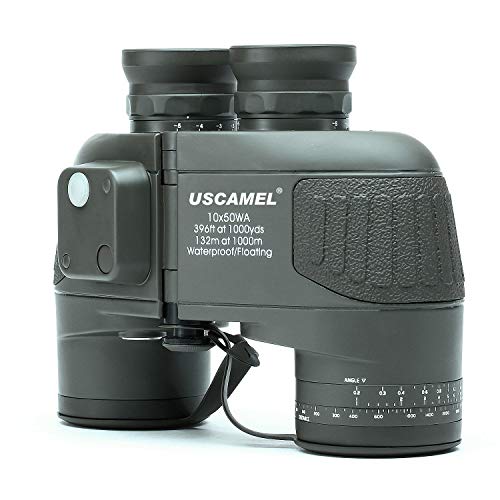


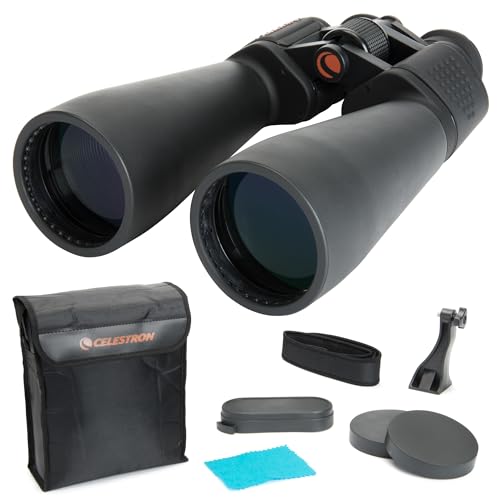

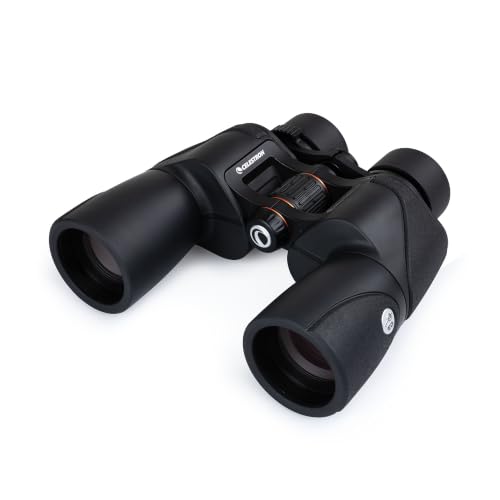
Types of Binoculars Compared
Every stargazing pair is built around one simple figure, the exit pupil, which is the objective size divided by the magnification. An exit pupil of about 5 to 7 millimetres suits a dark sky, because it roughly matches a dark adapted eye and delivers the brightest image the pair can give. A 7x50 pair gives about 7.1 millimetres and a 10x50 gives about 5 millimetres, and that single difference explains most of what separates the types below.
| Type | Common Size | Exit Pupil | Best For | Typical Price |
|---|---|---|---|---|
| Porro prism classic | 7x50 | About 7.1 mm | Bright wide sweeps of the Milky Way | About $50 to $100 |
| Roof prism all rounder | 10x50 | About 5 mm | Star clusters and the Moon in more detail | About $80 to $150 |
| Giant supported pair | 15x70 | About 4.7 mm | Faint galaxies and nebulae on a tripod | About $80 to $160 |
Porro Prism Classics
The classic 7x50 porro prism pair is the traditional starting point for astronomy, and it stays popular because the design delivers a lot of glass for little money. The wide barrels are easy to hold, the low power keeps the view steady, and the big exit pupil makes star fields look rich and bright. The same size that helps brightness makes these pairs bulky for travel, though that rarely matters on a porch or in a yard.
Roof Prism All Rounders
A 10x50 roof prism pair trades a little brightness for reach and a slimmer, easier to pack body. The extra power pulls star clusters apart into individual points and shows the Moon with real texture along the terminator line. Roof prism pairs cost more to build well, so budget examples vary more in quality than porro pairs at the same price. Readers comparing best budget binoculars for mixed day and night use often settle here, since one pair serves both.
Giant Pairs for Supported Viewing
Pairs at 15x70 gather far more light and reveal faint objects the smaller types simply miss, from dim galaxies to the cloud bands on Jupiter. The price of that reach is weight and shake, because nobody holds a 15x pair steady for long by hand. These are chair and tripod tools, not grab and go tools. As a second pair bought after a season with a basic 50 millimetre pair, they feel like a telescope upgrade at a binocular price.
Handheld Pairs or a Supported Giant: Which Should You Choose?
The honest dividing line is power, because any power past 10 wants a support to stay enjoyable. Handheld pairs in the 7x to 10x range suit sweeping the Milky Way and learning the constellations, and a reclining chair with braced elbows calms most of the shake. Supported giants suit patient sessions on a tripod or monopod, where you settle on one faint target at a time. Choose handheld first if you are new, add the giant later if the hobby sticks, and note that the product table above shows the price bands overlap, so the choice is about viewing style rather than budget.
How to Choose the Right Pair
Features That Matter for Stargazing
For the night sky, the deciding features are objective size, exit pupil and a wide field of view, in that order. A 50 millimetre objective is the budget sweet spot, gathering enough light for star clusters and bright nebulae without giant pair weight. A field of view around 6 degrees or wider makes finding targets far easier and keeps the Milky Way framed instead of chopped. The best budget binoculars for stargazing choice always protects aperture first, because no coating or feature replaces light the lens never gathered.
What You Can Realistically Get on a Budget
Glass quality is where a budget shows first, so set expectations by the glass rather than the spec sheet. At about $50 to $150 you get honest 50 millimetre optics with decent coatings, and the visible compromises are softer stars at the very edge and some glare near a bright Moon. Collimation, the alignment of the two barrels, matters more than exotic glass at this price, because misaligned pairs cause eye strain fast. Buy from a seller with easy returns, and test the pair on a bright star the first clear night.
Durability and Weather Sealing
Night gear lives in dew, and dew is the quiet enemy of budget optics. Sealed and nitrogen filled pairs resist the internal fog that forms when cold glass meets warm morning air, so look for stated fog protection rather than a bare water resistant claim. Rubber armor helps with cold hands and small knocks against a tripod leg. A pair that fogs internally in its first autumn is no bargain.
Focus, Eye Relief and Comfort
Center focus wheels that turn smoothly with a gloved finger make cold nights far more pleasant. Eye relief of about 15 millimetres or more lets glasses wearers see the full field without pressing the eyecups against their lenses, and twist up eyecups hold their setting better than fold down rubber ones at this price. None of these details appears in headline specs, yet they decide whether you observe for twenty minutes or two hours, a point general roundups of best binoculars stargazing models make as well when they list comfort among the top reasons pairs get returned.
Coatings and Light Transmission
Coatings decide how much of the gathered light actually reaches your eyes. Fully multi coated glass is the wording to look for, since bare or partly coated budget pairs lose brightness and contrast on faint targets. Two otherwise identical 10x50 pairs can look noticeably different at the eyepiece for this reason alone. When a listing hides its coating details behind vague language, treat that as a warning sign and move on.
Setup and Care Tips
- Wipe lenses only with a clean lens cloth, never a shirt, because grit in fabric scratches coatings on the first rub.
- Store the pair in a dry padded bag with the caps on, away from damp garages where fungus can grow on glass.
- Let a cold pair warm up slowly indoors after a session, inside its closed case, so condensation forms on the case instead of the lenses.
- Use the neck strap even in the yard, since concrete patios are unforgiving when a pair slips from cold fingers.
- Check the hinge tension and diopter setting every few sessions, because small drifts quietly blur an otherwise sharp view.
Frequently Asked Questions
What features matter most in binoculars for stargazing?
Aperture, exit pupil and field of view matter most, ahead of magnification. One topic the guide above leaves out is dark adaptation: your eyes need about 20 to 30 minutes away from bright light to reach full sensitivity, and a dim red flashlight preserves that adaptation while you read charts. Many beginners blame their binoculars for dim views that were really caused by a glance at a bright phone screen. Protect your night vision and a budget pair will surprise you.
What does 7x50 or 10x50 mean on binoculars?
The first number is magnification and the second is the objective lens size in millimetres. Beyond the numbers, the practical test is how the pair balances in your hands for a full minute pointed upward, because neck strain ends more sessions than dim glass does. A light pair you can hold high comfortably will show you more sky over a winter than a heavier pair you keep lowering. Try the upward hold test in the store before you decide.
Is a smartphone enough for stargazing instead of binoculars?
No, a smartphone is not enough for stargazing on its own. A phone screen shows a processed glimpse of a few bright objects, while even a budget 7x50 reveals thousands of stars, the Andromeda galaxy as a soft glow, and detail in the Orion nebula that no phone view matches live. Phones do help as star chart tools beside the binocular, especially with the brightness turned low. Think of the phone as the map and the binocular as the vehicle.
How much should I spend on a first pair of stargazing binoculars?
About $60 to $120 buys a sound first pair with real 50 millimetre glass and decent coatings. Spending less usually means plastic optics or alignment problems that cause headaches, while spending more can wait until you know the hobby will stick. Put a little of the budget aside for a reclining chair or a basic monopod as well, because steady support improves the view more than a small step up in glass. Daytime hobbies follow the same logic, as guides to best budget binoculars for birding show for first time buyers in the same price band.
What specs matter most for stargazing beginners?
Beginners should read three specs first: a 50 millimetre objective, an exit pupil between about 5 and 7 millimetres, and a field of view near 6 degrees or wider. One beginner topic the sections above skip is light pollution: from a bright suburb, binoculars still show clusters, double stars and the Moon well, but galaxies need darker skies. A short drive to a darker site improves the view more than any upgrade. Compact travel pairs reviewed under best budget compact binoculars suit trips, yet their small objectives make them a second pair for astronomy, not a first.
Final Thoughts
Sort by type first and the decision gets easy: a 7x50 porro for bright relaxed sweeping, a 10x50 roof prism for reach, or a supported 15x70 when you are ready for faint targets. The best budget binoculars for stargazing for most beginners is the 7x50 or 10x50 that fits the budget band in the product table above and gets used often. Point them up on the next clear night, give your eyes time to adapt, and let the sky make the case. Hunters reading across topics will find the same aperture first logic in guides to best budget binoculars for hunting, adjusted for dawn instead of midnight.


