
Best Binoculars Stargazing: A Night Sky Buying Guide for 2026
Disclosure: We may earn a commission when you buy through links on this page, at no extra cost to you. As an Amazon Associate I earn from qualifying purchases. Learn more

Pick the best binoculars stargazing sessions deserve by weighing aperture, magnification, field of view and tripod use for the Moon, clusters and planets.
A dark sky holds far more than the naked eye picks up: star clusters, the pale band of the Milky Way, the craters of the Moon and the moons of Jupiter. The best binoculars stargazing fans can buy are not the most powerful pair on the shelf. They gather plenty of light, hold steady in your hands and stay comfortable through a long evening outside. This guide explains the few specs that decide how the night sky looks, so you can read the comparison table below with a clear plan.
Light gathering comes before magnification for night viewing. A big front lens collects faint starlight, while too much power dims the picture and magnifies every tremor of your hands. The sections below sort the choice by what you want to look at and how you like to observe.


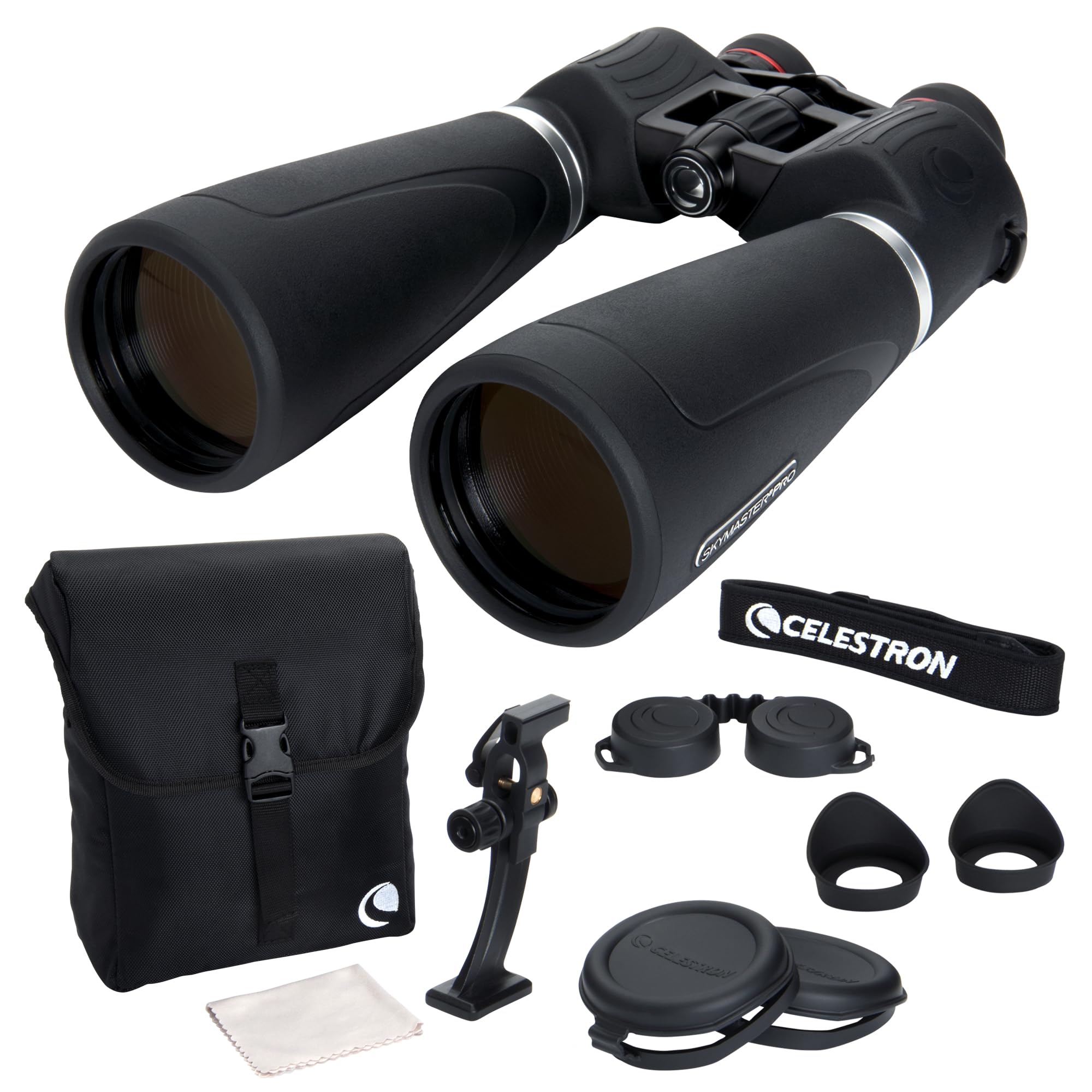


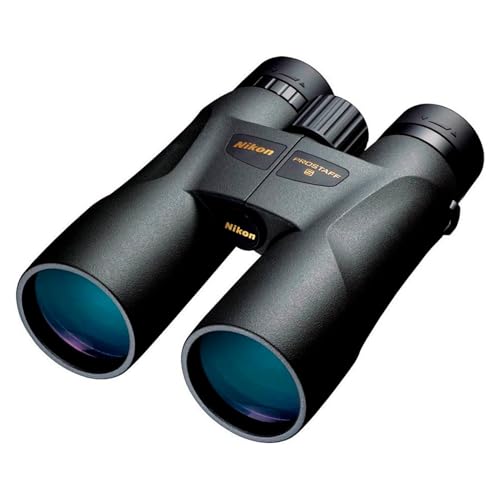


Who Should Buy Which Binoculars for Stargazing?
Start with your favorite targets and your observing habits. A pair that suits a quick look from the porch differs from one built for an hour on a reclining chair.
Moon and Planet Viewers
You want craters along the edge of the shadow, the four bright moons of Jupiter and the shape of Saturn. A pair around 10x50 gives enough power to show these targets while staying bright and hand holdable for short looks. Add a tripod adapter if you plan longer sessions, because planets are small and any shake blurs them.
Star Cluster and Milky Way Fans
You enjoy sweeping across rich star fields, open clusters and the glowing band overhead. A wide field and a bright image matter more than reach, so 7x50 or 8x42 models suit you well. Lower power also keeps the sky background darker and the stars sharper from edge to edge.
Beginners Under Dark Skies
You are new to the hobby and want a pair that makes the first night rewarding. Choose a light, simple 8x42 or 10x50 with smooth focus and comfortable eyecups. A model you enjoy holding gets used every clear night, and that habit teaches you the sky faster than any single feature.
Key Features to Compare
Compare these factors in order. A strong score on the first two matters more than any extra on the rest.
Aperture and Exit Pupil
The second number in a size such as 10x50 is the front lens width in millimeters, and it sets how much starlight the pair collects. Divide that number by the magnification to get the exit pupil, the beam of light that reaches your eye. A 7x50 gives about 7.1 mm and a 10x50 gives 5 mm, and a figure of 4 mm or more keeps the view bright once your eyes adapt to the dark.
Magnification and Steadiness
Magnification tells you how much closer a target looks, but it also magnifies your hand shake. Most people hold 7x to 10x steady enough for pleasant handheld viewing. At 12x and above the image starts to swim, and from about 15x a tripod or a firm rest becomes close to essential. Giant models with 70 mm or 80 mm lenses show fainter objects, yet they are heavy and belong on a mount.
Field of View
Field of view is the width of sky you see at once, often given in degrees. A wide field of about 6 to 7 degrees makes it easy to find a target and frames big star clusters in one view. Higher power narrows the field, so expect less sky per look as the number climbs.
Eye Relief and Comfort
Eye relief is the distance your eye can sit behind the eyepiece and still see the whole picture. Glasses wearers should look for about 15 mm or more, with twist up eyecups that hold their position. A smooth center focus wheel that turns evenly with cold fingers also helps, since you refocus often as you change targets.
Tripod Mounting and Weight
A full size pair weighs about 24 to 40 ounces, and holding it up toward the zenith tires your arms fast. Many models hide a threaded socket under a cap on the front hinge, which accepts a simple tripod adapter. A mount lets you stay on a target for minutes and shows far more detail than a shaking handheld view. A reclining chair that supports your elbows is a cheaper alternative.
Coatings and Prisms
Fully multi coated lenses and BaK 4 prisms keep stars crisp and the background dark. Poor coatings scatter light and wash out faint targets, which matters most under a dark sky. Look for wording that names both, because vague claims often hide basic glass.
Best Binoculars Stargazing by Budget
Spending more mainly buys better coatings, sharper edges and a sturdier build rather than a different kind of view. Set a budget from the tiers below before you compare models. If you want to keep costs low, see our guide to the best budget binoculars for stargazing.
About $40 to $120: Simple Wide Field Views
Entry pairs such as 7x50 and 10x50 porro prism models show the Moon, bright planets and the larger star clusters well. Coatings are basic and the edges soften, but the large lenses still deliver a satisfying night sky. This tier suits families and first time observers.
About $120 to $300: Better Glass and Giant Options
This range brings fully multi coated optics, sharper stars and tripod ready giants in sizes like 15x70 and 20x80. It is the sweet spot for most hobbyists who observe weekly. For a closer look at the most popular size, read our guide to the best 10x50 binoculars for stargazing.
Above About $300: Sharp Edges and Rugged Build
Higher spending adds flatter fields, better sealing against dew and a more precise focus feel. Brand lines from makers such as Nikon cover this tier, and our guide to the best nikon binoculars for stargazing compares what that name offers. Choose this tier if you observe often and want one pair for the sky and for daytime nature trips.
Common Mistakes to Avoid
- Choosing the highest magnification on the box makes the image dim and shaky, so you see less than with a modest pair.
- Ignoring exit pupil leaves you with a dull view once your eyes adapt to the dark.
- Buying a giant pair without a mount turns every session into an arm workout that ends within minutes.
- Trusting zoom claims on cheap listings often brings soft, dim glass with numbers printed to impress.
- Skipping the glasses fit check cuts off the edge of the view and hides faint stars.
- Observing from a bright backyard lamp reduces contrast, so move to the darkest corner you can reach.
Care and Setup for Night Viewing
Let the pair adjust to outdoor temperature before you start, because a warm pair fogs quickly in cool night air. Set the diopter once in daylight, then use the center wheel alone at night. Clean the lenses only when needed, with a blower first and a lens cloth after, never your shirt.
Dew is the main enemy on clear nights. Leave the pair uncapped in a warm room afterward so moisture can dry, then store it with the caps on in a dry padded bag. Check the strap and hinge each season. For comparing power levels, our guide to the best magnification binoculars for stargazing adds more detail.
FAQ
What can I see with stargazing binoculars?
You can see the craters of the Moon, the moons of Jupiter, the phases of Venus, many star clusters and rich star fields in the Milky Way. Faint galaxies need very dark skies and larger lenses. The bright Orion Nebula and the Pleiades are friendly first targets that show up even from a modest suburban yard.
Is higher magnification better for stars?
No, not usually. Higher magnification dims the image and amplifies hand shake, and stars stay points of light at any power. A balanced 7x to 10x pair with a large front lens shows more sky detail than a shaky high power pair held in your hands.
Do I need a tripod for stargazing with binoculars?
A tripod helps a lot for pairs above about 12x and for sessions longer than a few minutes. Smaller 7x50 and 8x42 models work well handheld, especially when you sit and rest your elbows on a chair or a fence. A simple adapter costs little and turns most full size pairs into a steady mounted setup.
Can I use stargazing binoculars in the daytime?
Yes, they work for birds, scenery and sports too. Large lens models are heavier than travel pairs, so they suit a car or a fixed viewing spot better than a long hike. An 8x42 is the usual compromise if one pair must serve both day and night.
How much should I spend on a first pair?
About $60 to $150 buys a solid first pair of 10x50 binoculars with good coatings. Spending less often means dim glass and loose focus wheels. Keep a little budget for a tripod adapter or a padded case if you plan to observe often.
Final Thoughts
Match the lens size and power to how you observe, keep the view wide and bright, and plan for steady support if you want more power. Check eye relief, weight and sealing, then compare your shortlist in the product table above.
Chosen that way, the best binoculars stargazing sessions rely on become a pair you reach for on every clear night, ready for the Moon, the planets and the long glow of the Milky Way.


