Best Budget Binoculars for Safari for 2026: Matching the Right Model to Your Routine
Disclosure: We may earn a commission when you buy through links on this page, at no extra cost to you. As an Amazon Associate I earn from qualifying purchases. Learn more
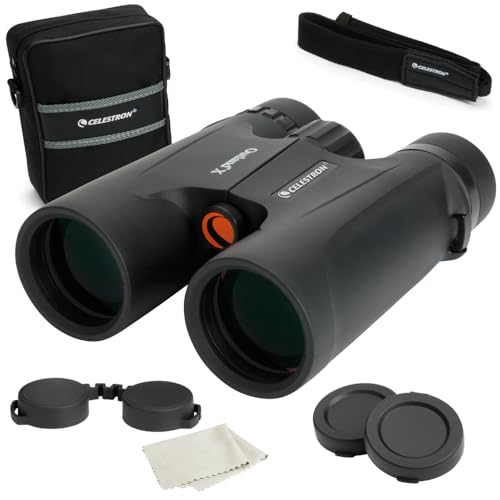
Choose the best budget binoculars for safari by matching power, field of view and sealing to your trip, whether on game drives or walking safaris.
Choosing binoculars for a safari is less about chasing the highest numbers and more about matching a pair to how you will watch wildlife. The best budget binoculars for safari balance steady magnification, a bright view at dawn, and a build that tolerates dust and bumpy roads. A pair that feels comfortable in your hands will get used far more than a heavier pair left back at the lodge.
Think first about your days in the field. Vehicle safaris call for quick handling as animals move, while walking safaris reward a lighter pair and a wider view. This guide covers user types, key specs, and budget trade offs, and the comparison table below gathers the options together.





Who Should Buy Which Binoculars for Safari?
For First Time Safari Guests on Guided Vehicle Drives
You will view most animals from a stopped vehicle, often at 30 to 100 yards, with a guide pointing out movement in grass or shade. Prioritize an 8 by 42 or 10 by 42 pair, simple center focus, and a case that opens quickly and quietly. You do not need extreme magnification, because the vehicle can usually move for a better angle.
For Travelers on Walking Safaris and Bird Focused Tours
Walking changes the priorities. You carry the binoculars for hours in heat, so a compact or mid size pair under about 24 ounces reduces neck strain. A wide field of view helps you find small birds in branches, and close focus of about 6 to 8 feet helps with butterflies and nearby detail. If birds are a main interest, see our guide to the best budget binoculars for birding for more on that style of viewing.
For Families and Groups Sharing One Pair of Binoculars
A shared pair needs to suit different eyes and hands without constant fuss. Look for a focus wheel that turns easily, eyecups that twist up and down for use with or without glasses, and a diopter dial that stays put once set. A bright 8 by 42 view is usually the most forgiving choice for mixed ages, because it is steadier than 10 power for new users.
Key Features to Compare
Magnification and Objective Lens Size for Safari Viewing
The first number in a spec like 8 by 42 is magnification, and the second is the width of the front lenses in millimeters. An 8 power view is easier to hold steady at a first lion sighting. A 10 power view shows more detail on distant animals, but it magnifies hand shake and narrows what you can see. A 42 millimeter front lens gathers more light than a 25 millimeter lens, which matters most at dawn and dusk.
Field of View for Tracking Moving Animals
Field of view tells you how wide a scene you can see at a set distance, often listed as feet at 1,000 yards. A wider view makes it far easier to find an animal after a guide points to a certain tree, and to follow it through brush. This is why many guides favor 8 power over 10 power for general use. When you compare pairs with the same magnification, choose the wider field, because scanning open ground feels less tiring.
Lens Coatings and Glass Quality in Bright Sunlight
Coatings on the lenses and prisms cut glare and help colors stay true in hard midday sun. Look for fully multi coated optics on the spec sheet, and for BaK 4 prism glass rather than the lower grade BK 7 found on the cheapest pairs. Better glass gives a sharper view, so stripes and feather detail stand out against dry grass. At budget prices this is worth prioritizing, because poor coatings make even strong magnification look flat.
Weather Sealing and Toughness for Dust and Heat
Safari conditions are dusty, bright, and sometimes wet, so weatherproof sealing is not a luxury extra. Waterproof construction with internal fog proofing, usually from nitrogen filling, keeps the view clear when you move from a cool vehicle into warm air. A rubber armored body improves grip with sunscreen on your hands and softens knocks against a seat frame. Sealed pairs also keep fine dust off the inner lenses.
Eye Relief, Weight, and Comfort During Long Viewing
Eye relief is the distance your eye can sit from the rear lens while still seeing the whole picture, and glasses wearers usually need about 15 millimeters or more. Without enough relief, the edges turn black and you miss animals at the side of the scene. Weight matters just as much over a three hour drive. A full size pair around 24 to 28 ounces suits most adults, while a heavier pair can ache by midday.
What You Can Realistically Get on a Budget
For about $80 to $200 you can expect sound 8 by 42 or 10 by 42 optics, decent coatings, and proper weather sealing. What you give up is the finest edge sharpness, the widest fields, and premium glass that reduces color fringing on bright edges. Skip zoom binoculars and built in cameras, because both add complexity and dim the view. For value options beyond safari use, see our guide to the best budget binoculars.
Choosing Between Full Size, Mid Size, and Compact Safari Binoculars
Full size 42 millimeter binoculars give the brightest view at dawn and dusk, when many animals are most active, and they suit vehicle based trips well. Mid size 32 millimeter pairs cut weight and bulk while keeping a useful daylight view. Compact 25 millimeter pairs pack into a jacket pocket for walking, but their small front lenses look dimmer as light fades.
That trade off sits at the heart of choosing the best budget binoculars for safari for your own trip. Match the size to your itinerary rather than to a single best spec. A trip built around game drives rewards the full size choice, while a tour mixing walks and flights rewards the smaller one. If your route centers on East or Southern Africa, see our guide to the best binoculars for african safari. For a step up in glass quality, see our guide to the best safari binoculars.
Common Mistakes to Avoid When Buying Binoculars
- Choosing 12 power or higher for extra reach leaves a shaky, narrow view that makes animals harder to find.
- Buying zoom binoculars for flexibility usually gives a dimmer, softer picture than a fixed power pair at the same price.
- Ignoring eye relief as a glasses wearer cuts off the edges of the view, so you miss movement at the sides of a scene.
- Saving money by skipping weather sealing lets dust and moisture inside, where a simple wipe cannot fix the damage.
- Judging brightness by magnification alone leads to disappointment at dusk, because a small front lens gathers too little light.
Setup and Care Tips for Safari Binoculars
Set a new pair up before you travel. Bend the barrels until you see one clean circle instead of two overlapping ones, then set the diopter once by focusing each eye in turn following the maker directions, and leave that dial alone. Twist the eyecups down if you wear glasses and up if you do not.
For care, blow or brush loose grit off the lenses first, then wipe gently with a clean lens cloth, never your shirt, because trapped dust can scratch coatings. Keep caps on between drives, store the pair in a dry padded bag, and avoid leaving binoculars on a hot dashboard.
Binoculars for Safari: Your Questions Answered
What features matter most in binoculars for safari on a budget?
Start with steady magnification, honest coatings, and proper sealing, in that order. A useful extra check is the minimum focus distance on the box, because pairs that focus down to about 6 feet also double nicely for camp birds and insects. Spend first on the optics you look through every minute, and last on extras like fancy cases that do not change the view.
Is a smartphone camera enough instead of binoculars on a safari?
No, a smartphone camera is not enough on its own for most wildlife viewing on safari. Phone zoom crops and enlarges a small image, so distant animals look grainy, and a bright screen is hard to read in strong sun. Binoculars also let both eyes relax during long waits at a waterhole. Use the phone for wide scenes of nearby animals, and the binoculars for animals farther away.
Which safari binoculars are better for low light viewing at dawn?
A full size 8 by 42 pair is usually better for low light viewing at dawn than a compact or higher power pair. Its larger exit pupil, the width of the light beam reaching your eye, stays comfortable as your pupils widen in dim light. One point many buyers miss is that your eyes need a few minutes to adapt after leaving a lit lodge, so step into the dark early before judging any pair.
What does 8x42 or 10x42 mean on safari binoculars?
On safari binoculars, 8x42 means the view appears eight times closer through front lenses 42 millimeters wide, and 10x42 means ten times closer through the same size lenses. A simple home test helps you feel the difference. Aim at a fixed point across the yard with each power, and notice how much the image moves with your hands. That test predicts which power you will enjoy more from a bouncing vehicle seat.
What specs matter most for beginners buying safari binoculars?
For beginners buying safari binoculars, the specs that matter most are 8 power magnification, a 42 millimeter front lens, and a field of view wide enough to find animals quickly. Add one practical check many guides suggest. Practice raising the pair straight to your eyes while looking at a bird, without glancing down first, because that habit saves seconds when a guide calls out a sighting.
Final Thoughts
For most travelers, an 8 by 42 pair with good coatings, a wide field, and full weather sealing covers safari viewing with the fewest compromises. Choose 10 power only if distant detail matters more than steadiness, and a smaller size only if walking truly demands it. Match the pair to your itinerary, and your best budget binoculars for safari will earn their place in your day bag. Compare your shortlist in the product table above before you order.