
Best Binoculars for Safari: A Buyer Checklist for 2026
Disclosure: We may earn a commission when you buy through links on this page, at no extra cost to you. As an Amazon Associate I earn from qualifying purchases. Learn more

The best binoculars for safari balance magnification, dawn light, dust sealing and weight; use this checklist to match them to your trip.
A safari asks more of a binocular than a walk in the park does. Animals are watched at a distance, the best viewing happens in dim early light, and the whole day runs on dust, heat, and rough tracks. This guide builds a checklist for choosing the best binoculars for safari trips, and it starts where the viewing starts: with range, because the magnification you choose shapes everything else about the pair you carry.
Work through the sections in order and tick each item against your own trip. The product table sets the main options side by side, and the checklist turns the specifications into plain yes or no questions you can answer in a shop or on a product page.
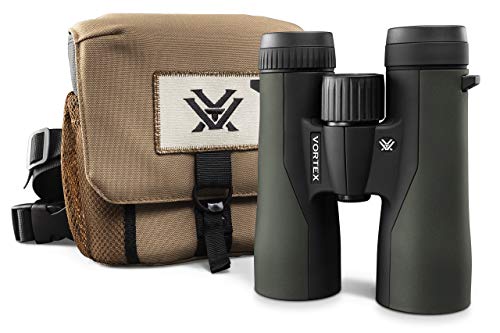


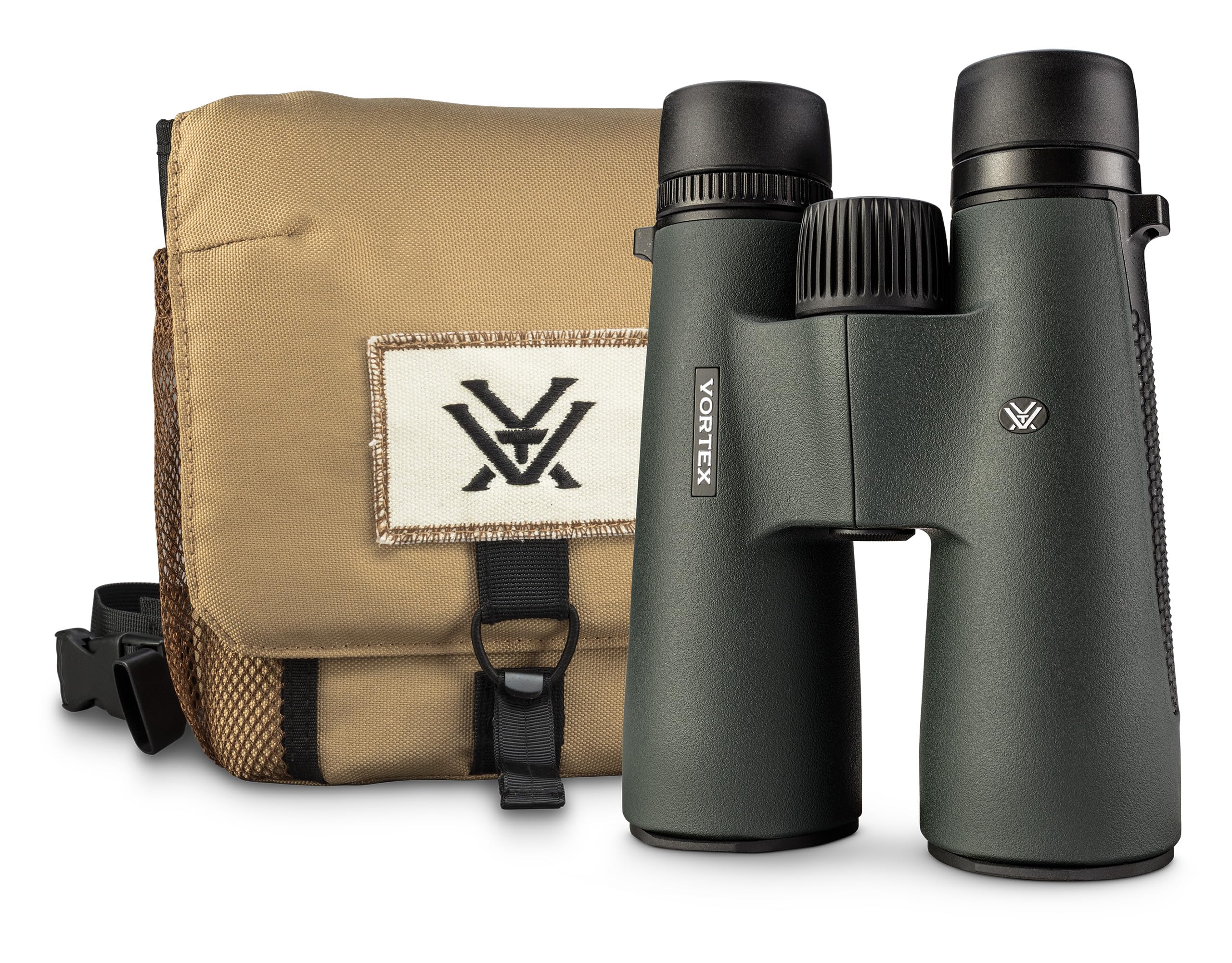
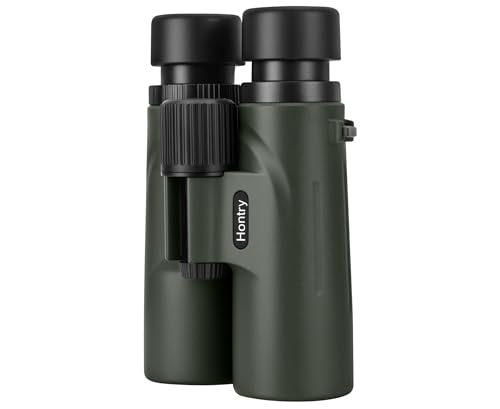
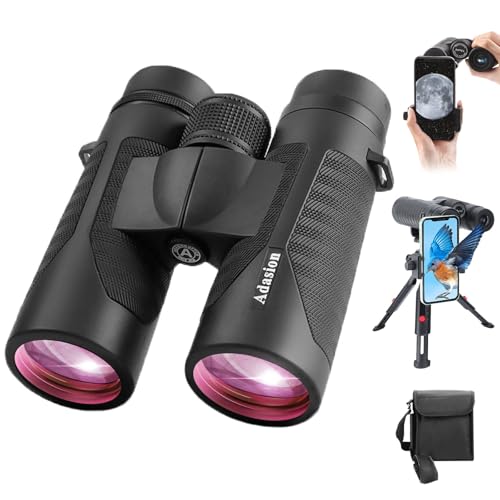
The Range Question Comes First
Safari animals are watched at range: a lion under a tree across a clearing, elephants moving along a river line, a leopard that is mostly a shape in the grass. That distance is why magnification tempts buyers upward, and why the trade behind it needs stating plainly before anything else.
Magnification Against Field of View
Magnification and field of view pull against each other, and that trade is the first fact of safari optics. A 10x binocular brings the animal closer, but the picture is narrower, so a moving animal leaves the frame sooner and hand shake shows more. An 8x binocular shows a wider scene, holds steadier, and makes it easier to find the animal again after you lower the pair. Most guides and experienced travellers settle at 8x or 10x for vehicle based viewing, and treat anything stronger as a specialist choice.
How Far Animals Really Are
In practice, your guide does much of the range work for you, positioning the vehicle where animals can be watched without disturbing them. Typical viewing sits between about 20 and 100 metres, close enough that finding the animal in the frame matters as much as raw power. Very long views across open plains do happen, usually for rhino or buffalo herds, and there the limit is often heat shimmer rather than magnification. A steadier, wider picture beats a closer, wobbling one in those conditions, and readers comparing pairs purely by viewing style will also find the guide to best binoculars for safari viewing a helpful side reference.
The Best Binoculars for Safari Checklist
Run these questions against any pair you are considering. A pair that answers yes to nearly all of them will serve you well in the field, whatever its price band.
- Is the magnification 8x or 10x, rather than a higher figure that will shake and narrow the view?
- Is the objective lens around 42 mm, so dawn and dusk viewing stays bright enough?
- Is the body sealed against dust and rain, with fog resistant optics for cold mornings?
- Can you hold the weight comfortably at eye level for several minutes at a time?
- Does the focus wheel turn smoothly with one finger while you keep your eyes on the animal?
- Is the eye relief long enough if you wear glasses, with eye cups that stay where you set them?
- Does the close focus let you watch birds, insects, and plants near the vehicle as well?
- Is the warranty long enough to cover the trip and the years of use after it?
The Specs Behind the Checklist
Each checklist item rests on a specification, and these are the ones worth understanding before you compare prices.
Objective Lens Size and Dawn Light
The second number in a binocular name is the objective lens size in millimetres, and it decides how much light the pair gathers. Dawn and dusk are the active hours on safari, when predators move and the light is weakest, so lens size decides the dim light picture more than any other figure. A 42 mm lens is the common full size choice, gathering enough light for a bright early morning view. Dividing the lens size by the magnification gives the exit pupil: about 5.3 mm for an 8x42 and about 4.2 mm for a 10x42, which is why the 8x42 looks brighter in low light.
Coatings and Glass Quality
Glass quality and lens coatings decide how much of that gathered light reaches your eyes and how true the colours look. Better coated optics show a leopard in shade with more contrast, where a cheaper pair turns the same scene flat and grey. This is the hardest quality to judge from a specification list, and it is the main reason two binoculars with identical numbers can differ so much in price. Judge it in person if you can, looking into shadow rather than at a bright shop wall.
Focus Wheel and Close Focus
You focus constantly on safari, shifting from a herd at distance to a bird in the nearest bush, so the wheel should move smoothly without stiffness or slack. A central wheel you can turn with one fingertip keeps the other hand free for the camera or the seat rail. Close focus, the nearest distance the pair can focus on, matters more than buyers expect: dragonflies, frogs, and flowers near the track are part of the trip. A close focus of about two metres or less keeps those small subjects in play.
Eye Relief and Use With Glasses
Eye relief is the distance your eye can sit from the lens and still see the whole picture, and it decides comfort for glasses wearers. Sunglasses stay on through much of a safari day, so look for longer eye relief, roughly 15 mm or more, and eye cups that twist or fold to a setting that holds. Short eye relief cuts the edges of the view when glasses are worn, which feels like looking through a tunnel. Try this in the shop with your own glasses if you can.
Built for Dust, Heat, and Bumpy Tracks
A safari binocular works in a hard environment for days at a time. These build points protect the optics you paid for.
Sealing and Fog Resistance
A sealed class of binocular is a field fact, not a luxury: sealing keeps dust out of the focus mechanism and rain out of the barrels. Fog resistant models are filled with dry gas so the inside lenses do not mist when you step from an air conditioned lodge into warm morning air. Dust is the constant enemy, settling on lenses at every stop and working into any gap it can find. Choose sealed construction even for a dry season trip, because the same seals that stop water also stop grit.
Armor, Weight, and the All Day Carry
The binocular hangs all day: around your neck in the vehicle, raised and lowered hundreds of times, and carried on any walking section of the trip. Weight is a comfort fact, and a pair that feels fine for a minute in a shop can ache by the third hour around your neck. Rubber armor earns its place by absorbing the knocks of vehicle doors, seat frames, and other gear. If your trip mixes game drives with long flights and walks between camps, the packing case for the pair matters too, and the guide to best travel binoculars for safari covers the lighter, packable end of this market.
The Case and Strap: Small Parts, Big Difference
The case and strap decide whether the binocular is protected during the hours it is not at your eyes. A padded case that opens quietly and clips shut keeps dust off during drives, when an open case fills with grit at every stop. A wide strap spreads the weight across your neck and shoulders, while a thin cord digs in by midday. Some travellers prefer a chest harness, which holds the pair against the body and stops it swinging when you climb in and out of the vehicle.
Price Bands and What They Buy
The product table groups the main options by price, and the bands below explain the differences you actually see through the lenses. Prices are approximate, since listings change through the year.
Entry level pairs at under $150 cover the basics honestly: sound 8x42 or 10x42 optics, basic sealing on some models, and a picture that is perfectly serviceable in good light. The compromises show at dawn and dusk, where the image dims and loses contrast sooner. For a single trip with modest expectations, this band is a rational place to start.
The middle band, about $150 to $400, buys the biggest step: better coatings, brighter low light performance, smoother focus, and sealing as standard. Most travellers should shop here, because the gains appear in exactly the conditions safari creates. The pair you buy at this level will also serve for years of birding and travel afterwards.
Upper band pairs at about $400 to $900 refine the same formula with the finest glass, the widest fields of view, and build quality that shrugs off decades of field use. The step up from the middle band is real but smaller than the step into it. Spend here if optics are a long term hobby rather than a one trip purchase.
Regional Checks Worth Adding
The checklist above travels anywhere, but each region adds its own conditions. Readers planning a continent focused trip will also find the regional guide to best binoculars for african safari useful alongside this one.
Best Binoculars for Safari Africa
A trip in this region adds three checks to the standard list, and the first is midday heat shimmer over open plains, which argues for the steadier 8x picture on long views. Second, dry season dust is relentless, so sealing and a case that truly closes matter even more than rain protection. Third, the light is fierce at midday, and good coatings earn their keep by holding contrast when an animal stands half in glare and half in shade. None of this changes the core numbers; it sharpens how you weigh them.
Red Flags to Watch For
- Huge magnification claims, such as 20x or more in a handheld pair, which promise power you cannot hold steady.
- No mention of sealing or fog resistance anywhere in the description of a field binocular.
- Night vision or military grade language used for an ordinary daylight binocular.
- A very short warranty on a product meant to survive years of travel and rough handling.
- Weight and lens size missing from the specifications, which usually means neither flatters the product.
Care Tips for Field Use
- Clean lenses with a proper cloth or blower, never a shirt corner, since dust on fabric scratches coatings.
- Keep the pair in its closed case whenever the vehicle is moving through dust.
- Rest the strap around your neck or use a harness, so a sudden stop cannot send the pair to the floor.
- Store the binocular somewhere dry and shaded at the lodge, out of direct sun on hot afternoons.
Safari Binocular Questions Answered
Is 8x42 or 10x42 better for a safari?
For most travellers, 8x42 is the better safari choice. It gives a wider, steadier, and brighter picture, which suits dawn viewing and animals that move. One point the specifications never mention is the vehicle itself: an idling engine vibrates through the seat and frame, and that tremor is magnified along with the view, so the 10x picture shakes more exactly when you are parked and watching. Choose 10x42 only if your viewing is mostly long distance and from a steady rest.
How much should I spend on binoculars for one safari trip?
Plan on about $150 to $400 for a pair that performs well in safari light. Below that band the picture dims early at dawn, and above it the gains shrink for a single trip. Consider the afterlife of the purchase before deciding: a solid middle band pair will serve for birding, travel, and sport for years, which changes the value calculation. Renting is an option in some safari towns, but availability and quality vary, so buying remains the safer plan.
Do safari binoculars need to be waterproof in the dry season?
Yes, sealed binoculars are worth having even when no rain is forecast. The same seals that keep water out also keep fine dust out of the focus wheel and the internal optics, and dry season dust is constant on game drives. Sealed and gas filled models also resist the internal fogging that happens when you move between cool rooms and warm outdoor air. Waterproofing on a safari pair is really dust proofing and fog proofing by another name.
Should two people share one pair of binoculars on safari?
Sharing one pair works, but each person having a pair is far better. Safari sightings are often brief: an animal crosses a clearing, a bird lands and leaves, and the seconds spent passing a binocular back and forth are the seconds the moment lasts. A workable compromise is one good pair for the keener watcher and a modest pair for the second person. That way nobody watches the highlight of the day with the naked eye.
Can I use safari binoculars for birding at home afterwards?
Yes, a safari binocular is an excellent birding binocular, since the same qualities serve both: a wide field, fast focus, and a bright picture in poor light. The close focus you chose for insects near the track turns out to suit garden birds and butterflies just as well. The pair will also handle stargazing on clear nights better than most people expect. Buy with those later uses in mind and the purchase keeps paying for itself.
Final Thoughts
Keep the order this checklist used: settle the magnification against field of view, check the dawn light numbers, then confirm the sealing, weight, and case that protect the optics all day. The product table gathers those trade offs by type and price band. Follow that order and the best binoculars for safari trips on your list will narrow to the pair that fits your vehicle, your light, and your neck, which is what a field tool has to do.


