Best Budget Beds: A First Time Buyer's Guide for 2026
Disclosure: We may earn a commission when you buy through links on this page, at no extra cost to you. As an Amazon Associate I earn from qualifying purchases. Learn more

Shopping for budget beds for the first time? Learn bed types, sizes, support and frame basics, compare costs, and avoid common mistakes with this clear guide.
Shopping for best budget beds for the first time can feel overwhelming, because beds differ in size, frame style, support and assembly, and the price range is wide. A low price does not have to mean poor sleep, but it does mean you need to know where to save and where not to cut corners. The comparison table below gives you a clear starting point before you compare options in detail.
This guide starts with the basics, explains the key specs in plain English, and flags the mistakes first time buyers make most often. By the end, you should be able to match a bed to your room, your sleep habits and your budget, and to spot a weak frame or a poor support system before you order.


Beds 101: The Basics
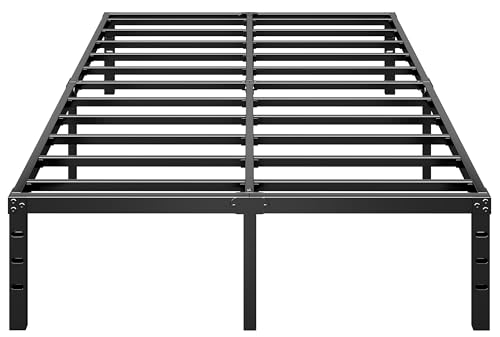
A bed is more than a mattress. It is a system made up of a frame, a support surface and, in many cases, a headboard. The frame holds everything together and sets the height, while the support surface, which may be slats, a solid platform or a box spring, holds the mattress evenly and affects how firm the bed feels. The headboard is optional, but it can add comfort for reading and protect the wall.
Bed sizes follow standard names, and the most common are twin, full, queen and king. A twin suits one sleeper in a small room, while a queen suits couples and larger rooms. Measure your room before you shop, and leave space to walk around the bed and open doors and drawers. Also check the ceiling height if you plan to use a tall headboard or a loft style frame.
Key Specs Explained in Plain English
The specs below look technical at first, but each one answers a simple question: will this bed fit your room, support your mattress, last well and stay within budget? Read them in order, and note the points that matter most for your situation. A bed that scores well on every spec is rare at a budget price, so focus on the specs that affect sleep and safety first.
What You Can Realistically Get on a Budget
On a budget, expect a simple metal or wood frame, a slatted support system and a basic finish. You can still get a sturdy bed, but you may give up extras such as built in storage, a tall upholstered headboard or a premium finish. A realistic budget frame costs about $100 to $300, while a frame with storage or a solid wood build often costs more.
Do not save money on support or joints. A frame with weak slats or loose joints will sag, creak and wear out a mattress faster. Spend your budget on a solid frame and a good support system first, and treat extras such as a headboard as optional. If a bed looks stylish but the support details are vague, ask for the slat spacing and the weight limit before buying.
Intended Use and Who It's For
Start by naming who will use the bed and how. A guest room bed needs to be easy to assemble and comfortable for short stays, while a main bedroom bed needs to hold up to nightly use for years. A child bed needs a lower height and sturdy rails, while a bed for a tall sleeper needs enough length and a frame that does not flex at the ends.
Also think about how often the bed will move. A bed for a rented flat or a student room should come apart easily and pack flat. A bed for a long term home can be heavier and more permanent. Matching the bed to its real use avoids paying for features you will never need, and avoids buying a light guest bed for heavy daily use.
Key Performance Specs
The most important performance spec is support. Slats should sit close together, usually no more than about 3 inches apart, so the mattress does not sag between them. A center support leg or rail matters for queen and king sizes, since it stops the middle from dipping. Check the weight limit too, and make sure it covers the mattress plus the sleepers with room to spare.
Frame height affects ease of getting in and out of bed and storage underneath. A lower frame suits children and shorter sleepers, while a higher frame suits taller people and gives more under bed storage. Noise is another practical spec: metal frames can creak if joints loosen, so look for frames with tight fittings and felt pads where parts meet.
Price vs Value
Budget beds usually fall into three price bands. The lowest band, around $100 to $150, covers simple metal frames and basic platform beds. The middle band, around $150 to $300, adds better finishes, sturdier slats and sometimes a headboard. Above that, you move into solid wood frames and beds with storage, which last longer but cost more.
Value means total cost, not just the frame price. Add delivery, assembly time and any extras such as a box spring if the frame needs one. A cheap frame that needs a separate box spring may cost more in total than a platform bed that works without one. Compare like with like, and check what is included in the box before you judge a price.
Ease of Use and Setup
Ease of use starts with assembly. Look for clear instructions, labelled parts and tools included in the box. A good budget bed should take one person about an hour to assemble, or two people less time. Frames with many small parts and vague diagrams take longer and are more likely to end up with loose joints.
Daily use matters too. A bed that is hard to make, hard to clean under, or hard to move for vacuuming becomes a chore. A frame with a simple shape and a reasonable height is easier to live with than a complex design, and easy access to the corners helps when you change bedding often. For bedding basics, see our guide to best bed sheets, which explains sizes and materials in plain terms.
Warranty and Customer Support
Warranty length tells you something about build confidence. Many budget beds offer a one year warranty, while better built frames offer longer cover for the frame itself. Read what the warranty covers: frame breakage is usually covered, while normal wear, stains and misuse are not. Keep the receipt and the assembly guide, since both help if you need to claim.
Customer support matters when parts arrive damaged or missing. Check whether the maker offers spare parts such as slats, bolts and center legs, and how easy it is to contact them. A bed with good parts support can be repaired cheaply, while a bed with no spare parts may need full replacement after a small break. This point matters more for beds you plan to keep for years.
Rookie Mistakes to Avoid
- Buying the wrong size. A bed that is too large crowds the room, while a bed that is too small leaves a tall sleeper with feet over the end. Measure the room and the sleeper before ordering.
- Ignoring slat spacing. Wide slat gaps let a mattress sag and shorten its life. Check the spacing and add a bunkie board if the gaps are too wide for your mattress type.
- Skipping the weight limit. A frame rated below the combined weight of mattress and sleepers will flex and creak. Choose a limit with room to spare.
- Forgetting assembly and delivery. A bed that arrives in a heavy box and needs two people may cost extra for delivery or help. Check the box weight and the assembly time first.
- Choosing looks over support. A stylish frame with weak joints is a poor buy. Judge the frame, slats and center support before the finish or the headboard.
Getting Started: Setup and First Use
Start by clearing the room and laying out all parts on a soft surface so nothing scratches the floor. Read the manual before first use, and check that every bolt, slat and leg is present. Assemble the frame on its side if the instructions suggest it, then tighten joints in stages rather than fully tightening each bolt at once, which can pull the frame out of square.
Once the frame is up, test it before adding the mattress. Press down in the middle and at the corners, and listen for creaks or movement. Tighten any loose joints, add felt pads where metal meets metal, and clean and inspect regularly, especially in the first month as joints settle. If you need a flexible sleep option for guests, see our guide to best air beds, and for extra mattress protection, see our guide to best bed pads, both of which pair well with a simple budget frame.
FAQs
How long does a bed last?
A budget bed usually lasts about five to ten years with nightly use, depending on the frame material and how well it is assembled. Metal frames last well if joints stay tight, while wood frames last well if they are kept dry and not overloaded. A bed used only for guests can last much longer, since it sees less wear. Signs that a bed needs replacing include persistent creaking after tightening, sagging in the middle, cracked slats or joints that no longer hold firm, so regular inspection helps you catch small problems before they become structural.
How do I maintain a bed?
Maintain a bed by tightening joints every few months, checking slats for cracks, and vacuuming dust from under and around the frame. Wipe the frame with a damp cloth and dry it fully, especially for wood frames that can suffer from moisture. Rotate the mattress according to the maker guide, since even wear helps both the mattress and the support system last longer. If a slat cracks, replace it promptly rather than letting the mattress sag over the gap, and keep the bed away from damp walls and direct heat, which can warp wood and weaken finishes.
How much should I spend on a bed?
Spend about $100 to $300 for a solid budget bed frame, and more only if you need storage, solid wood or a larger size. The right amount depends on how long you plan to keep the bed and how heavily it will be used, so a guest bed can sit at the lower end while a main bedroom bed deserves the middle of the range. Add delivery and any extras such as a box spring to the total before comparing prices. A slightly higher price often pays off if it buys closer slats, a center support and a longer warranty.
Are expensive beds worth it?
Expensive beds are worth it when the extra cost buys solid materials, better joinery, built in storage or a design that fits a difficult room. For many sleepers, a well chosen budget bed gives similar comfort, since comfort comes mainly from the mattress and support system, not the frame price. Pay more when you need a bed to last a decade, hold heavy use, or solve a storage problem, while for a short term room or guest space, a budget frame usually gives better value. Compare support and warranty first, and treat luxury finishes as a secondary benefit.
What features matter most when buying beds?
The features that matter most are slat spacing, center support, weight limit, frame height and ease of assembly. Slat spacing and center support decide whether the mattress stays level, while the weight limit decides whether the frame holds up over time. Frame height affects comfort and storage, and easy assembly reduces the risk of loose joints. Headboards, finishes and storage are useful extras, but they should not come before support and build quality, so if a bed scores well on the five core features and fits your room, it is usually a sound buy at a budget price.
Final Thoughts
The best budget bed is the one that fits your room, supports your mattress evenly and holds up to your real use. Focus on slat spacing, center support and weight limit first, then judge height, assembly and warranty. A simple frame that does those things well will serve you better than a stylish frame with weak support.
Measure twice, compare total costs, and check the support details before you order. With those steps done, best budget beds become a straightforward buy, and the product table above is a useful place to review your shortlist once more before you decide.