Best Calming Blankets: Our 2026 Checklist and Buying Guide
Disclosure: We may earn a commission when you buy through links on this page, at no extra cost to you. As an Amazon Associate I earn from qualifying purchases. Learn more
Use a clear checklist to compare the best calming blankets by weight, fabric, fill and care, so you can choose a safer and more comfortable option.
Calming blankets promise a cocooned, settled feeling, but the label covers very different products, from weighted blankets with glass beads to soft breathable throws. This checklist shows you how to judge best calming blankets by weight, fabric, fill and construction, so you can separate a blanket that genuinely helps you unwind from one that is simply heavy and hot.
Use the comparison table below to note weights and sizes, then work through the criteria in order. Weight and safety come first, comfort fabrics second and easy care third, because a blanket you cannot wash or safely use will not stay in your nightly routine for long.




How to Evaluate Calming Blankets
Material and Fill
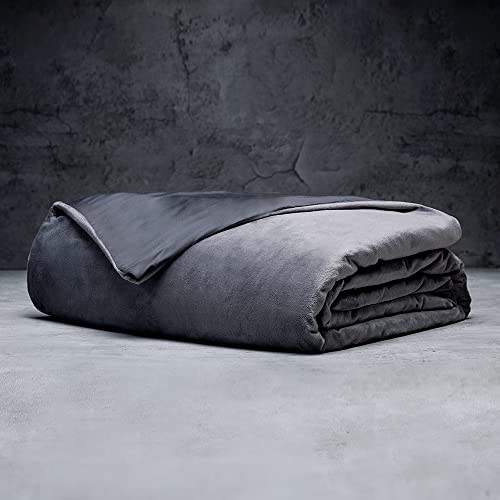
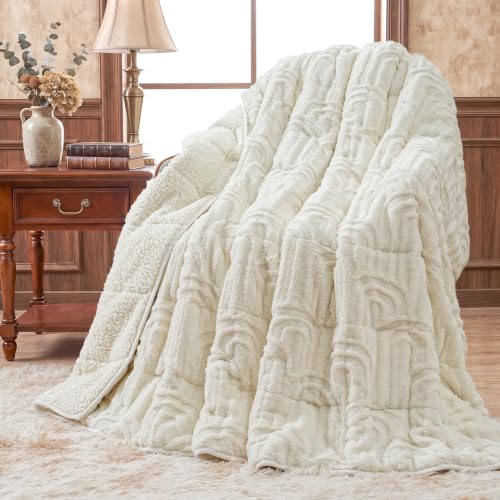
The shell sets how the blanket feels against your skin and how much heat it holds. Cotton feels breathable and washes well, bamboo derived fabrics feel smoother and cooler, and fleece or minky style fabrics feel plush but trap more warmth. Weighted fills include glass beads, plastic pellets and steel shot, often padded with polyester fiber. Glass beads tend to distribute weight in a thinner, quieter layer. Whatever the fill, look for small stitched pockets, because even distribution matters more than the fill material itself.
Weight, Loft and Sleep Position
A common starting point is a blanket around 10 percent of your body weight, then adjust down if you dislike pressure or up slightly if you are a back sleeper who wants a firmer hug. Side sleepers often prefer a little less weight so the blanket does not press the top shoulder down all night. Stomach sleepers usually do best with the lightest options or with a non weighted calming blanket, since extra weight on the back can feel restrictive. Treat the percentage as a starting estimate, not a medical rule, and stop using any blanket that makes breathing feel harder.
Motion Isolation and Noise
If you share a bed, check how the blanket behaves when your partner moves. Bead filled blankets with small quilted pockets shift less and make less rustling noise than loose pellet designs. A weighted blanket sized for one person also isolates motion better than a shared oversized one, because each sleeper can adjust or remove their own blanket. Noise matters more than many buyers expect. A blanket that crinkles or swishes each time you turn can undo the calm it was meant to create.
Durability and Care
Look for double stitched pocket seams, a shell fabric that can handle repeated washing and a duvet cover you can remove and launder on its own. Many weighted blankets over about 20 lb need a commercial size washer or spot cleaning only, so read the care label before you buy rather than after the first spill. A sleep trial or generous return window is valuable here, because weight preference is personal and hard to judge in a store. Keep the packaging until you have slept under the blanket for several nights.
Certifications
OEKO TEX certification indicates the fabric was screened for harmful substances at set limits, which is reassuring for a product used against skin for hours. CertiPUR US applies to foam, so it rarely applies to blankets unless a model includes a foam layer. For any fill, the more useful check is plain disclosure. A maker should state the fill material, the total weight and the pocket construction clearly. Vague claims about therapeutic effects with no material details are a reason to move on.
Size and Fit
A weighted blanket should cover your body, not hang far over the sides of the bed, because overhang pulls the weight off you and onto the mattress. Twin, full, queen and king sizes exist, and a personal throw size suits a sofa or a single sleeper best. Measure your bed and your usual sleeping position before ordering. Couples with different weight preferences usually do better with two smaller blankets than one shared blanket, even though the bed looks less tidy.
Support, Pressure Relief and Comfort
The calming effect people describe comes from even, gentle pressure rather than heavy force in one spot. Even pressure can help you feel settled, while concentrated weight over the chest, neck or feet can feel unpleasant fast. People with back, shoulder or hip pain should pay attention to how the blanket settles into curves, because a stiff, board like blanket bridges over the waist and presses on the ribs instead. If pain is persistent or worsening, a blanket is not a treatment, so talk with your doctor or a qualified clinician about your personal needs.
Three Price Tiers Worth Considering
Balanced Everyday Tier
Around $60 to $120, this tier usually gets you a cotton or cotton blend shell, glass bead fill in quilted pockets and a size that fits one adult well. This is the sensible starting point for most buyers, because construction quality is generally sound and you can learn your weight preference without spending heavily. The usual compromise is a basic cover or none at all, so budget a little more for a removable washable cover.
Value Tier
Under about $60, value blankets cut costs through plastic pellet fill, simpler stitching or thinner shells. They can still work well for trying weighted sleep for the first time or for a guest room. Check pocket size carefully at this tier, because large pockets let fill pool at one end. Also confirm the true total weight, since some listings headline the shipping weight. Our guide to the best quality blankets explains the stitching and fabric signs that separate durable blankets from flimsy ones at any price.
Premium Tier
Above about $120, premium blankets tend to offer cooler fabrics such as linen or quality bamboo derived weaves, finer bead fills that lie flatter, and better finished covers with secure ties or zips. Some use layered designs that let you remove part of the weight. Pay this much only if you sleep hot, share a bed or already know weighted pressure helps you, because the comfort gains are real but gradual. For warmth focused shoppers, our guide to the best heated blanket covers a different route to a cozy bed that should never be combined with a weighted layer unless the maker allows it.
Quick Buyer Checklist
- Is the weight close to a level you can lift, move and reposition easily on your own?
- Does the size cover your body without large overhang pulling it off the bed?
- Are the fill pockets small and stitched on all sides so weight stays even?
- Can you wash the blanket or at least a removable cover in machines you actually have?
- Does the fabric match your temperature, cotton or linen for warm sleepers and plush fabrics for cold rooms?
- Is the fill material named clearly, with no vague or medical sounding claims?
- Does the return window let you sleep under it for at least a few weeks?
- Have you ruled it out for anyone it is unsafe for, including small children and people who cannot remove it alone?
Red Flags to Watch For
Be cautious with listings that promise to treat anxiety, insomnia or any medical condition, because a blanket is a comfort product, not a therapy. Other warning signs include a total weight that is missing or buried, unusually glowing reviews that never mention heat or washing, a warranty of only a few weeks and pocket photos that show fill gathered in corners. Also avoid any seller who suggests weighted blankets for babies or toddlers. Weighted blankets are not safe for infants, and separate guidance exists for the best throws and blankets that suit relaxed adult use on a sofa rather than sleep.
Setup and Care Tips
Lay the blanket flat and shake it out before the first night so the fill settles evenly across the pockets, then give yourself about a week to adjust to the weight. Wash the removable cover with your sheets in warm water and wash the inner blanket only as the label allows, since heavy wet fill can strain home machines. A practical tip is to fold the blanket in thirds on the bed each morning, which keeps fill from migrating to one side over time and makes the bed easier to make.
FAQs
How often should I replace my calming blanket?
Replace a calming blanket when the fill no longer stays evenly spread, when seams start leaking beads or when the shell thins after years of washing, often around three to five years for nightly use. A detail many owners miss is weight drift. If beads have slowly escaped, the blanket may now be several pounds lighter than its label, which changes how it feels and is a clear sign to replace it.
Are cooling calming blankets worth it for hot sleepers?
Yes, if you like pressure but sleep warm, a cooling design with a cotton, linen or bamboo derived shell and a thin bead layer is worth choosing over fleece styles. Cooling here means less heat trapping, not active chilling, so set expectations accordingly. Sleeping with one foot outside the blanket sounds like a joke but genuinely helps many hot sleepers regulate temperature without losing pressure on the rest of the body.
What firmness is best for back pain with a calming blanket?
No firmness level of blanket treats back pain, so choose the lightest weight that still feels settling and avoid pressure that makes it hard to change position. Restriction during the night can leave stiff sleepers feeling worse by morning. If you wake with new numbness, weakness or pain that travels down a leg, stop experimenting with bedding and see a doctor promptly, and ask your clinician what sleep setup fits your condition.
How do I wash calming blankets safely?
Check the weight limit of your washer first, because a water logged weighted blanket can weigh far more than its dry label and can damage a home machine. Wash lighter blankets cold and gentle in a duvet cover or laundry bag, and send heavier ones to a laundromat with large machines. Air drying flat preserves pocket stitching better than tumble drying, though it takes longer, so plan the wash for a morning when the blanket can dry all day.
Is a higher thread count always better in a calming blanket?
No, thread count matters little for most calming blankets, because the shell is often a knit, fleece or loosely woven cooling fabric rather than a fine sheeting cotton. Weave openness, fiber type and whether the fabric pills against pajamas affect comfort far more. If a listing leads with a very high thread count but hides the fill pockets and care limits, treat that as marketing emphasis in the wrong place.
The Bottom Line
Choose weight you can move easily, a fabric that matches your temperature and pockets that keep fill even, and let safety rule out any blanket for children or anyone who cannot remove it alone. Compare the finalists in the product table above against that short list, and the best calming blankets for your routine will be the ones that feel settling night after night and still wash without a struggle. When in doubt about health questions, talk with your clinician about your personal needs before you buy.