Best Brooks Shoes for Shin Splints 2026: Cushioned Options for Runners and Walkers
Disclosure: We may earn a commission when you buy through links on this page, at no extra cost to you. As an Amazon Associate I earn from qualifying purchases. Learn more

Best Brooks shoes for shin splints: cushioned and stability models that soften impact, plus tips on fit, mileage and when to rest.
The best brooks shoes for shin splints are well cushioned models that soften impact and fit securely, because worn out or hard shoes are a common contributor to sore shins. Brooks offers soft neutral trainers and stability shoes, and the table below lists current options. Shoes help with comfort, but they do not treat shin pain, so this guide also covers training habits and warning signs.
Shin splints usually appear as a dull ache along the inner edge of the shin after running or long walks, often when mileage or intensity rises too quickly. Good footwear is one part of the answer, alongside gradual training, rest and sensible surfaces.

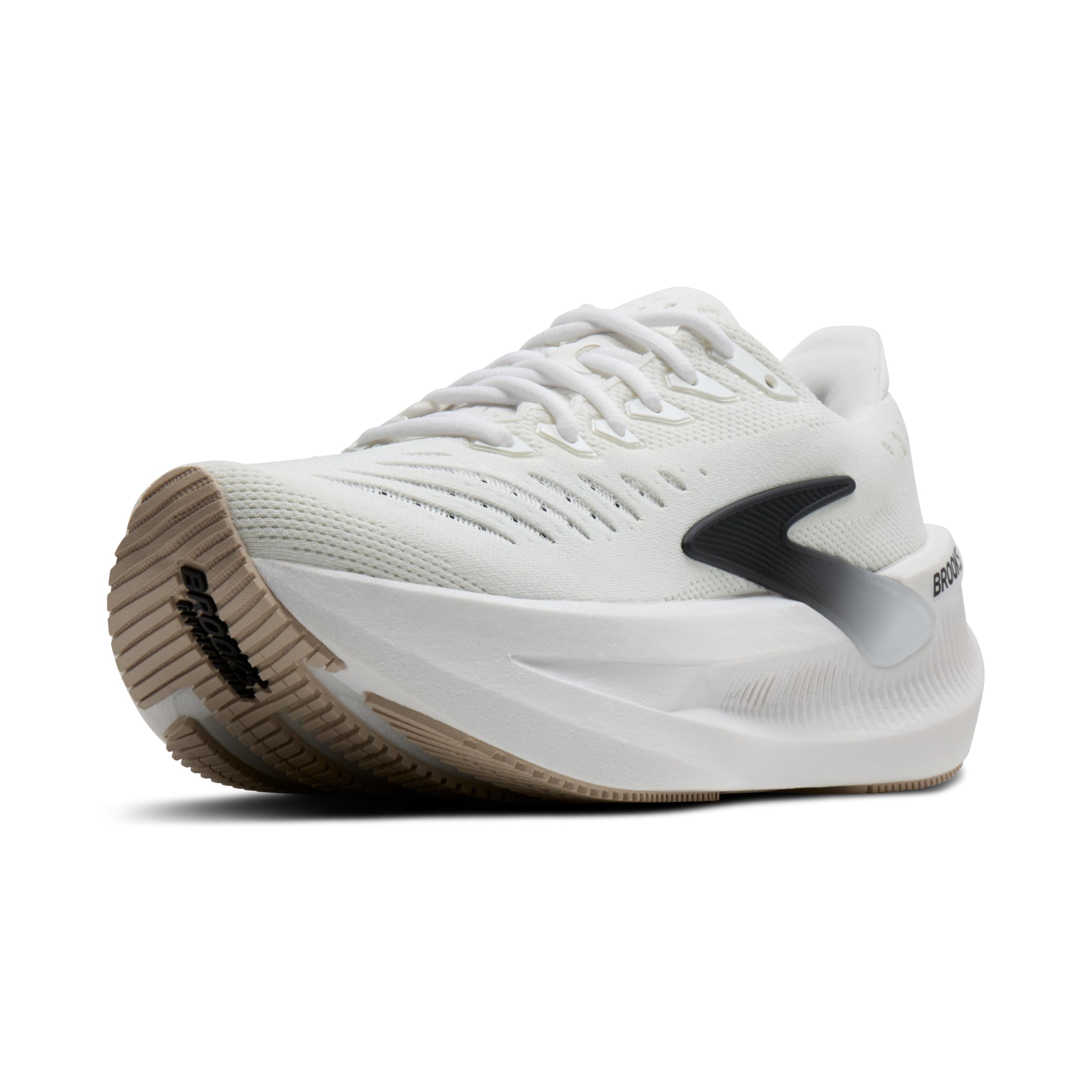
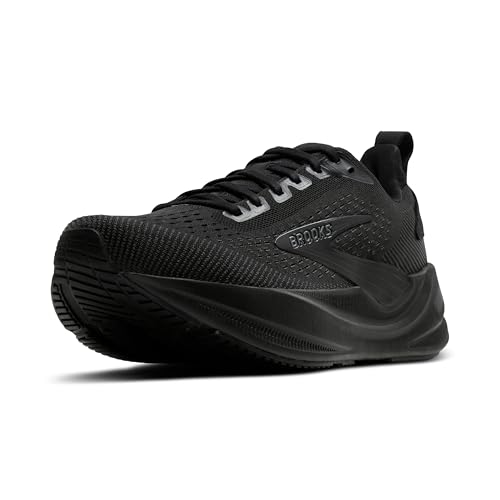

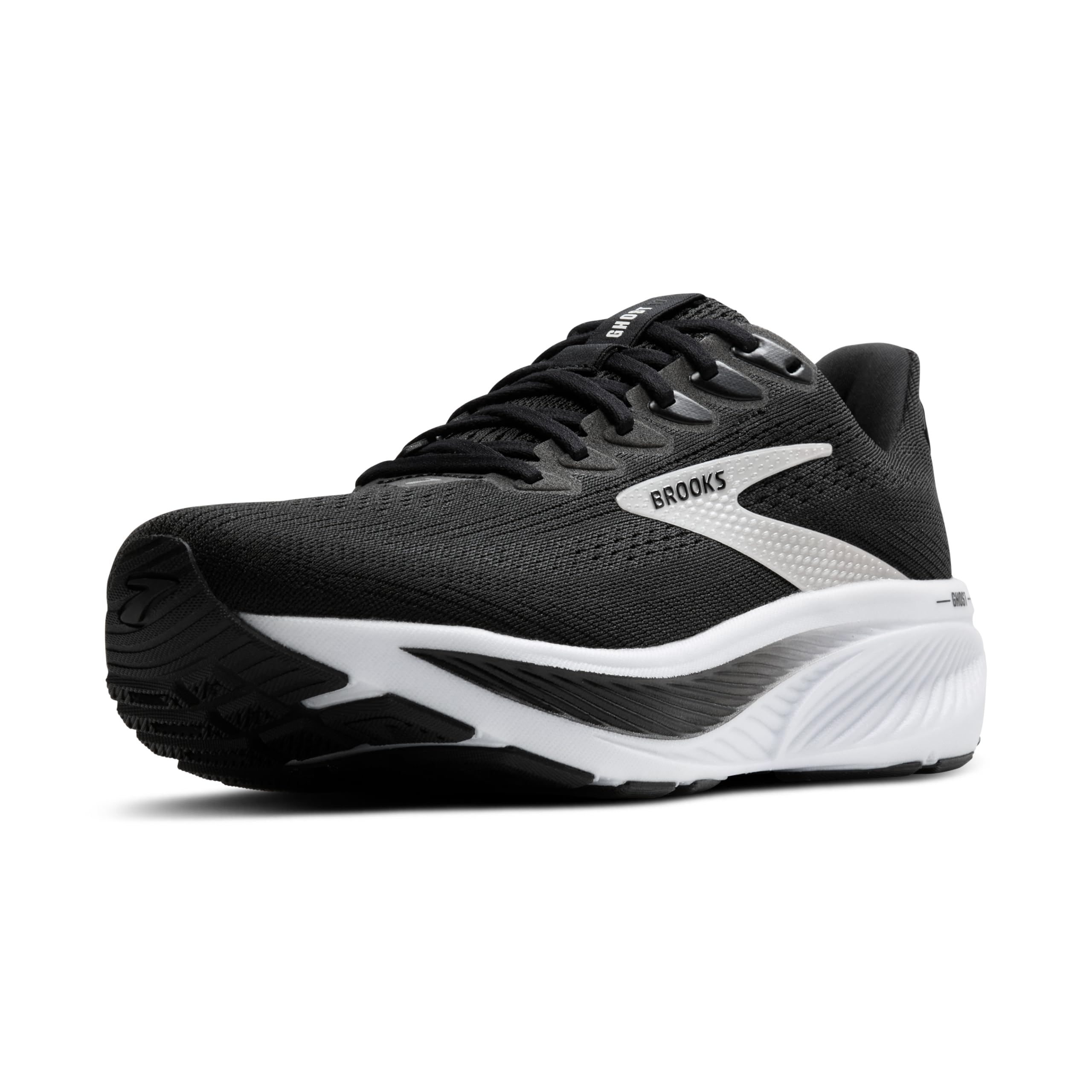
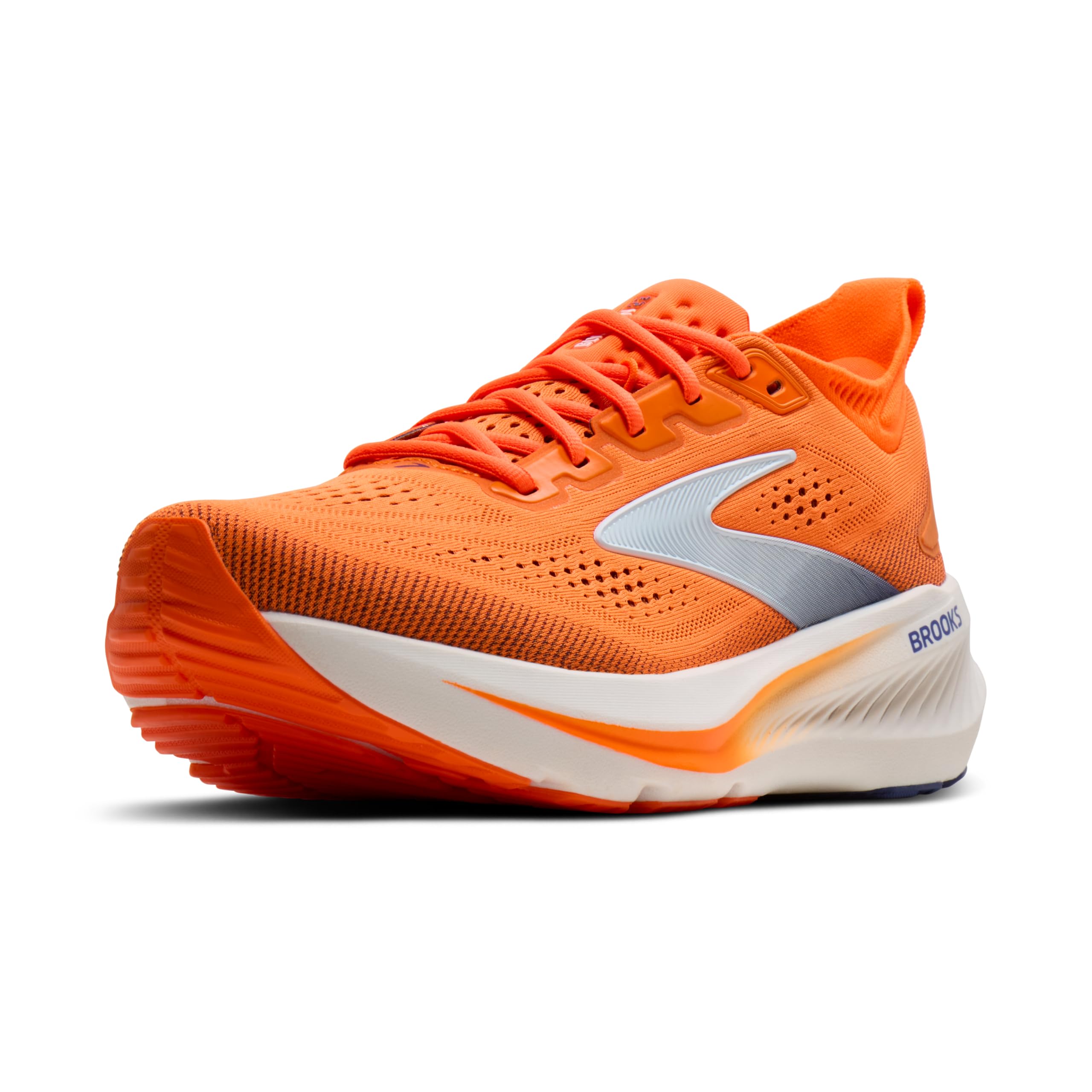
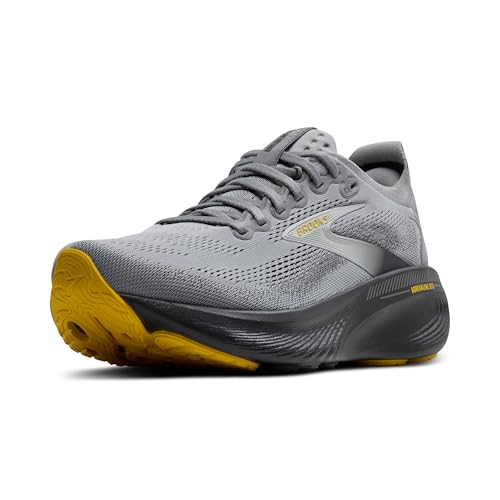

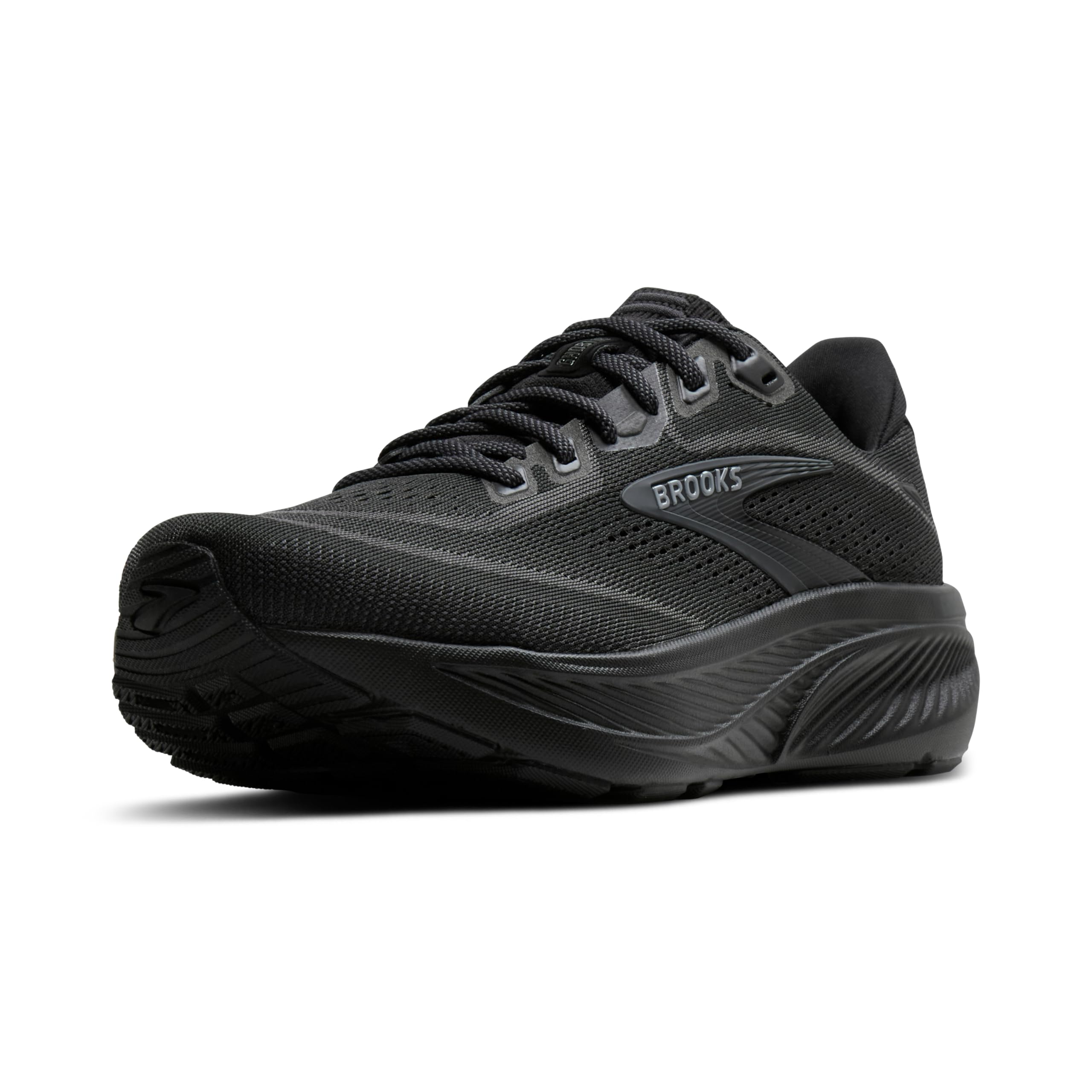
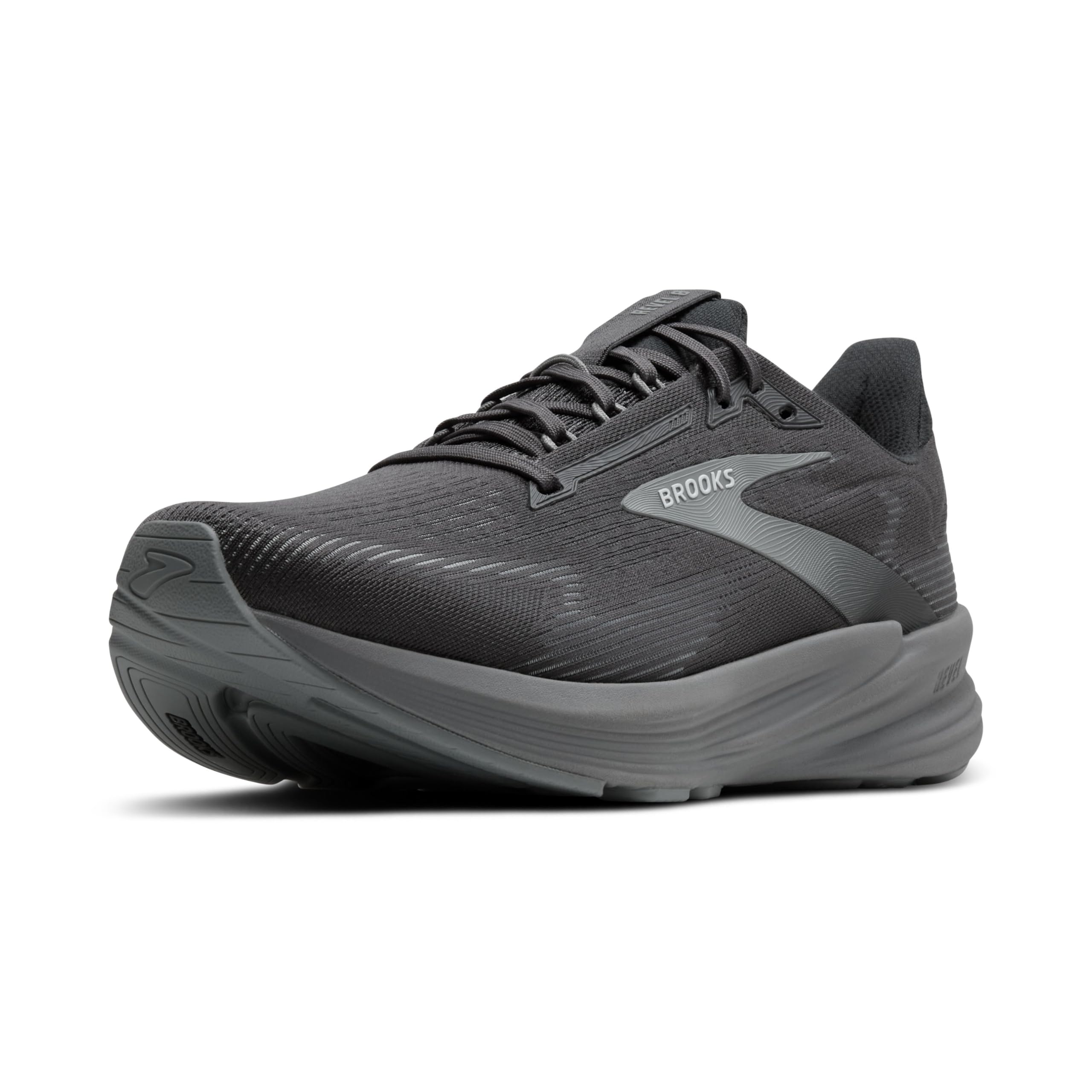
Cushioned and Stability Choices
Neutral cushioned shoes such as the Ghost, Glycerin and Glycerin Max put a lot of foam between your foot and the ground, which lowers the shock that reaches the lower leg. The Ghost Max has a thick midsole and a rocker shape that reduces the work your calves and shins do at toe off.
If your feet roll inward and your shins ache on one side, a stability shoe such as the Adrenaline GTS may help by keeping the foot in line. Start with the lowest level of support that feels comfortable, because too much correction can create new problems.
Key Features to Compare
- Shock absorption: generous foam in the heel and forefoot, with a soft but not mushy landing.
- Stability: guidance if your feet roll in, a neutral shoe if your stride is straight.
- Fit: a secure heel, room for the toes, and a midfoot that does not slide.
- Rocker shape: a curved sole that makes the roll to toe off smoother.
- Fresh foam: older shoes lose cushioning, so check the mileage on your current pair.
Fit and Replacement
Try shoes in the afternoon with your running socks, and walk or jog a few steps to check that the heel stays put. A shoe that is too loose forces the muscles of the lower leg to work harder to hold it on.
Running shoes lose cushioning after about 300 to 500 miles. If your shins started hurting while wearing a high-mileage pair, an old shoe could be a factor. Write down the date you start a pair so you can replace it on time.
Training Habits That Matter
Increase weekly mileage by small steps, mix running with low impact days, and favor softer surfaces such as trails or tracks when your shins are sore. Strengthening the calves and the muscles around the shin, plus a proper warm up, can also help. Ease back into training after pain so you do not overload tissue that is still healing.
Stop running and talk with a doctor if pain is sharp, limited to one spot, swollen, or does not ease with rest. A stress injury needs a professional assessment, and a new pair of shoes will not fix it.
Common Mistakes to Avoid
Running through sharp or worsening pain can turn a short setback into a long layoff. Other common mistakes include doing too much too soon, choosing a shoe only because it is soft, and ignoring the age of the shoes.
Budget and Value
Brooks cushioned shoes cost roughly $65 to $150. The Revel is the lowest priced and suits easy runs and walking, while the Glycerin Max and Ghost Max sit at the top with the thickest cushioning. For many people with sore shins, a midrange Ghost or Adrenaline provides the right mix of comfort and durability. Spending more makes sense if you run often, because the foam stays supportive for longer.
Replacing shoes on schedule is cheaper than dealing with another round of shin pain. Mark the date or the mileage on a note in your phone and review it every month.
Walking and Standing With Sore Shins
Shin pain does not only affect runners. People who walk long distances or stand on hard floors can feel it too, especially after a change of footwear or a new job. A cushioned shoe with a flexible forefoot and a supportive heel often helps. If you work on concrete, a cushioned mat or a rotation of two pairs of shoes can reduce the strain.
When your shins feel sore, switch to low impact activity such as cycling or swimming for a few days, and return to running gradually. Keep the first runs short and flat, and add distance only if the pain stays away.
Warm Up and Recovery
A short warm up of walking, ankle circles and gentle calf movements prepares the lower leg for work. After exercise, easy stretching and a day or two of rest between harder sessions let tissue recover. Good sleep, sensible hydration and regular strength work for the calves, hips and feet add to the benefit of any shoe.
If you have repeated episodes of shin pain despite good shoes and careful training, a physiotherapist or sports doctor can look at your running form, your strength and your training plan.
Choosing Between Two Similar Shoes
If two models both seem right, choose the one that feels better at the end of a longer outing, not the one that felt best in the first five minutes. Wear them around the house for a day if the return policy allows, and notice how your shins and calves feel. A shoe that is slightly firmer but stable often beats an extra soft one that tires the lower leg.
Keep a simple log of shoes and symptoms for a few weeks. It makes patterns easy to spot, such as pain that appears when a pair passes a certain mileage or when you run on a certain surface.
Surfaces and Terrain
Hard concrete sends the most shock into the legs, while asphalt is a little softer and trails, grass and tracks are gentler. If you have sore shins, shift some runs to softer surfaces and keep road running for easier days. Hills can also stress the lower leg, so choose flat routes while you recover.
Related Guides
For more options, see best brooks running shoes for shin splints, best shoes for shin splints, best running shoes for shin splints and best walking shoes for shin splints.
Frequently Asked Questions
Can the right shoes prevent shin splints?
Supportive, cushioned shoes can lower the load on your shins, but training errors are a bigger cause. Combine good footwear with gradual progression.
Should I choose a stability or neutral Brooks shoe?
Choose neutral if your stride is straight and stability if your feet roll in. A gait check at a running store can help you decide.
How soft should the shoe be?
Soft enough to feel comfortable, but stable enough that the foot does not wobble. Very soft foam can feel tiring on long runs.
Can walking shoes help shin splints?
Yes, a cushioned walking shoe can reduce impact on shin-sensitive days. Choose a model with a supportive heel and flexible forefoot.
When should I see a clinician?
See a clinician for sharp, swollen or one-sided pain, or if symptoms last more than a couple of weeks. Do not rely on footwear alone.
Final Thoughts
The best brooks shoes for shin splints combine soft cushioning, a secure fit and the right level of support for your stride. Pair them with gradual training, replace them before they wear out, and get professional advice if pain does not settle.