
Best Basketball Shoes For Shin Splints 2026 Buying Guide
Disclosure: We may earn a commission when you buy through links on this page, at no extra cost to you. As an Amazon Associate I earn from qualifying purchases. Learn more

A practical guide to the best basketball shoes for shin splints: shock absorbing cushioning, stability and fit.
Pain along the front or inner edge of the lower leg can make basketball miserable, and the best basketball shoes for shin splints focus on cushioning that reduces landing shock, a stable fit and good traction so the leg is not jarred by slips. This guide explains what to look for in a shoe, how to fit and replace it and which habits help. Shoes can ease strain, but they do not treat shin pain, so persistent symptoms should be checked by a clinician.
Shin splints often appear when training load rises too quickly, on hard surfaces or in worn-out shoes, so footwear is one piece of a bigger picture.

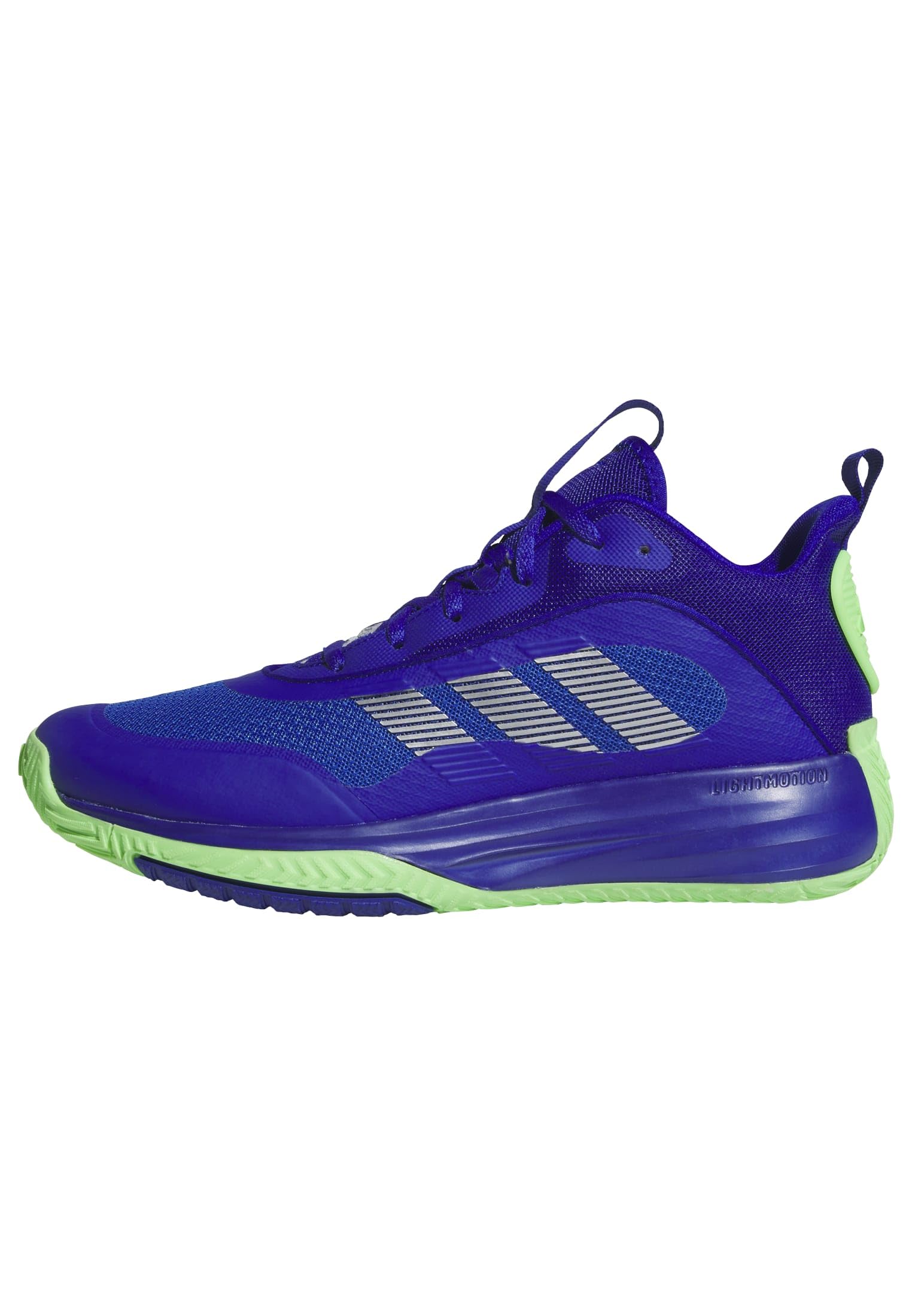


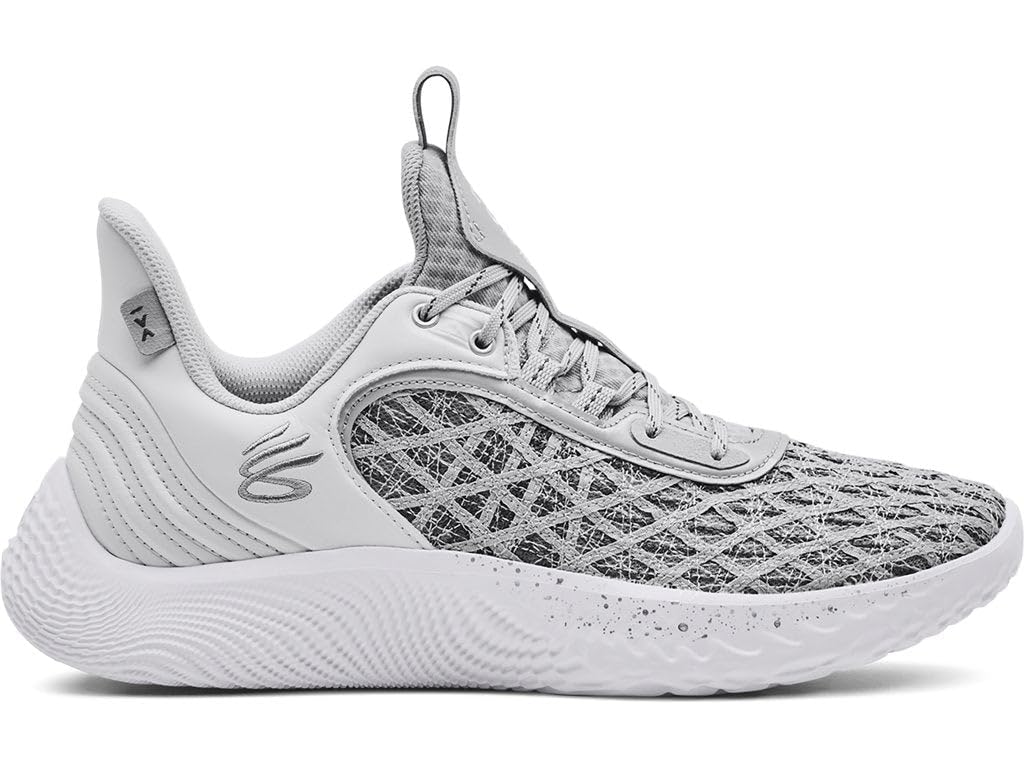
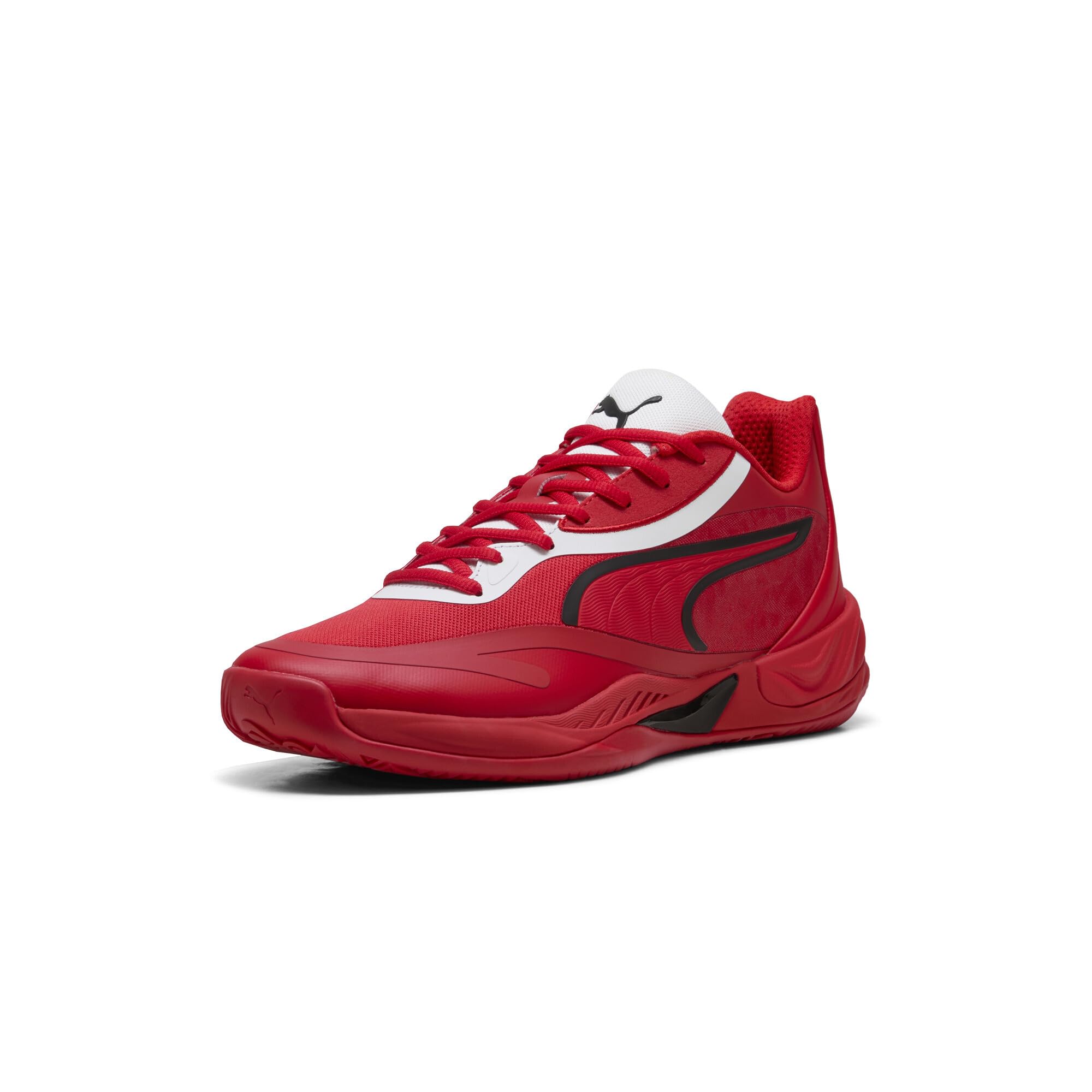


Basketball Shoes for Shin Splints: Shoe Features That Help
Cushioning comes first. Responsive foam under the heel and forefoot absorbs landing impact before it travels up the leg. Choose a medium-firm foam that feels controlled; very soft foam can feel unstable, while a rock-hard midsole transmits more shock. When you compare the best basketball shoes for shin splints, start with shock absorbing cushioning, stability and fit.
Stability matters too. If your arches collapse or your foot rolls inward, the muscles along the shin work harder. A wide base, a firm heel counter and moderate arch support help keep the foot in a neutral position.
Traction prevents sudden slips that jar the leg. A herringbone or multidirectional pattern on clean soles grips well on indoor courts.
Fit and Insoles
A snug heel and midfoot with room for the toes to spread keep the foot steady. Try shoes in the afternoon with your game socks and leave about a thumb width at the toe. Choose a shoe with a removable insole so you can add a supportive insert if a clinician suggests one, and check that the shoe still fits comfortably afterwards.
Break new shoes in with short sessions. If the front of your lower leg feels worse after wearing a new pair, stop and review the fit and the cushioning.
Surface and Training Load
The court matters as much as the shoe. Concrete and asphalt are harder than wood, so long sessions outdoors put more strain on the shins. Mix hard and softer surfaces when you can, and avoid sharp increases in playing time. A sensible rule is to raise load gradually and take rest days between hard sessions.
Strength work for calves, ankles and hips, together with gentle stretching and a proper warm-up, helps the lower legs cope with the workload. Ice, rest and a gradual return are common advice, but follow what your clinician recommends for you.
Choosing a Shoe Type
- Cushioned shoes offer thicker heel and forefoot foam and suit players who land hard.
- Stability shoes add structure for flat feet or inward rolling.
- Lightweight low tops feel quick but offer less shock absorption, so they suit short sessions better than long ones.
Pick the cut that feels secure. Collar height does little for shin pain, so judge the shoe by its cushioning, stability and fit.
Care and Replacement
Worn shoes are a common hidden cause of shin trouble. Replace a pair when the midsole creases deeply, the foam feels flat or the tread is smooth. Rotate two pairs if you play often, air the shoes after sessions and keep them out of hot cars.
Seek medical advice if pain is sharp, localized to one spot, gets worse with rest or does not improve after a couple of weeks, because some leg pain needs a proper assessment.
For related reading see best basketball shoes for knee pain and best basketball shoes for foot pain.
Warm-Up and Recovery Habits
A good warm-up wakes up the lower legs before games. Start with light jogging, then add ankle circles, calf raises, lateral shuffles and a few easy jumps. After play, spend a few minutes on gentle calf and shin stretches and let the legs rest before the next session.
If you play on consecutive days, alternate hard court days with lighter skill work, and listen to early warnings such as a dull ache along the shin. Early adjustments are easier than a long layoff.
Common Mistakes to Avoid
- Playing daily on concrete without any recovery days.
- Using old shoes whose foam has collapsed.
- Choosing a shoe that is too small, which changes the way the foot lands.
- Ignoring flat feet or inward rolling that overloads the shin muscles.
- Skipping the warm-up and starting at full speed.
Sizing and Lacing Tips
A shoe that is too loose lets the foot slide, and the lower leg works harder to hold it. A shoe that is too tight can cause pressure and change the way the foot lands. Aim for a locked heel, a snug midfoot and room at the toes.
If the top of your foot feels pressure, skip an eyelet or use a looser lacing pattern across the instep. If the heel slips, use the top eyelet to make a heel lock. Small changes like these often make a shoe feel much more comfortable.
Finally, keep a short log of how your legs feel after each session and which shoes you wore. Over a few weeks the pattern will show whether a pair helps, which is more reliable than guesswork.
Frequently Asked Questions
Can the right shoes prevent shin splints?
They can reduce the shock and strain on your lower legs, but training load, surface, technique and strength matter as much.
Should I choose soft cushioning?
A medium-firm, responsive foam usually works better than a very soft one, which can feel unstable.
Do insoles help?
Some players find a supportive insole helps, especially with flat feet. Ask a clinician or fitter, and make sure the shoe has room.
How long should I rest?
That depends on the pain and its cause. A clinician can give advice on rest and a safe return to play.
How often should I replace shoes?
Many regular players replace court shoes about once a season, or sooner if the foam goes flat.
Final Thoughts
The best basketball shoes for shin splints cushion landings, support the foot and keep traction reliable. Compare the options in the product table, check cushioning and fit first and build playing time gradually.


