Best Brooks Running Shoes for Shin Splints (2026): A Clear Buying Guide
Disclosure: We may earn a commission when you buy through links on this page, at no extra cost to you. As an Amazon Associate I earn from qualifying purchases. Learn more

The best brooks running shoes for shin splints combine cushioning, gentle support and a secure fit: see what to compare.
Shin pain can turn a promising new running habit into a frustrating stop and start cycle, and the shoe aisle only adds to the confusion. This guide explains the best brooks running shoes for shin splints in simple terms, from what causes the ache to which cushioning, support, and fit details actually help. You will finish with a clear method for choosing a pair and using it safely.
One point comes first: shoes support recovery, but they do not replace medical care. Shin pain that is sharp, focused on one small spot, causes numbness, or keeps hurting at rest needs a prompt visit to a doctor or sports medicine clinician, because stress injuries can hide behind a mild sounding label. Use the comparison table below alongside professional advice, not instead of it.
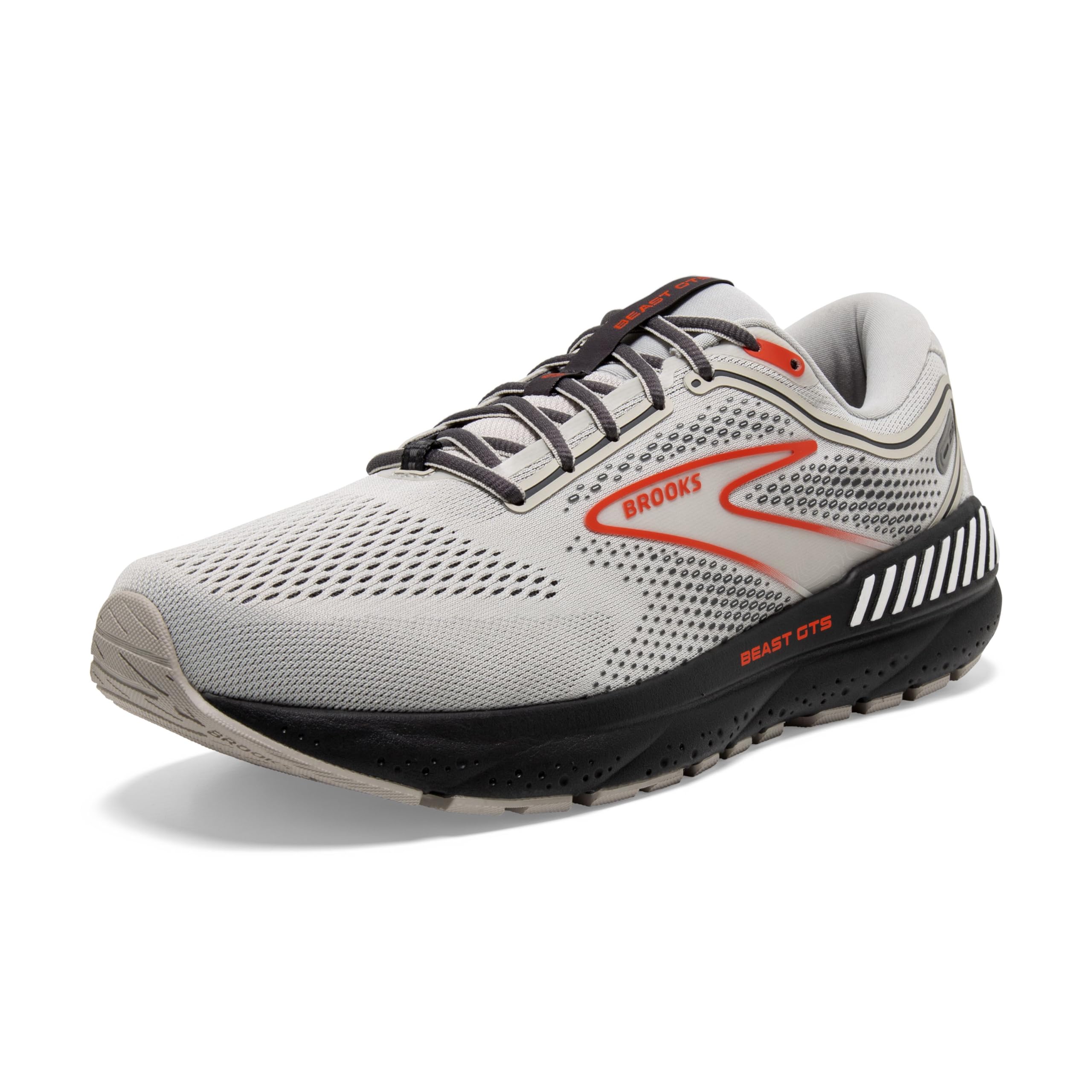
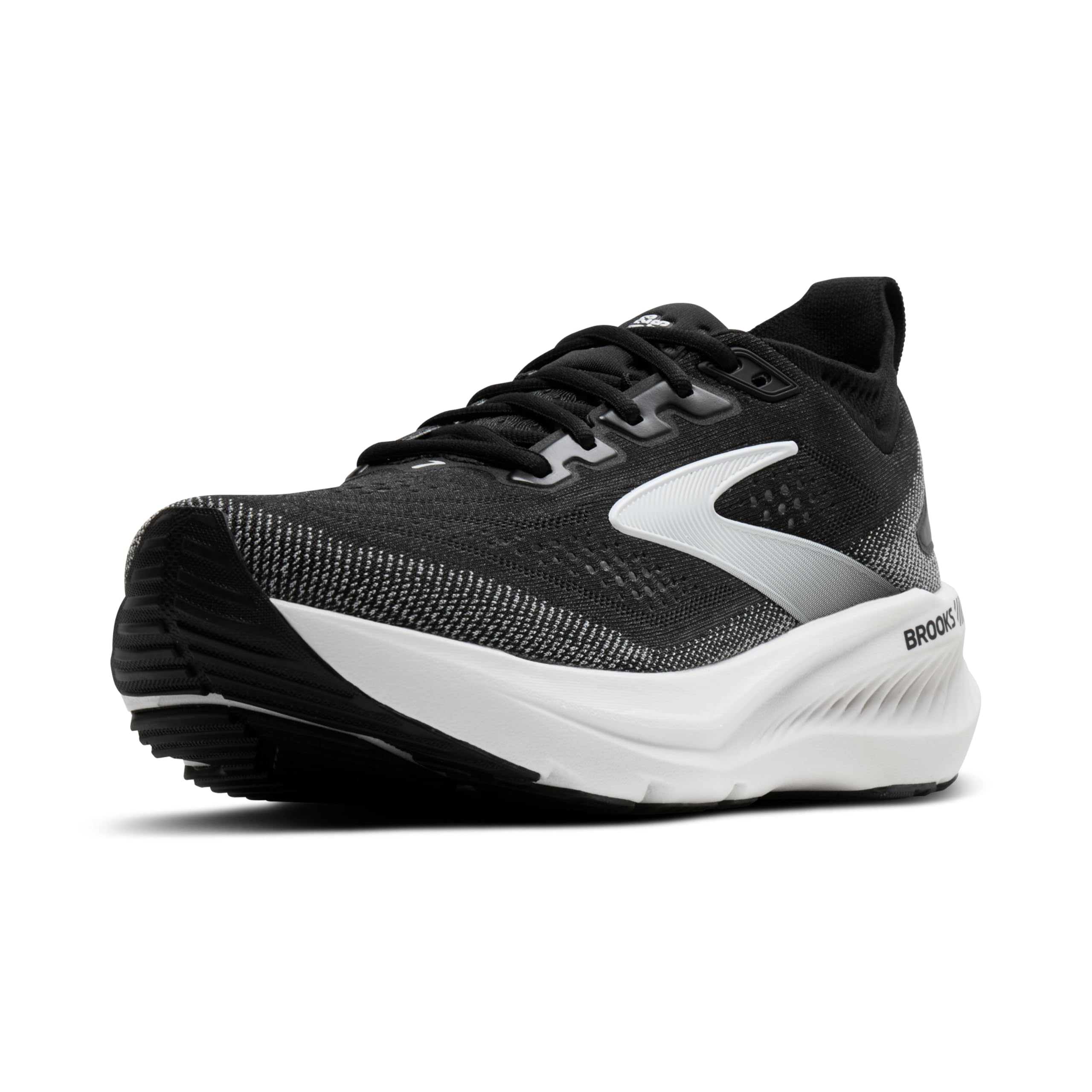
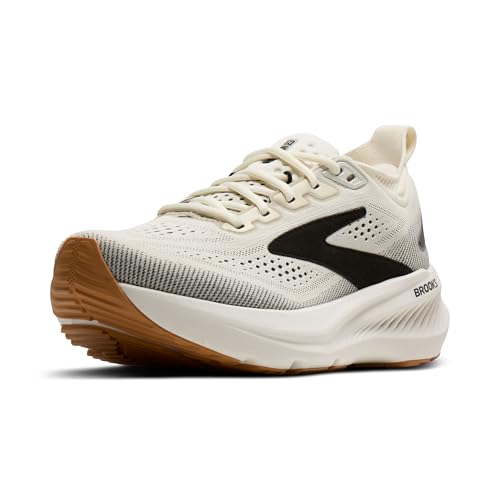
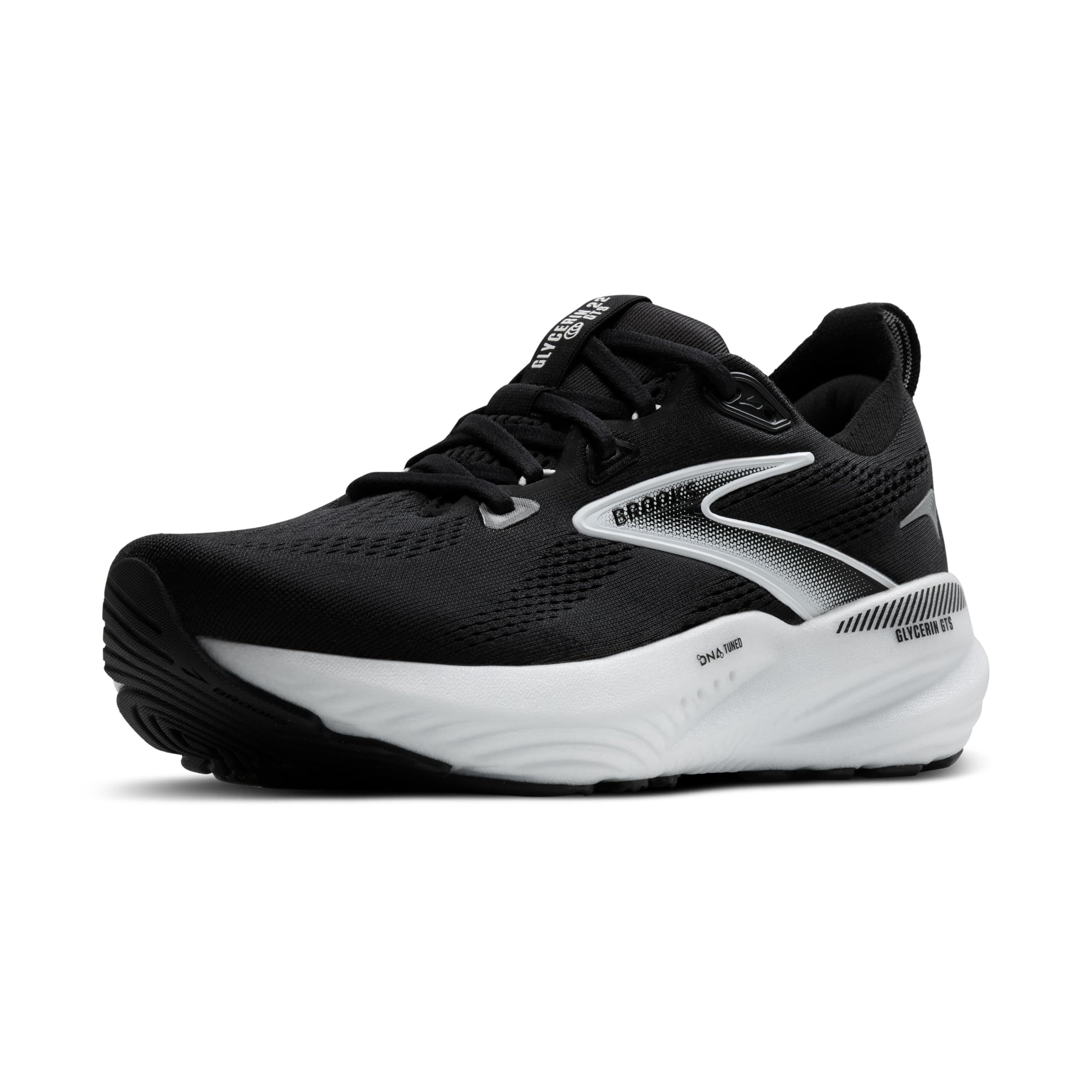
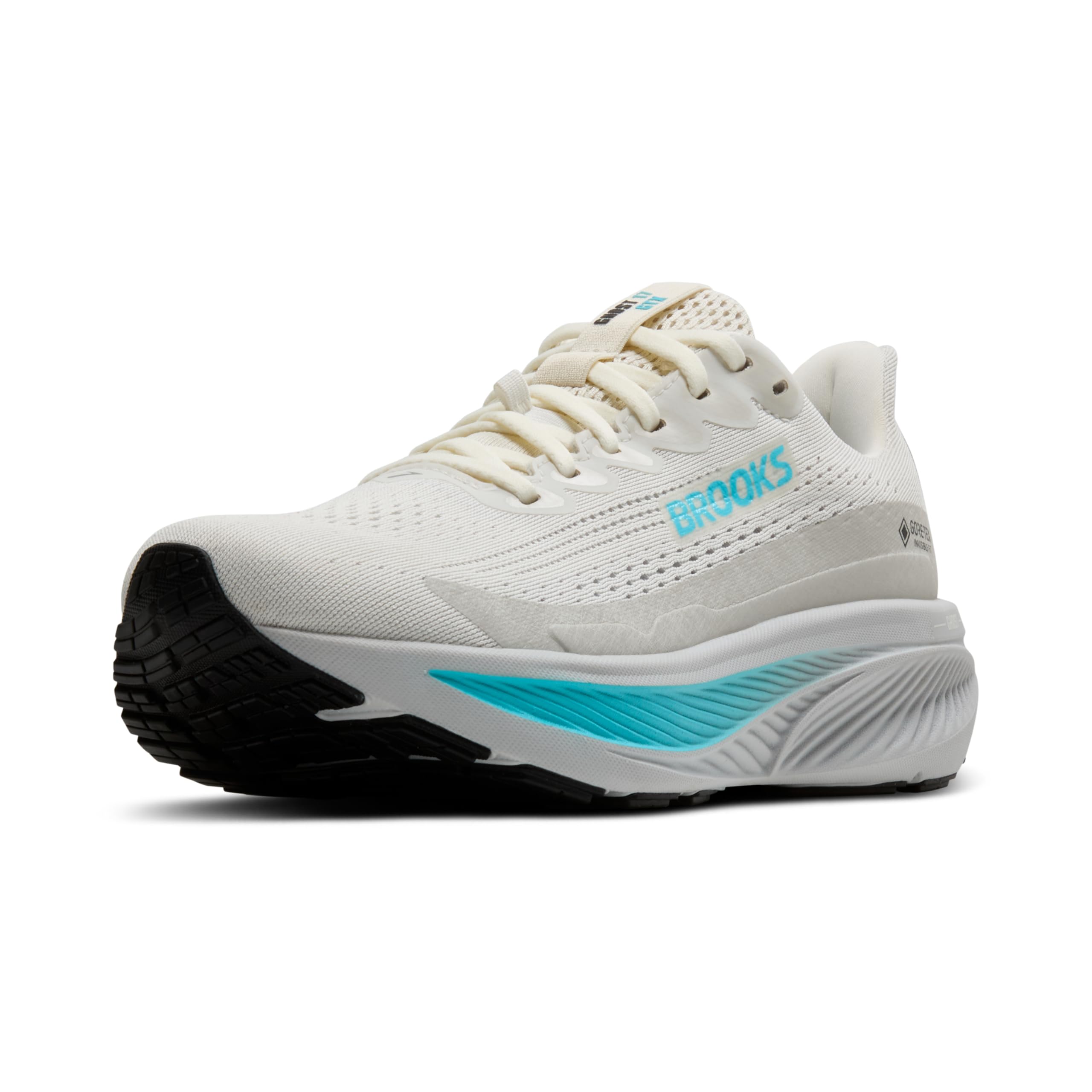

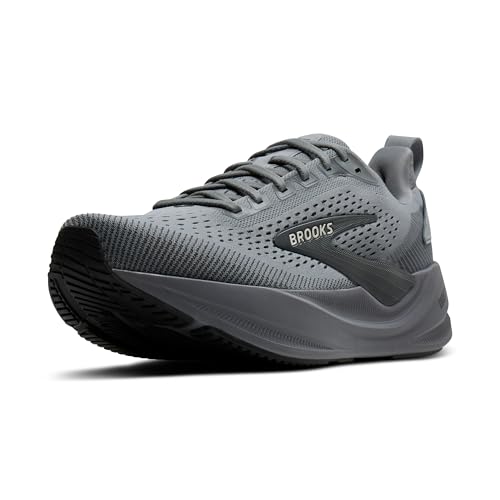
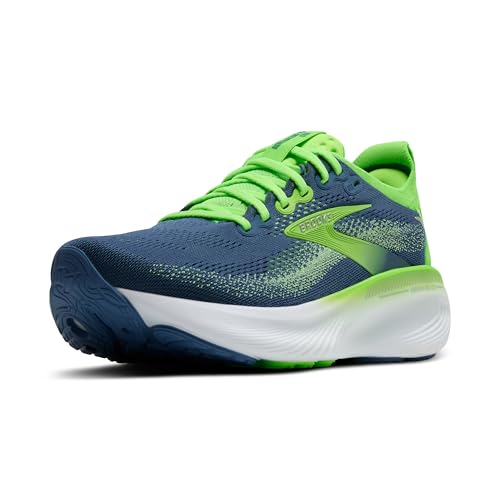


Brooks Running Shoes 101: The Basics
Shin splints is a common name for pain along the inner edge of the shinbone that often appears when training load rises faster than the lower leg can adapt. Muscles and tissue around the bone get irritated by repeated impact, hard surfaces, worn shoes, and sudden jumps in mileage or speed work. The ache often eases during a run and returns afterward, which tempts runners to push through and make it worse.
A running shoe helps by spreading impact, supporting the arch so lower leg muscles work less overtime, and giving a stable platform on tired strides. Brooks sorts its road shoes into cushion, support, and lightweight groups. For shin pain, the first two groups matter most: soft yet resilient cushioning to soften landing, and gentle support features that guide the foot without forcing it.
Terms you will see include drop, which is the height difference between heel and forefoot, stack height, which is total cushion thickness, and outsole rubber coverage, which affects grip and durability. None of these numbers fixes shin pain alone. Your training plan, calf strength, sleep, and surface choice share the work with the shoe.
Key Specs Explained in Plain English
Each spec below answers a plain question about comfort and protection. Read them in order, note the levels we suggest, and keep those notes beside you when you study the product table above. Fit comes last in this list only because the other specs help you narrow the shelf before you start trying sizes.
Features That Matter for Shin Splints
For irritated shins, cushioning that absorbs impact without feeling unstable matters most. Look for a full length foam midsole with a smooth rocker feel, so the foot rolls forward instead of slapping down. A drop around 8 to 12 mm suits many runners with lower leg pain, because it shifts some demand away from the calf and shin muscles during the landing phase.
Support also counts. Guide features that keep the heel and forefoot aligned reduce extra twisting work for the muscles along the shin. If you want the broader picture across brands, our guide to the best running shoes for shin splints compares cushion and support approaches side by side.
Fit, Sizing, and Toe Box
Measure your feet late in the afternoon, when they are at their largest, and size for the longer foot. Leave about a thumb width in front of your longest toe, because feet swell on runs and slide forward on declines. The midfoot should feel held, not squeezed, and the heel should stay put with little lift as you walk and jog in place.
Toe box room lets the forefoot spread and share load, which helps tired lower legs late in a run. Brooks offers wide options in core models, and men with broad feet often need them; our guide to the best men's running shoes for shin splints covers width choice in more detail. Bring your running socks and any insoles you use to every fitting.
Weight and Flexibility
Weight is a balance. Very light shoes feel fast but often carry less cushion and wear out sooner, while very heavy shoes can tire legs that are already sore. For most runners managing shin pain, a midweight daily trainer is the sweet spot, with enough foam to protect and enough lightness to keep form smooth at the end of a run.
Flexibility should live at the forefoot. The shoe should bend where your foot bends and stay firm through the midfoot, so the arch and shin muscles are not doing the spring work alone. If a shoe folds easily in the middle when you twist it by hand, pass on it while your shins recover.
Waterproofing (Gore Tex and Membranes)
Waterproof membranes such as Gore Tex keep rain and puddle splash out, which helps for winter road miles and wet trails. The trade off is airflow: membrane shoes breathe less, run warmer, and dry slowly once water gets in over the collar. They also cost more and add a small amount of weight and stiffness.
Most runners with shin pain should choose the standard breathable version and rotate a second pair on wet weeks. Choose the membrane version only if cold, wet weather regularly cuts your training short. For prevention focused advice that pairs footwear with training habits, see our guide to the best running shoes to prevent shin splints.
Durability and Expected Lifespan
Expect about 300 to 500 miles from a quality pair of road running shoes. Foam loses bounce before the outsole looks worn, so track mileage rather than judging by appearance. Heavier runners, heel strikers, and runners on rough pavement will land near the low end of that range, while lighter runners on smooth surfaces may reach the high end.
Worn shoes are a common and fixable contributor to shin pain, so retirement timing matters. Press the midsole with your thumb: if it feels flat and hard compared with a new pair, its protective days are over. Rotating two pairs lets foam recover between runs and extends the useful life of both.
Rookie Mistakes to Avoid
- Running through sharp pain. Mild fatigue is normal, but sharp or one sided shin pain is a stop signal, not a toughness test.
- Doubling mileage in new shoes. New footwear changes load patterns, so build distance gradually over two weeks even when the shoes feel great.
- Buying racing shoes for recovery miles. Thin, stiff race models remove the cushion your shins need most right now.
- Keeping shoes past their mileage. Dead foam quietly raises impact on every step, and the savings are small next to lost training weeks.
- Ignoring surface and strength work. Softer routes and simple calf raises support the shoe, as our guide to the best running shoes to avoid shin splints explains in its training section.
Getting Started: Setup and First Use
Start with fit checks at home on carpet. Walk, jog in place, and do a few calf raises to confirm the heel holds and the toes have room. Then use the shoes for short, easy runs on soft, flat ground for the first week. Replace running shoes every 300 to 500 miles, log your mileage from the first run, and note any shin response the morning after each session, because next day soreness tells you more than how the run felt.
Care is simple. Untie rather than kicking shoes off, loosen laces after runs so the upper keeps its shape, and air dry wet shoes away from direct heat, with newspaper inside to draw moisture. Heat warps foam and shortens shoe life. If you also wear Brooks models for walking or work, our overview of the best brooks shoes for shin splints compares road and daily wear options.
Frequently Asked Questions
What features matter most in brooks running shoes for shin splints?
Resilient cushioning, gentle support, and a moderate drop matter most. Cushioning softens each landing, support keeps the foot aligned so shin muscles do less corrective work, and a drop around 8 to 12 mm eases calf and shin demand for many runners. Fit completes the set: a secure heel and roomy toe box keep form stable when legs tire. No single feature replaces gradual training, so pair the shoes with a sensible mileage plan.
Are expensive brooks running shoes worth it?
They are worth it when the higher price buys fresher cushioning foam, better support design, and more width choices, which is often the case in the core daily training range around $130 to $170. They are not worth it when the premium pays only for race day lightness or limited colors. For shin recovery, the mid range daily trainer usually beats both the cheapest and the costliest option.
How often should I replace my brooks running shoes?
Replace them about every 300 to 500 miles, or when the midsole feels flat and morning shin soreness returns. Keep a simple mileage log from day one, since foam decline is gradual and easy to miss. Rotating two pairs spreads wear and gives each midsole rest days to rebound. If one spot on the outsole wears through early, ask a clinician or fitter to check your gait before buying the same model again.
Can I wear them all day?
Yes, you can wear cushioned daily trainers all day, and many people find that supportive shoes at work reduce end of day leg ache. Choose the breathable version for indoor wear, rotate pairs on long shifts, and avoid using your high mileage running pair as your only work shoe, because the extra hours consume its running life. If all day standing is your main load, a fresh pair reserved for work may protect your shins best.
How should brooks running shoes fit?
They should fit snug at the heel and midfoot, with about a thumb width of space past your longest toe and room for the forefoot to spread. Use the extra top eyelet for a heel lock if you feel slip, and fit both feet in the afternoon with your running socks on. A correct fit feels secure right away, without pressure points on the shin side of the ankle or numb toes after a few minutes of jogging in place.
Our Verdict
Choose cushion and support first, fit second, and price last. A midweight Brooks daily trainer with a moderate drop, fresh foam, and the right width gives irritated shins the best chance to settle while you rebuild mileage slowly. Talk with your clinician about your personal needs, especially if pain is sharp or one sided, compare finalists in the product table above, and let the best brooks running shoes for shin splints support a patient, steady return to running.