Best Brooks Shoes for Arch Support (2026): A Fit Guide
Disclosure: We may earn a commission when you buy through links on this page, at no extra cost to you. As an Amazon Associate I earn from qualifying purchases. Learn more

The best brooks shoes for arch support guide the foot without feeling rigid: compare stability, cushioning and fit.
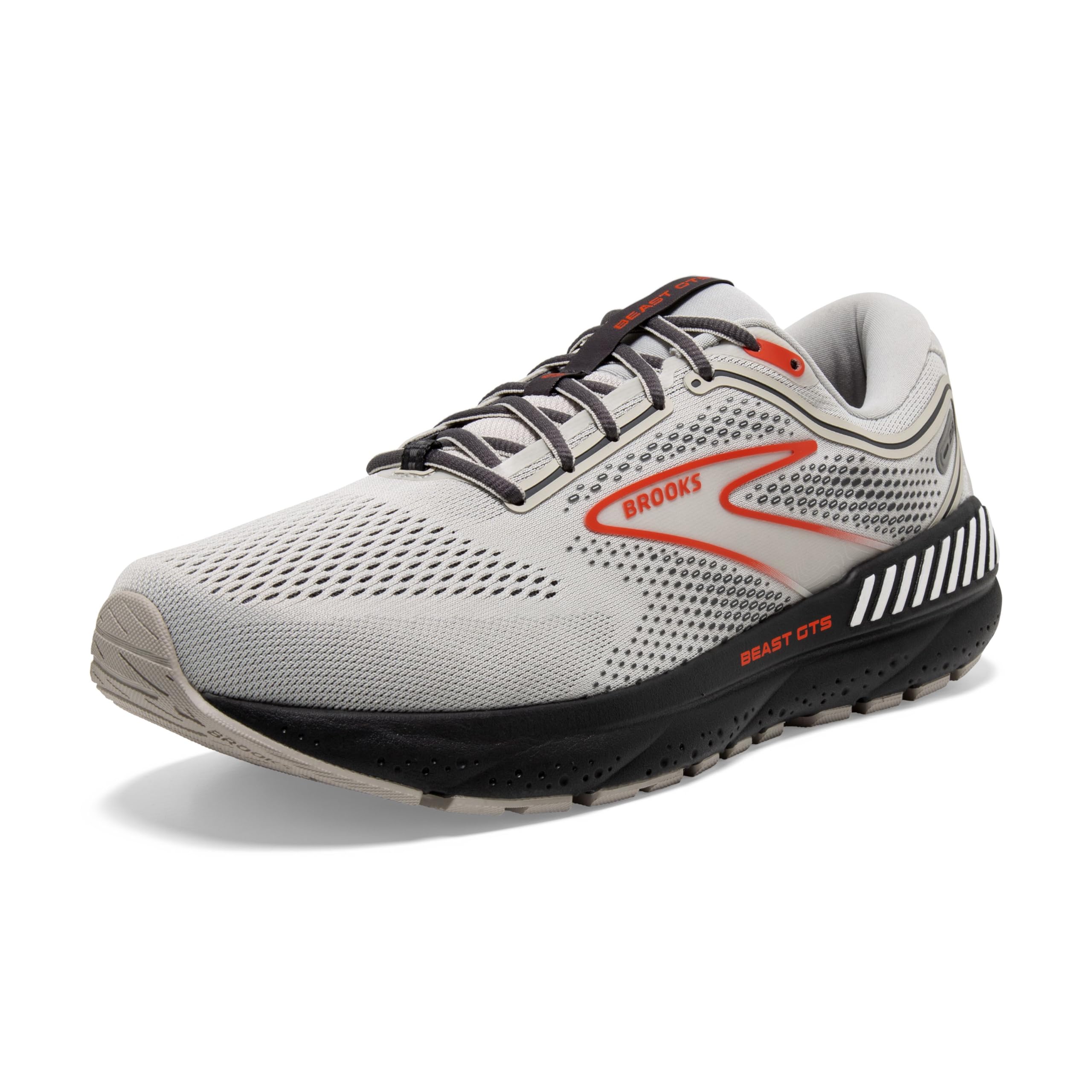
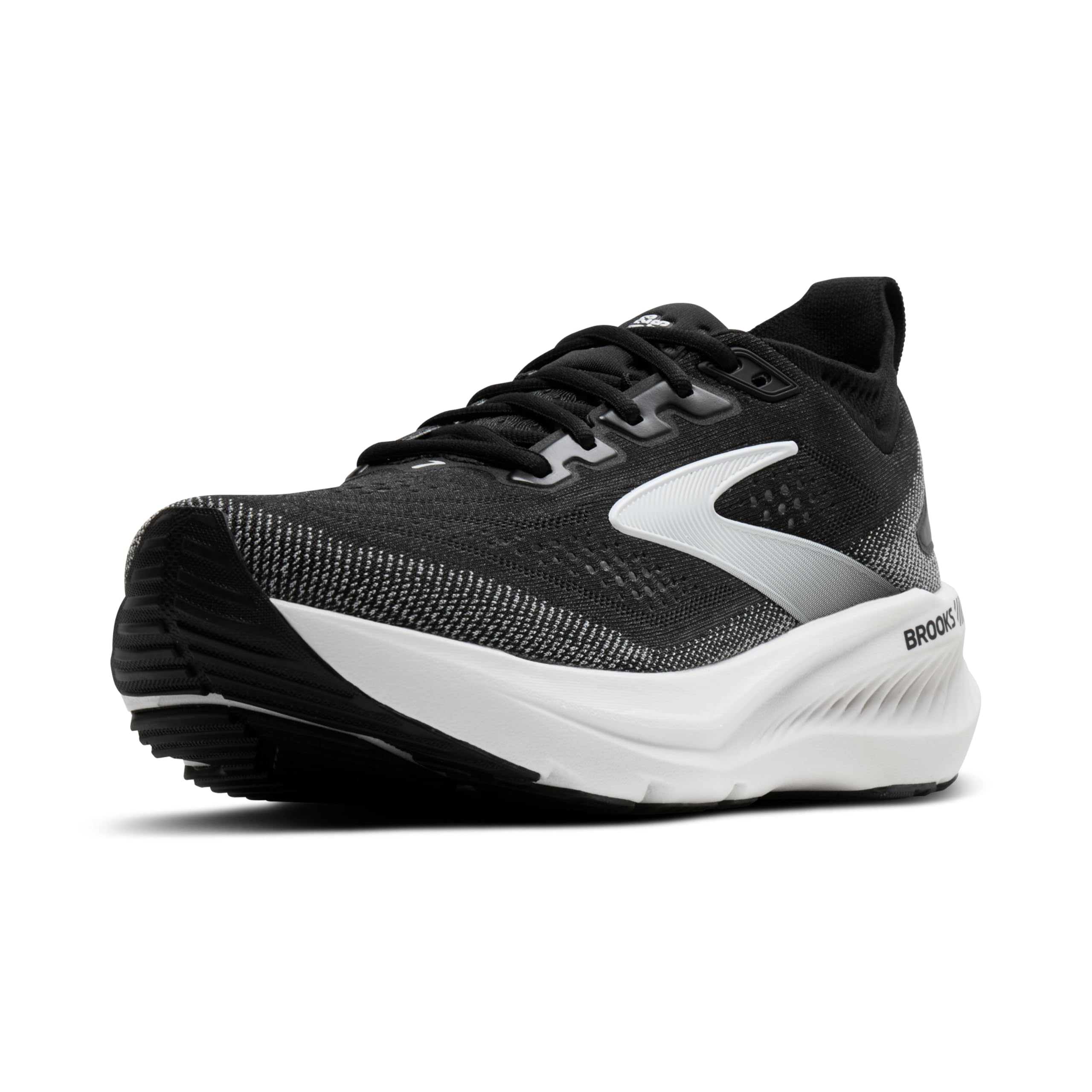
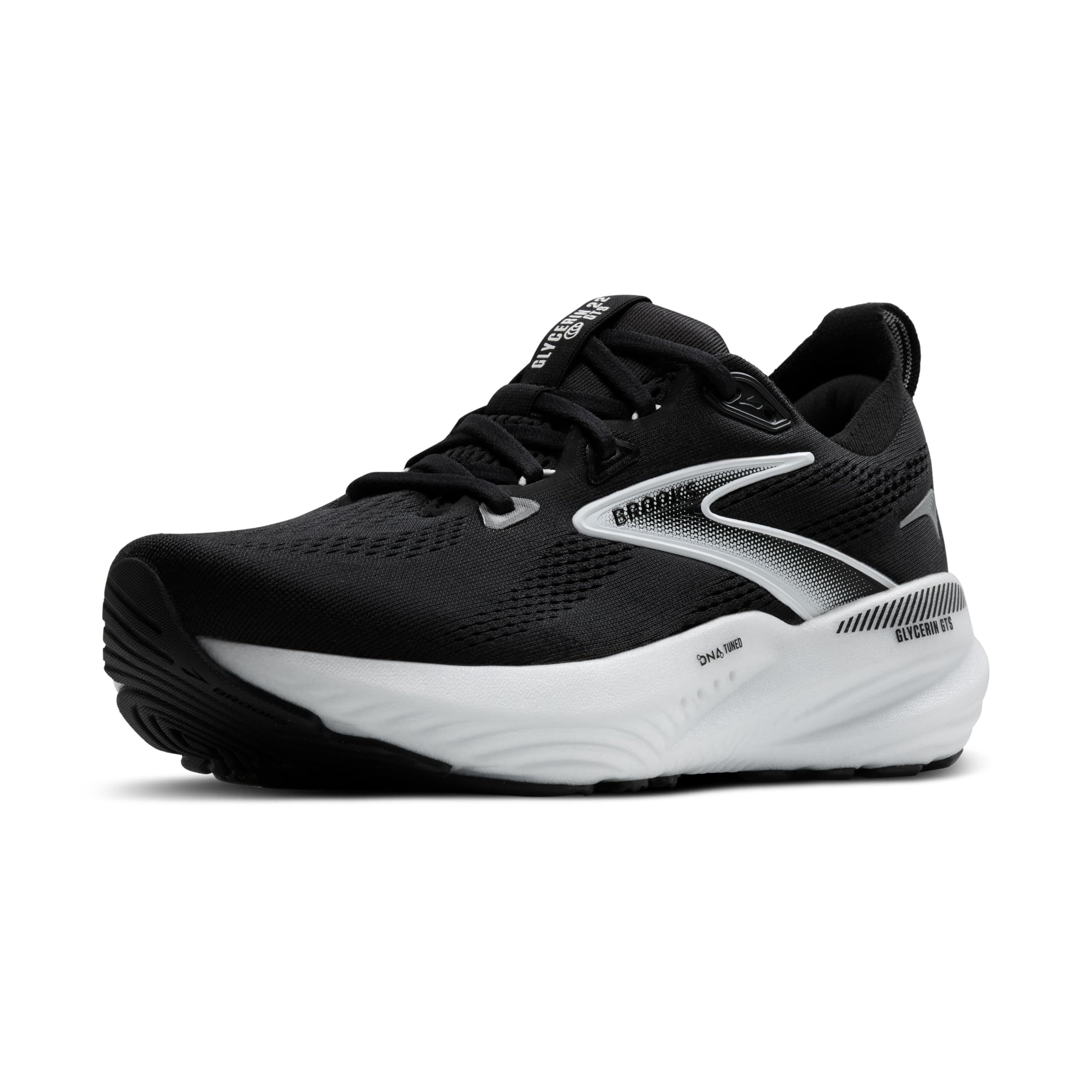
best brooks shoes for arch support help runners and walkers who need structured support under the arch without sacrificing cushioning or comfort. The comparison table below gives a quick overview, while this guide explains stability features, fit, and how arch support actually works in a shoe.
Arch support in a shoe is not a rigid plate under your foot, but a combination of midsole shape, heel stability, and upper lockdown that guides the foot through each step. Understanding that combination helps you choose support that feels natural rather than intrusive, especially over long runs and walks.

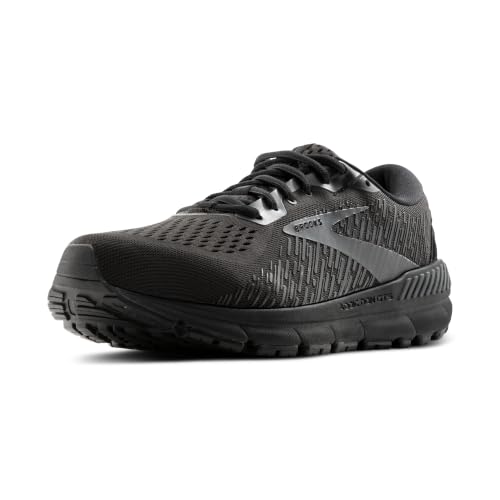
Who Should Buy Arch Support Shoes
Arch support shoes suit runners and walkers with flat feet, overpronation, or arch fatigue during long sessions. They help people who notice inner ankle rolling, arch soreness after activity, or uneven shoe wear on the inner edge. If a clinician or running specialist has suggested stability shoes, arch support models are a sensible starting point.
They are less suited to runners with high rigid arches who need cushioning more than correction, or to those who prefer a minimal, flexible feel. Overly supportive shoes can feel intrusive for neutral runners, so match support level to your gait rather than assuming more support is always better. A gait assessment at a running shop can clarify your needs.
How Arch Support Works in Brooks Shoes
Brooks stability shoes use guide rails, firmer midsole sections, and structured heel counters to limit excessive inward rolling without forcing the foot into an unnatural position. Guide rails act like bumpers that engage only when the foot rolls too far, allowing natural movement during normal steps. This holistic approach feels less rigid than old fashioned medial posts for many runners.
Cushioning works alongside support: a well cushioned midsole absorbs impact while stability features guide motion. Avoid choosing support at the expense of cushioning, because hard, unsupportive feeling shoes cause fatigue on long runs. Try shoes on a treadmill or track during the return window to judge support and cushioning together over distance.
Women arch support options are covered in our guide to best arch support shoes for women, which compares fits and support levels for women.
Fit, Sizing, and Trying Shoes On
Fit is critical for arch support, because a shoe that slips or squeezes cannot guide the foot properly. Your heel should sit securely without lifting, the midfoot should feel held without pressure, and toes should have room to spread naturally. Try shoes with your normal running socks, later in the day when feet are slightly swollen, to mimic long run conditions.
Size varies between models, so do not assume your usual size fits every Brooks model. Check length and width separately, and consider wide widths if the midfoot feels tight even when length is correct. Walk and jog in the shop or during the return window, noting any arch pressure, heel slip, or toe crowding that appears after several minutes.
Running arch support models are covered in our guide to best running shoes for arch support, which compares stability options across brands.
Walking Versus Running Support Needs
Walking and running place different demands on arch support. Running involves higher impact and faster motion, needing firmer guidance and responsive cushioning. Walking involves longer duration and lower impact, needing comfortable all day support and durable cushioning that does not flatten quickly.
If you both run and walk in the same shoes, prioritize the activity you do most, or consider separate pairs for each. Walking shoes with arch support often use softer, more durable cushioning for daily wear, while running models prioritize energy return and weight. Using running shoes for daily walking is fine, but using walking shoes for serious running may lack the needed responsiveness.
Walking arch support options are covered in our guide to best walking shoes with arch support, which compares all day comfort and support.
Pain, Overpronation, and When to Seek Advice
Arch support shoes can reduce fatigue and discomfort for many people with flat feet or overpronation, but they do not diagnose or treat foot conditions. Persistent arch pain, heel pain, swelling, numbness, or pain that changes your gait deserves a conversation with your clinician or podiatrist. Custom orthotics may help when off the shelf support is insufficient, and a professional can assess whether support level matches your needs.
Break in new support shoes gradually, starting with shorter runs or walks and increasing distance over a week or two. Sudden switches to highly supportive shoes can cause calf or arch soreness as muscles adapt. If pain worsens rather than improves after a sensible break in period, seek professional advice rather than pushing through.
Men arch support options are covered in our guide to best men's arch support shoes, which compares stability fits for men.
Durability, Rotation, and Replacement
Arch support features compress over time, especially with daily use and higher body weight. Most running shoes need replacement after several hundred miles, while walking shoes last longer but still lose support gradually. Rotate two pairs if you train daily, which extends each pair life and lets cushioning recover between sessions.
Inspect shoes regularly for uneven wear, midsole creasing, and heel counter breakdown. Uneven inner wear suggests support is working but wearing out, while sudden changes in comfort often signal midsole fatigue. Replace shoes when support feels noticeably softer or pain returns after a period of comfort, rather than waiting for visible damage alone.
A Final Check Before You Order
Try shoes with your normal socks and any orthotics you use, and test them over distance during the return window. Check heel lockdown, midfoot hold, toe room, and arch comfort after a realistic run or walk, not just a shop fitting. A shoe that feels supportive for five minutes but intrusive after an hour is the wrong choice.
The product table above can help you compare shortlisted models once you know your gait, activity mix, and fit needs. Choose support that guides naturally, cushioning that lasts your distance, and a fit that stays comfortable from first step to last.
Living With Arch Support Shoes
Arch support shoes become most comfortable when you break them in gradually and rotate pairs for different activities. Start with shorter runs and walks, increase distance over a week or two, and note any arch or calf soreness that fades as muscles adapt. Keeping a second pair for daily walking extends the life of running shoes and lets cushioning recover between sessions.
Over months, track how support feels as mileage accumulates, because cushioning and stability features compress gradually rather than failing suddenly. When familiar routes start feeling harder on your feet, or old aches return after a period of comfort, replacement is likely due even if the shoes still look presentable. Listening to your feet beats counting miles alone.
Frequently Asked Questions
Do brooks shoes help flat feet?
Brooks stability shoes can help flat feet by guiding excessive inward rolling and supporting the arch during running and walking. Guide rails and structured heel counters limit overpronation without forcing unnatural motion. If pain persists or worsens, seek clinician or podiatrist advice, because custom orthotics may be needed alongside supportive shoes.
How do I know if I need arch support shoes?
Signs include inner ankle rolling, arch soreness after activity, and uneven wear on the inner shoe edge. A gait assessment at a running shop or a clinician evaluation can clarify your needs. Neutral runners may find supportive shoes intrusive, so match support level to your gait rather than assuming more support is always better.
Can I use orthotics in brooks arch support shoes?
Many Brooks stability shoes accommodate orthotics if you remove the factory insole and check volume and fit. Try shoes with your orthotics during fitting, and ensure heel lockdown and toe room remain comfortable. If orthotics change fit significantly, consider a different model or size. A running shop can advise on compatibility.
Should I use the same shoes for running and walking?
Running and walking demand different support and cushioning, so prioritize your main activity or consider separate pairs. Running shoes suit daily walking reasonably well, but walking shoes may lack responsiveness for serious running. Separate pairs also extend shoe life by allowing cushioning recovery between sessions, something worth checking in your own setup before you decide.
When should I replace arch support shoes?
Replace running shoes after several hundred miles or when support feels noticeably softer and comfort fades. Walking shoes last longer but still lose support gradually. Inspect for uneven wear, midsole creasing, and heel breakdown regularly. If pain returns after a period of comfort, replacement is often due even without visible damage.
Final Thoughts
Choosing best brooks shoes for arch support comes down to gait matched stability, cushioning that lasts your distance, and a fit that holds the midfoot without pressure. Guide rails and structured heels should guide motion naturally, not force it. The product table above can help you compare models once you know your gait and activity mix.
Test shoes over realistic distance, break them in gradually, and seek professional advice for persistent pain. The right arch support shoes should feel supportive, comfortable, and almost unnoticeable once you settle into your stride.