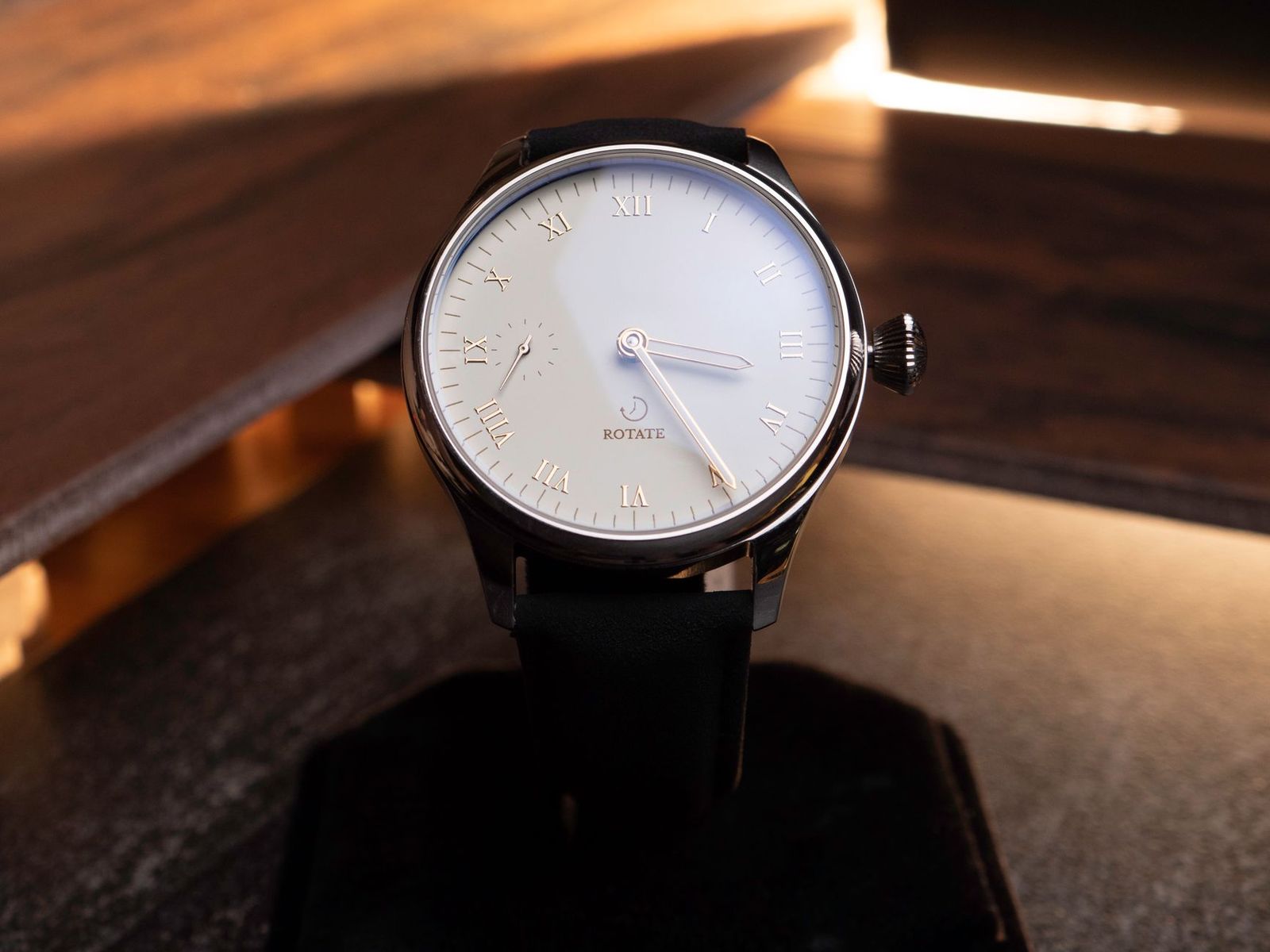
Best Bronze Watches (2026): Complete Buying Guide
Disclosure: We may earn a commission when you buy through links on this page, at no extra cost to you. As an Amazon Associate I earn from qualifying purchases. Learn more

The best bronze watches age with you: compare alloys, case size, movement and water resistance before you order.
Bronze watches appeal to collectors and everyday wearers alike, because bronze develops a unique patina over time that makes each watch personal. Choosing best bronze watches means understanding patina, case material, movement, and care, rather than judging a new bronze watch only by its fresh shine.
This guide explains bronze alloys, patina, case size, and maintenance in plain language, so you can decide whether bronze suits your style and lifestyle. You will learn how patina forms, how to care for bronze, and how to choose a case and strap that work for daily wear.


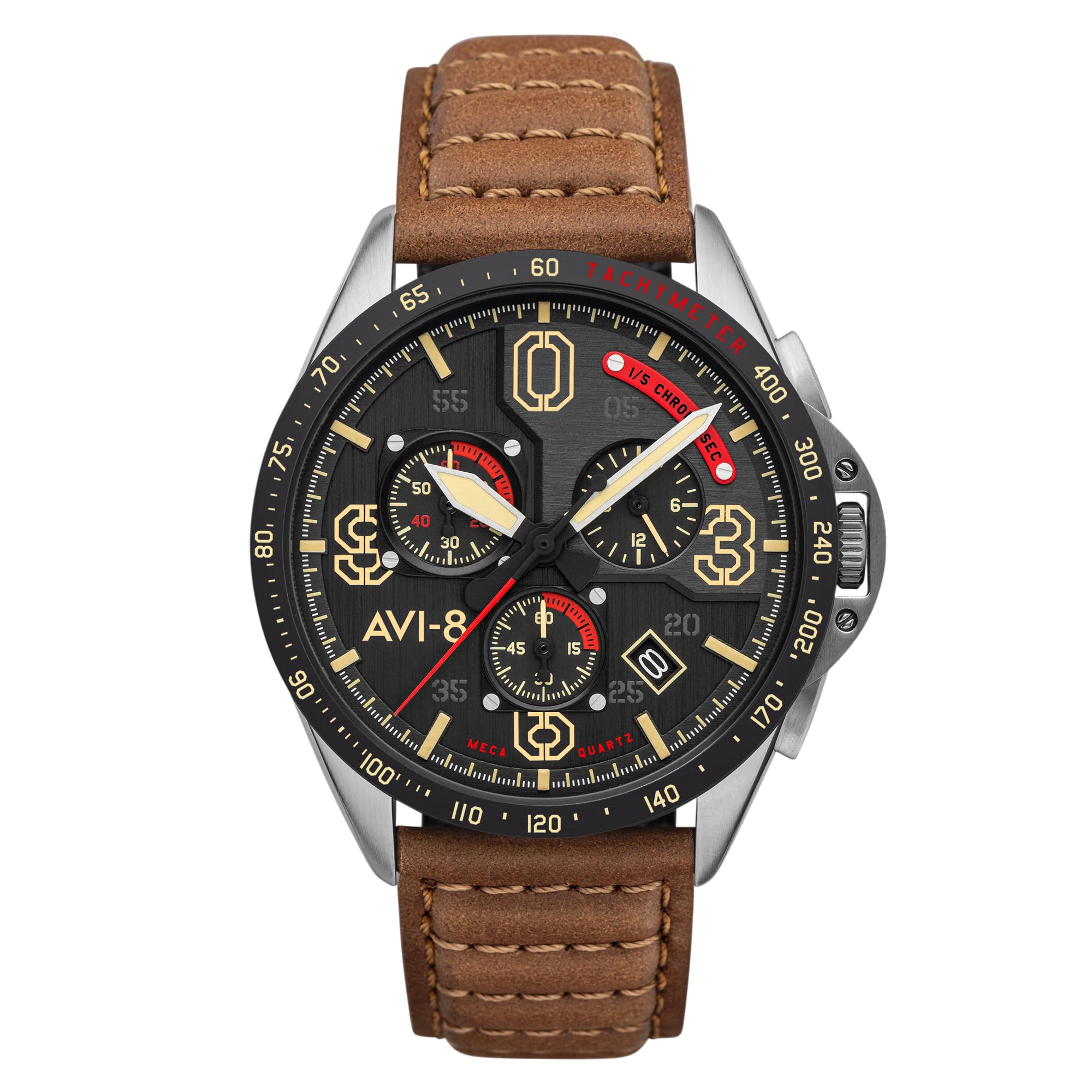
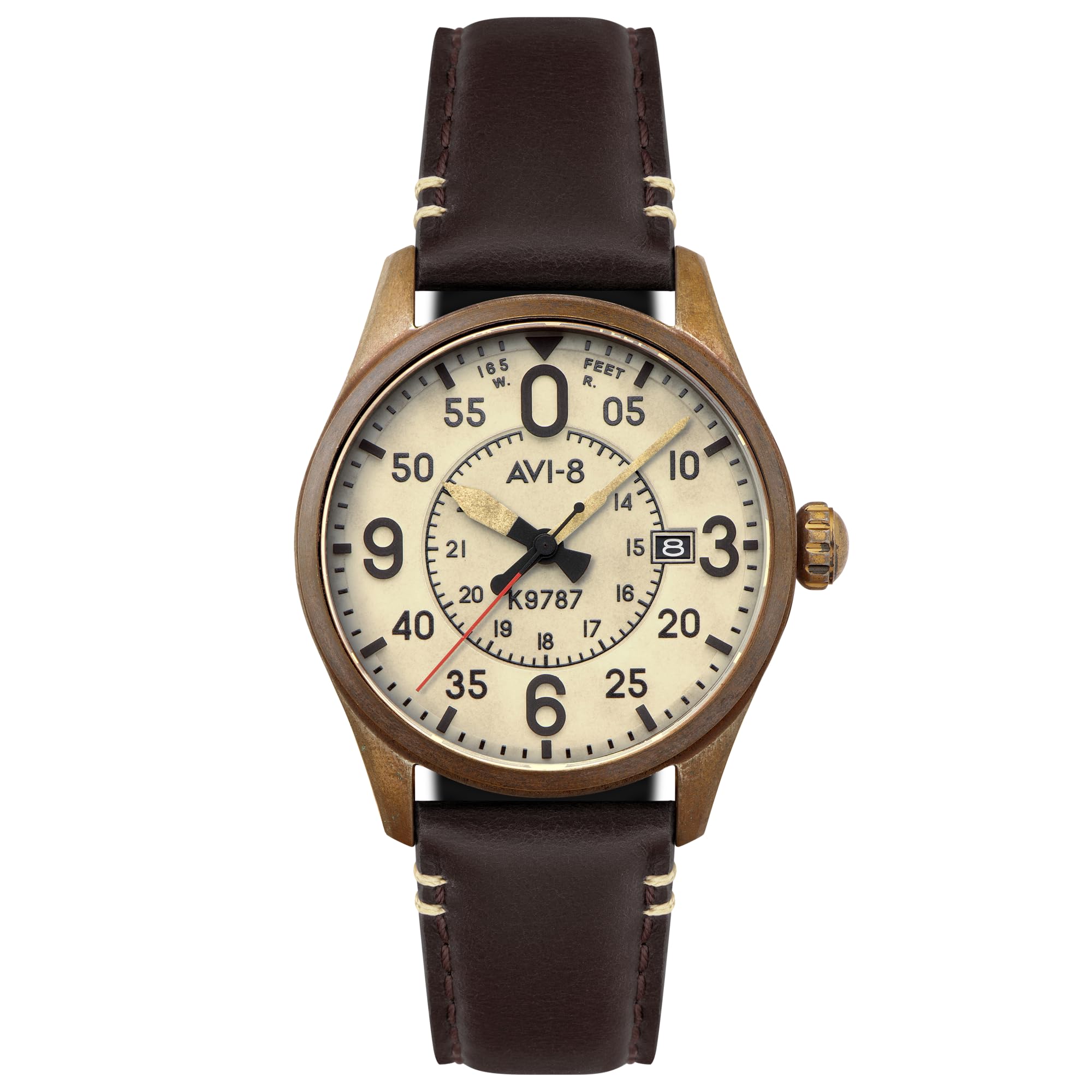
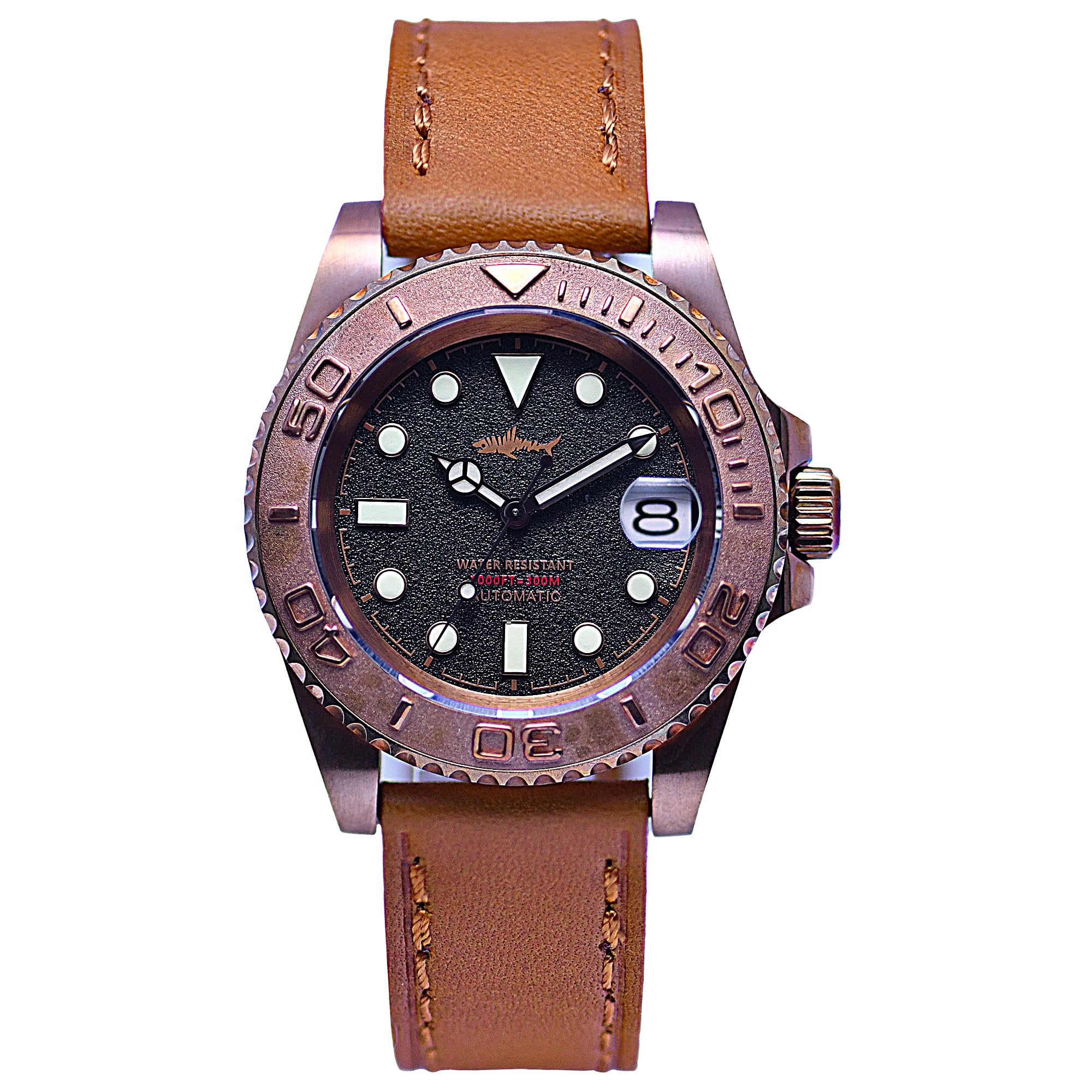

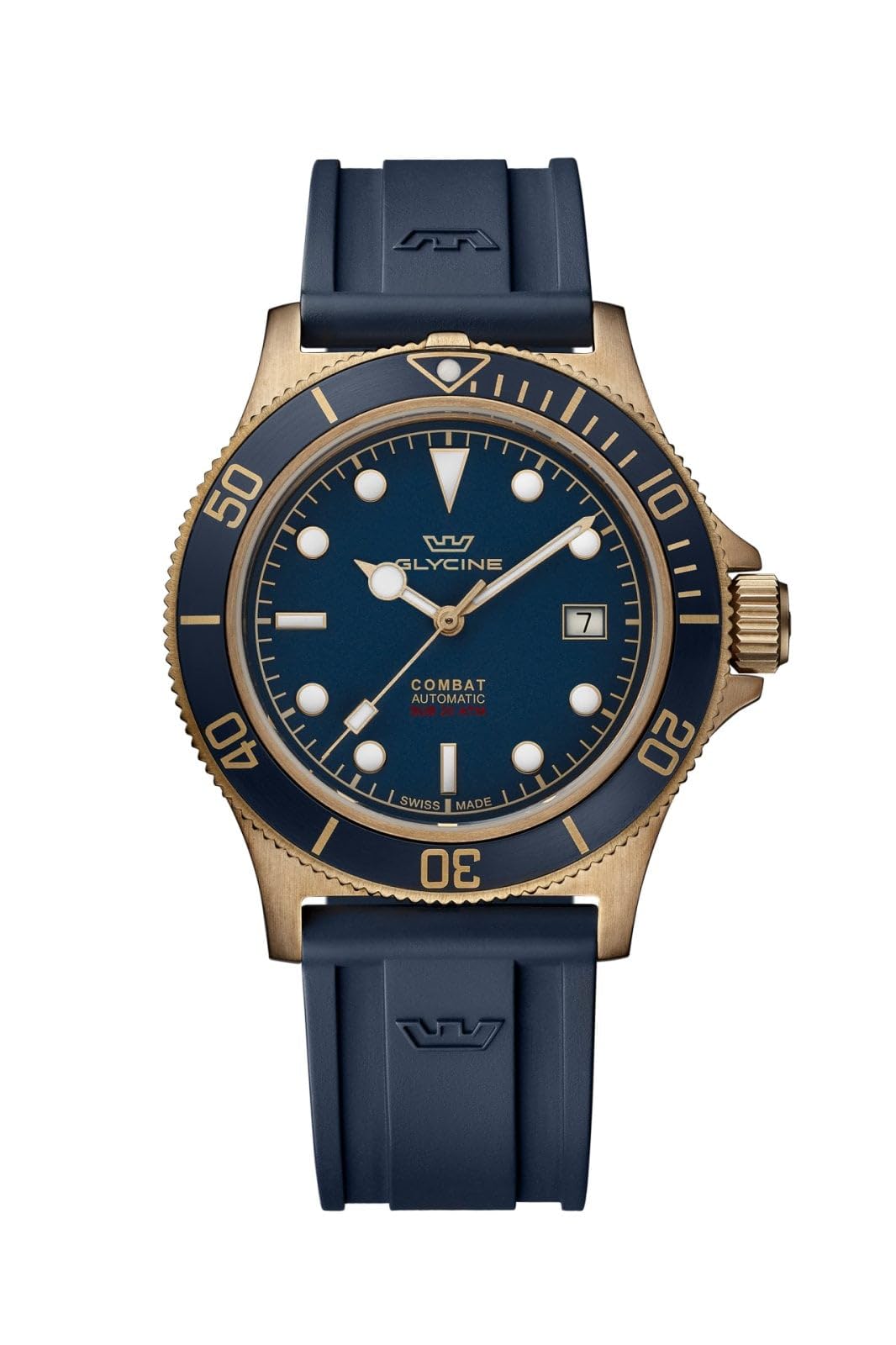
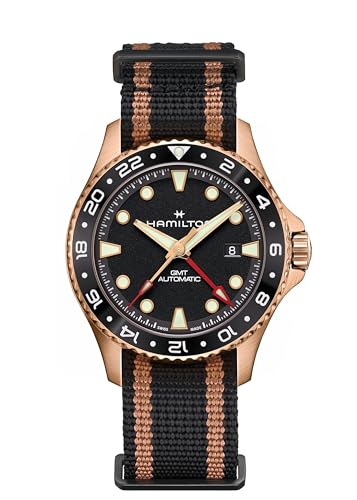
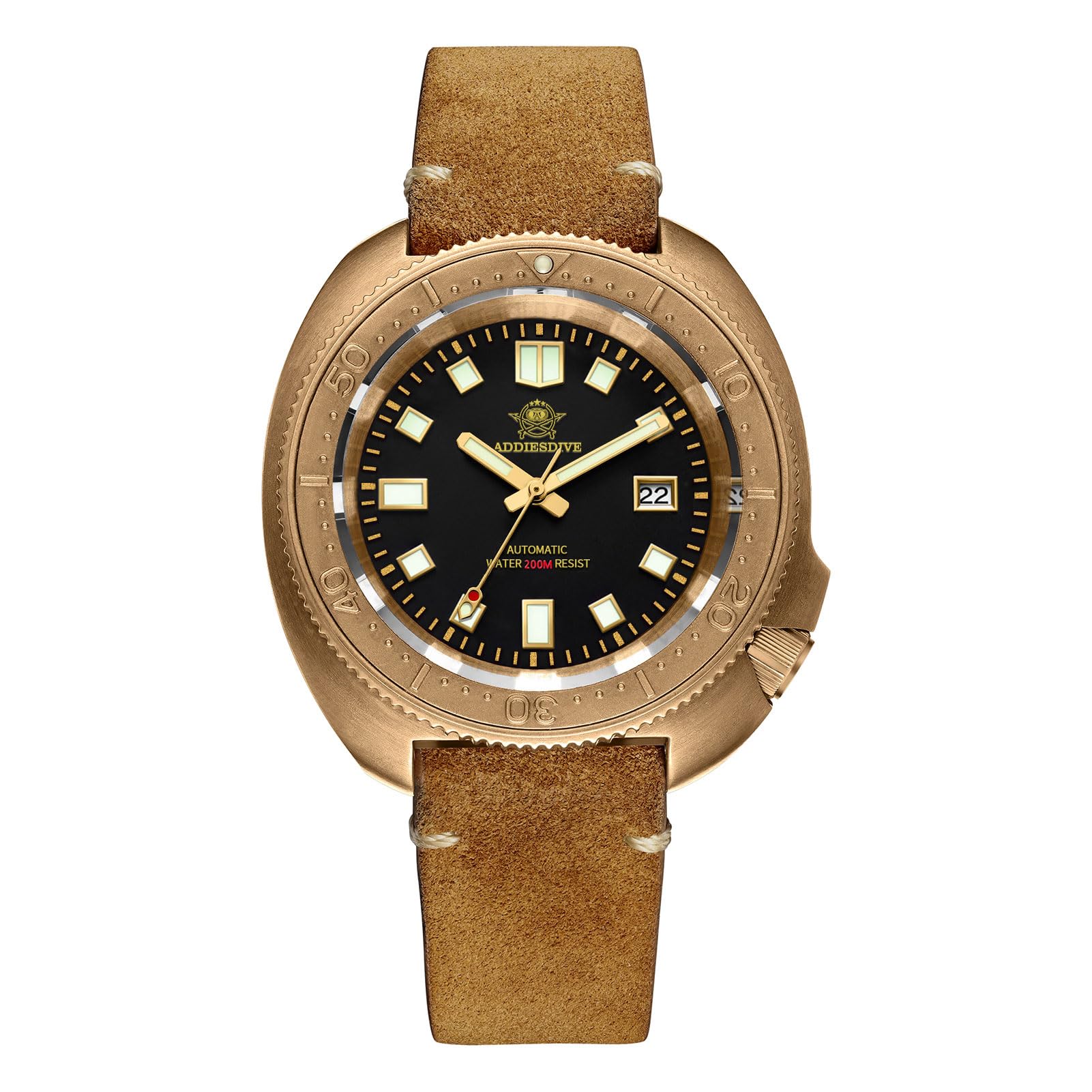
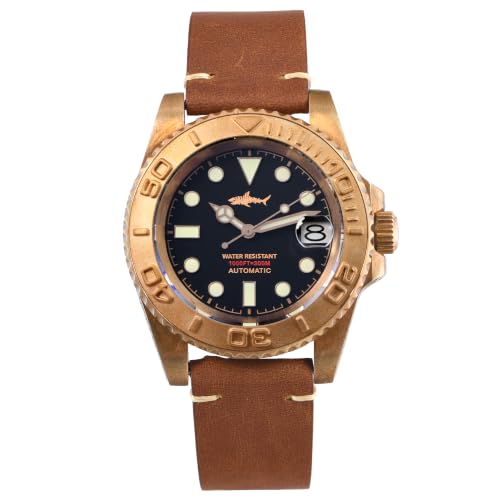
The comparison table below gives a quick overview of the main choices.
Who Should Buy Bronze Watches
Bronze watches suit collectors who enjoy a watch that changes character with wear, and wearers who like warm, earthy tones with leather or fabric straps. They also suit outdoor and maritime styles, where bronze history and patina feel at home.
A bronze watch is a weaker fit if you want a watch that always looks brand new, because patina is a natural part of bronze ownership. It is also a poor fit if you have a known skin sensitivity to copper alloys, so check alloy composition and consider a caseback material that suits your skin.
Types Compared
Bronze dive watches
Bronze dive watches pair a bronze case with strong water resistance and luminous markers, suiting swimming, boating, and active wear. The bronze case develops patina that many divers enjoy as a record of use.
Bronze dive watches need rinsing after salt water use and occasional cleaning to keep the case and bezel moving freely. Check water resistance and crown sealing, because a bronze case alone does not guarantee dive readiness.
Bronze dress and field watches
Bronze dress and field watches use slimmer cases and simpler dials, suiting everyday and smart casual wear. The warm bronze tone pairs well with brown leather, green fabric, and navy outfits.
Slim bronze cases still develop patina, which may look less formal over time. If you need a consistently polished formal watch, a steel case may suit formal occasions better, with bronze kept for everyday enjoyment.
Bronze pilot and chronograph watches
Bronze pilot and chronograph watches offer larger cases, legible dials, and timing functions for enthusiasts who enjoy complex watches. They suit collectors who want a statement piece with historical aviation or tool watch character.
Larger bronze cases are heavier and may overwhelm a small wrist, so check case diameter, thickness, and lug length before buying. A heavy bronze watch on a weak strap can feel unbalanced, so choose a sturdy strap that matches the case weight.
Key Features to Check
Patina and alloy
Patina forms as bronze reacts with air, moisture, and skin oils, creating varied green, brown, and dark tones over time. Different alloys, such as aluminum bronze and tin bronze, patina at different rates and shades. If you prefer a stable look, some makers offer coated bronze or guidance for cleaning patina back, but most owners embrace the change.
Case size and weight
Bronze is dense, so a bronze watch often feels heavier than a steel watch of the same size. Case diameter around 40 to 42 mm suits many wrists, while larger cases suit larger wrists or statement wear. Try weight on the wrist, because a heavy bronze case can tire a small wrist over a long day.
Movement and water resistance
Movement choice ranges from quartz for accuracy and low care to automatic for mechanical enjoyment. Water resistance varies widely, from splash resistance in dress models to strong ratings in dive models. Match movement and water resistance to your real use, not only to the bronze case appeal.
Strap and caseback
Strap choice affects comfort and patina, because leather absorbs moisture and fabric dries faster after water use. A steel or titanium caseback can reduce skin contact with bronze for sensitive wearers, while a bronze caseback patinas fully. Check strap lug width for replacement options, because bronze watches pair well with many strap colors.
Common Mistakes to Avoid
A common mistake is buying bronze expecting it to stay shiny, then feeling disappointed as patina appears. Another is ignoring weight, which can make a large bronze watch uncomfortable for all day wear. Embrace patina or choose a cleaning routine you will actually follow, and try case weight before committing.
Budget and Long Term Value
Bronze watches range from about $200 for a solid quartz or entry automatic model to several thousand dollars for a premium automatic model. A mid priced automatic bronze watch with a good movement and solid case often gives the best value for collectors. Add strap options, a cleaning cloth, and servicing for mechanical models to your budget.
Planning Before You Order
Note your wrist size, skin sensitivity, and whether you will swim or work outdoors with the watch. Decide whether you want to let patina develop naturally or clean it regularly, and learn the maker cleaning guidance before first wear. Keep papers and box, because they help with servicing and future resale.
Care and Upkeep
Wipe a bronze watch with a soft cloth after wearing, and rinse it with fresh water after salt water exposure if water resistance allows. Let the watch dry fully before storing, and store it away from harsh chemicals that can stain bronze unevenly. If you clean patina back, follow maker guidance and remove the strap first to protect leather or fabric.
A Final Check Before You Order
Before buying bronze, decide honestly whether you will enjoy patina or whether you prefer a watch that stays bright. If you prefer brightness, ask about cleaning routines and how often you would need to clean the case. A bronze watch you enjoy maintaining will bring far more pleasure than one whose changing color frustrates you.
Related Guides to Explore
For bronze dive models and water resistance, see the guide to best bronze dive watches.
For bronze watches within a tighter budget, see the guide to best affordable bronze watches.
For watch quality and finishing compared, see the guide to best quality watches.
For bronze watches under a thousand dollars, see the guide to best bronze watches under 1000.
For bronze watches under five hundred dollars, see the guide to best bronze watches under 500.
Frequently Asked Questions
What is patina on a bronze watch?
Patina is a surface layer that forms naturally as bronze reacts with air, moisture, and skin contact, creating varied tones over time. It protects the metal underneath and gives each watch a unique appearance. Many owners value patina as a personal record of wear, while others clean it back periodically for a brighter look.
Can I clean patina off a bronze watch?
Yes, gentle cleaning with a soft cloth and a mild bronze cleaner, as advised by the maker, can restore a brighter finish. Avoid harsh abrasives that can scratch the case or damage the dial and crystal. Remove the strap before cleaning, and dry the watch fully afterwards to control how patina reforms.
Will bronze stain my skin?
Bronze can leave a greenish tint on skin in some conditions, especially with moisture and prolonged contact, because of copper compounds in the alloy. This tint usually washes off and is not the same as an allergic reaction, but stop wearing the watch and seek advice if skin becomes irritated or sore. A caseback in another metal can reduce direct skin contact.
Is bronze durable for daily wear?
Bronze is durable for daily wear, although it scratches and patinas more visibly than steel. Scratches on bronze often blend into patina over time, which many owners find appealing. Avoid harsh chemicals and hard impacts, and rinse after salt water use to keep the case and movement in good condition.
Do bronze watches hold value?
Value depends on maker, movement, condition, rarity, and demand, not on bronze alone. Well made bronze watches from respected makers with papers and good condition often hold interest among collectors. Buy a bronze watch primarily because you enjoy wearing it, and treat any future value as a bonus rather than a promise.
Does bronze scratch easily?
Bronze can scratch with hard contact, like any watch case metal, although scratches often blend into patina over time. Normal daily wear marks usually become part of the character of a bronze watch, while deep scratches from hard impacts may remain visible. Wear the watch for activities suited to its water resistance and case design, and store it separately from other watches.
Final Thoughts
Choosing the best bronze watches is about embracing patina, checking weight and fit, and matching movement and water resistance to your life. A bronze watch that ages with you becomes more personal with every year of wear, and a soft pouch keeps the case from scratching other watches in a travel roll.
Use the product table above to compare the main choices side by side before you order.