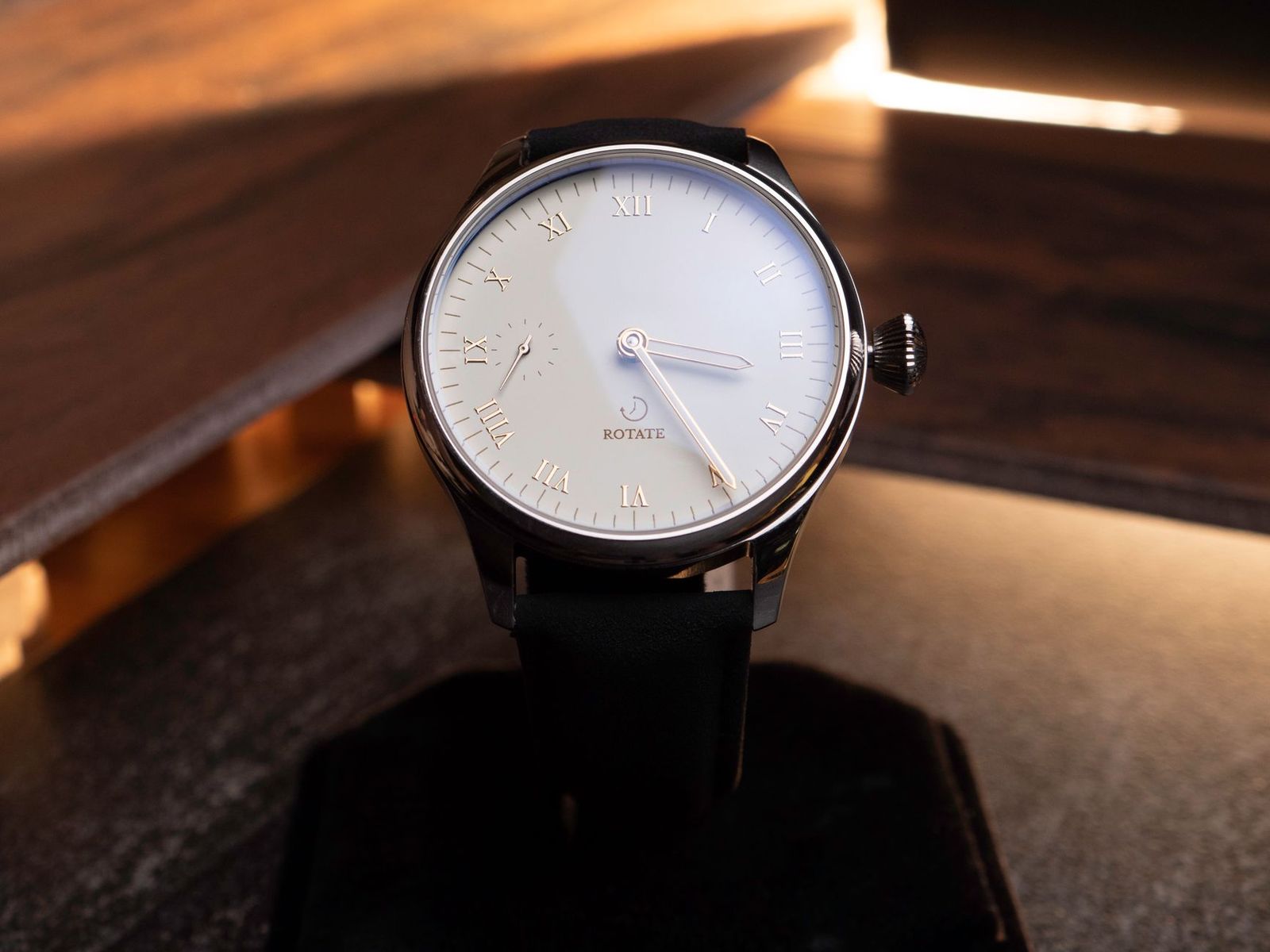
Best Bronze Watches Under 500 (2026): Buying Guide
Disclosure: We may earn a commission when you buy through links on this page, at no extra cost to you. As an Amazon Associate I earn from qualifying purchases. Learn more

The best bronze watches under 500 give you a solid case, a reliable movement and a patina that grows with wear.
Bronze cases change as you wear them, darkening and developing marks that record your days in a way steel never does. That living finish is the appeal, but it also raises questions first time buyers rarely think to ask. This guide to the best bronze watches under 500 covers alloy, movement, sizing, and care so the watch you choose ages the way you expect.
The comparison table below lists current options side by side. Use it after you know your wrist size and your movement preference, because those two decisions narrow this price range more than any brand name.


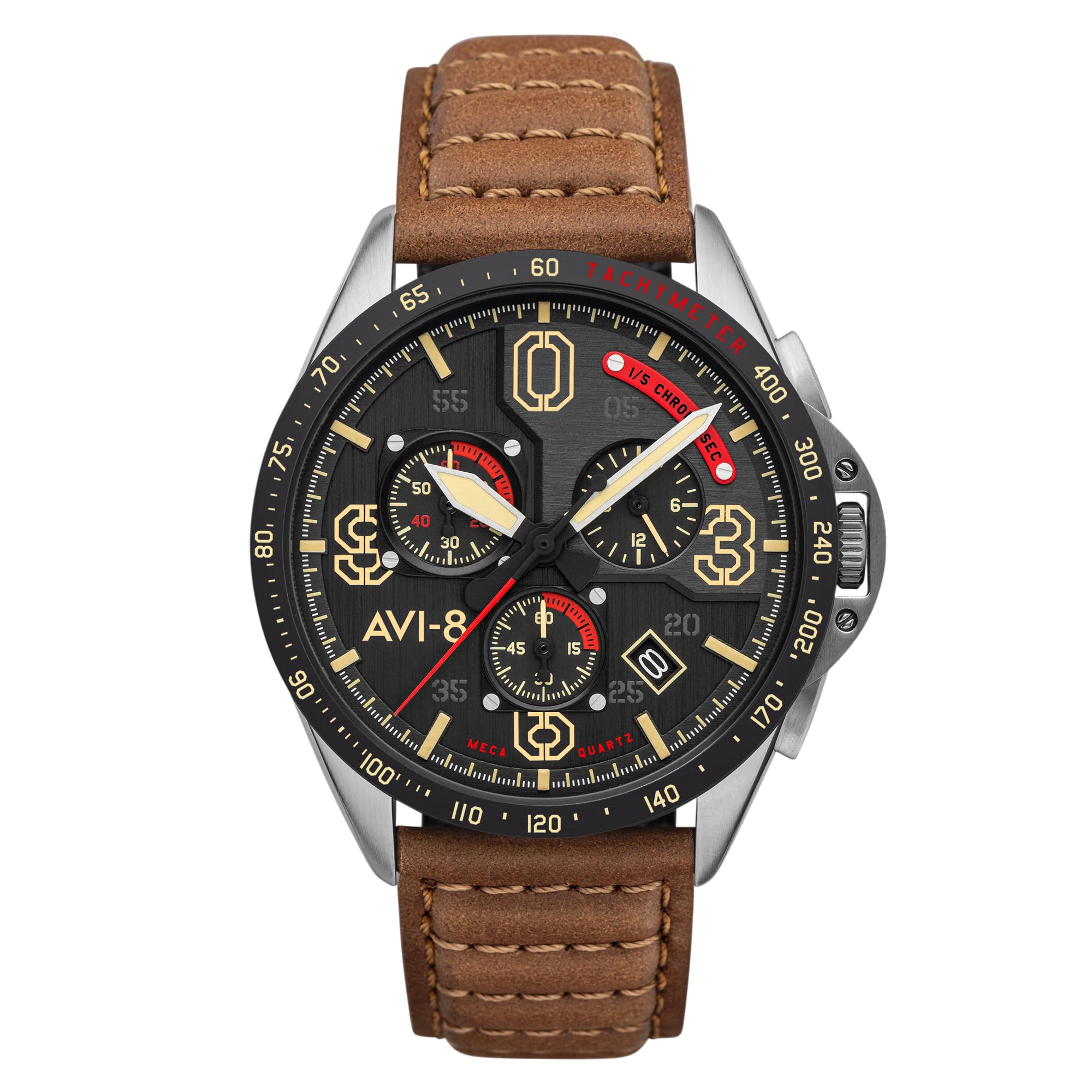
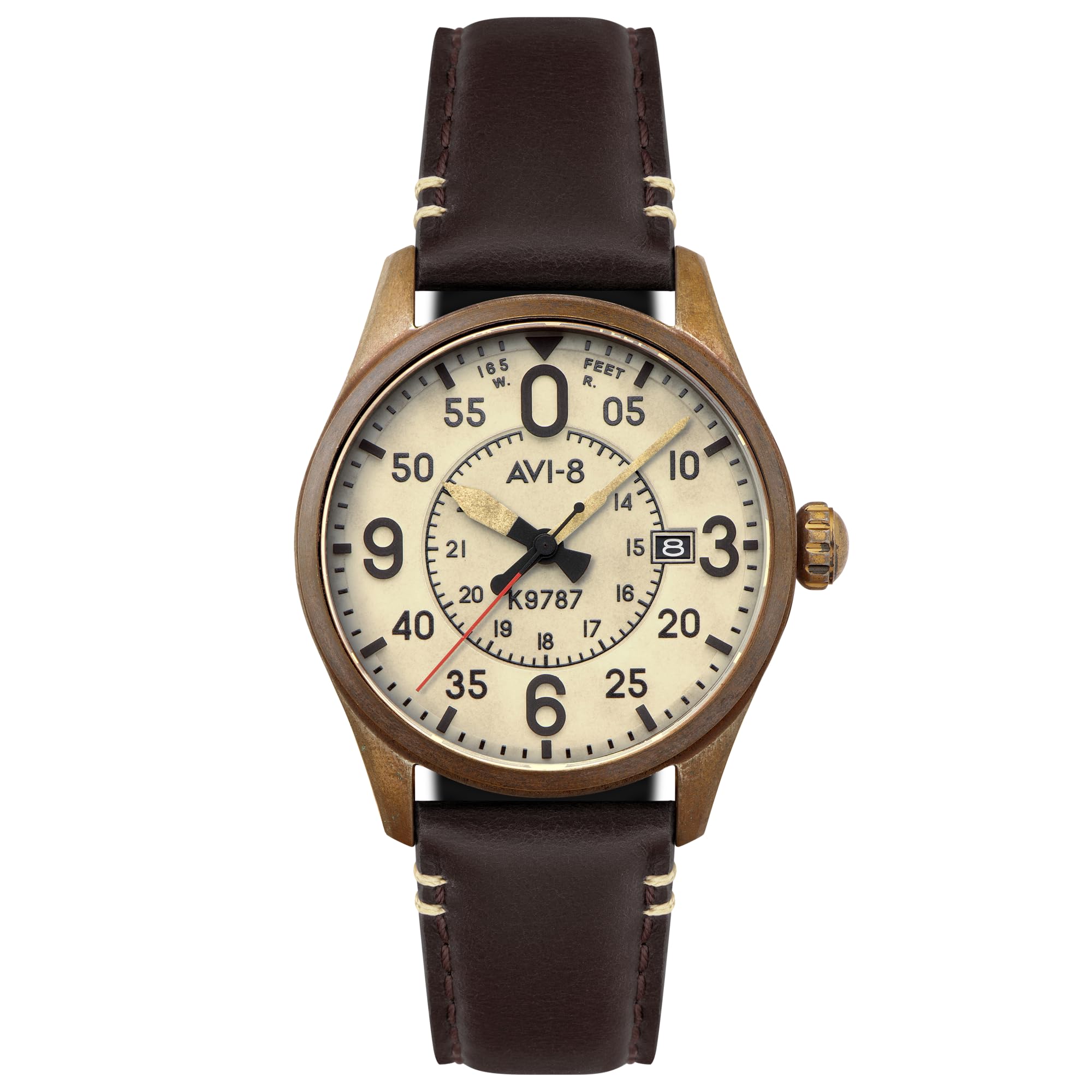
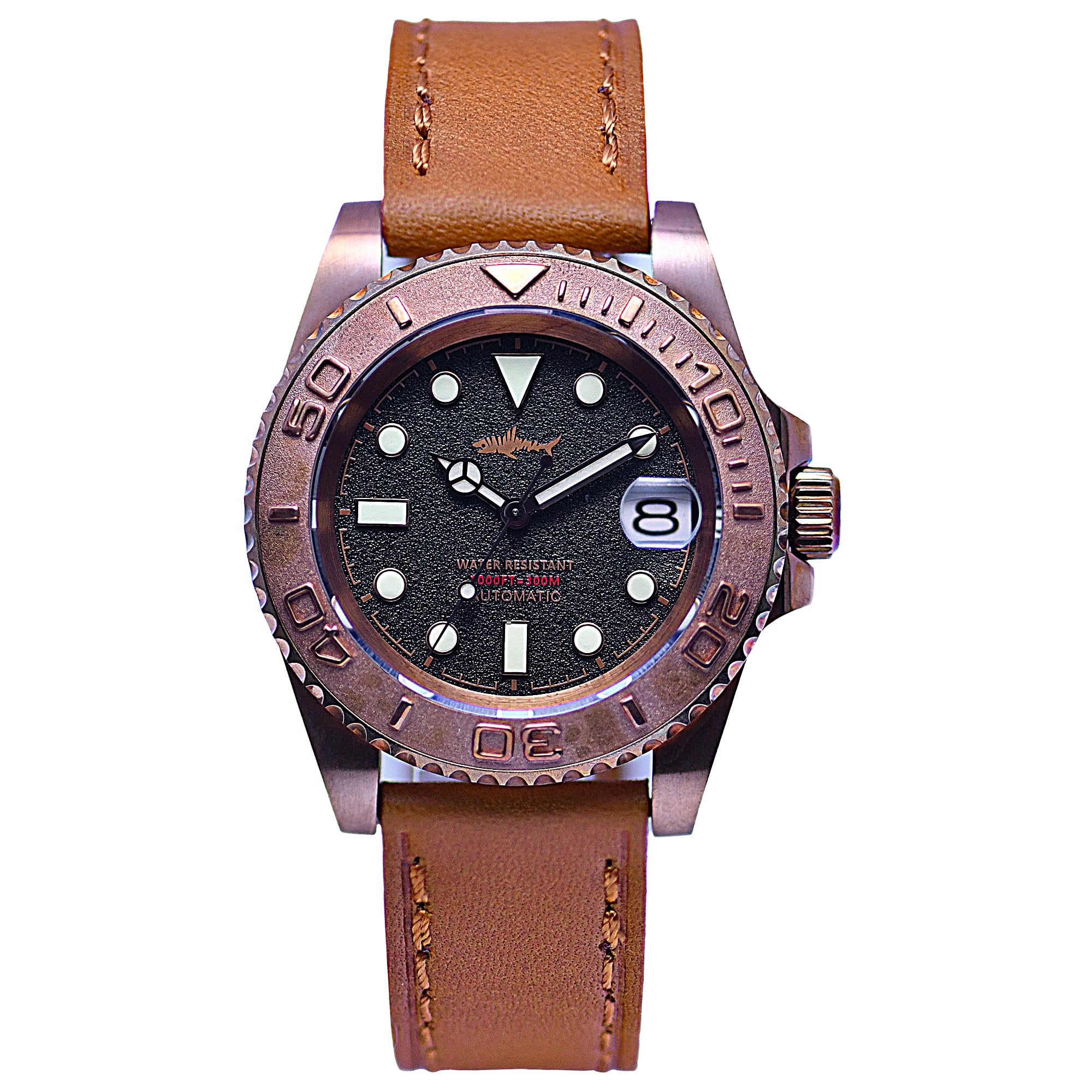
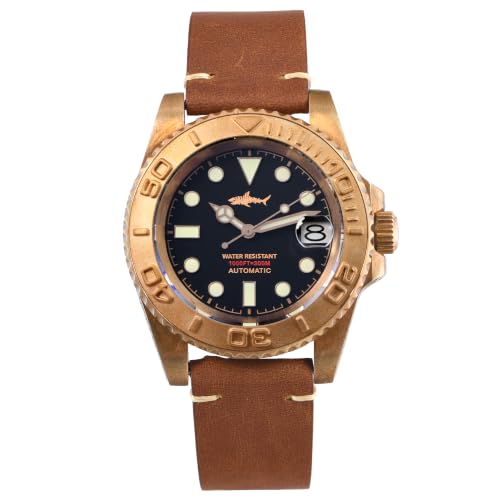


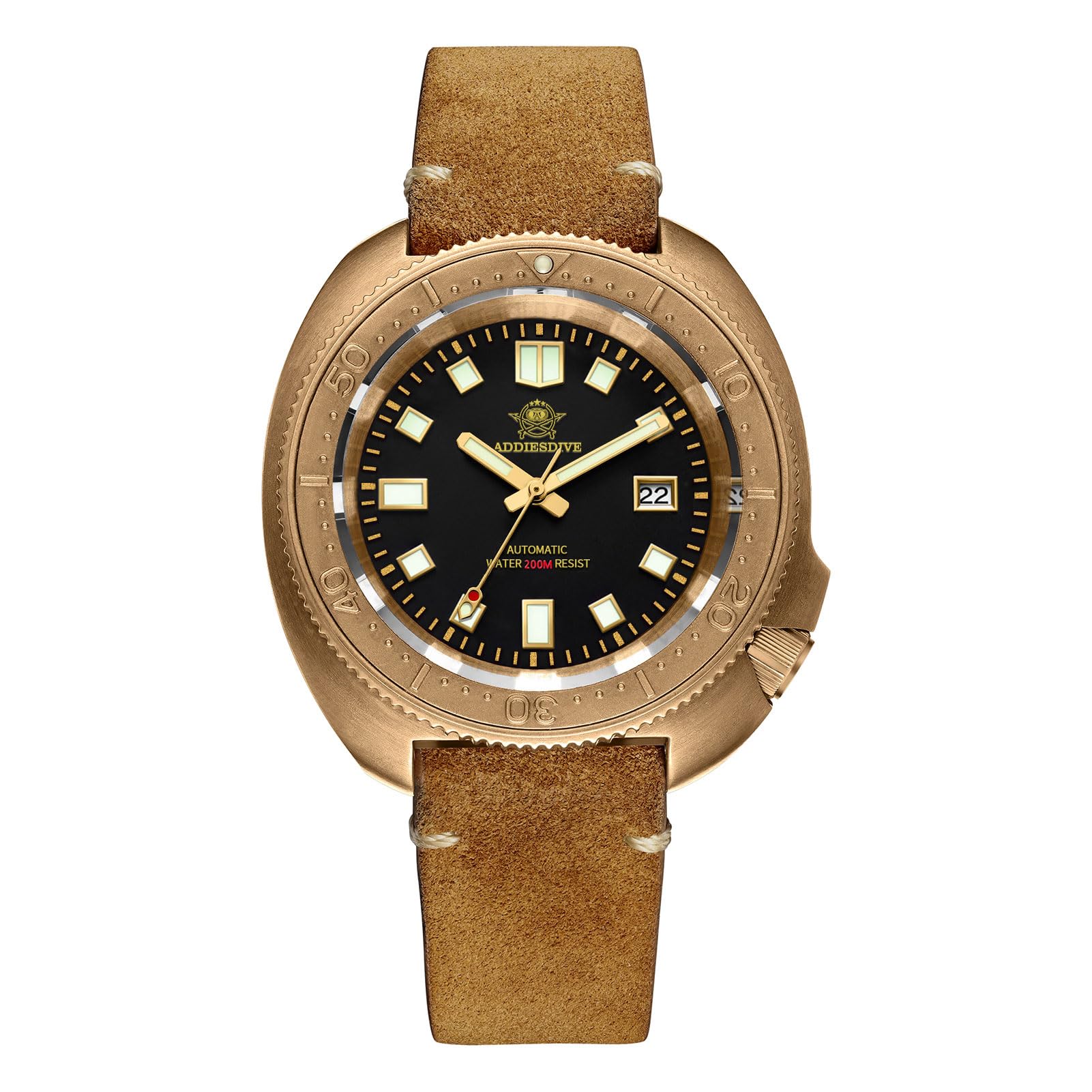

Price Tiers at a Glance
What Around $150 to $300 Usually Delivers
The entry tier is mostly quartz movements in bronze or bronze plated cases, and that distinction matters. Solid bronze cases appear here, but many watches at this level use a thin bronze tone coating over steel, which wears very differently. Expect mineral crystal rather than sapphire, basic water resistance around 30 to 50 meters, and simple leather or canvas straps. This tier suits you if you want to test whether you enjoy patina before committing more money. Read listings carefully for the words solid bronze, and treat a vague case description as a coating until proven otherwise.
What Around $300 to $400 Usually Delivers
The middle tier is where solid bronze cases with automatic movements become common, and it is the sweet spot for most buyers. You can expect sapphire crystal on many models, water resistance of 100 to 200 meters, and a steel case back, which matters because bronze against skin can leave a green tint. Straps improve to real leather with better stitching or a rubber option for water use. Movement quality steps up to reliable Japanese or Swiss automatic calibers with hacking and hand winding. If your budget stretches to one tier only, this is usually the one that rewards you.
What Around $400 to $500 Usually Delivers
The top of this budget buys refinement rather than a new category. Cases get better finishing, with brushed and polished surfaces that show patina in stages instead of all at once. Expect sapphire crystal, stronger lume, a signed crown, and sometimes a spare strap in the box. Some models add a bronze bezel on a steel case as a compromise, which reduces skin contact and weight. You are paying for details you feel daily, not for a different kind of watch.
How to Choose the Right Bronze Watch: Buying Guide
What You Can Realistically Get Under $500
Under $500 you can get a genuine solid bronze case, a dependable automatic movement, and sapphire crystal if you shop the middle tier upward. What you give up is in house movements, precious metal accents, and long heritage brand service networks. Do not save money on crystal or water resistance seals, because both protect the watch every day. Save instead on exotic straps and presentation boxes. If you are comparing this budget against the wider market, our guide to the best watches under 500 shows what the same money buys in steel.
Bronze Alloy and Patina
Not all bronze is the same alloy. Aluminum bronze resists corrosion well and develops a slower, more even brown patina. Tin bronze, often called marine bronze, patinas faster and can show green tones sooner, especially around saltwater. Patina is a surface layer that protects the metal beneath, and you can slow it with a light wax or speed it with salt air exposure. You can also reset it with a gentle lemon juice or vinegar bath, though repeated resets thin the character you built. Decide which alloy story you prefer before you buy, because you cannot change it later.
Movement Type (Quartz, Automatic, Solar, Smart)
Automatic movements dominate bronze watches because the vintage character suits mechanical watch fans, and most mid tier options use them. Quartz versions cost less, keep better time, and need only a battery change every two to three years. True bronze solar and smart models are rare, since bronze cases block charging coils and light, so most solar or smart options in this style are bronze tone rather than solid bronze. If low upkeep matters most, quartz wins. If the ritual of wearing and winding matters, see our guide to the best watches under 500 automatic for movement comparisons.
Brand Reputation, Warranty, and Value
Bronze watches come from heritage brands, small independent labels, and microbrands that sell direct. A two year warranty is standard at this price, and the real question is who honors it and how fast. Check whether the brand stocks spare crowns, gaskets, and crystals, because bronze models often run in small batches. Resale value is unpredictable since patina is personal, so buy the watch you want to wear for years.
Case Size and Wrist Fit
Bronze dive and field styles run large, commonly 40 to 44 mm, and bronze is denser than steel, so the same case feels heavier on the wrist. Measure your wrist and pay attention to lug to lug length, which decides whether the case overhangs. Around 38 to 40 mm suits wrists under about 6.5 inches, while 42 to 44 mm suits broader wrists and reads as a deliberate statement. Thickness matters too: automatic bronze divers often sit 13 to 15 mm tall and can catch on cuffs. Try a similar size in steel first if you can.
Water Resistance Rating
Ratings describe static pressure, not real world swimming forces. A 30 meter rating means splash resistance only, so keep that watch away from the shower. At 100 meters you can swim confidently, and 200 meters with a screw down crown is the true dive standard. Bronze adds one wrinkle: saltwater accelerates patina and can pit cheap alloys, so rinse the watch in fresh water after ocean use. If water is your main use case, compare these options with our guide to the best dive watches under 500 before you decide.
Legibility and Style
Bronze pairs naturally with black, blue, green, and brown dials, and the case warms up as the dial stays constant, so contrast shifts over time. Strong lume matters if you read the watch at night, and dive styles usually deliver the brightest and longest lasting glow. Applied indices and a mix of Arabic numerals and markers read fastest at a glance. Think about where you will wear it: a patina heavy case suits casual and outdoor clothing, and can look out of place with a sharp suit.
Types of Bronze Watches
Dive and Field Watches
Dive styles bring a rotating bezel, strong lume, and 200 meter resistance, and bronze suits the tool watch brief perfectly. Field watches use simpler fixed bezels, military style dials, and slimmer cases for daily wear. Both patina beautifully because their brushed finishes show change evenly. Choose a diver for water and wrist presence, and a field watch for lighter, lower profile comfort.
Solar Watches
Solar power and solid bronze rarely meet, because a metal case blocks the light path and charging that solar cells need. Most solar options in this look use a bronze tone finish on a steel or resin case, which gives the color without the patina. That trade suits you if you want zero battery changes and a warm toned case. If genuine patina is the point of your purchase, solar is the wrong branch of the tree.
Smartwatches
Smartwatches in bronze are almost always bronze colored aluminum or steel, not solid bronze, because sensors and radios need predictable materials. You gain notifications, GPS, and health tracking, and you lose the aging finish that makes bronze special. Battery life runs one to two days rather than years. Pick based on whether you want a device on a tech replacement cycle or an object you keep.
Automatic Watches
Automatics are the heart of this category. A rotor winds the mainspring as you move, the watch runs about 38 to 42 hours off the wrist, and the sweeping seconds hand suits the vintage bronze look. Ownership means accepting a service every five to seven years and accuracy measured in seconds per day rather than per month. For most bronze buyers this is the default choice, and guides like the best male watches under 500 roundup show how automatics dominate this budget.
Tips to Get the Most From Your Bronze Watch
- Service automatic watches every 5 to 7 years. A watchmaker replaces gaskets and oils the movement, which protects both accuracy and water resistance.
- Rinse after saltwater exposure. Fresh water removes salt that speeds uneven patina and attacks seals and spring bars.
- Store away from magnets. Phones, speakers, and bag clasps can magnetize an automatic movement and make it run fast.
- Rotate straps to reduce wear. Leather absorbs sweat and salt; swapping to rubber for water days keeps both straps alive longer.
- Use a quick release strap for easy swaps. Tool free spring bars let you change the look in seconds and reduce scratches from strap tools.
- Expect a green tint on skin at first. A steel case back limits contact, and the reaction fades as patina seals the surface.
Frequently Asked Questions
Can you get a good bronze watch under $500?
Yes, the middle of this range delivers a solid bronze case, an automatic movement, and sapphire crystal, which is a genuinely good watch by any standard. What you give up versus pricier pieces is brand heritage and movement finishing, not durability. Shop the tiers above, verify the case is solid bronze rather than coated, and the budget will not hold you back.
Quartz or automatic: which is better for a bronze watch?
Neither is better in absolute terms; they suit different owners. Quartz is cheaper, thinner, and accurate to seconds per month with almost no upkeep. Automatic costs more and needs periodic service, but it matches the traditional character that draws people to bronze. If you own several watches and rotate them, an automatic also stops between wears, so factor in the small ritual of setting it each time.
What case size fits my wrist?
Measure your wrist circumference and match it to lug to lug length first, then diameter. Wrists around 6 to 6.5 inches usually wear 38 to 40 mm best, midsize wrists handle 40 to 42 mm, and larger wrists carry 42 to 44 mm comfortably. Bronze adds weight, so a size that feels fine in a shop for two minutes can feel heavy by evening. When in doubt, choose the smaller case.
How long does a watch battery last?
A quartz watch battery typically lasts two to three years, and some efficient movements stretch to five. Automatic and solar models have no battery to change in normal use, though automatics need servicing and solar cells eventually need a rechargeable cell after a decade or more. When a quartz seconds hand starts jumping in two second steps, that is the low battery warning on many movements, so plan the change soon.
Is a smartwatch worth it over a classic watch?
It depends on whether you value data or longevity more. A smartwatch gives you GPS, notifications, and health metrics, but its case is bronze in color only and the device is obsolete within several years. A classic bronze watch tells time, ages with you, and stays repairable for decades. Many owners end up with both and wear them on different days, which is an honest answer rather than a compromise.
The Bottom Line
Start with the alloy and the case size, then pick the movement that fits your habits. The middle price tier gives most buyers the best bronze watches under 500 value: solid bronze, sapphire crystal, and a movement worth servicing. Check the product table above for current prices and case details, confirm the case back is steel if your skin reacts to metals, and buy the finish you will enjoy watching change.