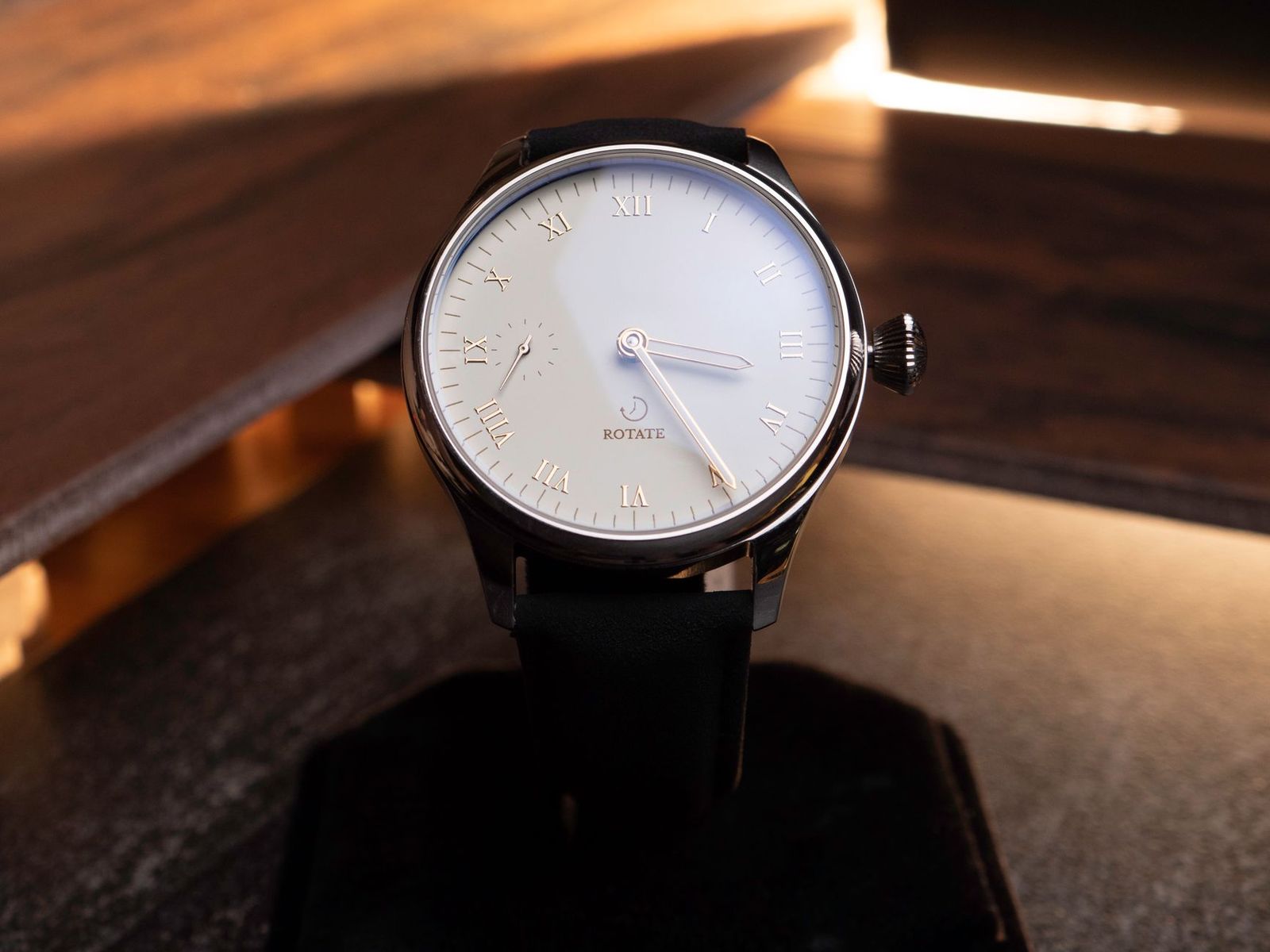
Best Bronze Watches Under 1000 (2026): Beginner Buying Guide
Disclosure: We may earn a commission when you buy through links on this page, at no extra cost to you. As an Amazon Associate I earn from qualifying purchases. Learn more

What the best bronze watches under 1000 offer: movements, crystals, sizes and water ratings explained in plain language.
A first bronze watch feels different from any other purchase, because the case changes color as you wear it and no two pieces age the same way. This guide to the best bronze watches under 1000 starts with the basics, explains each spec in plain language, and shows you what this budget can and cannot buy. By the end, you will know how to judge movement, crystal, size, and water resistance with confidence.
We will move step by step, from what bronze is to how to set and care for your watch on day one. Keep your wrist size and your daily routine in mind as you read, and use the comparison table below to check the specs we discuss.


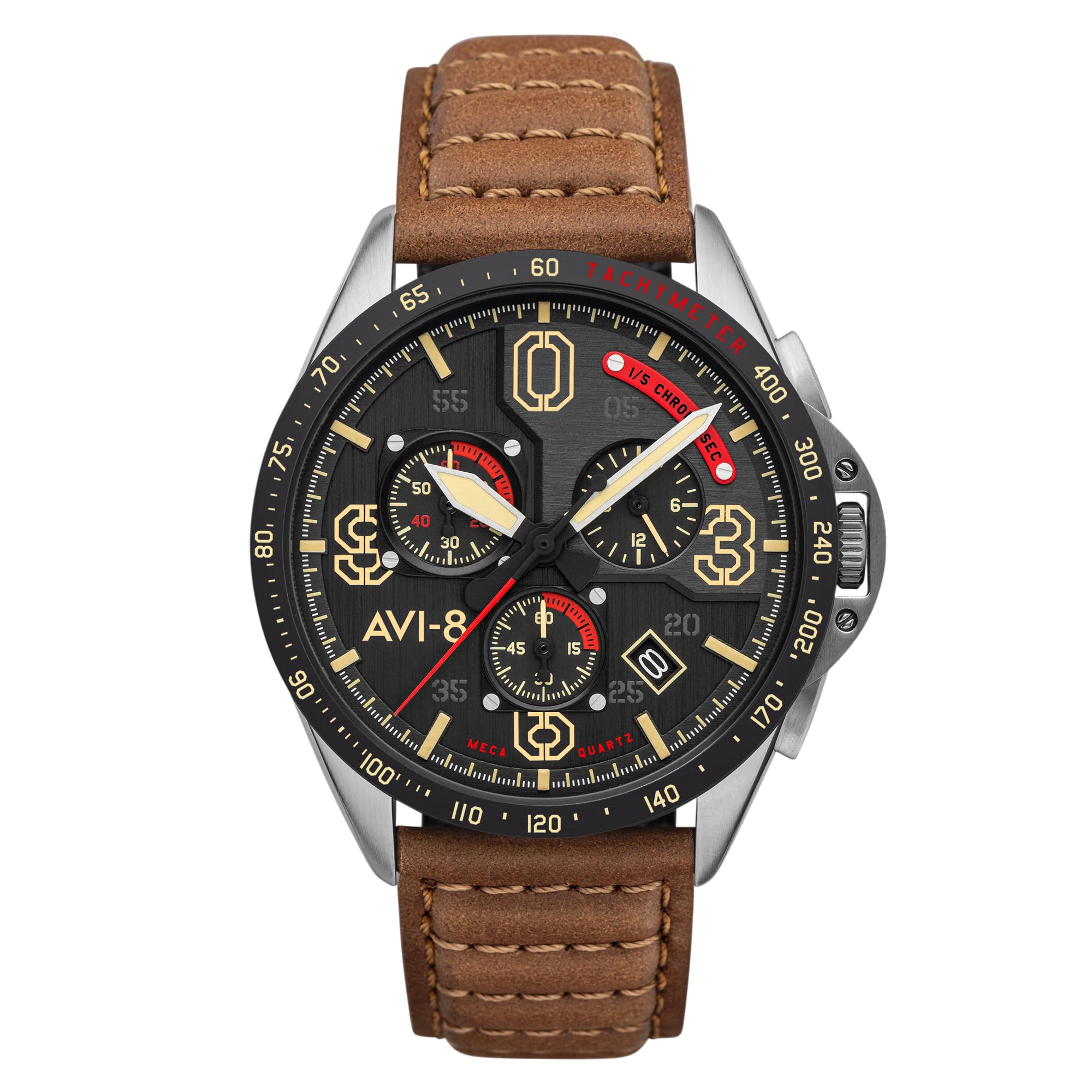
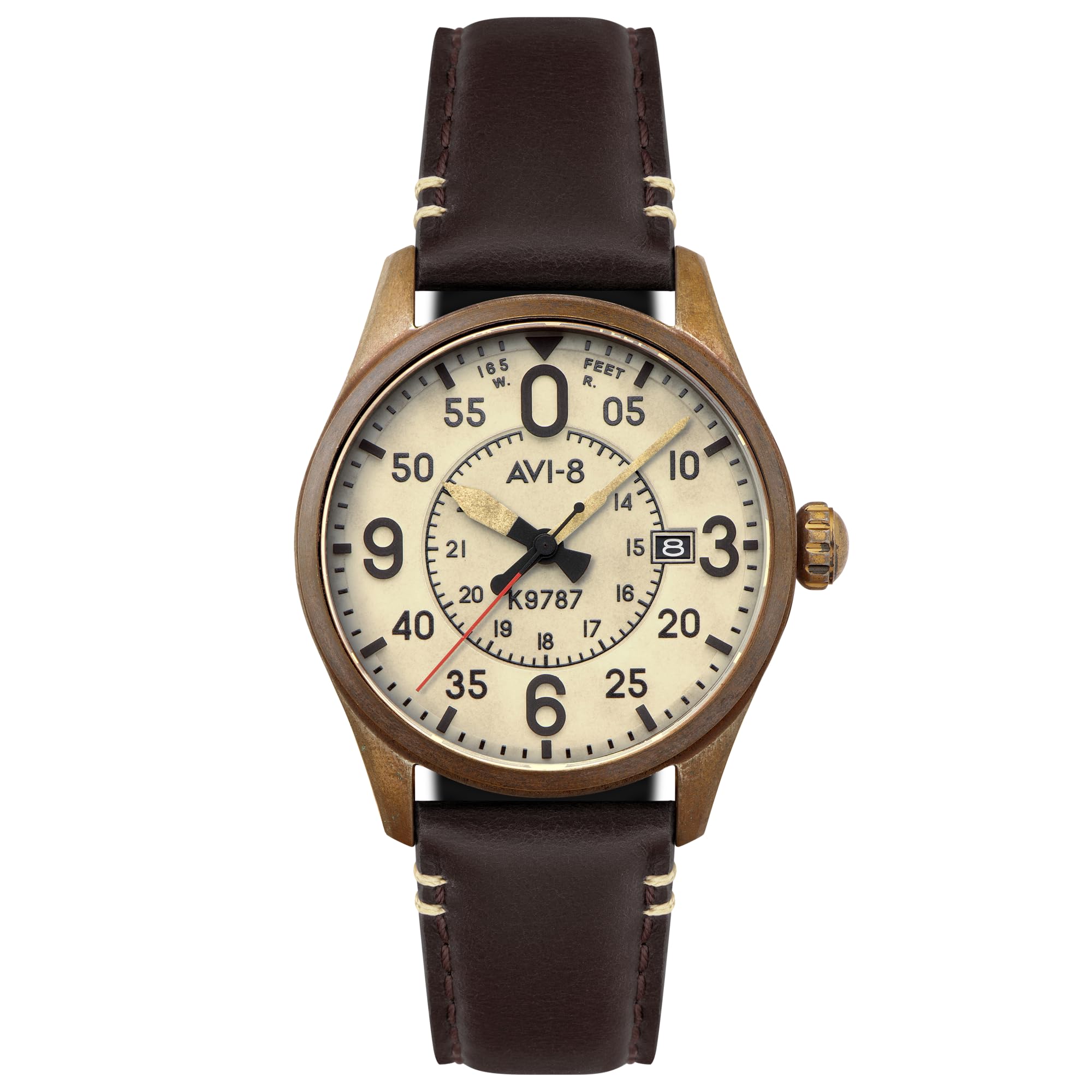
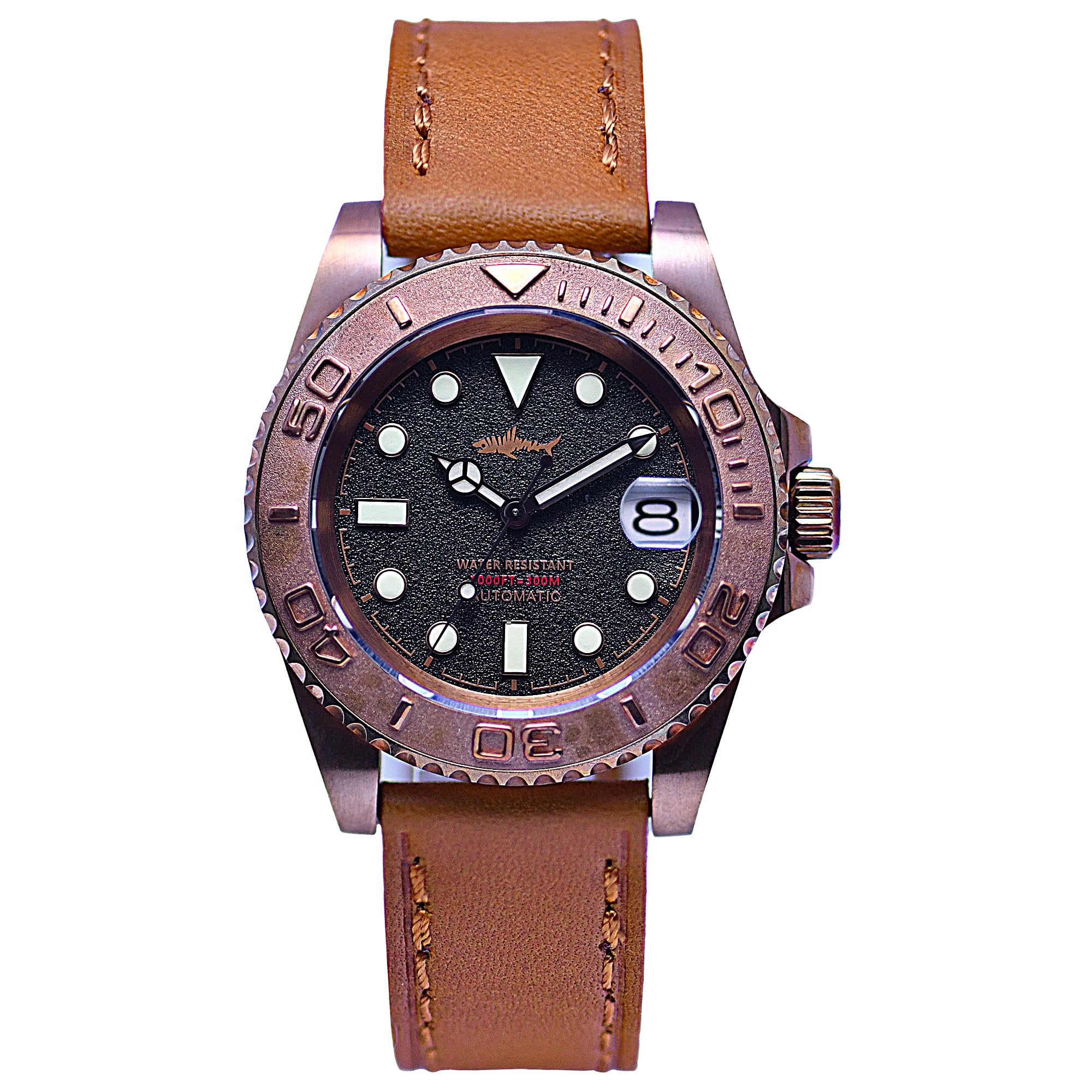
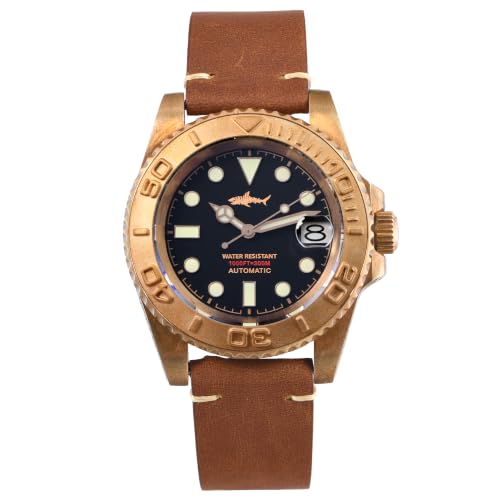


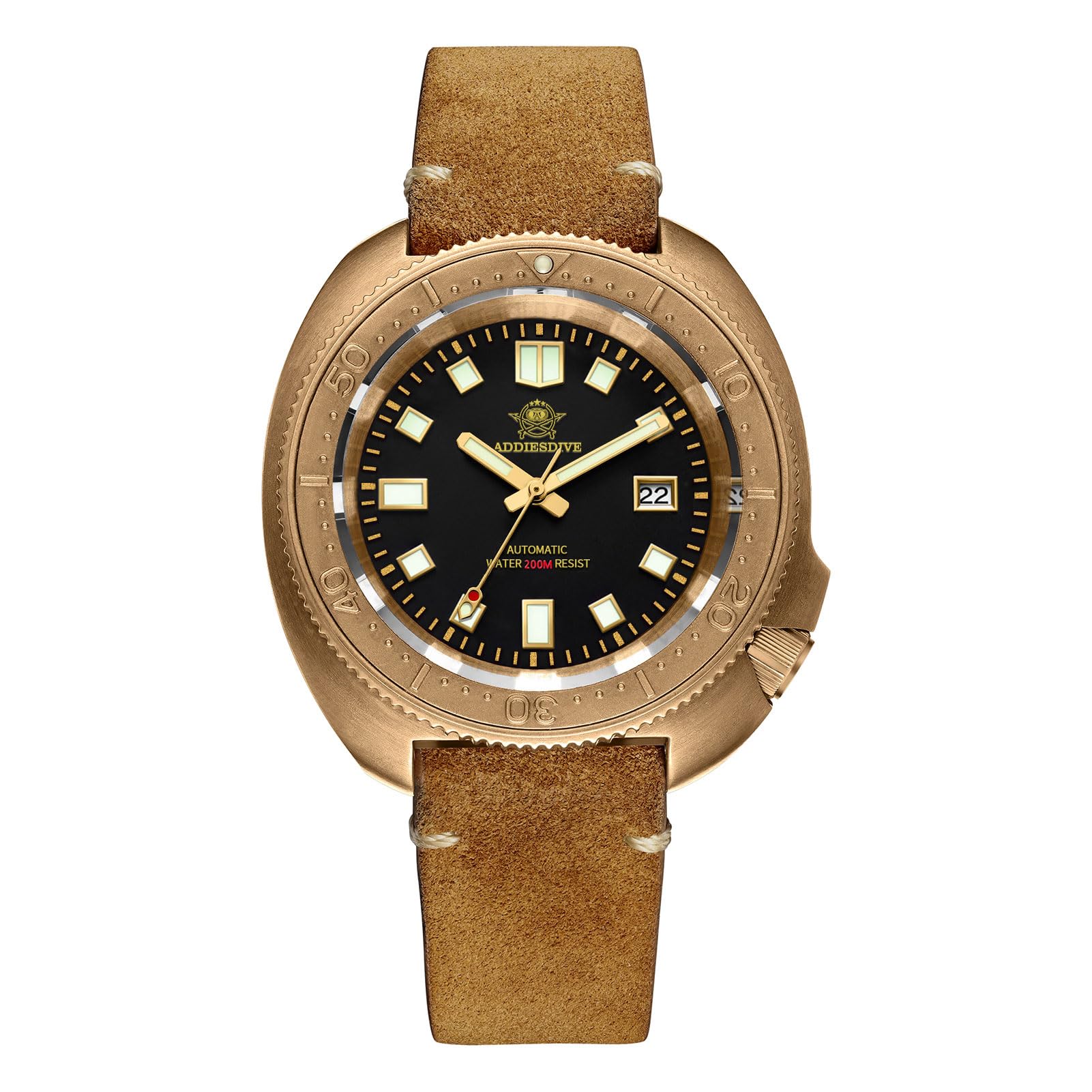

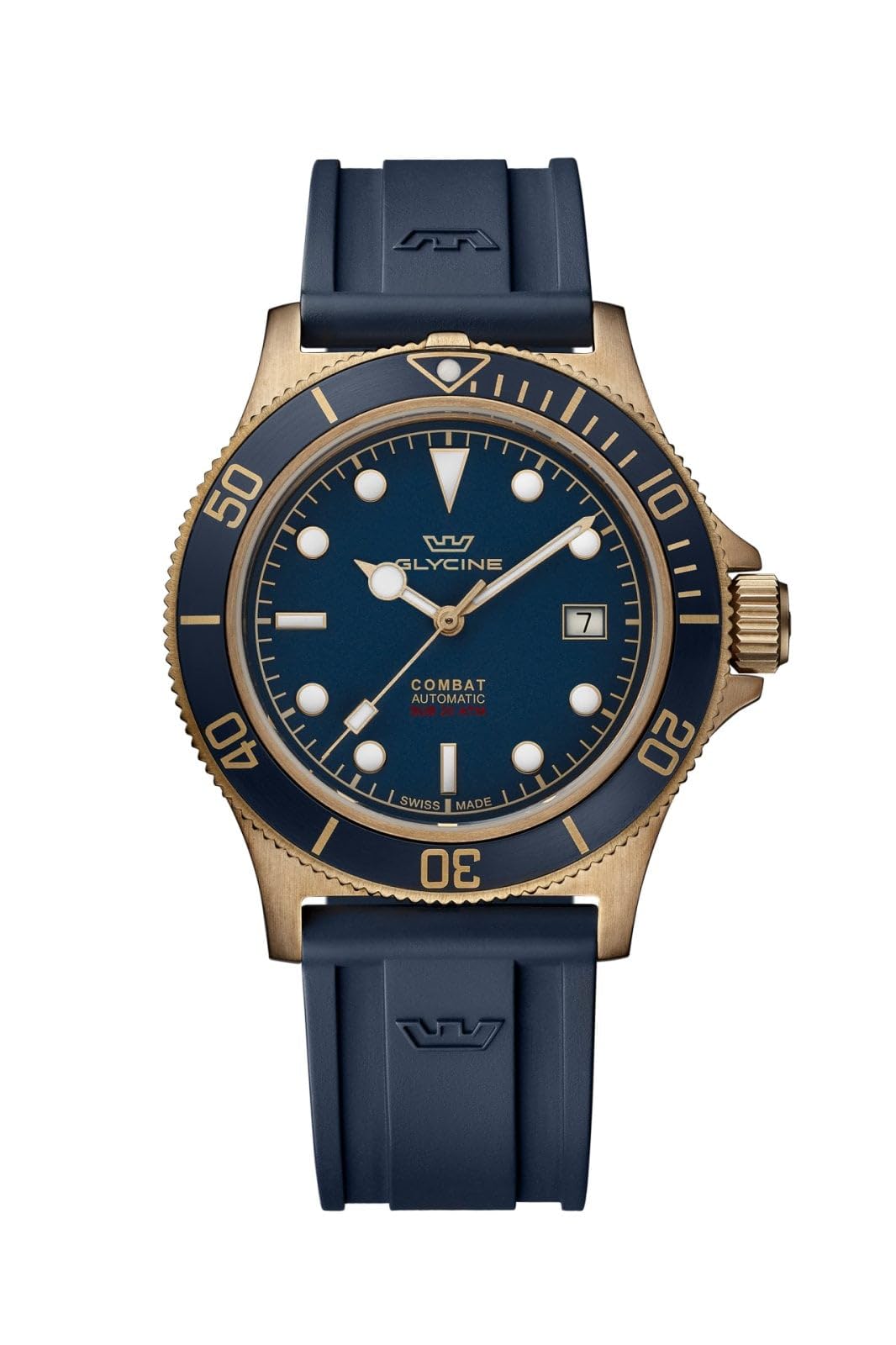
Bronze Watches 101: The Basics
A bronze watch uses a copper alloy for the case instead of the usual stainless steel. In air and moisture, the surface slowly forms a darker layer called patina. That layer protects the metal below and gives each watch a personal, vintage look shaped by your climate, your skin, and how often you swim or sweat in it.
A few terms will help. The movement is the engine inside, either a battery powered quartz design or a spring driven automatic design that winds from wrist motion. The crystal is the clear cover over the dial. Lume is the glow material on hands and markers. A bezel is the ring around the dial, often rotating on dive styles to time elapsed minutes.
Bronze feels warm on the wrist and pairs well with leather and fabric straps. The case back and buckle are often steel or titanium, because bronze against skin can leave a faint green tint on some wearers. That tint washes off and is normal, but it is worth knowing before your first purchase.
Key Specs Explained in Plain English
Specs look technical, but each one answers a simple question: will this watch fit my wrist, survive my day, and hold up for years? Work through the six areas below in order. Together they cover nearly every decision a first time buyer needs to make under this budget.
What You Can Realistically Get Under $1000
Under $1000, you can realistically get a solid bronze case, a reliable Japanese or Swiss automatic movement, a sapphire crystal on many models, and water resistance fit for swimming. Expect good finishing, not flawless finishing. Fine polishing, decorated movements, and in house calibers are usually cut at this level to protect price.
Do not save money on the crystal or the movement to afford a fancier strap. A watch around $400 to $700 often gives the best balance here, while models near around $200 may use mineral crystal and simpler movements. Spend first on the parts you cannot easily upgrade later.
Movement Type (Quartz, Automatic, Solar, Smart)
Quartz movements run on a battery, keep excellent time within seconds per month, and need the least care. Automatic movements run on a mainspring, gain or lose seconds per day, and reward owners who enjoy mechanical craft. Most bronze models under this budget are automatic, because buyers in this style value tradition.
Solar and smart options in bronze are rare, so treat them as exceptions rather than the norm. If accuracy and low upkeep matter most, quartz wins. If character and a sweeping second hand matter most, automatic wins. Either way, confirm the service cost and battery or service interval before you buy.
Brand Reputation, Warranty, and Value
Brand reputation matters because a watch is a long term service relationship. Look for at least a two year warranty, a clear United States service path, and ready access to gaskets, crystals, and crowns. Established makers tend to hold value better and publish full specs, including lug width and movement grade.
Value is not only resale. A watch you wear daily for ten years at around $600 costs far less per wear than a cheaper watch you stop wearing in a year. If you want a wider view of this budget, our guide to the best watches under 1000 compares steel, titanium, and bronze cases side by side.
Crystal and Case Materials
Sapphire crystal is the standard to aim for, because it resists scratches from doors, desks, and daily knocks far better than mineral glass. Mineral crystal costs less and can shatter less easily on a hard impact, but it marks more over time. Under this budget, sapphire is common enough that settling for mineral should come with a clear price saving.
The bronze case itself varies by alloy. Some alloys patina fast and dark, others age slowly and stay golden longer. Case backs are usually steel or titanium for comfort. Check the stated alloy if you can, and expect the tone in photos to differ from the tone after months of wear.
Strap and Bracelet Options
Most bronze watches ship on leather, rubber, or fabric, because a full bronze bracelet would be heavy and costly. Leather suits office and casual wear and shows patina drips less, but it dislikes water. Rubber and silicone suit swimming and summer wear. Fabric straps in the NATO style add color and security, since the watch stays on even if one spring bar fails.
Quick release spring bars are worth seeking, because they let you swap straps with your fingers in seconds. Confirm lug width, commonly 20 mm or 22 mm, before ordering extra straps. A second strap doubles the looks you get from one watch, which is smart value for a first purchase.
Legibility and Style
Legibility is how fast you can read the time at a glance. Strong contrast between hands and dial, large markers, and bright lume all help, especially on dive styles used in low light. Check photos in dim settings, not only studio shots, when you judge lume claims. A clean dial with fewer lines of text usually reads fastest.
Style should match your wardrobe. Bronze dive watches lean rugged and casual, while bronze field and dress leaning styles dress up better with a smooth bezel and a simple dial. If you split time between office and outdoors, a mid size case on leather is the most flexible first choice. For water focused use, our guide to the best dive watches under 1000 explains bezel and rating details in depth.
Rookie Mistakes to Avoid
- Buying by photo color alone. Bronze changes tone within weeks, so buy for shape and specs, not for the exact golden shade in the listing.
- Ignoring case size. A 42 mm case with long lugs can overwhelm a slim wrist even though the number sounds average.
- Skipping water resistance details. A 30 meter rating means splash protection only, not swimming, despite the impressive sounding number.
- Forgetting service costs. Automatic watches need service every five to seven years, and that cost belongs in your budget from day one.
- Choosing a strap you cannot replace. Odd lug widths or fixed bars limit your options and raise replacement costs later.
Getting Started: Setup and First Use
When your watch arrives, inspect the case, crystal, and crown before removing any protective film. Set the time away from the date change window late at night if your movement has a date, and wind an automatic gently with about 20 to 30 turns of the crown to start it. Wear it for a full day before judging accuracy, since automatics settle as the spring reaches a steady state of wind.
Service automatic watches every five to seven years, or sooner if timekeeping drifts or water resistance is in doubt. Rinse the watch after saltwater exposure with fresh water if its rating allows swimming, and dry it with a soft cloth. Store it away from strong magnets and leave patina care simple: let it age, or use a mild lemon and baking soda paste only if you want to reset the tone, knowing it will return.
If you lean toward mechanical models in other case metals too, our guide to the best automatic watches under 1000 covers winding, accuracy, and service planning in more detail.
FAQs
Can you get a good bronze watch under $1000?
Yes, you can get a genuinely good bronze watch under $1000. This budget covers proven automatic movements, sapphire crystals, and swim ready water resistance from reputable makers. What it does not cover is luxury finishing or precious materials. Judge by movement, crystal, and warranty rather than by box or branding, and your money goes a long way.
How water resistant should a watch be?
Choose at least 100 meters if you plan to swim, and 200 meters with a screw down crown if you plan to dive or swim often. A 30 or 50 meter rating handles rain and hand washing only, despite the numbers sounding large. Have seals checked every two to three years, because ratings depend on fresh gaskets, not on the case alone.
What case size fits my wrist?
Measure your wrist, then match case diameter and lug to lug length to it. Wrists near 6 to 6.5 inches usually suit 36 to 39 mm cases, while wrists near 7 to 7.5 inches suit 40 to 42 mm cases. The lug to lug length matters most: if the lugs overhang your wrist, the watch will look and feel too large regardless of diameter.
Quartz or automatic: which is better?
Neither is simply better; they suit different owners. Quartz is more accurate, thinner, and cheaper to maintain, with a battery change every few years. Automatic offers mechanical craft, a smooth sweeping second hand, and no battery, at the cost of daily wear to stay wound and service every five to seven years. Most bronze buyers choose automatic for character, and that is a valid reason.
Is a smartwatch worth it over a classic watch?
A smartwatch is worth it if you rely on notifications, fitness tracking, or contactless pay every day. A classic bronze watch is worth it if you want a lasting object that needs no charging and ages with character. Many owners keep both for different days. Under this budget, buy the one you will reach for most mornings, and consider our guide to the best gmt watches under 1000 if travel time zones are part of your routine. A dedicated guide to the best male watches under 1000 can also help you compare classic styles.
Final Thoughts
For a first bronze purchase, put movement reliability, sapphire crystal, and honest water resistance at the top of your list, then choose the size and strap that fit your wrist and your week. Expect patina, welcome it, and budget for service so the watch lasts. With those points settled, the best bronze watches under 1000 become easy to spot in the product table above, and your first pick can serve you well for many years.