
The Best Affordable Bronze Watches for 2026: Buying Guide
Disclosure: We may earn a commission when you buy through links on this page, at no extra cost to you. As an Amazon Associate I earn from qualifying purchases. Learn more
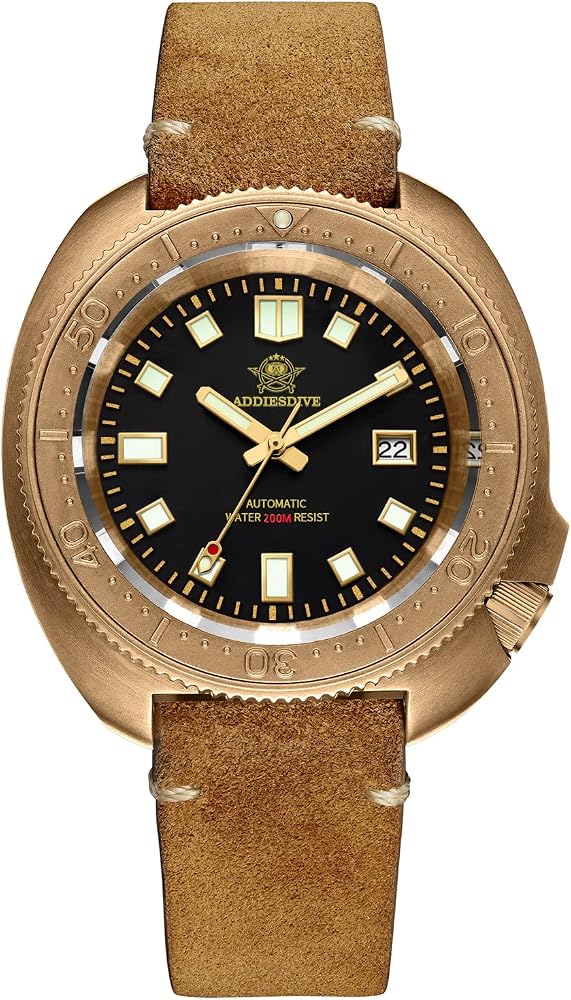
Movements, case size, water resistance and patina care explained for the best affordable bronze watches.
Bronze gives a watch a warm tone and a patina that changes with your life, but the alloy also raises practical questions about skin contact, water use, and upkeep. This guide helps you sort the best affordable bronze watches by movement, case size, and strap choices so you buy with clear expectations. Start with the comparison table below, then use the criteria that follow to check each candidate against your wrist and your routine.




Price Tiers at a Glance
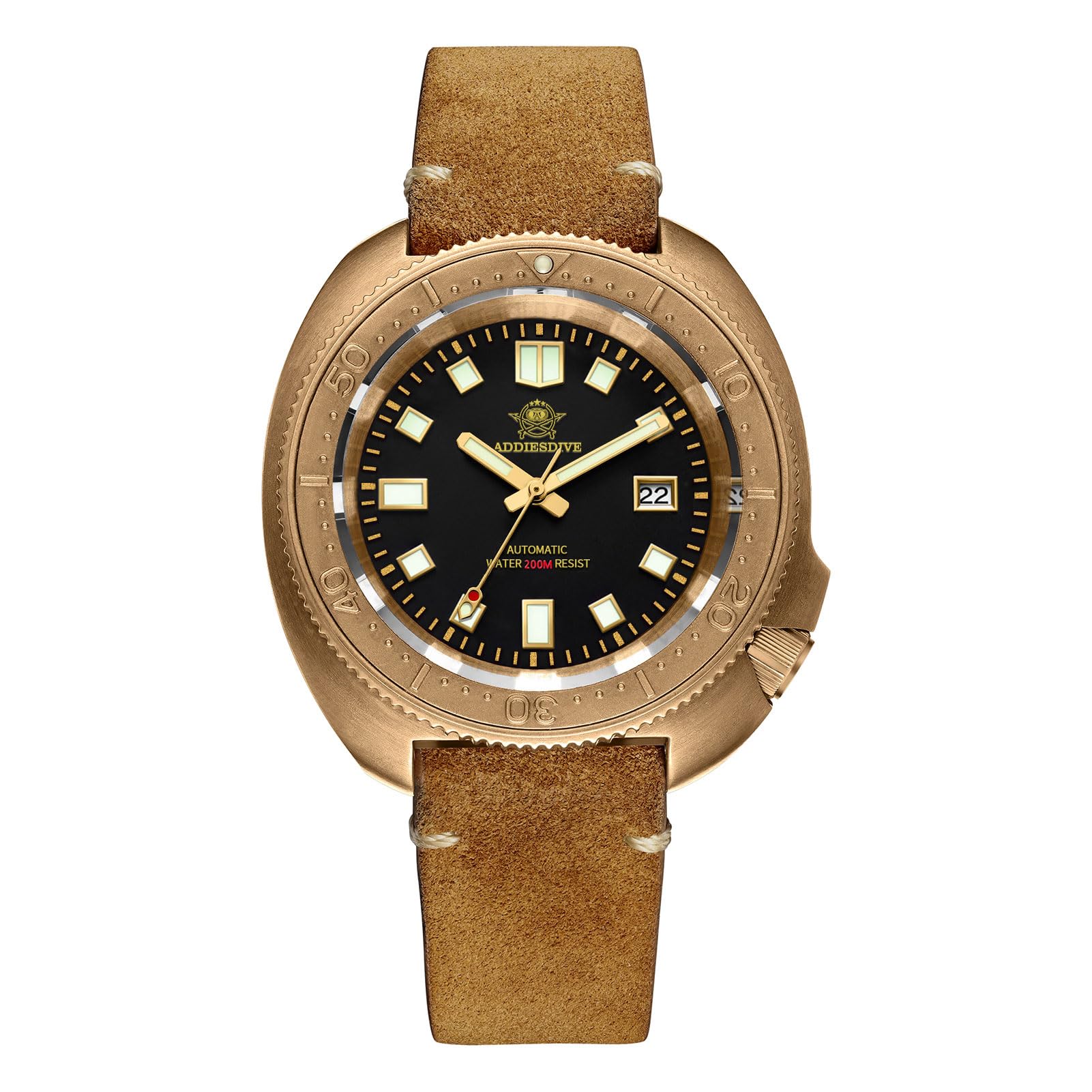
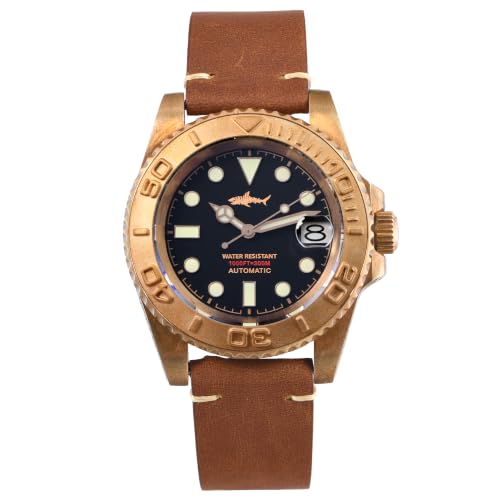
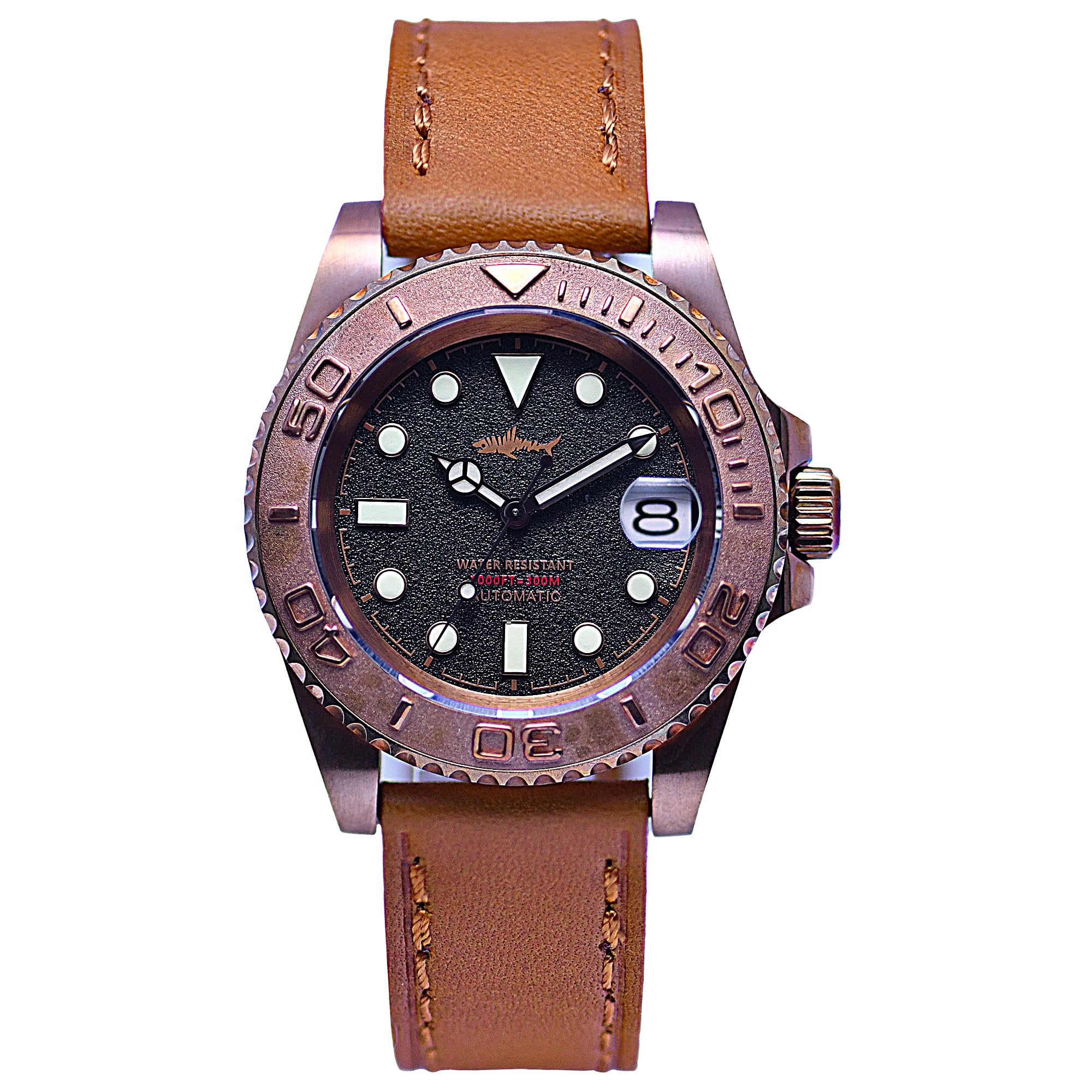
Because makers use bronze in very different ways, price tiers are a more honest guide than any single model name. Use the tiers below to read the product table above with realistic expectations about movement quality, crystal material, and finishing.
Best Overall Tier
The overall sweet spot is usually around $250 to $450. Expect a reliable automatic or high accuracy quartz movement, a solid bronze case with a steel case back, and a sapphire or good quality mineral crystal. Lume should be bright enough to read at night, and the strap should use real leather or a sturdy woven nylon. This tier suits buyers who want one bronze watch for daily wear and expect the patina to develop evenly over years of use.
Best Value Tier
Value options around $120 to $250 often pair a dependable quartz movement with a genuine bronze case. You may give up sapphire crystal and get simpler dial finishing, but timekeeping is usually excellent and maintenance is low. This tier works well if you are curious about bronze and want to learn how patina behaves on your skin and in your climate before spending more. Check that the case back is steel, because that detail protects sensitive skin at any price.
Best Premium Tier
Premium affordable options around $450 to $700 add better automatic movements, stronger water resistance, and finer case finishing with cleaner edges and more even brushing. Straps improve too, with thicker leather and better hardware. This tier makes sense for collectors who plan to keep the watch for a decade. For a broader view of the category, see our guide to the best bronze watches and compare how higher budgets change movement and crystal choices.
How to Choose the Best Bronze Watches: Buying Guide
This is the core of your decision. Bronze is the visible material, but the movement, water rating, and strap system decide whether the watch suits your days. Work through each point below in order and note your answers. Those notes turn a long product list into a short one very quickly.
What You Can Realistically Get on a Budget
Under around $300, expect quartz movements, mineral crystals, and simple straps, with the bronze case as the main attraction. Around $300 to $500, automatic movements and sapphire crystals become realistic. What you should not accept at any price is an unclear alloy description. Some low cost watches use bronze colored coatings over base metal, which wear very differently from solid bronze. Listings should state the case material plainly. If they do not, move on to a clearer option.
Movement Type (Quartz, Automatic, Solar, Smart)
Quartz movements are accurate, slim, and low maintenance, with a battery change every two to three years. Automatic movements wind from your wrist motion and appeal to buyers who enjoy mechanical craft, but they need servicing every five to seven years and can drift by several seconds a day. Solar movements charge from light and remove battery worries, though true bronze solar models are rare. Smart features in a bronze case are rarer still, so most buyers choose between quartz simplicity and automatic character.
Strap and Bracelet Options
Bronze pairs best with leather, woven nylon, and rubber straps, because full bronze bracelets are heavy and can stain skin and cuffs more readily. Look for quick release spring bars, which let you swap straps in seconds without tools. That matters with bronze, since you may want leather for the office and rubber for weekends near water. Strap width is commonly 20 mm or 22 mm, and confirming it before you buy saves return costs. Keep a spare strap ready for summer, when sweat speeds patina and darkens leather.
Water Resistance Rating
A 30 m rating means splash resistance only, fine for hand washing but not swimming. A 100 m rating handles swimming and snorkeling for most people, while 200 m suits regular diving use with a screw down crown. Remember that ratings assume seals in good condition, so have gaskets checked every few years. With bronze, also rinse the watch in fresh water after saltwater exposure and dry it fully, because salt speeds uneven corrosion around the crown and case back.
Legibility and Style
Bronze cases look best with simple, high contrast dials in black, blue, green, or cream. Strong lume on hands and markers helps at night and suits the tool watch character of the metal. Consider how patina will change the look over time. A shiny new case reads almost like gold, while a darkened case looks rugged and vintage. If you work in a formal setting, a smaller case and a clean dial keep the watch office friendly even as the color deepens. Our guide to the best looking affordable watches covers dial balance and proportion in more depth.
Brand Reputation, Warranty, and Value
Buy from makers who state the bronze alloy, offer at least a two year warranty, and provide service in the United States. A clear warranty matters because crown tubes and gaskets are wear parts. Bronze watches from known makers also hold value better, since buyers trust the alloy and the movement inside. Keep the receipt and warranty card with the box. If your budget is flexible across materials, compare with our guide to the best affordable wrist watches before you commit to bronze upkeep.
Types of Bronze Watches
Automatic Watches
Automatic bronze watches are the classic pairing, because the mechanical movement matches the old world feel of the metal. They suit daily wearers who will keep the watch wound and who enjoy the ritual of setting it after a quiet weekend. Downsides are thickness, service costs, and lower accuracy than quartz. If you own several watches and rotate them, budget for a watch winder or accept regular resetting as part of the charm.
Quartz Watches
Quartz bronze watches deliver the look with grab and go ease. They stay accurate in storage, cost less, and allow slimmer cases that sit well under shirt cuffs. They suit first time bronze buyers and anyone who wears a watch only a few days a week. The main trade off is a ticking seconds hand and less appeal to mechanical collectors. A battery change every few years at a local shop is quick and inexpensive.
Smartwatches
True bronze smartwatches are uncommon, because makers favor aluminum and steel for weight and sensor contact. Most bronze styled smart options use a colored coating rather than solid bronze, so they will not develop real patina. If health tracking and notifications matter most, choose the smartwatch and enjoy bronze tones elsewhere. If patina and character matter most, choose a traditional movement. Trying to get both in one affordable watch usually means accepting a coating that will wear through at the edges.
Solar Watches
Solar watches charge a cell through the dial and can run for months on a full charge, even in a drawer. They suit buyers who dislike battery changes and wear their watch in decent light most days. In bronze cases they remain scarce, so your style choices will be narrow. Check the power reserve indicator if one is offered. A simple know how point is to store a solar watch where it gets ambient light rather than in a closed box, which keeps the cell healthy.
Men comparing sizes and styles across budgets may also find our guide to the best affordable watches for men helpful for wrist proportion advice. And if you decide tracking matters more than patina, see the best affordable smart watches for a different direction entirely.
Tips to Get the Most From Your Bronze Watch
- Service automatic movements every five to seven years, sooner if timekeeping changes suddenly.
- Rinse the watch in fresh water after saltwater exposure and dry it with a soft cloth.
- Store the watch away from magnets such as bag clasps and speakers, which can affect accuracy.
- Rotate straps to reduce wear, and let a wet leather strap dry fully before wearing it again.
- Decide your patina plan early. A lemon juice bath can reset patina, while daily wear deepens it.
- Keep the steel case back clean, because that surface touches your skin all day.
Bronze Watches: Your Questions Answered
How long does a watch battery last?
Most quartz watch batteries last about two to three years, depending on features such as alarms, lights, and chronograph use. When the seconds hand starts jumping in longer steps, many movements are signaling a low battery. Replace it promptly, because an old battery can leak and damage the movement. A jeweler can usually do the job in minutes and can check the gasket at the same visit to protect the water rating.
Is a smartwatch worth it over a classic watch?
It depends on what you check during the day. If you rely on notifications, timers, and activity tracking, a smartwatch earns its place. If you mainly read the time and enjoy objects that age with character, a classic bronze watch is more satisfying and needs charging never or rarely. Many owners keep both and switch by occasion. Be honest about your habits, because the best watch is the one that is actually on your wrist.
How water resistant should a watch be?
For daily wear with hand washing and rain, 30 m to 50 m is enough. Choose at least 100 m if you swim with your watch on, and 200 m with a screw down crown for regular diving. Whatever the rating, do not press buttons underwater unless the maker allows it, and have seals tested every few years. Bronze adds one more step. Rinse and dry the case after any swim to keep patina even.
Quartz or automatic: which is better?
Neither is simply better. Quartz wins on accuracy, price, and low upkeep, while automatic wins on craft, smoothness of the seconds hand, and freedom from batteries. Your wearing pattern decides. Daily wearers keep automatics wound without effort, while occasional wearers often prefer quartz that is always ready. Budget honestly too. An automatic needs paid servicing over its life, and that cost should be part of your decision from the start.
What case size fits my wrist?
Most wrists suit bronze cases from 38 mm to 42 mm. Measure your wrist, then check the lug to lug length, which decides overhang more than diameter alone. The lugs should sit within the width of your wrist when viewed from above. Smaller wrists under about 6.5 inches usually look best at 38 mm to 40 mm. Try a similar sized watch in a store if you can, because bronze feels denser than steel of the same size.
Final Thoughts
Choose the movement for your routine, confirm the case is solid bronze with a steel back, and pick a water rating that matches your time near water. Those three checks matter more than dial color or strap styling. Compare your shortlist with the product table above, and remember that the best affordable bronze watches are the ones whose patina, size, and upkeep fit your real life, not just your first impression.


