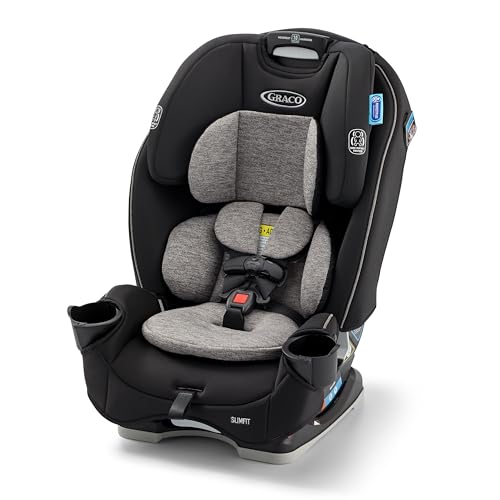
Best Britax Car Seat (2026): Which Model Should You Buy?
Disclosure: We may earn a commission when you buy through links on this page, at no extra cost to you. As an Amazon Associate I earn from qualifying purchases. Learn more

Compare the best britax car seat types by child stage, vehicle fit and price, with clear checks on installation and limits.
Choosing within one brand sounds simple until you face infant seats, convertibles, all in one seats and boosters that all look alike on the shelf. The right best britax car seat for your family depends on your child size, your vehicle and how long you want one seat to last. This guide compares the Britax lineup by seat type, safety standards, ease of use and overall size. Use the comparison table below to see the main types side by side.
Britax built its name on strong steel frames, careful belt routing and installation systems that help you get a tight fit without a struggle. Those strengths run across the range, so your real decision is about fit and features. If you are still weighing brands, our guide to the best car seat options gives wider context before you narrow down to one maker.
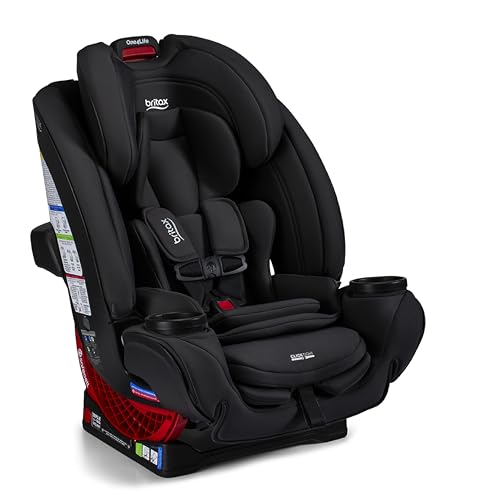


The Britax Lineup at a Glance
Britax sells four broad groups of seats. Infant seats face the rear only, click in and out of a base and suit the first year or so. Convertible seats face the rear, then turn forward and cover the toddler and preschool years. All in one seats add a booster mode, so one purchase can span from infancy to the booster years. Booster seats position the vehicle belt on older children who have outgrown a harness.
Most Britax convertibles and all in one seats share a few brand traits. Many use a steel reinforced frame, energy management features in the base or shell, and side impact protection built into the headrest and shell walls. Installation aids such as clear belt paths and built in lockoffs appear across price levels.
Three Britax Car Seat Types Compared
Convertible Seats for the Toddler Years
A convertible is the workhorse choice for most families. It starts rear facing for infants and toddlers, then turns forward facing with the same five point harness once your child is ready. Britax convertibles tend to offer generous rear facing limits, which matters because many pediatric guidelines advise staying rear facing for as long as the seat allows. The trade off is size: these seats are tall and heavy, they do not lift out with a sleeping baby, and a bulky shell can crowd a small back seat.
All in One Seats for One Long Purchase
An all in one seat adds booster modes after the harness stages, so it can be the only seat you buy after the infant stage, or even from birth. That long span saves repeat shopping and spreads the cost over many years. The compromise is that a seat built to fit a newborn and a ten year old rarely feels perfect at either end. Booster mode belt fit deserves a careful check, and the seat will be among the heaviest in the lineup.
Booster Seats for Older Children
Boosters do not restrain your child with their own harness. They lift the child and guide the vehicle lap and shoulder belt onto the strong bones of the hips and chest. High back boosters add head support, belt guides and side wings, which help younger riders sit correctly. Backless boosters are lighter and easier to move between cars, but they offer no head support. When your child nears this stage, compare the full range in our guide to the best booster car seat options.
How to Choose the Right Car Seat
The comparisons in this guide rest on manufacturer specifications and the questions parents ask most: safety standards, ease of installation, size and weight, durability, cleaning effort and value.
Type
Start with your child stage, because type follows stage. A newborn needs a rear facing seat, either an infant seat with a carrier or a convertible used from birth. Toddlers and preschoolers belong in a harness, rear facing as long as the limits allow, then forward facing. School age children who pass the harness limits move to a booster until the vehicle belt fits alone. Slim designs exist within each type for tight benches. If you are torn between starting formats, our explainer on convertible vs infant car seat walks through the daily life differences.
Features Worth Paying For
Pay first for installation help, because correct use is where safety is won or lost. Clear belt paths, lockoffs and tension indicators reduce the guesswork that leads to a loose seat. An anti rebound bar or a load leg can add stability for rear facing seats where the design supports them. Multiple recline positions help you reach the correct angle in sloped vehicle seats. If turning a heavy toddler strains your back, see our guide to the best rotating car seat models for the trade offs.
Safety Standards and Certifications
Every car seat sold in the United States must meet the federal standard FMVSS 213, and Britax seats are no exception. Look for the certification label on the seat and in the manual, and check for JPMA certification, which signals added program review. CPSC rules govern recalls, so register your seat with the manufacturer right away. Seats approved for aircraft carry a label stating they are certified for use on planes. After any moderate or severe crash, stop using the seat and contact the manufacturer and your insurer about replacement.
Age, Weight and Height Limits
Limits, not birthdays, decide when a seat fits. Rear facing ends when your child reaches the stated weight or height limit for that mode, whichever comes first, and the harness straps should sit at or below the shoulders while rear facing. Forward facing harness use continues until a limit is reached, with straps at or above the shoulders. Children born early or with breathing or muscle conditions may need a specific recline or seat style, so talk with your clinician about personal needs before you buy.
Portability and Vehicle Fit
Most Britax harness seats do not fold, and many are heavy, so portability is about how often you will move the seat rather than how compact it gets. If two cars share daily duty, a second seat or a second infant base usually beats daily reinstalling. Measure your bench before you buy if you need three seats across, because wide shells can make that plan impossible. Check front seat legroom too, since a tall rear facing seat can push the front passenger far forward.
Cleaning
Spills and crumbs are certain, so cover removal matters more than most buyers expect. Look for covers that come off without uninstalling the seat or rethreading the harness, and check whether the cover allows machine washing or hand washing only. Harness straps should never go in a washing machine or soak in water; wipe them with a damp cloth and mild soap as the manual directs.
How Much Should You Spend?
Britax sits in the middle to upper price band, and most of the lineup falls between about $200 and $500 depending on type. Convertible seats commonly land around $200 to $350, while all in one seats with booster modes often run about $300 to $450 because of their longer use span. Boosters cost far less, often under $200. Higher prices usually buy easier installation systems and fabrics that remove faster for washing. No price level buys a safer seat in a crash rating sense, because every seat sold must pass the same federal standard.
The Britax Car Seat Lineup Explained
Think of the lineup as a timeline rather than a ladder of good to best. Families who love the carrier stage usually start with an infant seat and a base, then move into a convertible when the baby outgrows it. Our guide to the best car seat for newborns covers that first decision in depth. Families who want fewer purchases skip the carrier and start with a convertible or an all in one.
Within the convertible and all in one groups, the differences that matter are shell height, rear facing limits, installation method and seat width. Taller shells and higher limits suit tall children who outgrow seats by height before weight. Simpler models cost less and suit a second vehicle or a grandparent car. Match the tier to how often you will install, adjust and wash the seat, because those weekly tasks are where premium features earn their price.
Common Mistakes to Avoid
- Turning a child forward facing at the first birthday instead of at the seat limits, which ends the safer rear facing stage too early.
- Leaving the installation loose, when the seat should move less than one inch at the belt path.
- Placing harness straps at the wrong height for the direction the seat faces, which lets the child move too far in a crash.
- Using bulky coats under the harness, since the straps sit loose once the coat compresses.
- Washing harness straps in a machine against the manual, which can weaken the webbing.
- Buying a used seat with an unknown crash history or a missing label, which makes its age and recall status impossible to verify.
FAQ
What is the best britax car seat?
The best pick depends on your child stage, because each type solves a different problem. For most toddlers, a convertible with high rear facing limits gives the longest safe use for the money. For families who want a single purchase from infancy to the booster years, an all in one makes more sense despite its size. Judge any model by fit in your vehicle and fit on your child first, then by convenience features.
Is Britax a good car seat brand?
Yes, Britax is a well established brand with a long record in the United States market and a reputation built on installation aids and sturdy frames. Its seats meet the same federal standard as every competitor, so the brand edge shows up in daily use: clear manuals and belt routing that reduces errors. The main downsides are weight and price, since Britax seats tend to run heavier and cost more than basic rivals.
Which Britax car seat should I buy?
Buy the type that matches your next three to four years, not the whole childhood span, unless you strongly prefer one purchase. Start by listing your vehicle constraints, especially bench width and front seat legroom, then filter by your child current size and growth pattern. A tall child needs shell height more than extra padding, while a family moving seats weekly needs lighter weight more than extra modes. If two models tie, choose the one you can install correctly without help.
When should a child switch to a forward facing car seat?
Switch only when your child reaches the rear facing weight or height limit of the seat, not at an age milestone. Before you turn the seat, confirm the harness still fits at or below the shoulders in rear facing mode, since outgrowing the strap position can signal the limit is near. Keep the harness snug and the chest clip at armpit level after the turn, and use a top tether for forward facing installs whenever your vehicle provides an anchor.
When should a child switch to a booster seat?
A child is ready for a booster after outgrowing the forward facing harness by weight or height and after showing the maturity to sit upright for the whole ride. The belt check matters as much as size: the lap belt should rest low on the hips, the shoulder belt should cross the center of the chest, and your child knees should bend at the seat edge. If any part fails, a high back booster usually improves belt position more than a backless one.
How long are car seats good for?
Most car seats expire six to ten years after the manufacture date printed on the label, because plastics age and standards change over time. Britax states a use life for each model in its manual, so check your own seat rather than relying on a general range. Retire a seat early if labels go missing, since you lose the date and model details. Our explainer on how long are car seats good for covers storage, crashes and hand me down questions.
Final Thoughts
The best britax car seat is the one that fits your child today, installs tightly in your vehicle and still fits two growth spurts from now. Compare the types in the product table above against your bench space and your child size, favor high rear facing limits and installation aids you will actually use, and register the seat the day it arrives.