Best All in One Car Seat (2026): Size, Features and Buying Tips
Disclosure: We may earn a commission when you buy through links on this page, at no extra cost to you. As an Amazon Associate I earn from qualifying purchases. Learn more

What matters when choosing the best all in one car seat: size, features, budget and the mistakes to avoid.
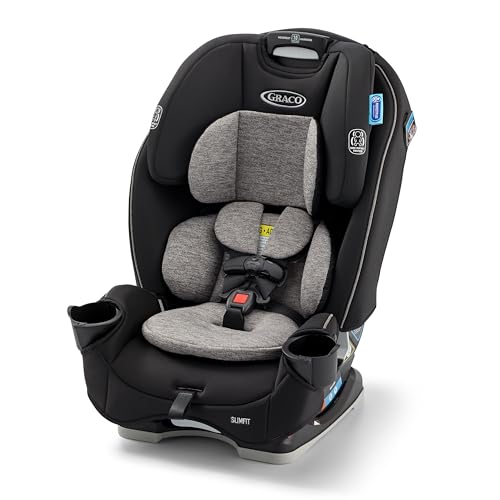
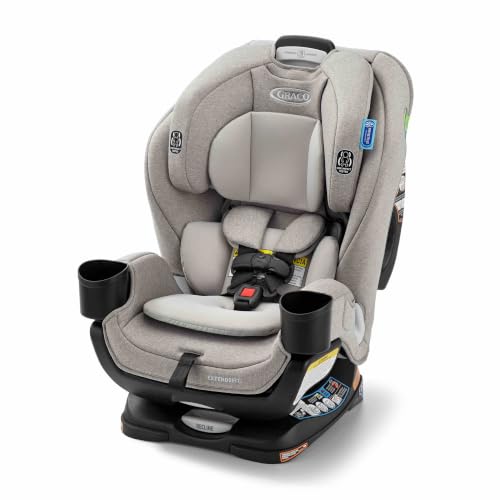
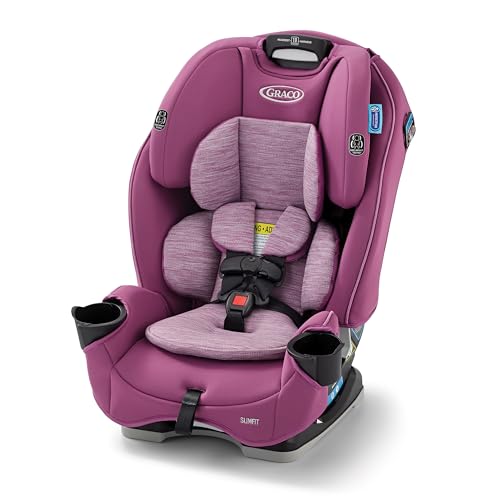
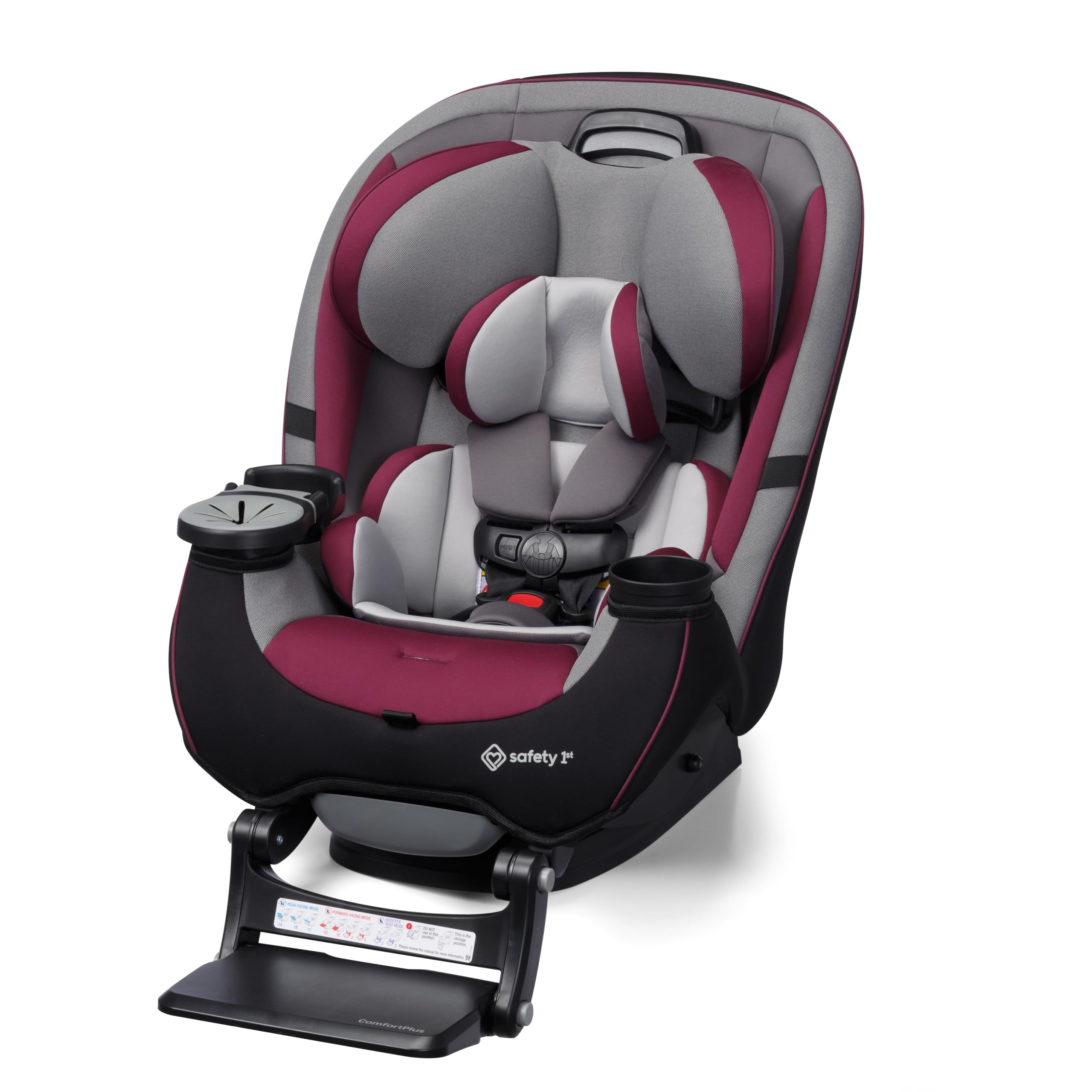
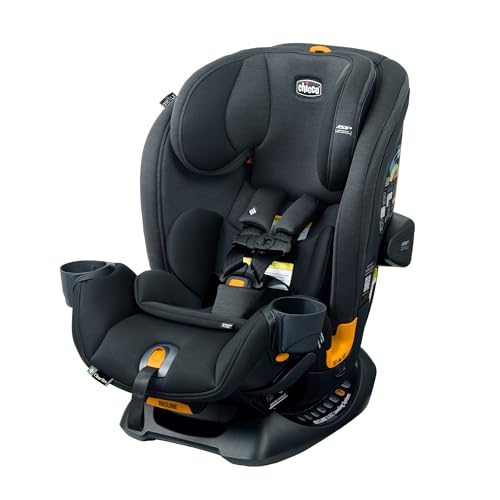
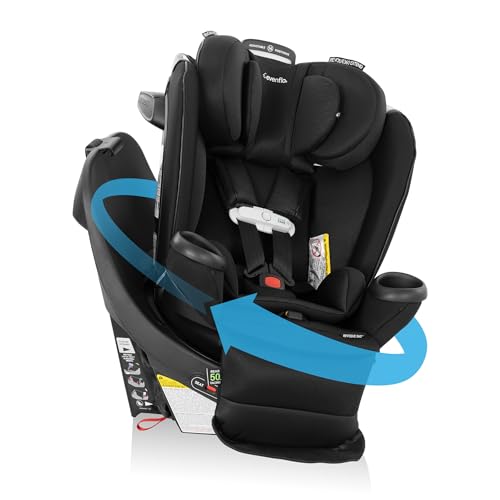
Choosing a car seat feels like a high stakes decision, because one wrong fit can mean a seat that is hard to install, hard to buckle, or outgrown too soon. An all in one seat promises rear facing, forward facing, and booster use in one purchase, yet models differ in size, limits, and daily ease. If you want the best all in one car seat for your family, start with safety standards and certifications, then weigh ease of use and size and weight. The comparison table below sorts the three main types on those points.
One caution first. An all in one seat stays installed in the car, so it will not click onto a stroller or work as a carrier you lift out at each stop.




Who Should Buy an All in One Car Seat?
This style suits families who can leave one seat installed in one vehicle and use every mode in order, from the first ride home through the booster years.
New parents starting from the first ride home
If you want to skip a separate infant carrier, choose an all in one seat with a low starting weight limit, a newborn insert, and a deep recline. Parents who prefer a carrier at first can start with the best car seat for newborns and move up later. If your baby arrives early or has breathing or muscle tone concerns, talk with your clinician and a certified child passenger safety technician before the first ride, since fit for a very small baby is a medical question too.
Parents of toddlers who want one seat through the booster years
Once your child outgrows an infant carrier, an all in one seat can be the last seat you buy for that child. The harness modes handle the toddler and preschool years, and the booster mode takes over once your child is big and mature enough for a vehicle belt alone. This path suits parents who want one familiar seat, not a new purchase at every stage.
Households with one main car or a steady second car
These seats are bulky, so they reward a fixed home. A seat that lives in your main car, or in a grandparent car used weekly, gets installed once and checked properly. If you swap seats between cars every few days, the weight and repeated installs become the worst part of owning one.
All in One Types at a Glance
Types differ in the final stage and in how the seat moves.
- Three mode models finish as a high back booster and suit most families.
- Four mode models add a backless booster stage for older children.
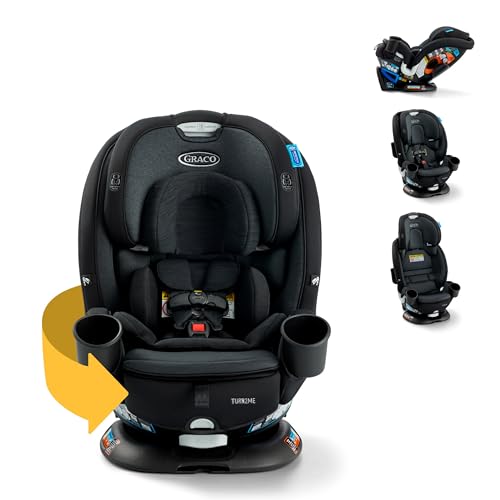
- Rotating models swivel toward the door to make buckling easier.
Three Types of All in One Car Seats Compared
Standard three mode models
A three mode seat moves from rear facing to a forward facing harness and then to a high back booster. This common layout tends to be the slimmest and lightest type, with no swivel base and no extra booster piece to store, and fewer moving parts means less to adjust wrong. For most families it covers every stage at the lowest cost, and the booster stage still guides the belt for a sleepy child.
Four mode models that add a backless booster
A four mode seat adds one last stage. After the high back booster, the backrest comes off and leaves a backless booster for an older child who still needs the vehicle belt lowered onto the hips and shoulder. A backless booster needs vehicle head support up to at least the top of the ears behind it. If your back seat has low seat backs and no adjustable head restraints, stop at the high back stage.
Rotating all in one models
A rotating seat turns on its base so you can face your child toward the open door, buckle the harness without leaning across the seat, and then turn the seat back until it locks. Caregivers with sore backs and parents loading a heavy toddler into a tall SUV feel the benefit most. Rotating models are usually the widest and heaviest type and cost the most, so compare the best rotating car seat options against the fixed types before you pay for the swivel.
How We Chose These Categories
This guide compares types and buying criteria rather than naming winners. The categories were judged on safety standards and certifications makers list, ease of use features in maker manuals, published size and weight figures, durability points such as expiration length and replaceable covers, and value across the modes you will use. Federal safety information and manufacturer manuals back the limits and standards below.
How to Choose the Right Car Seat
Work through the points below in order. Fit to your child and your car comes first, then the features that make daily use easier.
Type
An infant seat is a rear facing carrier that clicks in and out of a base and is outgrown in about a year. A convertible seat covers rear facing and forward facing harness use but stops there. An all in one seat goes one step further and converts to a booster. Rotating and slim designs are choices layered on the same modes, so judge them last.
Features worth paying for
A swivel base, an anti rebound bar, and a load leg can all be worth paying for, but they solve different problems. The swivel helps you load your child, while the anti rebound bar and load leg, where offered, brace the seat during rear facing use. Level indicators and belt lock off panels help you get a tight, correctly angled install. Do not expect a detachable carrier style base, though, since most all in one seats install as one unit.
Safety standards and certifications
Every car seat sold in the United States must meet the federal standard for child restraint systems, and many all in one seats also carry JPMA certification, an added maker review program. The CPSC oversees recalls, so register any seat you buy. Only a harness mode with an aircraft approval label may go on a plane, and booster modes may not. Have a certified technician check your first install, and ask your doctor about any concern after a crash, even if the seat looks undamaged.
Age, weight and height limits
Buy by size, not by birthday. Many all in one seats start at about 5 pounds, carry a child in the harness to about 65 pounds, and work as a booster to about 100 to 120 pounds and about 57 inches tall. Age ranges on the box are only a rough guide, since children of the same age differ greatly in torso height. Keep your child rear facing until your child reaches the top height or weight limit the maker allows for that mode.
Portability and fold
All in one seats do not fold, and most weigh about 20 to 30 pounds, so treat portability as a weakness of the whole category. They are built to stay in one car for years. If you fly often or move a seat between cars weekly, a lighter travel seat for those trips is saner than wrestling a full size all in one seat through an airport.
Cleaning
Look for a cover that comes off without removing the harness, since a cover that requires full strap removal invites mistakes when you put it back. Before washing, photograph the strap routing so the seat goes back together as it came apart. Clean straps only as the manual allows, because soaking or harsh cleaners can weaken the webbing.
How much should you spend?
True all in one seats seldom appear under $100, since that band is mostly boosters and basic convertible seats. At about $100 to $200 you get the core modes with simpler padding and fewer install aids. At about $200 to $300, expect higher harness limits, better recline systems, and easier covers. At about $300 to $500, you pay for rotation, premium fabrics, and extra newborn padding. Extra money buys fit, comfort, and convenience, not a higher safety bar, since every seat must pass the same federal standard.
All in One vs Other Car Seats: Pros and Cons
The strongest case for an all in one seat is simple math and habit. You buy once, your child keeps a familiar seat for years, and there is no rushed purchase when a growth spurt hits. One expiration date covers every mode. Our explainer on convertible vs infant car seat choices walks through the carrier question if you are still torn about the first year.
The weak points are size and compromise. A seat shaped for both a newborn and a tall booster rider is large at both jobs, so fit at either end can be less tidy than on a single stage seat. Three seats across a small back seat is also a squeeze with most models. Families who will pass seats down to a sibling often do better buying stage by stage.
FAQ
What is the best all in one car seat?
The right answer depends on fit, not on a single winner. Choose the seat whose limits cover your child now, and that you can buckle correctly every ride. Before ordering, check how much leg room the front seats lose with a rear facing seat in place, since that space check rules out more models than any feature list.
Are all in one car seats worth it?
They are worth it when you will use every mode in one car for one child, since the cost spreads across years of daily use. The value fades if a second baby is likely soon, because a seat tied up with an older child cannot start again with a newborn, and buying stage by stage can cost about the same.
When should a child switch to a forward facing car seat?
Switch only when your child reaches the top rear facing height or weight limit in the manual. On many seats that limit is also reached when the top of your child head is within 1 inch of the top of the seat shell, even if the weight limit has not been hit. Turning earlier for leg room is not needed, since children bend their legs comfortably.
When should a child switch to a booster seat?
Size alone is not the whole test. Your child also needs the maturity to sit upright for the full ride, every ride, without leaning out of the belt to reach a toy or while asleep. A child who slumps sideways loses the belt fit that does the work. Our guide on when to switch to booster seat covers readiness signs and belt fit checks for your own car.
How do you install an all in one car seat?
Follow the manual for your seat and the vehicle manual together, since either book can rule out a seating position or method. Route the belt or lower anchor strap through the correct path for the mode, lock the belt as directed, and set the recline. Then grip the seat at the belt path and push side to side for the inch test. It should move less than 1 inch, or the install is not ready.
How long are car seats good for?
Each seat has its own expiration date, printed on a label or stamped into the plastic, often on the back or underside of the shell. Plastic and webbing age with heat and sun, so retire an expired seat even if it looks fine, and replace a seat after a moderate or severe crash. Our page on how long are car seats good for explains date stamps, crash rules, and safe disposal.
Final Thoughts
For most families, a standard three mode seat is the sensible default, a four mode seat suits parents who want the backless stage covered too, and a rotating seat earns its price when loading your child is a daily struggle. Compare types in the product table above, then shortlist the best all in one car seat candidates that fit your car first. If you are still comparing the wider field, our guide to the best car seat covers the other styles side by side. Prices and availability can change, so check the product page before ordering.