
Best Booster Car Seat Guide for 2026: How to Choose the Right Fit
Disclosure: We may earn a commission when you buy through links on this page, at no extra cost to you. As an Amazon Associate I earn from qualifying purchases. Learn more

Learn how to choose the best booster car seat by type, belt fit, size limits and safety features, with tips for travel, cleaning and daily use.
Moving your child to a booster seat feels like a simple step, but the right choice depends on belt fit more than age alone. A best booster car seat choice for your family lifts your child so the vehicle seat belt sits low on the hips and flat across the chest and shoulder. Use the comparison table below to compare types, size limits and key features side by side before you decide.
This guide explains high back and backless styles, safety standards in the United States, and how to judge width, weight and comfort for your car. You will also find guidance on price, cleaning and common fit mistakes.


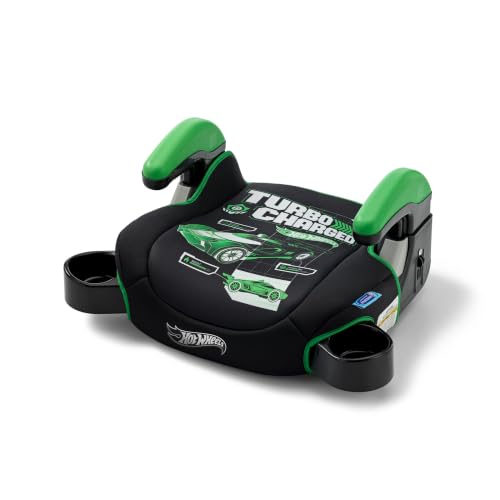
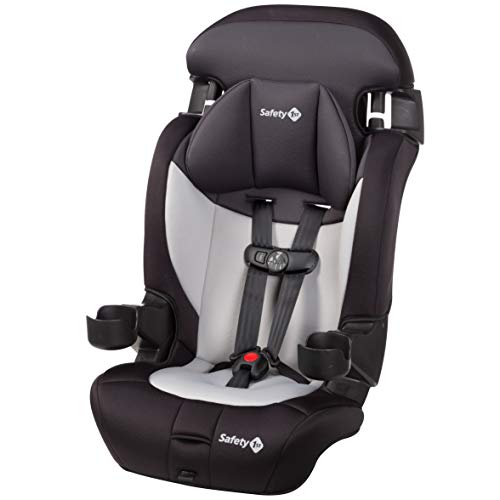


Three Buying Profiles and What to Prioritise
Most families fall into one of three groups. Matching the booster type to your child and your vehicle matters more than extra padding or cup holders.
Younger Children Who Still Need Head and Side Support
If your child has just outgrown a harnessed seat and still sleeps in the car, a high back booster is usually the better starting point. The tall back and head wings help keep a sleepy child upright and guide the shoulder belt into place. Look for an adjustable headrest that rises as your child grows. This style also helps where the rear headrest is short or missing.
Older Children Who Need a Simple Daily Booster
For an older child who sits upright and has good belt fit without extra support, a backless booster can be enough for daily school runs. It is lighter, easier to move between cars and often narrower. Your vehicle must have a headrest that reaches at least to the top of your child ears, because a backless model provides no head support of its own.
Families Who Share Cars or Travel Often
If grandparents, carpools or a second car are part of your routine, weight and portability move up your list. A light backless model or a compact high back model can be easier to store and carry. If you fly and drive at your destination, review our guide to the best travel car seat for airline and rental car considerations. Whatever you choose, your child should be able to use it correctly on every ride.
How to Judge a Booster Seat Without Guesswork
Judge every model against the same five criteria so you compare facts rather than marketing claims. First, confirm it meets federal safety standards for its category and carries clear labels for weight and height limits. Second, test ease of use, because a booster that is hard to buckle will be used wrong more often. Third, measure size and weight against your rear seat and your child. Fourth, look at durability, including sturdy belt guides and covers that survive washing. Fifth, weigh value, which is correct fit over the full years of use, not the lowest price alone.
Use maker instructions and verified buyer feedback about fit in real cars to fill gaps that a spec sheet leaves out. Specs alone cannot tell you whether your child can reach the buckle easily in your car.
Key Features to Compare
Type: High Back, Backless and Convertible Options
High back boosters surround your child with a back, headrest and often side wings, and they position the shoulder belt with a guide near the shoulder. Backless boosters are a raised cushion with armrests and sometimes a belt positioning clip. Some designs start as a high back model and convert to backless use later. Choose based on head support, sleep habits and vehicle headrests. A top rated booster car seat in any style still fails its job if the belt fit is poor in your car.
Safety Standards and Certifications
In the United States, booster seats must meet federal child restraint safety standards, and the label on the seat states compliance. You may also see certification language from the Juvenile Products Manufacturers Association, which signals the maker took part in a voluntary certification program. Most booster seats are not approved for use on aircraft because planes lack shoulder belts, so plan a different seat for the flight. Always check local and state rules on booster use, because minimums vary and the law is a floor, not a fit target.
Age, Weight and Height Limits and Belt Fit
Labels vary, but many boosters start at about 40 pounds and at least four years of age, and most children need a booster far longer than parents expect. The real test is the five step test. Your child can sit all the way back, knees bend at the seat edge, the lap belt stays low on the hips, the shoulder belt crosses the center of the chest, and your child can stay in that position for the whole trip. Most children do not pass until they are about 4 feet 9 inches tall, often between ages 8 and 12. If your child is not ready to leave a harnessed seat yet, our guide to the best car seat explains the earlier stages.
Size, Weight and Vehicle Fit
Measure your rear seat before you shop, especially if you need to fit three children across. A narrow base can make buckling far easier because your child can reach the buckle without leaning out of position. A booster should sit flat and stable, with no large gap behind it and no overhang off the front edge. Light backless models are simpler to move, while high back models weigh more but add support. Try the fit with your child seated before you commit.
Comfort, Padding and Belt Guides
Comfort keeps your child sitting correctly on long drives, so padding and seat depth matter. A seat that is too deep forces your child to slouch to bend the knees, and slouching pushes the lap belt up onto the stomach. Look for smooth belt guides that let the belt move freely and retract when the ride ends. Armrests should help position the lap belt without lifting it. Cup holders are nice extras, but they should never widen the seat so much that buckling becomes a struggle.
Cleaning and Daily Care
Booster seats collect crumbs and dust in the belt guides, so easy cleaning protects both hygiene and function. Removable covers that you can wash by hand or on a gentle cycle save time, and smooth plastic bases wipe clean in minutes. Check the care label before you buy, because some foams must never go in a dryer or be soaked. Each month, shake out the seat, wipe the base and confirm the guides are free of debris. Follow the maker instructions on replacing a booster after a crash.
How Much Should You Spend?
Simple backless boosters often cost under $50, and many solid high back models fall in the range of about $70 to $150. Premium designs with deeper side wings, rigid lower anchor connectors and taller backs can cost about $150 to $250. Paying more can buy easier adjustment, taller growth room and fabrics that clean better, but price alone does not improve belt fit. Spend first on correct type and fit for your car, then on comfort features your child will use daily. If you need two seats for two cars, two simple and correctly fitting seats are safer than one premium seat moved in a rush.
Booster Seats Compared With Other Car Seat Stages
A booster does not restrain your child with its own harness. It raises your child so the vehicle belt does the work, which is why maturity matters as much as size. An infant seat is rear facing only and portable with a carrier handle, while a convertible seat can face rear and then forward with a harness. If you are still weighing those earlier choices, the comparison of convertible vs infant car seat lays out how the stages differ. A child should only move to a booster after outgrowing the forward facing harness limits by weight or height and after showing the maturity to sit still without leaning, slouching or playing with the belt.
The main advantage of a booster is correct belt geometry at a modest cost and weight. The main drawback is dependence on behavior. A harnessed seat holds position for the child, while a booster requires the child to maintain position. That is why many safety experts suggest keeping the high back style longer for younger riders and for long or sleepy rides.
Common Mistakes to Avoid
- Moving to a booster too early, which can leave a small or wiggly child with a loose or poorly placed belt.
- Placing the lap belt high on the stomach instead of low on the hips, which is not how the belt is meant to sit.
- Letting your child put the shoulder belt behind the back or under the arm for comfort, which is not how the belt is meant to be worn.
- Using a backless booster in a seat with no headrest or a very low headrest, which leaves the head and neck unsupported.
- Ignoring the expiration date and crash history, which can weaken plastic and foam over time.
- Buckling over bulky coats or twisted belts, which adds slack and changes belt position in a crash.
Build the habit of checking lap belt and shoulder belt position before you start the car during the first weeks of use. If belt fit stays poor in one car, try a different booster shape rather than forcing the same seat to work.
FAQ
What is the best booster car seat?
The right booster is the one that gives correct belt fit in your car, suits your child size and maturity, and will be used correctly on every ride. High back models suit younger booster riders and sleepy travelers, while backless models suit older children with good posture and proper headrest support. One extra check helps here. Sit your child in the booster inside the store or at home and photograph belt position from the front so you can compare styles objectively.
Are booster car seats worth it?
Yes, booster seats are worth it because an adult seat belt alone usually fits a child poorly for years after a harnessed seat is outgrown. A booster improves the belt angle on the hips and shoulder so the belt fits the way the maker intends. The added benefit many parents overlook is comfort on long rides. Better belt geometry means less fidgeting and fewer attempts to move the belt, so your child is more likely to stay in the correct position for the full trip.
When should a child switch to a forward facing car seat?
A child should switch to forward facing only after reaching the rear facing weight or height limit of the convertible seat, and never before age two. Many child passenger safety groups advise keeping a child rear facing for as long as the seat limits allow. A useful detail is leg room. Bent legs or crossed legs in rear facing mode are not a safety problem and are not a reason to turn a child forward early. Check your seat manual for the exact limit that applies first.
When should a child switch to a booster seat?
A child should switch to a booster seat after outgrowing the forward facing harness by weight or height and after showing the maturity to sit upright for a whole ride. For a fuller walkthrough of signs and timing, see our guide on when to switch to booster seat. One practical test is a full week of rides. If your child leans out for toys or naps sideways more than once or twice, staying in the harness a little longer is the safer call.
How should a booster seat be installed and used?
A booster seat usually sits on the vehicle seat and is held in place by your child weight and the belt, though some models offer lower anchor connectors to keep the empty seat from sliding. Place it flat, buckle the belt through the correct guides, and pull the lap belt snug and low. Teach your child to buckle and then tug the shoulder belt once to remove slack. When the booster is empty, buckle it in or store it so it does not become a loose object in a sudden stop.
How long are car seats good for?
Most car seats and boosters are good for about 6 to 10 years from the date of manufacture, and the exact date is printed on a label on the seat. Heat, sun and normal wear can break down plastic and foam over time, so an expired seat should not be used or shared. For stage by stage detail, read how long are car seats good for. Also note that a seat used through a growth spurt may be outgrown by height before it expires, so check both limits each year.
Final Thoughts
Choosing well comes down to fit, maturity and the car you actually drive. Compare types in the product table above, confirm head support and belt position with your child seated, and plan to use a booster until the vehicle belt fits on its own. When you focus on those basics, finding a best booster car seat for your family becomes a clear and calm decision you can trust on every ride.
If belt fit still looks wrong, ask a certified child passenger safety technician for a hands on check. Many fire stations, hospitals and community programs offer free checks.

