
Best 3 Across Car Seats in 2026: Narrow Seat Types and Fit Guide
Disclosure: We may earn a commission when you buy through links on this page, at no extra cost to you. As an Amazon Associate I earn from qualifying purchases. Learn more
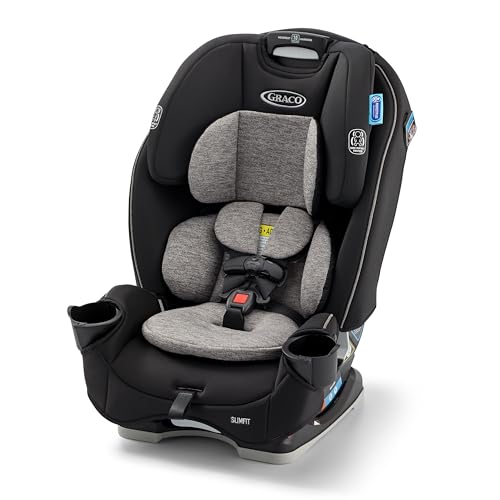
Compare the best 3 across car seat types by width, buckle access, belt path and age limits to plan a three seat row.
Fitting three car seats across one back seat sounds simple until you try it. The seats touch at the shoulders, the buckles hide between the cushions, and a seat that fits fine on its own suddenly leaves no room for its neighbor. Choosing the best 3 across car seat is mostly a width and shape puzzle, and this guide walks you through it. The seat types below sum up the main options, and the sections after them explain how to measure, compare, and install them safely.
Instead of naming specific models, this guide compares the three seat types that most often work side by side, then covers safety standards, size limits, and daily use details. That way you can judge any narrow seat against the same criteria, whatever mix of ages your three riders are.


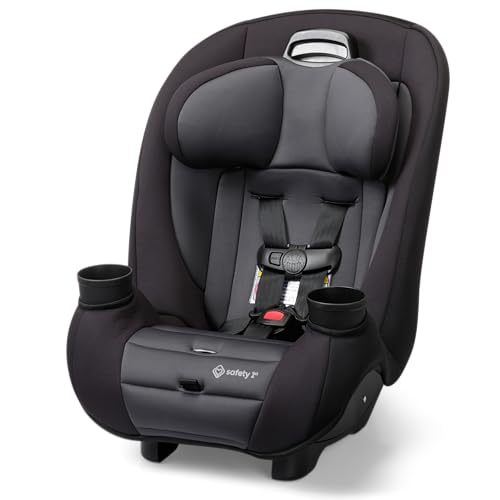
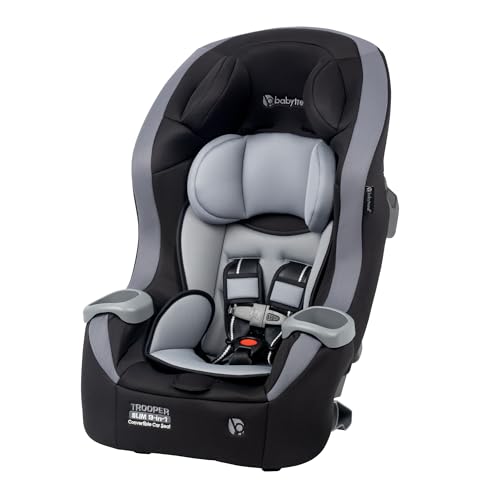

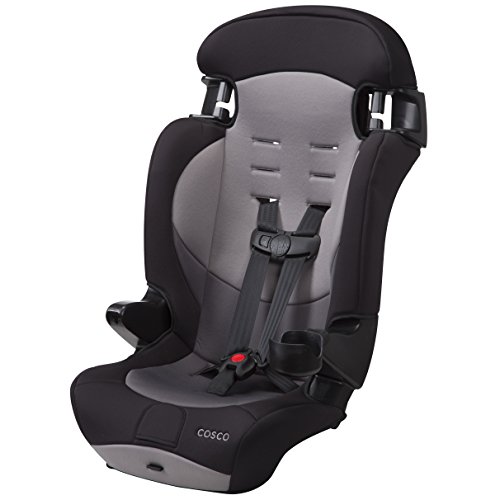
Three Across Seat Types at a Glance
Three seat types dominate most successful three across setups. Slim convertible seats handle the widest age range and stay installed for years. Infant seats with a narrow base suit the first year and lift out for carrying. Narrow booster seats serve older children who have outgrown a harness. Many families combine two types, for example two convertibles flanking one infant seat, because mixing shapes often fits better than three identical seats.
Three Seat Types to Compare for a Three Across Setup
Slim Convertible Seats
A slim convertible seat starts rear facing for babies and toddlers, then turns forward facing once your child reaches the rear facing limit. The narrowest versions measure around 17 inches across at the widest point, and that slim shell is what makes three across possible in a midsize car. Because one seat can serve from infancy through the preschool years, a pair of slim convertibles often forms the backbone of the setup. Look for a shell that stays narrow at the shoulder area, since that is where neighboring seats usually collide.
Infant Seats With a Narrow Base
An infant seat is a rear facing only carrier that clicks into a base you install once. For three across use, the base width matters more than the carrier width, because the base is what shares the bench with the other seats. A narrow base with a built in lockoff can also free up precious inches of seat belt for the seats beside it. If your three across plan starts with a newborn, our guide to the best car seat for newborns explains the newborn specific fit checks to look for.
Narrow Booster Seats
A booster raises an older child so the vehicle seat belt rests on the strong bones of the hips and shoulder. Narrow high back boosters and backless boosters are usually the easiest seats to squeeze into a three across row, and they often solve the puzzle when a third child is booster age. The catch is buckle access, because the booster sits close to the buckle stalk and small hands need room to reach it. Our roundup of the best booster car seat options covers belt fit in more detail.
How We Compared the Options
This guide ranks seat types, not individual models, using criteria drawn from manufacturer specifications and federal safety rules. The factors are safety standards and certifications, ease of use, size and weight, durability, and value for the years of use you get. No seat type earns a place here based on a single standout feature.
Width figures come from the widest point listed by each maker, and we treat those numbers as a starting point only. Real fit depends on your bench shape, the angle of the side bolsters, and how the seats puzzle together, so a trial fit in your own car beats any chart.
How to Choose the Right Car Seat
Type
Start from the ages and sizes of your three riders, then assign each child the seat type that matches. Infants ride in a rear facing infant seat or convertible, toddlers stay rear facing in a convertible as long as the limits allow, and older children move to a booster only when they are ready. If you are unsure which starting seat suits a first baby, the breakdown in convertible vs infant car seat walks through the trade offs.
Features Worth Paying For
A few features genuinely help in a tight row. A built in lockoff lets you install with the seat belt and skip a locking clip, and it can position the belt so it steals less room. A load leg or anti rebound bar adds stability for rear facing seats. Removable slim cup holders matter more than they sound, because a fixed wide cup holder is a common reason two seats refuse to sit together.
Safety Standards and Certifications
Every car seat sold in the United States must meet the federal standard FMVSS 213, which covers crash performance, flammability, and labeling. Many seats also carry JPMA certification, which confirms the product meets the applicable voluntary standards and gets sampled for ongoing compliance. If you plan to fly, check the label for a statement that the seat is certified for use in aircraft, because only harnessed seats with that statement may be used on a plane. A seat that meets the standard still needs to fit your child and your vehicle and be used on every ride as the manufacturer's instructions direct.
Age, Weight, and Height Limits
Limits decide when each child must move, and in a three across row one child outgrowing a seat can force a full reshuffle. Keep children rear facing until they reach the height or weight limit of that position, and follow the manufacturer's instructions for each seat. When you plan the next stage, our guide on when to switch to booster seat explains the readiness signs to watch for. Talk with your pediatrician about your child's growth pattern if a limit is approaching sooner than you expected.
Portability and Folding
Portability matters when seats move between cars, caregivers, or flights. Infant carriers win here because the baby travels while the base stays put. Some boosters fold or weigh only a few pounds, which suits carpools and travel, while slim convertibles are heavy enough that most families install them and leave them in place. If a sitter will move a seat often, weigh the install difficulty as heavily as the seat itself, because a seat that is hard to reinstall tends to get installed loosely.
Cleaning
Three children in one row means spills travel sideways, so cleaning deserves a look before you buy. Covers that unzip or unsnap and come off without removing the harness save real time, and some fabrics can go in the washing machine while others are spot clean only, per the manual. Harness straps should never be submerged or scrubbed with harsh cleaners, since that can weaken the webbing. Smooth shell plastic with few deep crevices also helps, because crumbs and leaked milk hide where a cloth cannot reach.
How Much Should You Spend?
Budget tiers buy different things in this category. Under about $100 you are mostly looking at backless and simple high back boosters. About $100 to $200 covers some infant seats and entry slim convertibles. About $200 to $300 is where most narrow convertibles with lockoffs and taller limits sit, and about $300 to $500 buys premium fabrics, load legs, and the longest use ranges. Value also depends on service life, so check how long are car seats good for before assuming the priciest seat is the cheapest per year.
3 Across vs Other Car Seats: Pros and Cons
A three across setup exists for one reason, which is carrying three children in one row without moving to a larger vehicle. Slim seats make that possible, but the trade offs are real and worth weighing before you commit.
- Pro: one row carries all three children, so a second row vehicle stays an option.
- Pro: slim seats cost less than trading up to a bigger car or a third row SUV.
- Pro: an adult driver can still reach and supervise every child from the front.
- Con: buckling a booster in the middle can be a daily knuckle scraping chore.
- Con: slim seats often have shorter shells and lower top slots than wide models.
- Con: install angles get fussy, and one seat can press on the buckle of its neighbor.
Compared with spreading children across two rows, a single row keeps everyone within arm's reach and preserves cargo space. Compared with standard width seats, three across models give up some padding and elbow room to win those crucial inches.
FAQ
What is the best 3 across car seat?
There is no single winner, because the best choice is the narrow seat that fits your vehicle, your child, and the two seats beside it at the same time. For most families that means a slim convertible for the middle years, since it covers the longest span of growth. Before buying three of anything, test fit one seat in each position you plan to use.
Are 3 across car seats worth it?
For families with three children close in age, yes, because the alternative is often a new vehicle. The seats themselves cost about the same as standard models of similar quality, so the real cost is patience during the first install and slower buckling each day. The setup stops being worth it when a child is uncomfortable or a buckle becomes unreachable, since a seat a child cannot use correctly is not doing its job.
When should a child switch to a forward facing car seat?
Switch when your child reaches the rear facing height or weight limit printed on the seat labels, not at a birthday. Many children reach that point somewhere in the toddler or preschool years, and taller slim convertibles stretch the timeline for bigger kids. Once forward facing, use the top tether on every ride, as the manufacturer's instructions direct. If you are unsure whether the limit is near, weigh and measure your child against the label rather than guessing.
When should a child switch to a booster seat?
A child is ready when the harnessed seat is outgrown and the child can sit upright for the whole ride without leaning, slouching, or playing with the belt. Maturity matters as much as size, because a booster only positions the vehicle belt and offers no harness to hold a wiggly child in place. Many children need a harness longer than parents expect, often well into the early school years. If your child falls asleep and tips sideways on most rides, that is a sign to wait.
How do you install a car seat for a three across setup?
Install the center seat first, get it tight on its own, then add the side seats one at a time and confirm each still moves less than an inch at the belt path. Use seat belt installs rather than lower anchors when space is tight, since belts can sit closer to the center of each seating position. Independent tightness is the goal, meaning removing one seat should not loosen another. If you cannot get there, a certified child passenger safety technician in your area can check the setup in person, often at no charge.
How long are car seats good for?
Most seats carry an expiration date six to ten years from the date of manufacture, printed on a label or molded into the plastic shell. Heat cycles and aging plastic are the reasons, even when a seat looks fine. Stop using a seat after a moderate or severe crash and follow the maker guidance for minor ones. Write the expiration date on your calendar when you buy, because a seat that expires mid school year can leave a three across row one seat short.
Final Thoughts
A successful three across row comes down to narrow shells, patient test fitting, and seats matched to each child's stage. Start with a slim convertible as your anchor, add the narrowest infant or booster seat that fits beside it, and confirm every install stays tight on its own. Use the product table above to compare the best 3 across car seat types against your bench width and your budget, and give yourself an afternoon for the first install. Getting the puzzle right once pays off on every ride that follows.


