Best All Terrain Stroller (2026): Size, Features and Buying Tips
Disclosure: We may earn a commission when you buy through links on this page, at no extra cost to you. As an Amazon Associate I earn from qualifying purchases. Learn more

What matters when choosing the best all terrain stroller: size, features, budget and the mistakes to avoid.
A standard stroller that rattles over cracked pavement, sinks into grass, and jolts your baby awake on a gravel path quickly stops feeling like a bargain. Finding the best all terrain stroller means matching wheels, suspension, and frame strength to the ground you actually cover each week. This guide compares three types of all terrain models by safety standards and certifications, ease of use, and size and weight, so you can narrow your shortlist with confidence before you spend.
The comparison table below sums up the three types at a glance, including the surfaces each one handles best and the trade offs that come with larger wheels. Read on for the criteria behind those ratings and for practical help on fit, folding, and care.


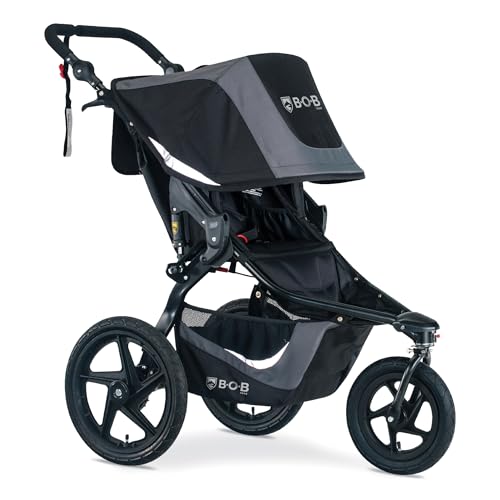

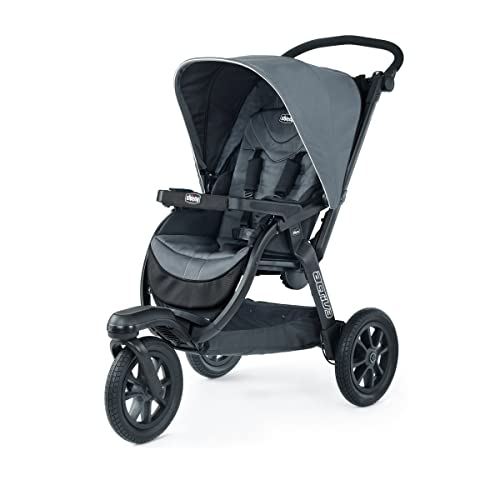

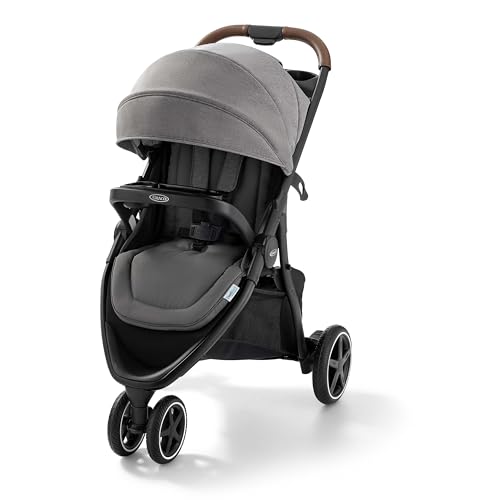


All Terrain Types Compared at a Glance
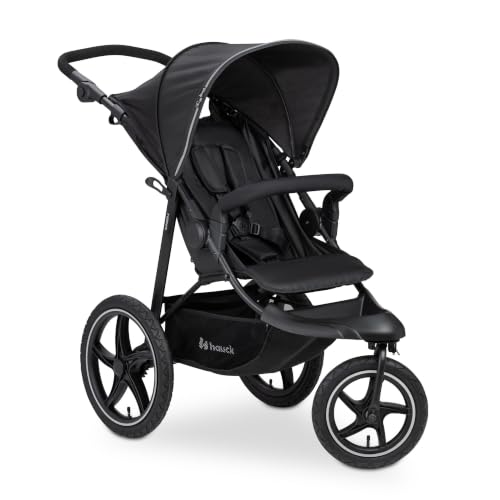
All terrain models fall into three broad types, and the right one depends on whether your rough ground is an occasional park lawn or a daily trail. The first type uses three wheels with a larger front wheel, a layout borrowed from jogging designs. It tracks straight over ruts and roots and turns with little effort, but it takes up more room when folded and is not meant for running unless the maker states that use clearly.
The second type uses four wheels in a full size frame, with deep tread and suspension at each corner. It feels planted on uneven pavement and in busy places where a narrower footprint helps, and the seat often sits higher for easier lifting. If you expect to run with your child later, our guide to the best jogging stroller explains the extra safety checks that running adds.
The third type is a convertible frame that grows from one seat to two as your family changes. It suits parents planning for a sibling, and the larger wheels keep it capable on grass and gravel with either load. If two children will ride from the start, compare this route with a dedicated model from our guide to the best double stroller, since a purpose built double can fold smaller and weigh less.
How We Chose These All Terrain Strollers
We ranked types and features against five criteria drawn from maker specifications and verified buyer feedback. Safety standards and certifications came first, followed by ease of use in daily pushing, folding, and lifting. Size and weight mattered because a capable stroller that you dread loading into the car will sit at home. Durability covered frame joints, wheel bearings, and fabric wear, and value weighed those strengths against the price band. The product table above reflects the specs makers publish.
How to Choose the Right Stroller
Type
Start with the ground on your usual routes, because type follows terrain more than price. A three wheel model rolls easiest over trails, packed dirt, and broken sidewalks, while a four wheel model gives calmer handling in shops and on crowded paths where you stop and turn often. Convertible frames add cost and weight that only pay off if a second seat is a real plan. Lightweight and umbrella models suit smooth floors and short trips, but their small wheels stall on gravel and grass, so treat them as a second stroller rather than your only one.
Features Worth Paying For
Large wheels with real tread and working suspension do the most for comfort on rough ground, so fund those before extras. An adjustable handlebar helps when two adults of different heights share pushing duty, and a seat that reclines far enough supports naps on longer outings. A bassinet or a car seat adapter matters if your baby will ride from birth, since most upright seats need a child who can sit with support. A one hand fold, a roomy basket, and a cup holder add daily ease, yet none of them can rescue wheels that are too small for your routes.
Safety Standards and Certifications
Look for certification to the federal stroller standard enforced by the CPSC and for the JPMA seal, which shows the model was reviewed by an independent safety body against that standard. Check that the harness has five points, that the brake holds on a slope with one press, and that the folding joints lock with a clear click. Never hang heavy bags from the handlebar, since the load can tip the stroller backward. If your baby was born early or has limited head and neck control, talk with your pediatrician before riding over rough trails, and ask your doctor about any injury from a tip or fall.
Age, Weight and Height Limits
Every model sets a minimum age or a readiness rule for the seat, a maximum weight, and often a height guide based on canopy clearance. A newborn needs a lie flat option, either a bassinet, a seat that reclines fully, or a car seat clicked into the frame, because a slumped position is not suitable for a newborn. Respect the upper limit even when the seat still looks roomy, since steering and braking both suffer once the frame carries more than it was built for. Measure your child against the harness slots as well, because straps that sit too low cannot hold the shoulders snugly.
Portability and Fold
All terrain wheels add bulk, so measure your trunk and your hallway storage before you buy, then compare folded size rather than open size. A fold that leaves the stroller standing on its own keeps fabric off dirty floors, and a carrying handle or strap helps on stairs. Some models let you remove the rear wheels with a quick release, which can turn a tight fit into an easy one. If most trips involve flights or small cars, a dedicated model from our guide to the best travel stroller may pair better with one all terrain model kept at home.
Cleaning
Mud, sand, and spilled milk are normal on outdoor routes, so favor fabrics that lift out for washing and frames you can rinse and dry. Shake loose grit from the fold joints before it grinds into the hinges, and wipe the brake pedal area where dirt builds up fastest. Our full walkthrough on how to clean a stroller covers stain care fabric by fabric. Let every part dry fully before folding the stroller away, because trapped moisture can leave mildew on straps and padding that sits against your child skin.
How Much Should You Spend?
Budget bands buy clear steps in wheel size and suspension quality. At under $100 you mostly find light duty models with foam wheels that cope with short grass but not true trails. Between about $100 to $300, larger wheels and basic suspension appear, and this band suits most park and neighborhood use. From about $300 to $500 you gain air filled tires, stronger frames, and seats that work from birth with the right accessory. Above about $500 to $1000, expect refined suspension, convertible seating, and longer lasting parts, which pays off across two or more children.
All Terrain Versus Other Strollers: Pros and Cons
The core advantage is range. An all terrain model keeps rolling where a city stroller stops, so one purchase can cover school runs, park trails, farm visits, and winter sidewalks with care. The ride is calmer for your baby as well, because bigger wheels climb small obstacles instead of hitting them, and suspension softens what the wheels cannot avoid. Parents who walk for exercise or live beyond smooth pavement feel this difference every single day, not just on holiday trips.
The costs are size, weight, and price. These strollers fold larger, lift heavier, and can feel clumsy in narrow shop aisles or on packed buses. Air filled tires can puncture, and foam filled tires that avoid flats ride a bit firmer and add weight of their own. If nearly all your walking is on smooth mall floors and paved streets, a lighter model from our guide to the best stroller may serve you better and leave money for other gear. The honest test is your roughest weekly route, not your smoothest one.
FAQ
What is the best all terrain stroller?
The right answer is the model whose wheels and suspension match your roughest regular route while still fitting your car and your budget. For daily trails, favor a three wheel type with the largest wheels you can store. For mixed city and park use, a four wheel type balances grip and handling. Check that the seat setup suits your baby age from day one, and confirm the fold works with one adult holding the child.
Are all terrain strollers worth it?
They are worth it when rough ground is part of your routine rather than a rare event. If you walk dogs on field paths, visit beaches, or face cracked and uneven streets daily, the easier push and calmer ride repay the extra cost and weight. If your routes are smooth and storage is tight, the same money buys a lighter stroller that you will enjoy more. Count your rough outings in a normal week to decide.
How long does a stroller last?
A well kept all terrain frame often serves one child from birth to the preschool years and can then pass to a sibling. Wear shows first in wheel bearings, brake cables, and harness webbing, so inspect those parts each season. Retire the stroller at once if the frame cracks, a wheel wobbles after tightening, or the brake slips on a slope. Storing it dry and indoors between children protects the fabrics and keeps the joints moving freely.
Is a stroller worth it?
For most families, yes, because a stroller turns long outings into something a baby can enjoy without being carried the whole way. It also carries the diaper bag, snacks, and layers that outdoor trips demand. The value drops if you mostly drive short hops and rarely walk far, in which case a simple carrier may cover your needs. Think about your longest regular walk and whether your arms and back could manage it without wheels.
How do you clean a stroller?
Start dry by brushing sand and crumbs from the seat creases and wheel hubs, then wash removable fabrics as the care label directs. Wipe the frame with mild soap and water, rinse, and dry it fully before folding. Avoid harsh bleach on harness straps, since weakened webbing may not hold in a sudden stop. Clean soon after beach or mud outings, because salt and grit left in place corrode metal parts and stiffen the fold over time.
What is the most reliable stroller brand?
No single brand leads on reliability for every family, so judge the specific model instead of the logo. Signs of a dependable build include clear parts availability, a warranty that covers the frame for several years, and wheels you can replace rather than discard. Read recent owner reports for the exact model, focusing on brake and fold complaints, which tend to repeat when a design is weak. A maker that publishes manuals and spare parts openly is easier to live with long term.
Final Thoughts
Match the type to your ground first, then check safety certification, seat readiness for your baby age, and folded size for your car. The product table above pulls those points together so you can compare quickly. When those checks line up, the best all terrain stroller for your family is simply the one you will happily push every day, on every surface your week includes.