
Best Brick Water Sealer: Types Compared and How to Choose for 2026
Disclosure: We may earn a commission when you buy through links on this page, at no extra cost to you. As an Amazon Associate I earn from qualifying purchases. Learn more
Compare the best brick water sealer types, from penetrating silane to acrylic film sealers, and learn how to choose by finish, durability, and coverage.
Choosing a best brick water sealer is confusing because products that look similar on the shelf work in very different ways, and the wrong type can change the look of your brick or wear out sooner than expected. This guide compares each main type in plain language, so you can match the sealer to your brick, your finish preference, and your climate. Use the comparison table below to narrow the field before you read the details.
The goal of a brick water sealer is simple: slow down water soaking into the brick while letting trapped moisture escape. Some sealers soak in and leave the surface looking almost unchanged, while others form a visible film on top. Neither approach is right for every wall, patio, or chimney, so the best choice depends on the surface, the exposure, and the look you want.
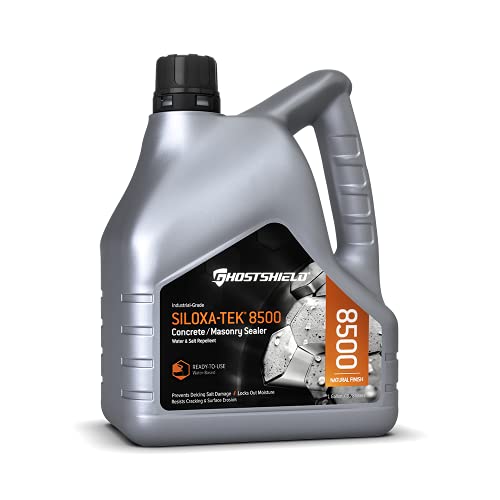
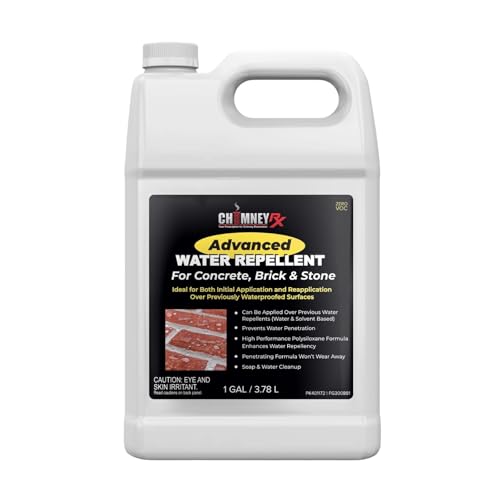


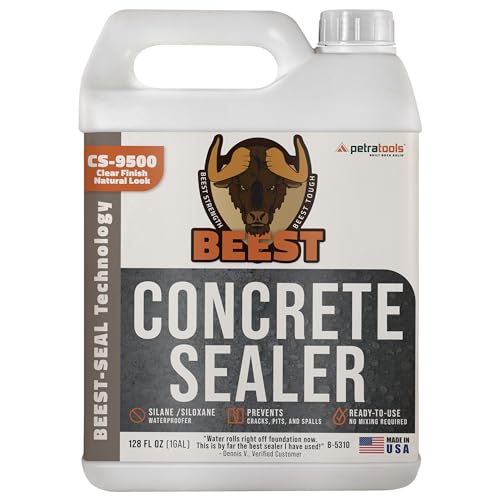
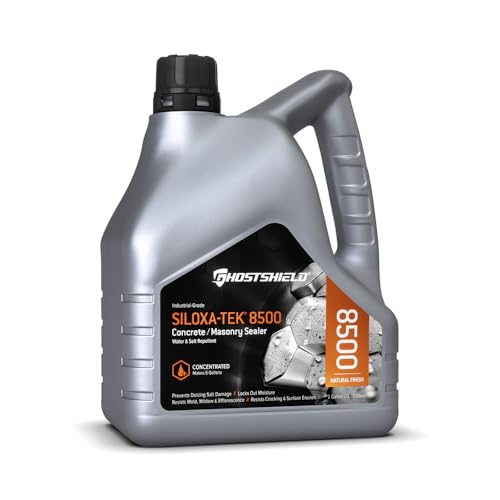
Types of Brick Water Sealers Compared
The table below gives a quick view of the main types. Read the sections after it for the details that matter before you buy.
| Type | Best For | Pros | Cons | Typical Price |
|---|---|---|---|---|
| Penetrating silane and siloxane | Exterior walls and chimneys | Natural look, breathable, long lasting | Higher cost, no gloss or color change | around $40 to $90 per gallon |
| Silicone water repellents | Budget exterior protection | Easy to apply, low cost | Shorter life, less deep penetration | around $25 to $50 per gallon |
| Acrylic film forming sealers | Patios and decorative brick | Gloss or wet look, color enhancement | Can peel, traps moisture if misused | around $30 to $70 per gallon |
| Silicate densifiers | Old or porous masonry | Hardens the surface, very durable | Limited water repellency alone, slow cure | around $35 to $80 per gallon |
Penetrating Silane and Siloxane Sealers
Penetrating sealers soak into the brick and line the pores, so water beads on the surface while vapor can still escape from inside. They leave little or no change in color or sheen, which suits historic brick, chimneys, and walls where a natural look matters. These sealers usually last longer than surface films on vertical walls, because there is no coating to peel. They cost more per gallon than basic silicone repellents, but the longer service life often makes them good value for exterior walls.
Silicone Water Repellents
Silicone repellents are simple water repellent treatments that coat the surface and the shallow pores. They are easy to apply with a sprayer or roller, and they suit budget projects where a basic level of protection is enough. Their protection tends to wear faster than deep penetrating sealers, especially on horizontal surfaces that face foot traffic and standing water. They are a reasonable choice for a low cost refresh, but plan on applying them again sooner.
Acrylic Film Forming Sealers
Acrylic sealers form a thin film on the brick surface, which can add gloss, deepen color, and give a wet look that many owners like on patios and decorative brick. The film can also help resist stains, but it can peel or turn cloudy if moisture gets trapped beneath it. These sealers suit surfaces that are fully dry, well drained, and not subject to rising damp. Avoid them on walls with trapped moisture problems, and follow the maker guide on recoat timing.
Silicate Densifiers
Silicate products react inside the masonry and harden the surface, which helps old, soft, or dusty brick hold up better over time. They are not primarily water repellents, so they are often used to strengthen the surface before a water repellent treatment. Curing can be slow, and results depend on the brick being clean and absorbent. They suit restoration work and porous masonry more than a quick cosmetic refresh.
Penetrating vs Film Forming: Which Should You Choose?
Choose a penetrating sealer when you want protection without changing the look of the brick, and when the wall needs to breathe. This covers most exterior walls, chimneys, and older brick where trapped moisture is a concern. Choose a film forming sealer when you want a gloss or color boost on a patio or decorative surface that stays dry and well drained, similar to the surfaces in our guide to best driveway sealer. Film sealers look striking at first, but they need more careful surface preparation and more frequent upkeep, so when in doubt, a penetrating sealer is the safer default for vertical brick.
How to Choose the Right Brick Water Sealer
Work through the factors below in order, and you will narrow the choice quickly. Start with the surface and the look you want, then check durability and application needs. For a related surface, see our guide to best concrete sealer.
Finish and Appearance
Finish is the first decision, because it changes how the brick looks every day. Penetrating sealers keep a natural matte look, silicone repellents change the look very little, and acrylic films add gloss or a wet look. If you want color enhancement, an acrylic film is the main route, but test it on a small hidden area first. A test patch also shows whether the finish looks even and whether it darkens the brick more than you expected.
Coverage and Durability
Coverage tells you how much area one gallon treats, and it varies with brick porosity, so porous old brick uses more product than dense new brick. Durability tells you how long the protection lasts before water stops beading and a new coat is needed. Vertical walls usually hold protection longer than patios and walkways, which face traffic and weather. Compare coverage and expected life together, since a cheaper gallon that needs frequent recoating can cost more over time.
Application Method and Drying
Most brick sealers apply with a sprayer, roller, or brush, and the best method depends on the surface size and texture. Sprayers suit large walls, while rollers and brushes suit small areas and detailed brickwork, much like the approach in our guide to best deck sealers. Check the drying time, the recoat window, and the weather limits in the maker guide, since rain, cold, or high humidity during curing can weaken the result. Plan the job for a dry stretch of weather, and keep the surface clean and fully dry before you start.
Weather and Surface Condition
Climate shapes the choice more than many buyers expect. Freeze thaw cycles punish trapped moisture, so breathable penetrating sealers suit cold climates better than films that can trap water. Hot sun breaks down some films faster, which shortens the life of gloss finishes. Inspect the brick first for cracks, efflorescence, and existing coatings, since a sealer cannot fix structural damage, then clean the surface, repair cracks, and let the brick dry before sealing.
Care and Maintenance Tips
Clean sealed brick gently with water and a soft brush, and avoid harsh pressure washing that can strip a film or drive water into the brick. Check water beading once a year by sprinkling water on the surface and watching whether it beads or soaks in, and recoat when beading fades, following the maker guide on cleaning before a new coat. Wear eye protection and gloves during application, work in fresh air, keep sealers away from children and pets, and store leftover product as the label directs. Never mix different sealer types on the same surface without checking compatibility.
FAQs
How do I test whether brick needs sealing?
Sprinkle water on a clean, dry section of brick and watch what happens over a few minutes. If water beads and stays on the surface, the existing protection is still working. If water darkens the brick and soaks in quickly, the surface is ready for a new coat. Test several spots, since sun, shade, and wear can leave different areas in different condition, and a simple test patch also helps you judge the finish before you treat a whole wall.
Can I seal brick that was sealed before?
You can seal brick again, but you must know what type of sealer is already on the surface. A penetrating sealer can usually accept another penetrating coat after cleaning, while a film sealer may need the old film removed or lightly prepared first. Applying a film over a worn film can cause peeling or cloudiness. When the old product is unknown, test a small area and check adhesion and appearance before treating the full surface.
Does a brick sealer stop efflorescence?
A sealer can reduce efflorescence by slowing water entry, but it cannot stop it completely, since salts can come from inside the brick or from ground moisture. Efflorescence appears as a white powdery deposit when water carries salts to the surface and dries. Clean existing deposits and fix the water source before sealing, or the problem may return beneath the new coat. A breathable penetrating sealer is usually safer than a film when efflorescence is a known issue.
How long should I wait before sealing new brick?
New brick and mortar need time to cure and dry before sealing, and the maker guide usually gives a waiting period. Sealing too soon can trap moisture and interfere with curing, which may cause cloudiness or poor adhesion. Wait for a dry stretch of weather, and confirm the surface is clean and fully dry. If the project is on a tight schedule, ask the maker for guidance rather than guessing, since cure times vary with mortar type and climate.
Is a water based or solvent based sealer better for brick?
Water based sealers are easier to clean up, have lower odor, and suit most home projects, while solvent based sealers often penetrate deeper and dry faster in cool weather. Solvent products need stronger ventilation and more care during application, and local rules may limit their use. For most exterior walls, a water based penetrating sealer gives a good balance of safety and performance. Choose a solvent product only when deeper penetration or cold weather application clearly justifies the extra care.
The Bottom Line
For most exterior brick, a penetrating silane or siloxane sealer is the safest starting point, because it protects without changing the look and lets moisture escape. Choose a film forming acrylic only for dry, decorative surfaces where you want gloss or color enhancement. Always test a small area, prepare the surface well, and follow the maker guide on weather and drying. With the right best brick water sealer, you can slow water damage and keep your brick looking good for years, as shown in the product table above.


