
Best Boots for Plumbers for 2026: Matching the Right Model to Your Routine
Disclosure: We may earn a commission when you buy through links on this page, at no extra cost to you. As an Amazon Associate I earn from qualifying purchases. Learn more

Plumbing mixes wet floors, tight spaces, ladders, and long days on your feet. Learn which boot features matter for each routine and how to choose a pair.
There is no single pair that suits every plumbing job, and that is the point of this guide. The best boots for plumbers depend on how you actually spend your day, whether you crawl under sinks, stand on wet tile, climb ladders, or walk a large job site. Use the comparison table below to sort the main types, then match cushioning, grip, waterproofing, and toe protection to your routine.
Plumbing routines share some demands, such as long standing, kneeling, and wet or dusty floors, but they differ in important ways. A service plumber who moves between homes needs easy cleaning and a lighter feel. A rough in plumber on a construction site needs tougher protection and stronger grip. Start with your routine, check employer and site rules, and let comfort confirm the choice during a trial.


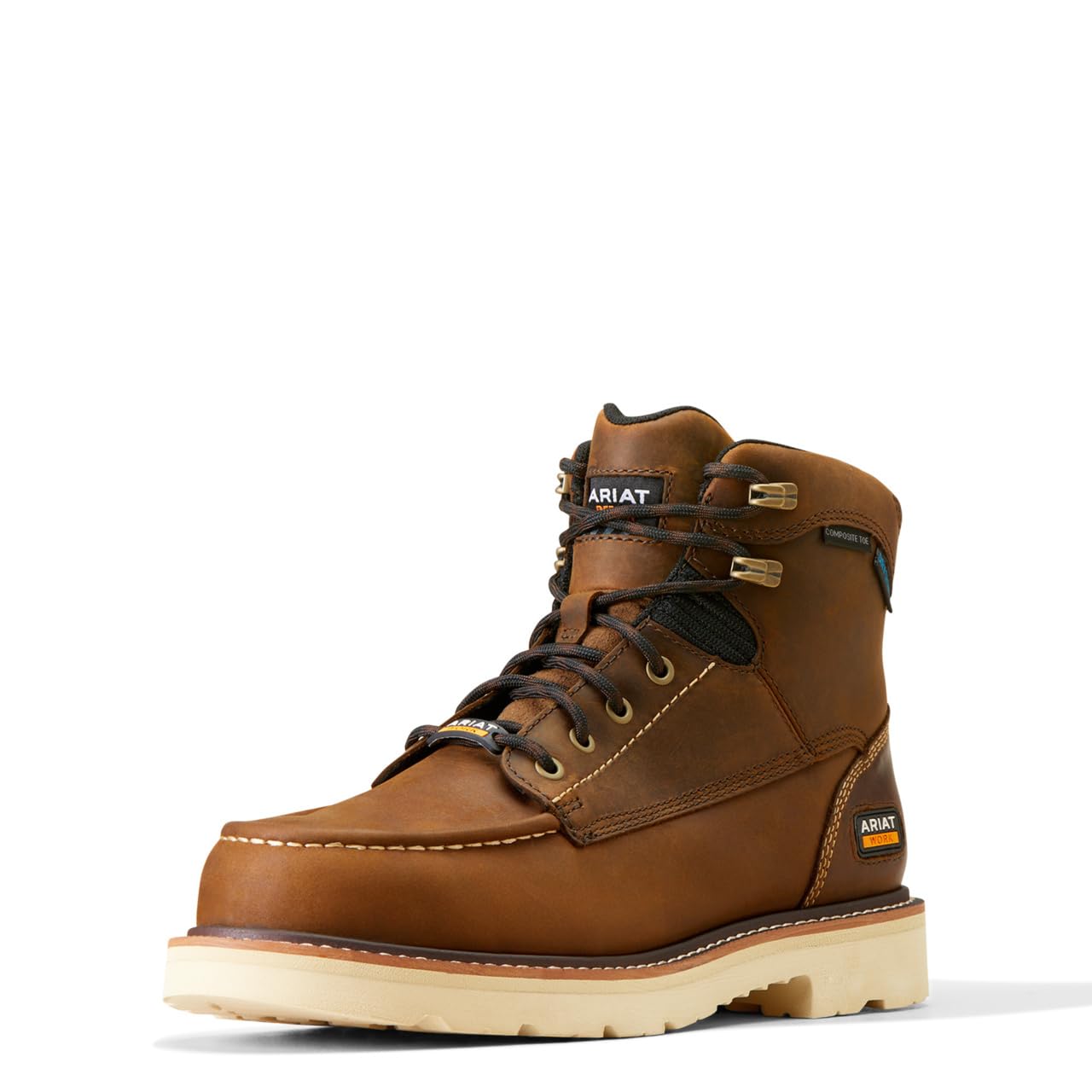


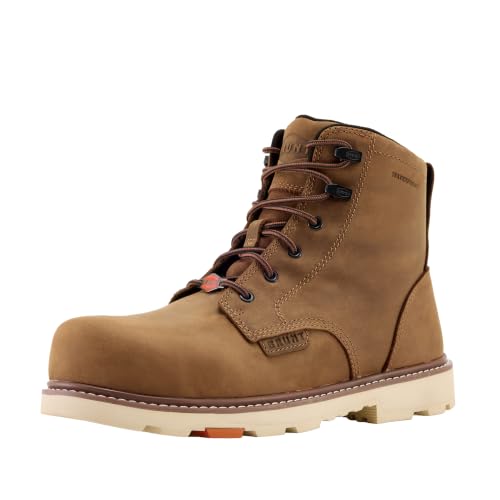

Who Should Buy Which Boots?
Think of your week, not just one job. Count how often you kneel, climb, stand in water, or carry heavy parts, and choose a boot shape that handles the most common tasks first. The groups below cover the main routines, and many plumbers will recognize parts of more than one group.
For Bad Weather and Tough Conditions
Outdoor and rough site work calls for strong water resistance, a rugged outsole, and durable uppers that handle mud and grit. A sealed seam and a gusseted tongue help keep water and debris out when you step through puddles or wet soil. Grip matters most here, so look for deep tread that sheds mud rather than packing it. If your site requires toe protection, treat that as a fixed need and check the standard that applies to your job.
For Weekend Beginners
Occasional plumbing work at home or for friends calls for a simpler, lighter boot that is easy to put on and easy to clean. You may not need the toughest sole or the highest ankle, but you still need steady grip on wet bathroom floors and enough toe room for kneeling. A moderate price often makes sense here, around $100 to $160 for a solid everyday pair, as long as fit and grip are right.
For Frequent or Serious Users
Full time plumbers need boots that hold up to daily wear, repeated kneeling, and frequent contact with water and cleaning agents. Look for replaceable insoles, strong stitching, and soles that can be resoled or replaced when tread wears thin, if that service is offered for the style you choose. Comfort over a full shift matters more than a small saving at purchase, since sore feet slow every later job. See our guide to the best work boots for plumbers for a closer look at daily wear choices.
For Small Spaces and Easy Storage
Tight crawl spaces, small vans, and shared storage reward a lighter, lower profile boot that still protects the toes and grips well. A flexible sole helps when you kneel or crouch, and a slimmer toe shape makes it easier to fit a foot beside pipes and fixtures. Avoid an overly tall or stiff boot if most of your work happens in cramped rooms, since bulk can slow movement and catch on fittings.
Key Features to Compare
Compare features by the task they help, not by how impressive they sound on a spec sheet. A feature earns its place when it makes kneeling easier, keeps you steady on a wet floor, or keeps feet comfortable through a long call. The four areas below cover most plumbing routines.
Break In Period and Comfort Out of the Box
Some boots feel good at once, while stiffer leather styles need a short break in period before they soften. Plan short wear sessions at home, and watch for rubbing at the ankle, heel, and little toe. Mild stiffness that eases over several days is normal for many sturdy boots. Sharp pain or numbness that persists is a sign to check fit or width, and to seek clinician advice if pain, numbness, or swelling keeps returning.
Features That Matter for Plumbers
Plumbing work needs grip on wet tile, protection from dropped tools, and uppers that handle splashes without staying soaked. A waterproof membrane helps in wet work, while a breathable upper feels cooler for dry indoor calls. A firm heel counter steadies the foot on ladders, and a roomy toe box helps when kneeling puts pressure on the forefoot. Check employer and local rules for toe protection and slip resistance before you narrow the choice.
Cushioning and Support
Cushioning softens each step, while support controls how the foot moves during kneeling and ladder work. A thick, very soft midsole can feel kind at first but may feel wobbly on a ladder rung. A firmer midsole with a stable heel shape often suits long standing and repeated kneeling better. Heel to toe drop describes the height difference between heel and forefoot, and a moderate drop often feels balanced for mixed standing and walking.
Fit, Sizing, and Toe Box
Try boots in the afternoon with the socks you wear at work, since feet tend to be slightly larger later in the day. Your toes should wiggle freely, your heel should lift only slightly, and the widest part of your foot should sit over the widest part of the boot. If one foot is larger, fit that foot first. A wider version often solves forefoot pressure better than a longer size, which can cause heel slip on ladders.
Common Mistakes to Avoid When Buying Boots
- Choosing by price alone, because a cheap pair that hurts will cost more in lost comfort and early replacement.
- Ignoring the break in period, and wearing a stiff new pair for a full shift on day one.
- Buying too large or too small, instead of checking width and toe room with work socks on.
- Skipping a check of warranty and return terms, which matter when a boot fails early under daily use.
- Assuming waterproof means slip proof, since grip depends on tread and rubber, not on water resistance alone.
Tips to Get the Most From Your Boot
Rotate two pairs for daily wear when you can, so each pair can dry fully between shifts. Air dry wet boots away from direct heat, which can crack leather and warp soles. Brush off dust and grit after muddy work, and check laces, eyelets, and soles each week for wear. Replace insoles when they flatten, and replace the boots when tread wears smooth, the heel counter collapses, or water starts soaking through seams that once stayed dry.
Before a large job, do a quick check on a wet bathroom floor or a damp driveway to confirm grip, and test kneeling beside a low cabinet to confirm toe room. A short check like this can reveal a fit problem while you still have time to swap sizes or insoles. Keep the spare pair clean and dry so it is ready when the main pair needs a rest day.
FAQs
What features matter most in boots for plumbers?
Grip on wet floors, toe protection where required, water resistance for wet work, and stable cushioning for long days matter most in boots for plumbers. A deep tread helps on tile and mud, while a firm heel counter steadies ladder work. A roomy toe box helps during kneeling, and a waterproof membrane helps when splashes are frequent. Check employer and site rules first, since safety needs set the baseline before comfort choices narrow the field.
Do plumbers need waterproof boots?
Plumbers need waterproof boots when wet work is frequent, such as drain calls, outdoor work in rain, or jobs with standing water. For mostly dry indoor work, a water resistant upper may feel cooler and still handle occasional splashes. Waterproofing alone does not guarantee grip or toe protection, so check tread and safety standards separately. Choose the level of water protection that matches your usual week, not just one wet job.
How long is the break in period for boots for plumbers?
The break in period for boots for plumbers often runs from a few days to about two weeks of regular wear. Flexible styles may feel good at once, while thick leather can need short wear sessions at home before a full shift. Walk, kneel, and climb stairs during the trial so you test the movements your job requires. If sharp pain continues past two weeks, fit or width is more likely the cause than break in, so try another size or insole.
Are expensive boots for plumbers worth it?
Expensive boots for plumbers can be worth it for full time work, when better materials, replaceable insoles, and stronger stitching extend useful life. For occasional use, a mid priced pair with the right fit and grip often serves just as well. Compare cost per month of use rather than sticker price alone, and weigh warranty terms. The best value is a pair that stays comfortable through a full shift and lasts through your normal routine.
How should boots for plumbers fit?
Boots for plumbers should feel snug at the midfoot and heel, with free toe wiggle and no pressure on the little toe. Try them in the afternoon with work socks, and test kneeling and ladder steps, not just standing. Heel lift should be slight, and toes should not hit the front when you crouch. If the forefoot feels tight, try a wider version before a longer size, since extra length can cause heel slip and blisters on long days.
How often should plumbers replace their boots?
Plumbers should replace boots when tread wears smooth, cushioning flattens, the heel counter collapses, or seams start leaking. Full time wear may reach that point sooner than occasional use, so inspect soles and insoles each month rather than following a fixed calendar. Rotating two pairs can extend the life of each pair by allowing full drying between shifts. Keep a spare pair ready if a failure would leave you without safe footwear for a job.
Wrapping Up
The best boots for plumbers are the ones that match your routine, meet your site rules, and stay comfortable from the first call to the last. Prioritize grip and toe protection where needed, then waterproofing, fit, and cushioning for your usual tasks. Use the product table above to compare types, and confirm the fit with a trial that includes kneeling, stairs, and a full afternoon on your feet.


