Best Boots for Pouring Concrete for 2026: What Actually Matters Before You Buy
Disclosure: We may earn a commission when you buy through links on this page, at no extra cost to you. As an Amazon Associate I earn from qualifying purchases. Learn more

A tall sealed shaft, deep lugs and a locked heel matter on a pour. See how to choose the best boots for pouring concrete.
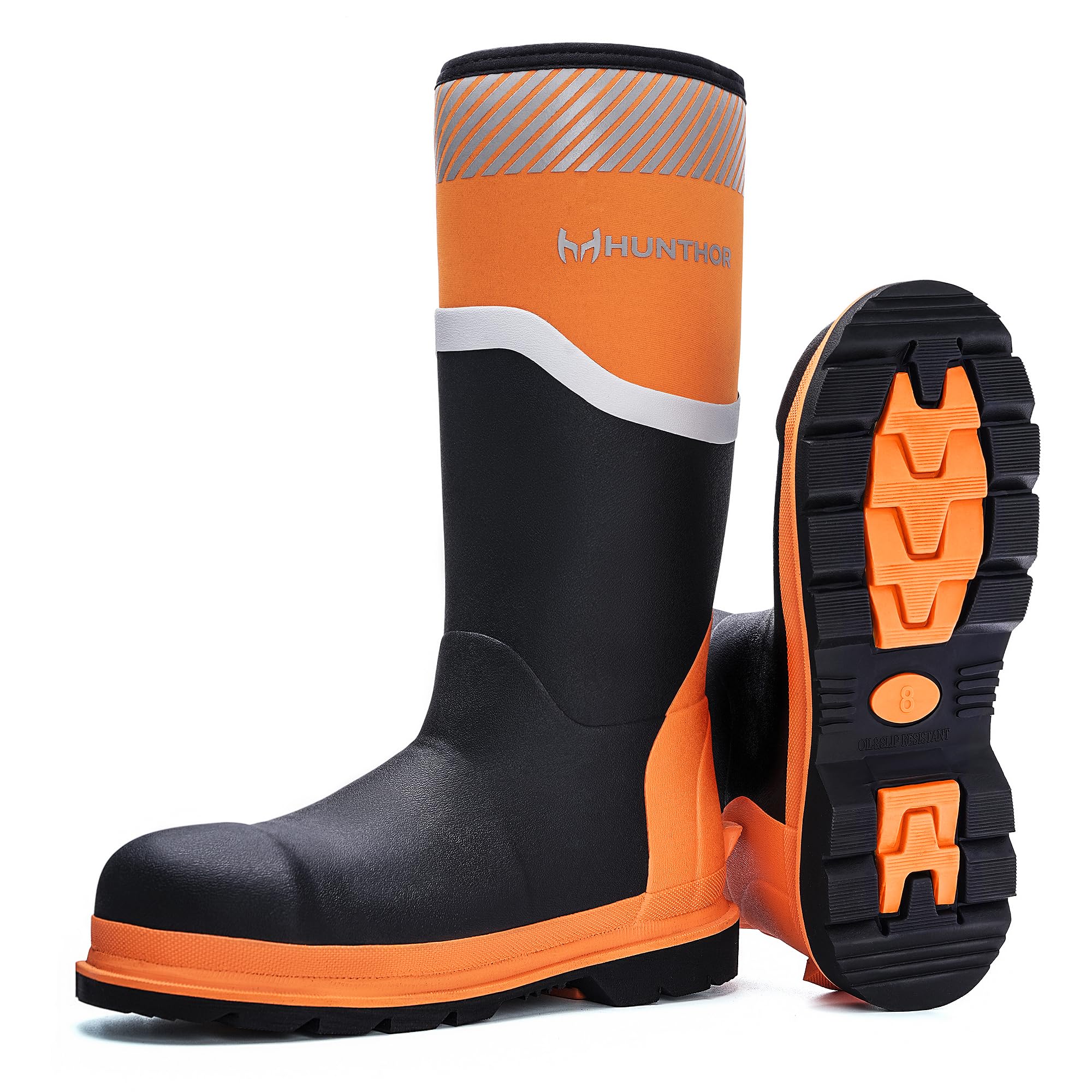
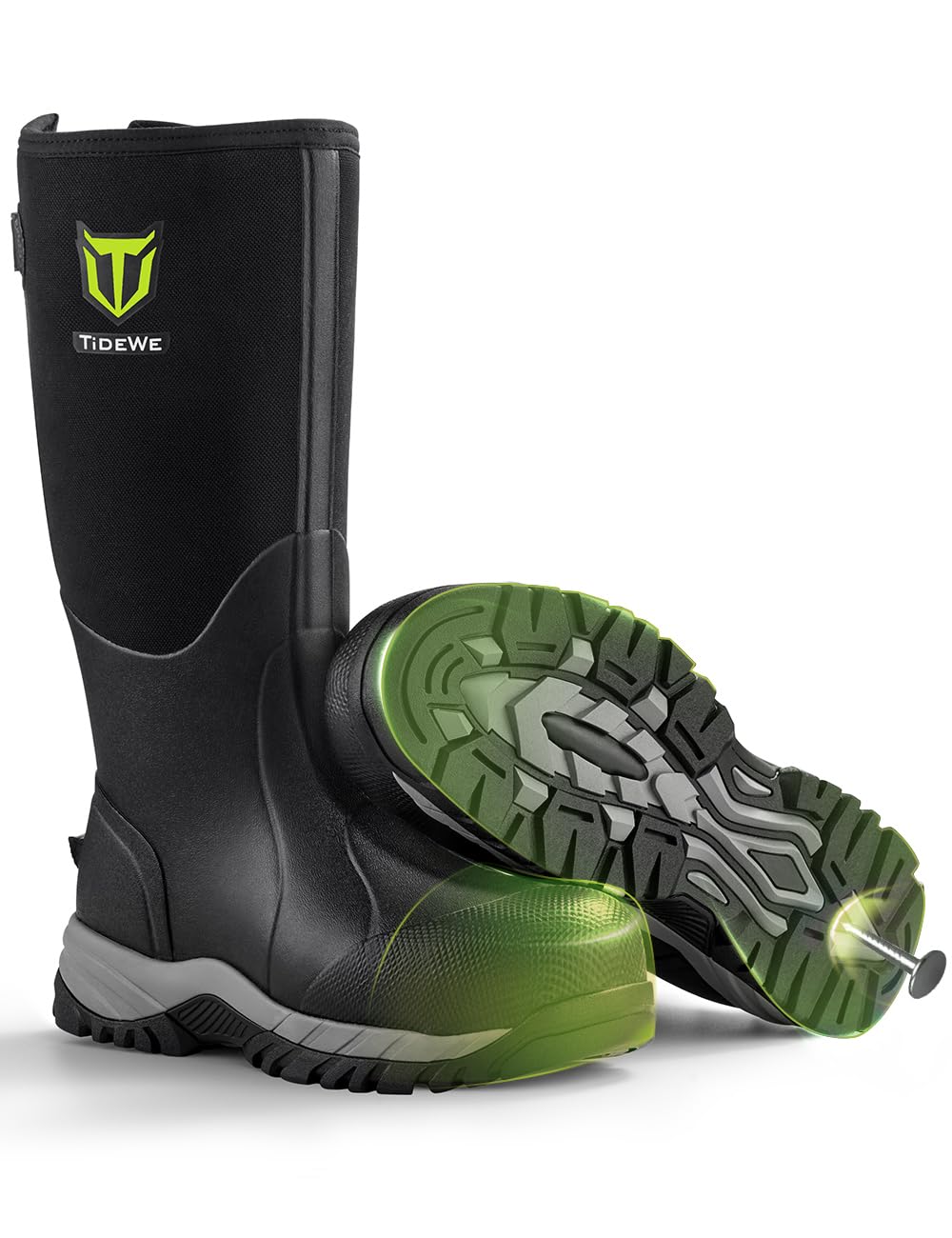
Pouring concrete soaks your boots, coats them in grit, and forces you to walk on ground that shifts under every step. Choosing the best boots for pouring concrete starts with a simple checklist, not with looks or brand names. You need a shaft tall enough to keep wet mix out, a sole that grips slick forms and rebar, and support that still feels steady at the end of a long pour.
This guide walks through that checklist in order, from fit and waterproofing to cushioning, toe room, and daily care. Use the comparison table below to match the main specs side by side, then read the sections that matter most for your pours.


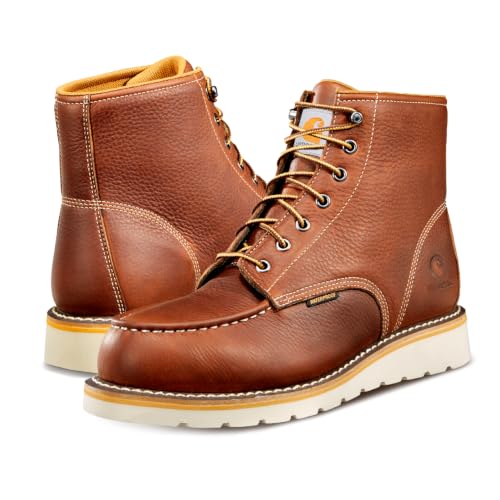
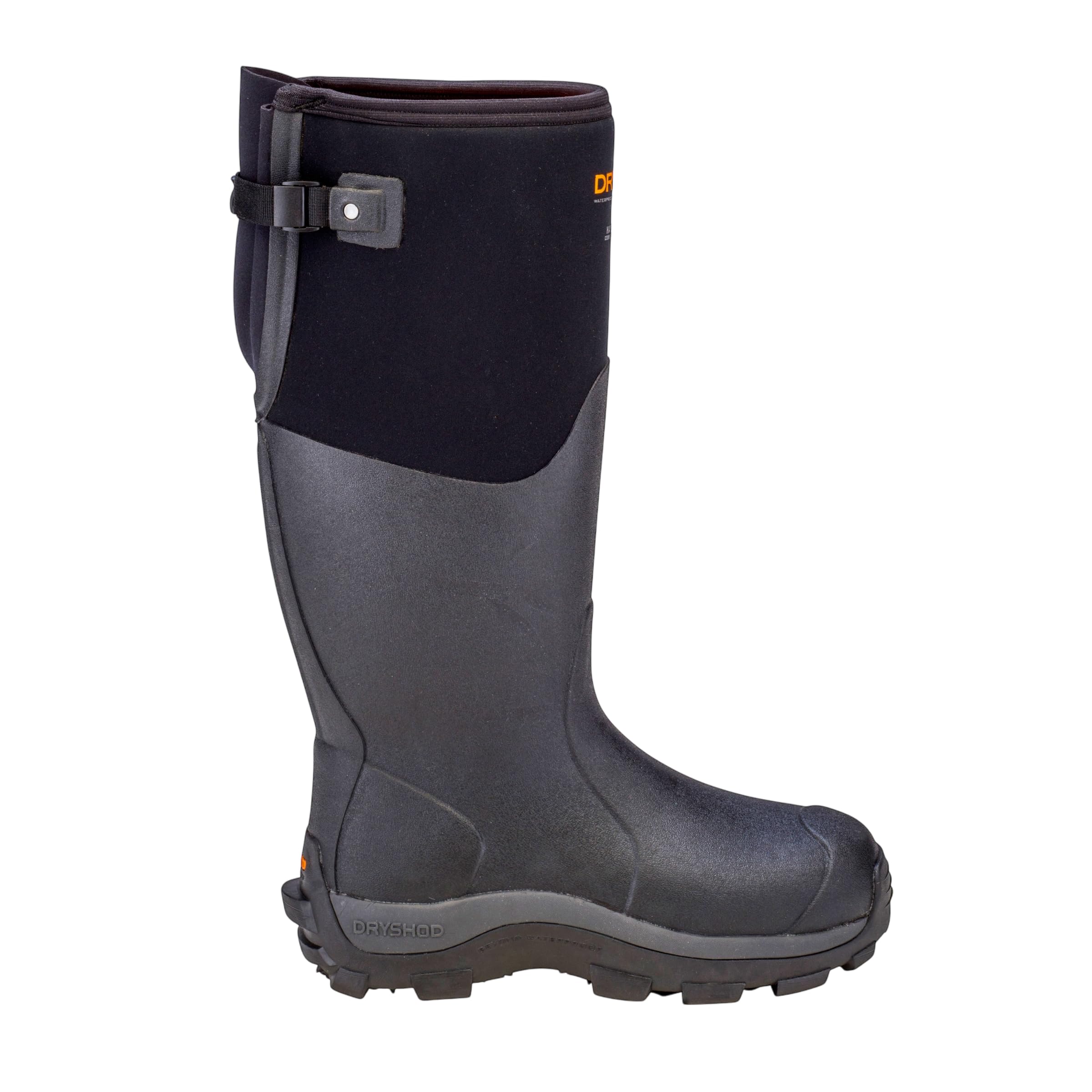

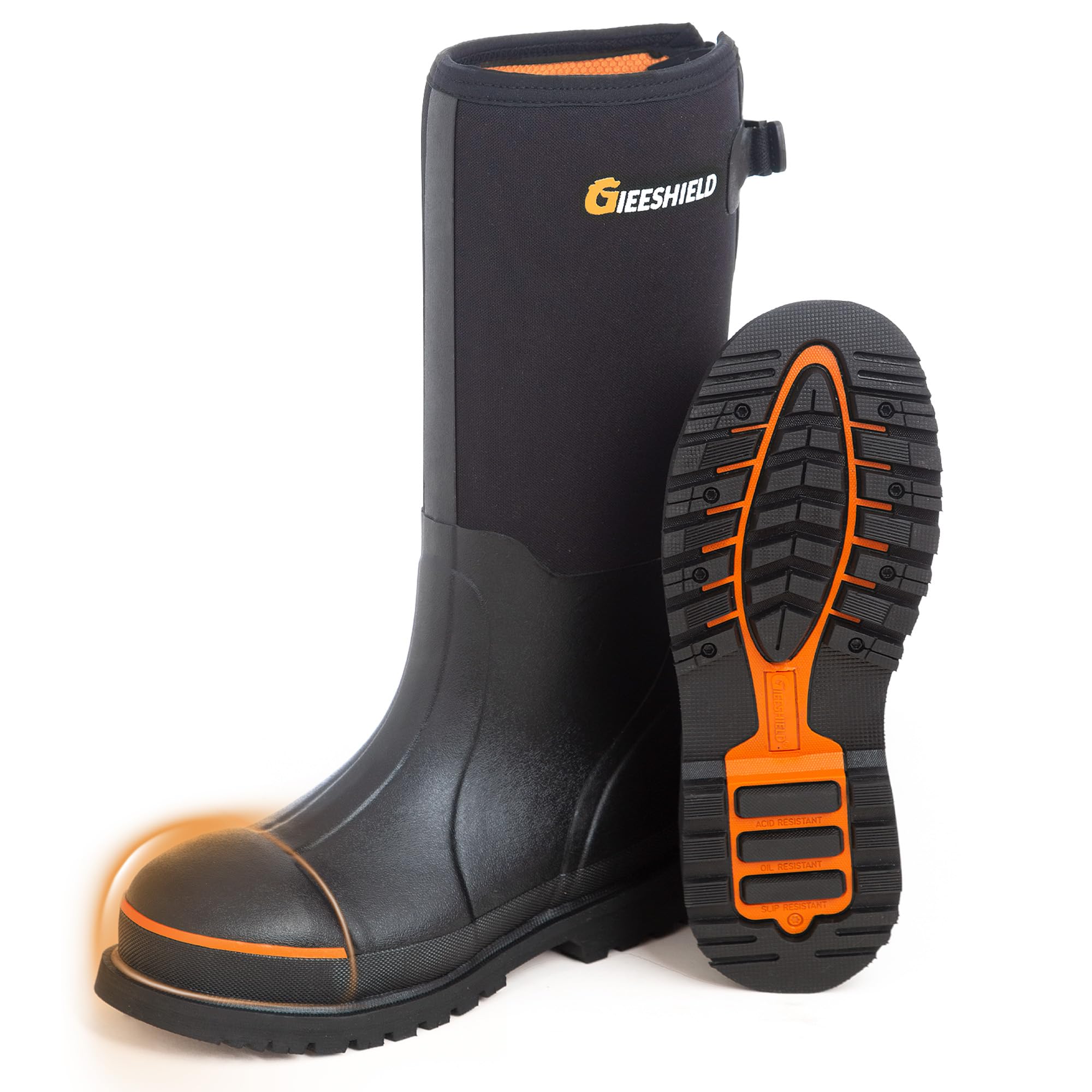
How to Evaluate Boots for Pouring Concrete
A pour day differs from a normal day on cured concrete, since your boots stand in wet, heavy, alkaline mix, then cross gravel and forms in the same shift. If you also spend long days walking cured floors, see our guide to the best boots for concrete for that separate set of demands.
Features That Matter for Pouring Concrete
Start with shaft height, sole grip, and protection from wet mix. A shaft around 8 to 12 inches keeps splashes and shallow puddles out when you step into the pour, while a taller shaft suits deeper placements. Look for deep lugs that shed mud instead of packing flat, plus a sealed upper with few exposed seams. Wet concrete can irritate and burn skin, so rinse any skin contact right away and seek medical care for blistering or an eye splash.
Fit, Sizing, and Toe Box
Measure both feet late in the day, when they are at their largest, and size to the longer foot. Your toes should move freely inside the toe box without pressing the front when you step down a slope or push a wheelbarrow. Thick work socks change the fit, so judge size while wearing the socks you pour in.
Arch Support and Foot Type
Arch support matters because you stand and shuffle in one small area for hours, often on ground that gives under your weight. Flat feet usually feel best with firm support that limits inward roll, while high arches often need more cushioning under the heel and forefoot. A neutral, stable base suits many workers, but returning pain is a sign to talk with a clinician about your own feet rather than guessing with another insole.
Cushioning and Support
Cushioning should absorb the shock of stepping off forms and walking gravel without feeling soft or wobbly. A moderate heel to toe drop, often around 8 to 12 mm, helps many workers move from standing to walking without strain. Stability matters more than plush softness here, because a rolling ankle in wet concrete is a real risk. For background on support for long shifts in general, see our guide to the best boots working concrete.
Waterproofing With Gore Tex and Membranes
Waterproof boots keep wet mix and wash water out, and a Gore Tex lining is one common way makers seal the upper while letting some sweat escape. Fully sealed rubber or coated leather blocks water best but feels warmer, so breathable linings suit milder weather and shorter pours. No lining helps once mix flows over the top of the shaft, which is why height and a close calf fit matter as much as the membrane itself.
Break In Period and Comfort Out of the Box
Stiff leather and tall shafts rarely feel perfect on day one. Most boots settle after several shorter wears as the ankle area flexes and the insole shapes to your foot. Judge comfort after walking, bending, and crouching in the boots, not after standing still in a store. A boot that pinches or rubs in one clear spot is a fit problem, not a break in problem.
Durability and Expected Lifespan
Concrete is hard on boots because the mix is abrasive and its alkalinity can dry and crack leather that is left coated. Stitching near the sole, thin leather at flex points, and soft lugs usually wear first. A well kept pair often lasts many months of steady work, while boots left caked and damp between jobs fail much sooner.
Buying Guidance Beyond the Basic Checklist
The product table above covers the headline specs, but three choices often decide whether a pair actually works on your pours. Many buyers misjudge the best boots for pouring concrete by focusing on the sole and skipping closure style, toe protection, and weight. Work through each one against your site rules and your usual tasks before you settle on a size.
Lace Up or Pull On Style
Lace up boots let you tighten the ankle and heel, which helps when wet concrete tries to pull a boot off with suction. Pull on boots go on and off fast and have no laces for mix to coat, but the looser calf fit can let splashes in. If you wade into deeper pours, a snug lace up fit with pants worn over the shaft usually keeps more mix out.
Toe Protection and Site Rules
Many commercial sites require a safety toe, and steel and composite caps both meet common standards when the boot is rated for the job. Composite caps feel lighter and conduct less cold, while steel caps often allow a slimmer profile. Always confirm the rating your site requires before ordering, because a soft toe boot may be refused at the gate. For a fuller look at rated options for this work, see our guide to the best work boots for pouring concrete.
Weight, Warmth, and Pour Conditions
Heavy boots protect well but cost energy on every step through sticky mix, so weigh protection against pour size and ground. Insulated pairs suit cold morning pours, yet they can overheat fast in summer sun. Uninsulated waterproof boots with a breathable lining cover the widest range of seasons for most crews. Expect to pay about $100 to $250 for a solid pair, with insulation and rated safety toes pushing the price higher.
Quick Buyer Checklist
Run through these questions before you buy, and treat any no as a reason to keep looking.
- Does the shaft stand tall enough to stay above your usual pour depth?
- Can you wiggle your toes freely while wearing your thickest work socks?
- Does the heel stay seated when you walk, bend, and crouch?
- Is the upper sealed, with few seams where wet mix can soak in?
- Do the lugs look deep enough to grip mud, gravel, and slick forms?
- Does the toe cap match the safety rating your site requires?
- Does the arch feel supported after standing in the boots for ten minutes?
- Can you rinse and dry this pair easily between pour days?
Red Flags to Watch For
Weak boots often reveal themselves in the listing and in the first close look, long before the first pour. Watch for these warning signs and walk away when more than one shows up on the same pair.
- The listing gives no shaft height, toe rating, or waterproofing detail, so you cannot check it against your site rules.
- The sole has shallow, smooth tread that will pack with mud and slide on wet forms and plywood.
- Stitching looks loose or uneven at the sole, where flexing and grit open weak seams first.
- The warranty is very short or unclear, which often signals the maker expects a short working life.
- Sizing guidance is missing or the range skips wide fits, even though feet swell during long shifts.
How to Make Your Boots for Pouring Concrete Last Longer
Rinse your boots with clean water the same day, before the mix hardens, and scrub dried spots gently with a soft brush. Open the laces, pull the insoles out, and air dry the pair away from direct heat, which can crack leather and weaken glue. Once dry, leather pairs benefit from conditioner at flex points, while rubber pairs mainly need a check for cuts. Store boots upright so the shafts keep their shape.
Rotate two pairs if you pour on back to back days, because a lining that never fully dries breaks down faster and smells worse. Retire a pair when lugs wear smooth, the sole separates, or the upper cracks through, since grip and sealing are both gone at that point.
Boots for Pouring Concrete: Your Questions Answered
What features matter most in boots for pouring concrete?
Shaft height, sealed uppers, and deep lug grip matter most in boots for pouring concrete. One extra check is the top opening, because a wide, loose collar lets mix in even when the rest of the boot is fully sealed. Look for a collar you can snug over your socks or under your pant legs. That single fit detail often decides whether your feet stay dry on a deep pour.
Are expensive boots for pouring concrete worth the extra cost?
Expensive boots for pouring concrete are worth it when the higher price buys a taller sealed shaft, a rated safety toe, and a sole you can resole or return under a clear warranty. A useful test is cost per pour: a costly pair that lasts two seasons can cost less per pour than a cheap pair replaced twice in one year.
How should boots for pouring concrete fit?
Boots for pouring concrete should fit snugly at the heel and ankle with clear space in front of the toes. Test the fit by stepping forward and pulling your foot back sharply, the way wet mix pulls at a boot with suction. If the heel lifts out or slops side to side during that test, the boot may come off in the pour. Try a half size down or a lace pattern that locks the heel.
How long is the break in period for boots for pouring concrete?
The break in period for boots for pouring concrete usually runs across several short wears rather than a single shift. Plan those first wears for light tasks, such as form setup or cleanup, instead of your longest pour of the month. Carry your older pair as a backup during the first week, so sore spots never force you to finish a pour in boots that are hurting you. Most pairs feel settled within about two weeks of regular use.
Can you wear boots for pouring concrete all day on a pour?
Yes, you can wear boots for pouring concrete all day when the fit, arch support, and weight suit your feet. A spare pair of dry socks at lunch makes a bigger difference than most people expect, because damp socks soften skin and invite blisters during the afternoon. Small habits like these keep late day fatigue from turning into sore feet the next morning.
Do you need waterproof boots for pouring concrete?
Yes, you need waterproof boots for pouring concrete because wet mix, wash water, and puddles surround your feet for most of the job. Remember that seams are the usual leak path, so a boot with a sealed or wrapped sole joint often stays dry longer than one with heavy stitching near the ground. Check those seams after your first few pours. Early leaks are easier to address with a return or exchange than leaks found months later.
Final Thoughts
The right pair comes down to three things: a sealed shaft tall enough for your pour depth, a fit with real toe room and a locked heel, and support that stays stable on shifting ground. Match those to your site rules and seasons, and use the product table above to compare the finalists on the specs that matter. Chosen with that checklist, the best boots for pouring concrete will keep your feet dry, steady, and ready for the next pour.