Best Breville Food Processor: A Complete Buying Guide
Disclosure: We may earn a commission when you buy through links on this page, at no extra cost to you. As an Amazon Associate we earn from qualifying purchases. Learn more
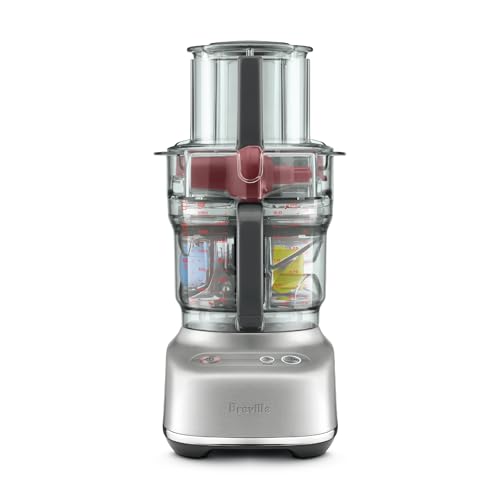
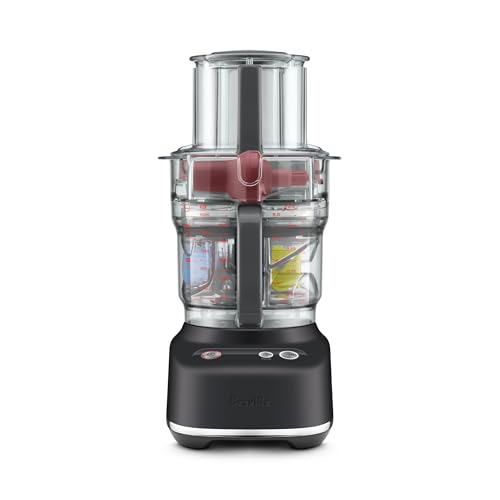
Breville's food processor lineup covers a lot of ground, from compact 9-cup models built for weeknight prep to 16-cup workhorses that can shred a full head of cabbage in seconds. That range is exactly why picking the best Breville food processor for your kitchen isn't as simple as grabbing whatever's on sale. Bowl size, motor strength, and the discs that come in the box all affect what the machine can actually do once it's on your counter. This guide walks through the specs that matter, where Breville food processors tend to hold up over time, and how to match a model to the way you actually cook.




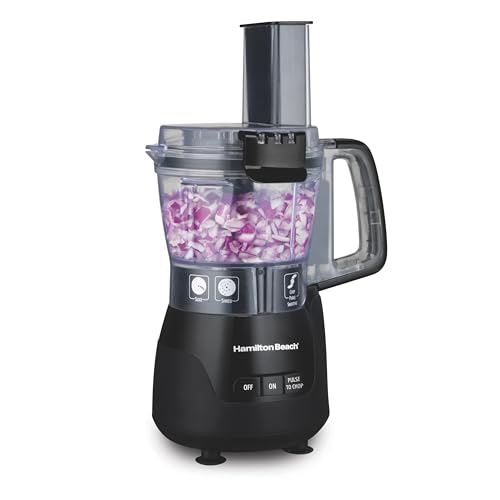
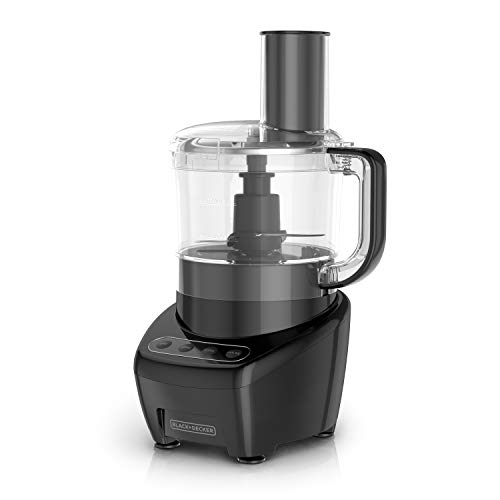
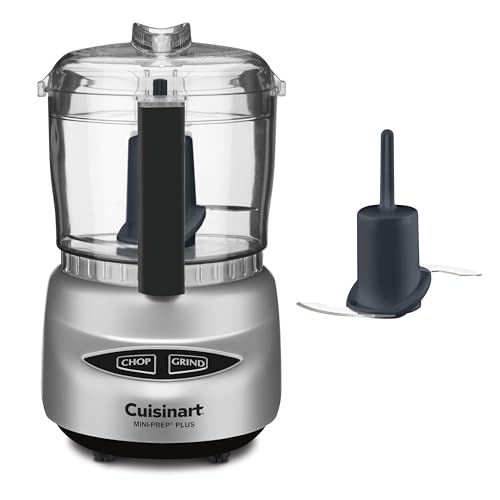
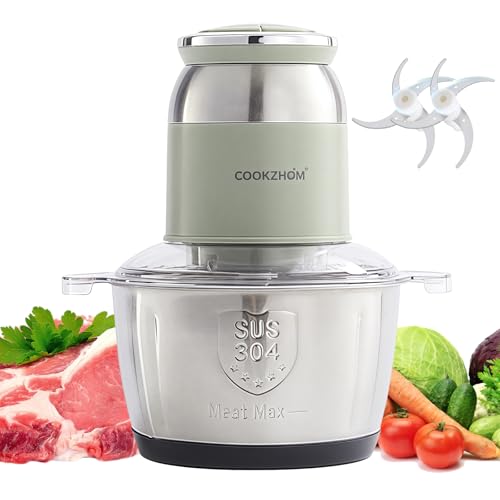
What Actually Sets One Breville Food Processor Apart From Another
Finding the right Breville food processor for your routine starts with matching bowl size and motor to how you actually cook, not how big the box looks on the shelf. A few specs do most of the heavy lifting.
Bowl Capacity and Who It's Really For
Breville sells its food processors in a few standard capacities, and the difference between them is bigger than it looks on a spec sheet. A 9-cup bowl handles weeknight chopping, salsa, and small batches of hummus without feeling oversized on the counter. Step up to 12 or 16 cups and you gain enough room to knead dough for two loaves of bread or shred vegetables for a crowd, but the unit itself gets heavier and takes up more storage. Many models also include a smaller insert bowl, usually around 2.5 cups, for grinding nuts or mincing herbs without dirtying the full-size bowl.
Motor Power and Induction Drive
Breville builds most of its food processor models around a high-torque induction motor rather than the smaller brushed motors common in budget machines. Induction motors run cooler under load, which matters when you're pushing through dense dough or a full bowl of root vegetables. Wattage varies by model, and a stronger motor generally means less stalling on tough ingredients, but it also adds weight and noise. If you mostly chop vegetables and make dips, you don't need the most powerful motor in the lineup.
Blade and Disc Selection
Every Breville food processor ships with a micro-serrated S-blade for general chopping, pureeing, and mixing, plus at least one slicing and shredding disc. Higher-end models add a dicing kit with interchangeable grids, commonly in three sizes, along with a julienne disc, a French fry disc, and sometimes a dedicated dough blade. If you cook a lot of soups, salads, or meal-prep dishes that need uniform diced vegetables, the dicing kit is worth prioritizing over a bigger bowl.
Feed Chute and Safety Features
Wider feed chutes let you drop in whole potatoes or long cucumbers without pre-cutting them, which saves real time during meal prep. Many Breville models pair this with a dual-speed or variable-speed control, so you can slow things down for delicate herbs and speed up for hard vegetables. Safety interlocks that keep the motor from running unless the bowl and lid are locked in place are standard across the lineup, but it's still worth checking before you buy a used or open-box unit.
Food Processor or Blender: Where the Sous Chef Line Fits In
A food processor and a blender solve different problems, even though it's tempting to expect one machine to do both jobs. Blenders excel with liquids: smoothies, soups you want silky smooth, and sauces with a high liquid content. If your kitchen already leans toward blended drinks and purees, a Breville blender might cover more of your daily prep than a processor would. A food processor, by contrast, is built for solid or semi-solid ingredients: chopping, slicing, shredding, and short bursts of dough kneading, all with little or no added liquid. Knowing which category most of your prep falls into is the fastest way to figure out whether a processor earns its counter space.
What Long-Term Owners Say About Reliability
Owner feedback on Breville's food processors is fairly consistent. People like the adjustable slicing disc, since most competing processors only offer one slice thickness, and they like that a 12 or 16-cup bowl can hold an entire head of cabbage for coleslaw without processing in batches. The complaints that come up repeatedly involve longevity: some owners report the motor straining or plastic components cracking after a couple of years of regular use, especially with the smaller and less expensive processors in the lineup. That doesn't mean every unit fails early, but it's worth weighing warranty coverage and build quality alongside price when you're comparing options.
If long-term durability is your main concern and you don't need slicing or dicing, a simpler tool like an immersion blender has fewer moving parts and less to go wrong, though it obviously can't replace a processor's chopping and shredding functions.
Getting the Most Out of the Attachments You Already Have
The dicing kit and extra discs that come with higher-end Breville processors are only useful if you actually use them, and plenty of owners let them sit in a drawer after the first few tries. Running the dicing grid works best with firm, chilled vegetables like carrots or potatoes; soft produce tends to mash instead of cutting cleanly. The included dough blade can knead a couple of loaves' worth of bread dough in about a minute, which is faster than most stand mixers, but it's not a substitute for one if you regularly work with large or very wet doughs. For that kind of volume, a stand mixer with a dedicated dough hook still handles the job better over time. Most Breville processors also include a storage case for blades and discs, and using it consistently is the easiest way to keep track of small parts instead of digging through the utensil drawer every time you cook.
Frequently Asked Questions
What size Breville food processor is right for a typical family kitchen?
For a family of three to five, a 12-cup bowl is usually the sweet spot. It's large enough for weekend meal prep and holiday cooking without the extra bulk of a 16-cup model, which tends to make more sense for people who cook in bigger batches or host often.
Can a Breville food processor knead bread dough?
Yes, most mid-size and larger models include a dedicated dough blade that can knead a standard loaf's worth of dough in under a minute. It works well for everyday bread, though very wet or high-hydration doughs are usually easier to manage in a stand mixer.
What's the difference between a food processor and a blender for food prep?
A food processor is built for chopping, slicing, shredding, and light dough work using interchangeable blades and discs. A blender is designed for liquids and purees, like smoothies and soups. They overlap a little, but neither one fully replaces the other.
Are the blades and discs dishwasher safe?
Most Breville blades and discs are dishwasher safe, but the sharp edges dull faster with repeated cycles. Hand washing the S-blade and slicing discs tends to keep them sharper for longer, even though it's an extra step.
How long can I expect a Breville food processor to last?
With normal home use, several years of reliable service is typical, though some owners report issues after the first couple of years, usually with plastic components or the motor under heavy loads. Registering the product and keeping warranty details on hand is a good habit given that history.
Does bowl size affect motor performance?
Indirectly, yes. Larger bowls are usually paired with stronger motors so the machine can process a full load without straining, while smaller processors use lighter motors sized for smaller batches. Overloading a small-bowl processor is one of the more common ways people burn out the motor early.
Making Your Decision
Choosing the best Breville food processor comes down to matching bowl size and motor strength to how often you cook and how much volume you typically process at once. If you mainly chop vegetables and make the occasional batch of hummus, a smaller model with the standard S-blade covers everything you need. If you bake, host, or prep in bulk, the extra capacity and attachments on a larger model will earn their keep. Either way, checking the included blades and discs against your actual cooking habits, not just the bowl size on the box, is what separates a processor you use every week from one that ends up in the back of a cabinet.