Best Breathable Logger Boots for 2026: Which One Fits the Way You Use It?
Disclosure: We may earn a commission when you buy through links on this page, at no extra cost to you. As an Amazon Associate I earn from qualifying purchases. Learn more

Best breathable logger boots compared by venting, support, and fit, with practical checks to run before you order.
Heat builds inside a tall leather shaft during a long shift, feet swell, socks stay damp, and focus suffers late in the day. The best breathable logger boots move warm air out while keeping the raised heel, deep lugs and stiff support that climbing and rough ground demand. Use the comparison table below to match venting, support and toe options to your work.
There is no single design that suits every crew. An unlined leather boot breathes well in dry heat but takes on water fast, while a membrane lined boot stays drier in rain and traps more warmth. Your climate, your hours and any safety ratings your employer requires should decide the balance.
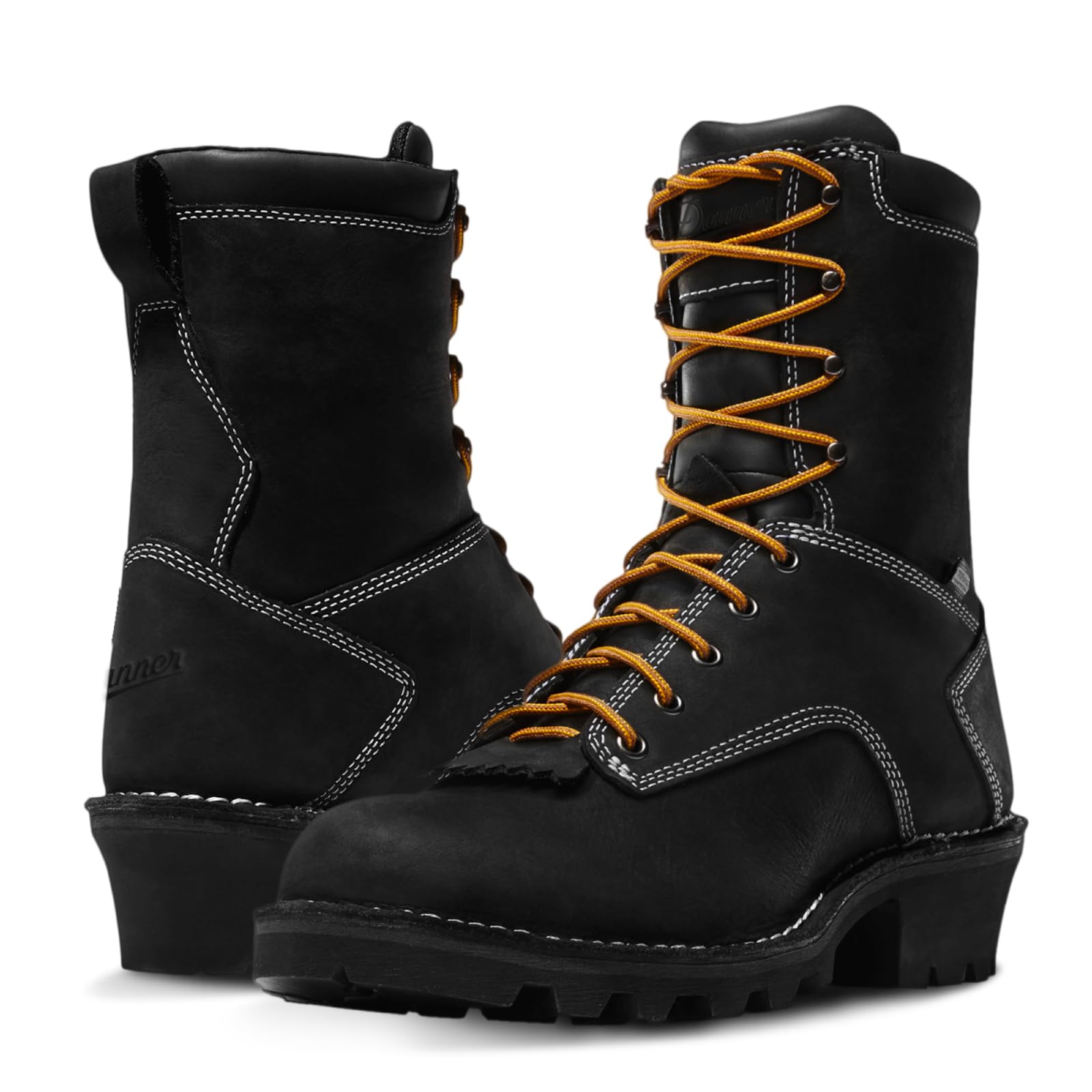


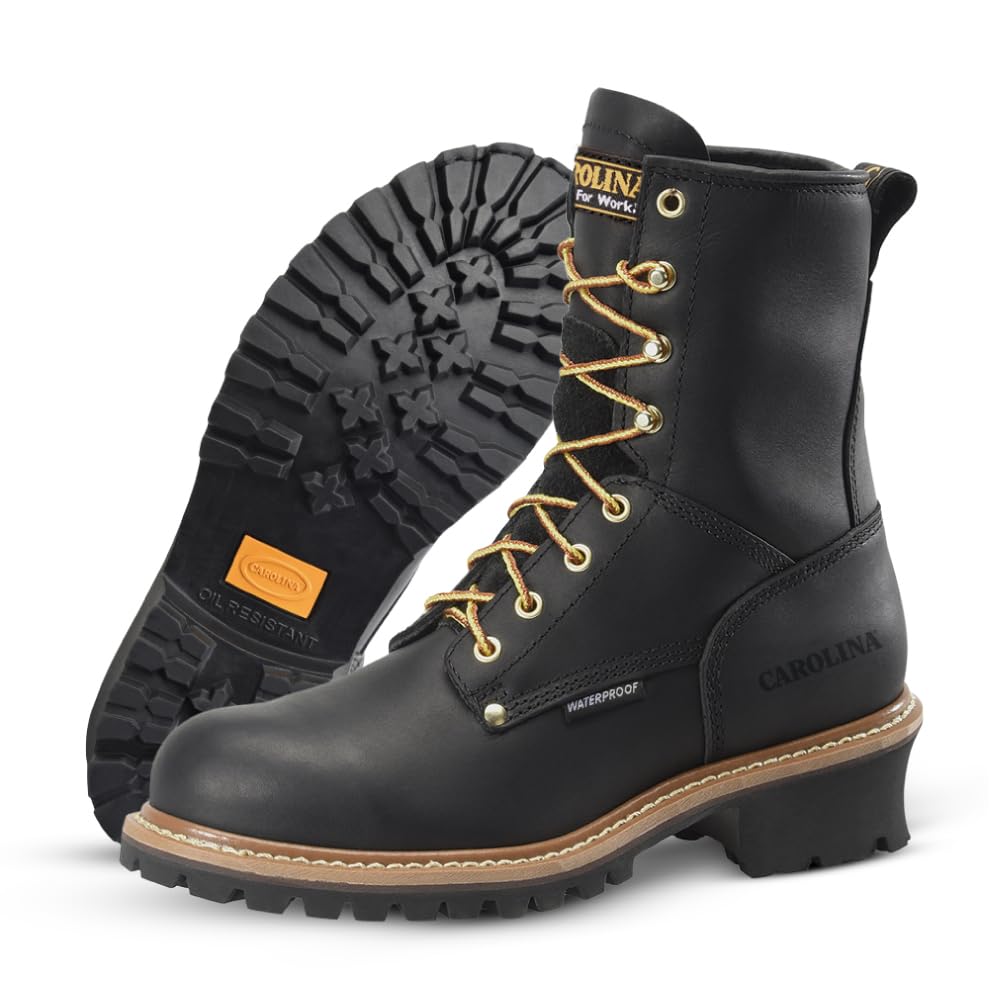
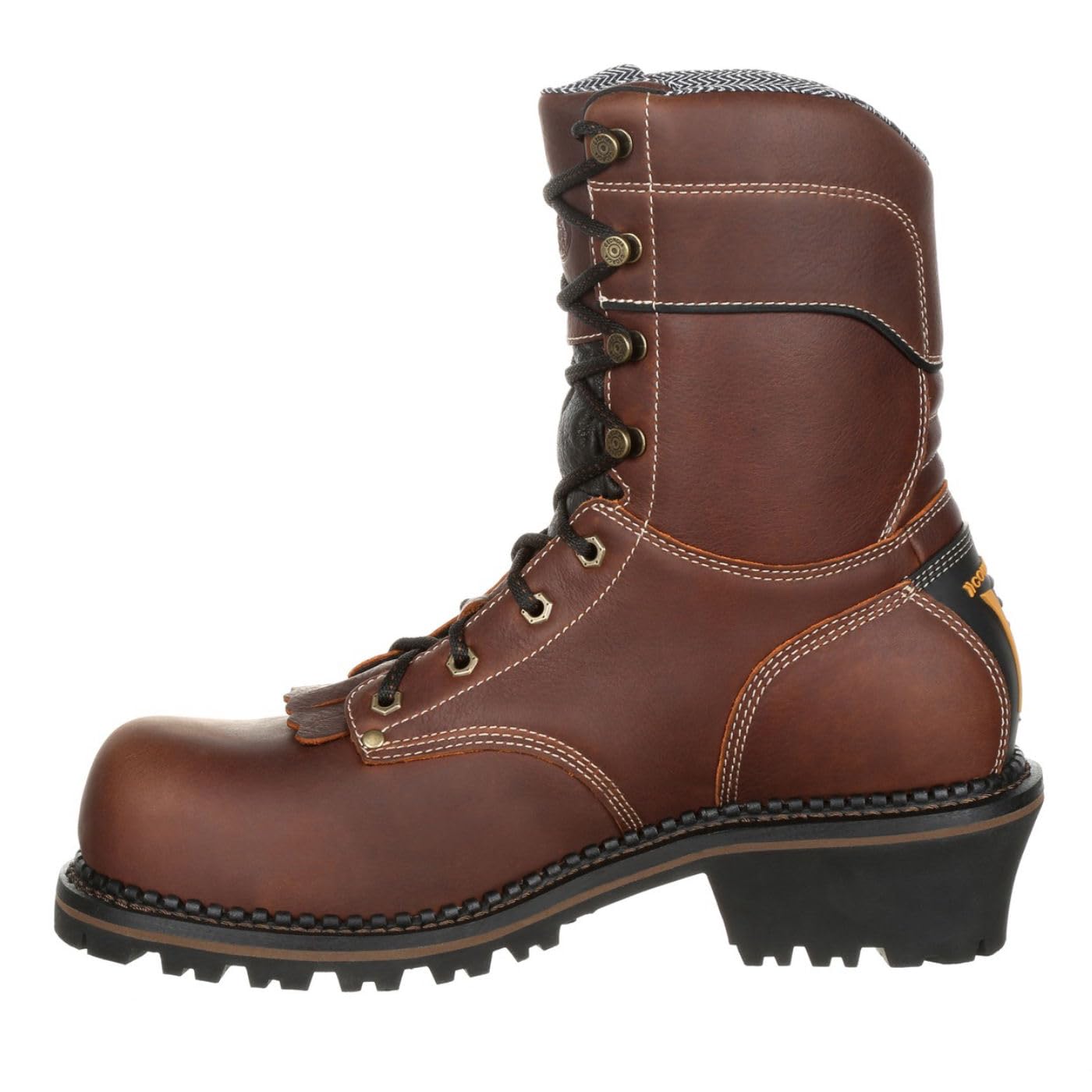

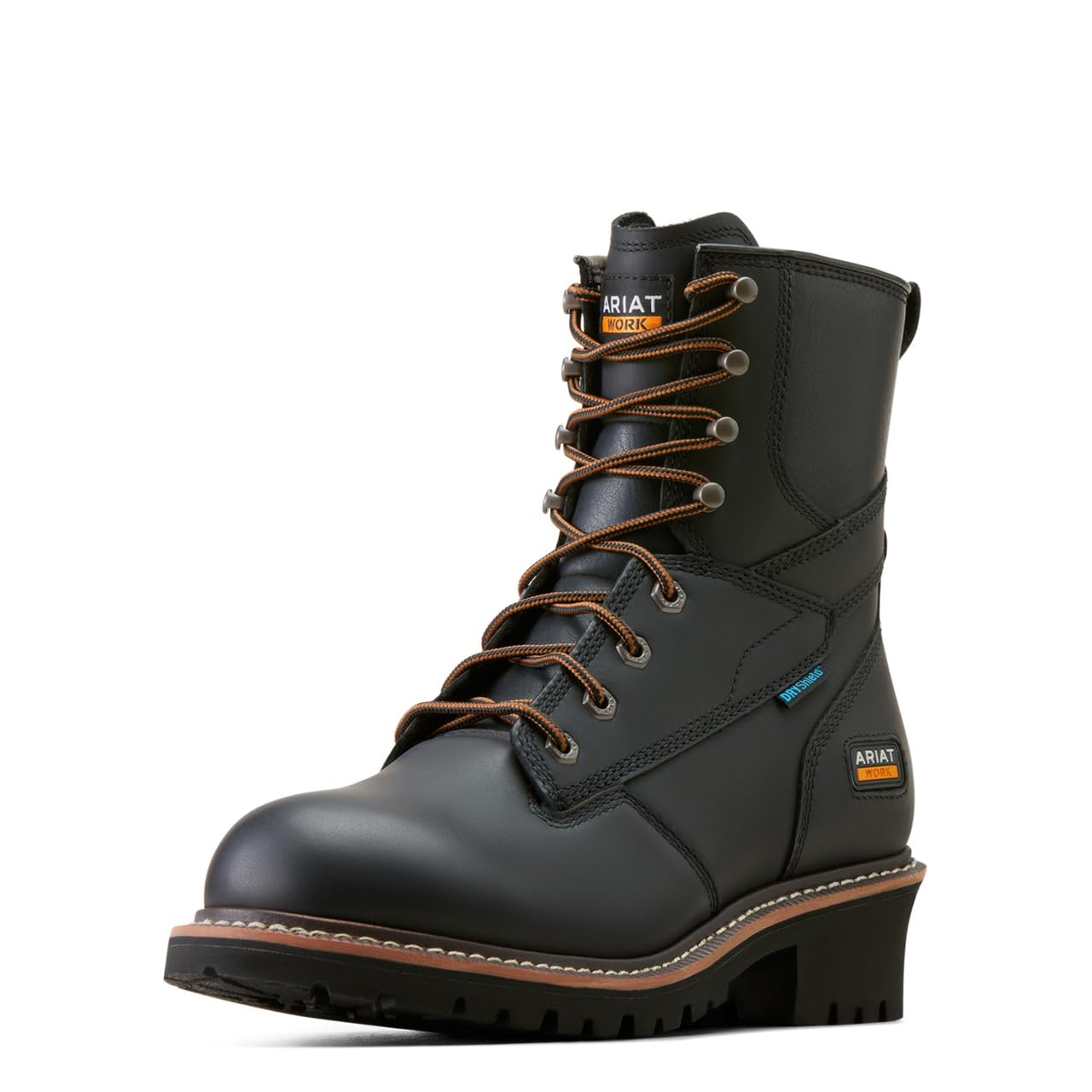
Who Should Buy Which Breathable Logger Boots?
Start with the conditions you work in most weeks. Breathability matters most when heat and hours combine.
Full Time Forestry and Utility Crews in Hot Weather
You spend eight or more hours in the boot, often on slopes, brush or gravel, so venting and support both rank high. Choose an unlined or lightly lined upper, a firm shank and a safety toe if your employer requires one. Expect to pay about $200 to $350 for this level of build.
Arborists and Climbers Who Work on Spurs and Ladders
Your weight rests on a narrow rung or spur for long stretches, so the shank and heel do the real work. Pick a stiff steel or composite shank, a defined logger heel, and a shaft of about 8 to 10 inches. Breathable panels help because climbing raises foot temperature fast. Check whether your crew requires chainsaw protective ratings before you order.
Seasonal Cutters and Property Owners in Warm Weather
You may cut firewood or clear storm damage on weekends rather than daily. A mid priced breathable logger boot, about $120 to $200, usually gives enough lug grip and ankle support without the stiff break in of a heavy pro boot. Choose a soft toe if no job rule requires a safety toe, since it keeps the boot lighter and cooler around the toes.
Crews in Warm but Wet Conditions
You need airflow on dry days and protection during wet weeks, and no boot does both perfectly. A boot with a waterproof breathable membrane, such as Gore Tex, is the usual compromise, since it sheds rain while letting some vapor escape. Airflow will feel lower than in an unlined boot, so plan a second pair to rotate.
Key Features to Compare
Compare these factors in order, because the first two decide comfort in heat and the rest decide safety and fit.
Venting and Upper Materials That Let Heat Escape
Breathability starts with the upper. Unlined full grain leather breathes through its pores and molds to your leg, while fabric mesh panels move more air but wear faster against brush and bark. A moisture wicking lining pulls sweat off the skin, yet it cannot vent heat if the outer layer is sealed. For airflow across boot styles, see our guide to the best breathable boots.
Logger Heel and Deep Lug Outsole for Grip
The raised logger heel, often about 1.5 to 2 inches, helps you hook ladder rungs, climbing spurs and loose slopes, and it shifts weight toward the forefoot on descents. Deep lugs bite into mud, bark and wet leaves, and wide spacing clears debris instead of packing smooth. A softer rubber grips wet wood better but wears faster on pavement, while a harder compound lasts longer and feels less secure on slick logs.
Shank and Arch Support for Climbing and Long Standing
A shank is the stiff plate between the insole and the outsole, and it stops the boot from flexing under your arch on a rung. Steel shanks offer the firmest support and add weight, while composite and nylon shanks feel lighter and suit most ground work. Arch support should match your foot shape, since a high arch left unsupported aches by midday. For lighter work footwear, see our guide to the best breathable work boots.
Fit, Sizing and Toe Box Room for Feet That Swell in Heat
Feet swell during a hot shift, so try boots on in the afternoon in your work socks. You want a thumb width of space in front of your longest toe, a heel that stays seated when you climb a step, and no pinch across the forefoot. Safety toe models add protection and a little weight, and often feel roomier than a soft toe. Order with free returns if you are between sizes.
Water Resistance and the Airflow Trade Off
Every layer that keeps water out also slows vapor moving out, so the most breathable boots are rarely the most waterproof. Water resistant leather handles dew and light rain, and it still vents well. A sealed membrane handles steady rain and shallow puddles, but your feet will feel warmer and socks will dry slower. Count your wet days honestly. If rain is rare, skip the membrane and gain airflow.
Breathable Logger Boot Types Compared
Three broad types cover most buyers. Unlined leather boots vent best and suit dry summer work. Lined boots with mesh panels balance airflow with a cleaner inside finish. Membrane lined boots suit mixed weather, and the best breathable logger boots in this group use thinner membranes and vent zones to limit heat buildup.
Shaft height is the other choice here. An 8 inch shaft covers the ankle and feels easier during a first season, while a 10 inch shaft adds support on spurs and sheds more debris. Taller shafts trap more heat, so in hot regions the shorter shaft often wins. Lace the full shaft on your first climbs, because a loose top lets the heel slip and invites blisters.
Common Mistakes to Avoid
Most returns and sore feet trace back to a short list of buying errors.
- Choosing a waterproof membrane for a dry climate leaves your feet hotter and your socks damp from sweat alone.
- Buying your normal shoe size without trying boots in work socks causes toe crowding once your feet swell in heat.
- Ignoring the shank leaves your arches aching after the first day spent standing on rungs or spurs.
- Picking a smooth fashion outsole instead of deep lugs risks a slip on wet bark, mud or loose gravel.
- Skipping the break in and wearing a stiff new pair for a full shift invites blisters and sore ankles.
- Overlooking an employer safety rule on toe or electrical hazard ratings can leave you with boots you cannot wear on site.
Care and Maintenance Tips
Breathable boots stay breathable only if sweat and dirt do not clog the upper. After each shift, loosen the laces, pull the insoles out and let the boots air dry in shade away from direct heat, since heat cracks leather and warps linings. Brush off dried mud before it grinds into mesh panels or leather pores. Condition plain leather lightly, because heavy wax can seal the pores you paid for. Rotating two pairs gives each pair a full day to dry.
Break in a new pair over short wear periods before a full shift, and add time each day as the leather softens. Inspect lugs, stitching and the heel each week, and replace laces once they fray, since a broken lace on a climb is a real hazard. Store pairs upright in moving air rather than in a closed truck box. For lighter trail styles, see our guide to the best breathable hiking boots.
Frequently Asked Questions
How often should I replace breathable logger boots?
Replace breathable logger boots when the lugs wear smooth, the shank flexes under your arch, or the upper cracks and no longer holds your ankle steady. Full time crews often reach that point after one to two heavy seasons, while weekend users may get several years. Resole a well made pair once if the upper still fits, since a fresh outsole costs less than a new boot.
Are expensive breathable logger boots worth the higher price?
Yes, for daily work they usually are, because the extra cost buys a stiffer shank, thicker leather and stitching that survives brush and heat. The gain shows up as steadier footing late in a shift and fewer seam failures mid season. A weekend cutter gains less, since total hours stay low. Spend first on fit and support.
Can I wear breathable logger boots all day in summer heat?
Yes, you can wear breathable logger boots all day, and venting is what makes that realistic in summer. Plan on moisture wicking socks, a midday sock change on long days, and a full lace up so your foot does not slide and heat up from friction. If your toes go numb or pain sharpens, stop and check the fit, because all day comfort should never come with numbness.
How should breathable logger boots fit at the heel and toe?
Breathable logger boots should hold the heel firmly with almost no lift, while the toes keep a thumb width of room to spread. The check that matters most is a step up test, since logger work loads the heel and arch on rungs. Walk up a stair and reject any pair where the heel pops free. A snug heel with a roomy toe is the right combination.
Do breathable logger boots need to be waterproof?
No, breathable logger boots do not need to be waterproof, and many hot climate crews prefer them without a membrane. Waterproofing helps only when rain, wet brush or standing water is part of most weeks. One middle path is a water resistant leather finish, which shrugs off dew while the upper still vents. Keep a treated spare pair for storm cleanup days if your main pair is unlined.
Our Verdict
Match the boot to your climate first, your work second, and your budget last. Unlined leather wins in dry heat, a membrane earns its place in wet regions, and a stiff shank with a real logger heel is non negotiable for rung and spur work. Use the product table above to confirm shaft height, toe type and price.
When you compare best breathable logger boots with those points in mind, start with fit, because the coolest boot in the wrong size still ends the day early. For the wider category view, see our guide to the best logger boots.