
Best Breathable Hiking Boots for 2026: Matching the Right Pair to Your Routine
Disclosure: We may earn a commission when you buy through links on this page, at no extra cost to you. As an Amazon Associate I earn from qualifying purchases. Learn more

Best breathable hiking boots compared by airflow, grip, and fit, with practical checks to run before you order.
There is no single pair of best breathable hiking boots that suits every trail, because airflow, grip, support and weather protection pull in different directions. The comparison table below gives you a quick view of the main types, while this guide matches features to real use so you avoid overpaying and get the right fit the first time.
Think first about where and how you hike. Warm, dry day hikes reward airflow and light weight, while wet or muddy trails may call for a water resistant upper even if it breathes a little less. Fit matters in every case, because a breathable boot that rubs, slips or pinches will not feel comfortable no matter how good its materials look on paper.


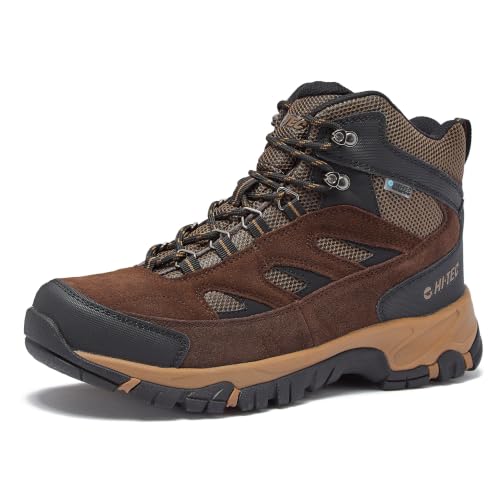


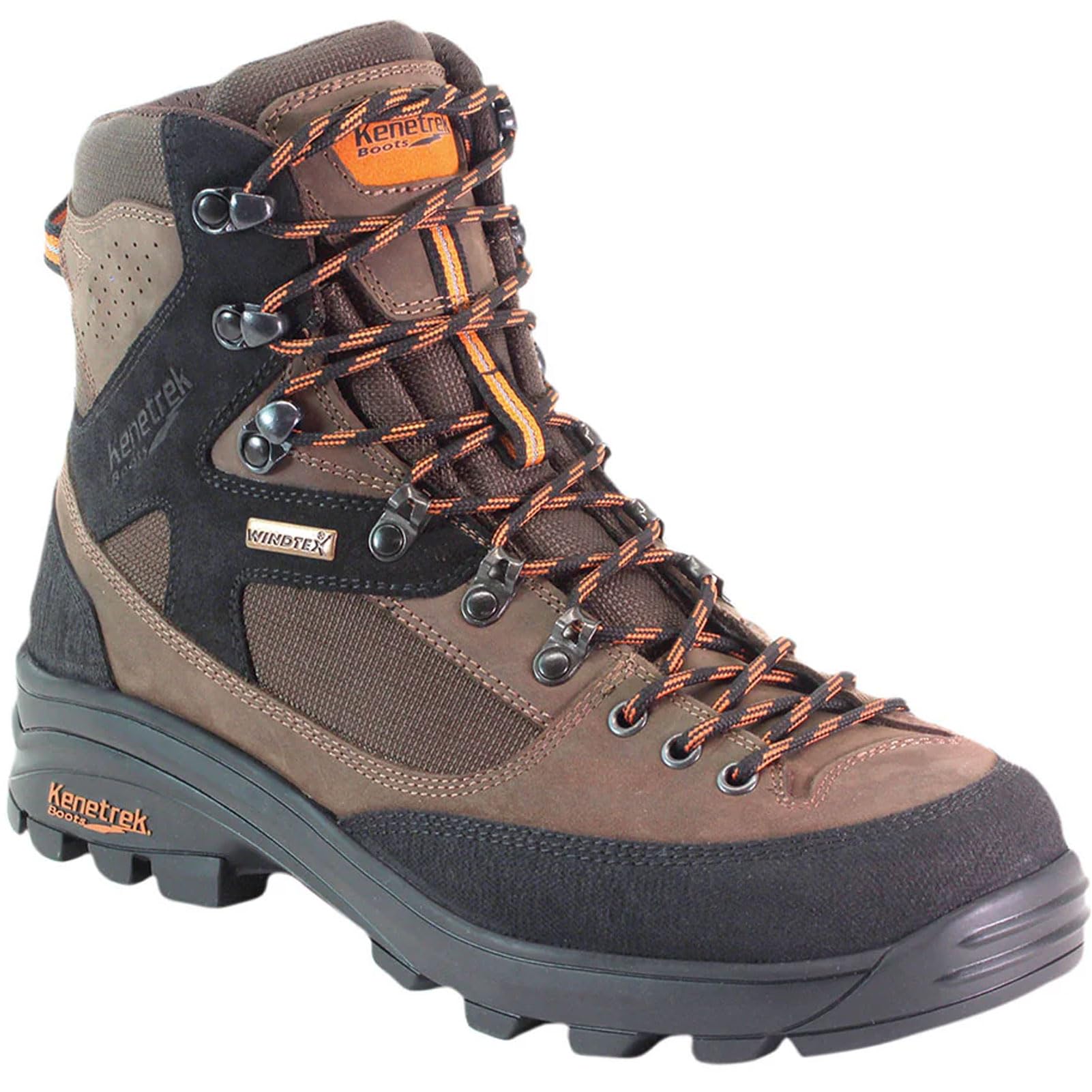
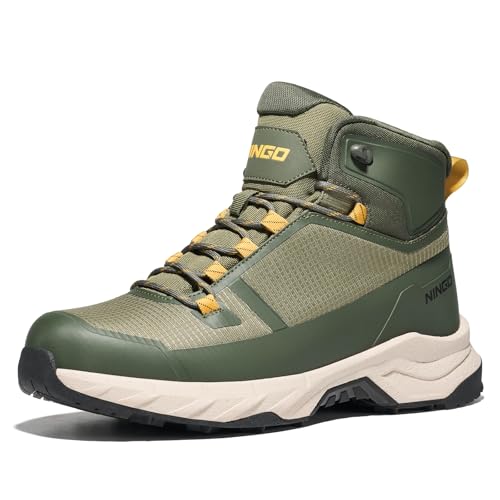
Who Should Buy Which Breathable Hiking Boots?
For Warm Weather Day Hikes
Warm weather day hikers benefit most from mesh panels, light uppers and soles that stay stable on dry trail surfaces. Look for a boot that vents heat around the foot without leaving the toes unprotected on rocky paths. A lower cut can also help airflow, but it gives less ankle support on uneven ground, so weigh that trade before choosing. For short hikes with a light pack, breathability and comfort often matter more than heavy duty protection.
For Frequent or Serious Hikers
Frequent hikers need a boot that keeps its shape, cushioning and grip after many miles, not just on the first outing. Check the outsole pattern, the quality of stitching and bonding, and whether the midsole still feels supportive after a long day. A slightly heavier boot can be worth it here if it lasts longer and protects the foot better on rough terrain. Also check the warranty and repair options, because serious use tests every part of the boot.
For Bad Weather and Tough Conditions
Bad weather hiking changes the balance between airflow and protection. A membrane can keep rain and mud out, but it also traps more heat, so look for designs that pair a membrane with venting zones or a moisture wicking lining. Grip matters even more on wet rock and mud, so check lug depth and spacing rather than relying on a waterproof label alone. For tough conditions, a boot that dries reasonably well after getting wet is often more practical than one that claims to stay dry in every situation.
For Weekend Beginners
Weekend beginners do best with a boot that feels comfortable right away, fits true to size and does not demand a long break in period. Choose a flexible upper, a roomy toe box and a sole that grips well on the trails near home. Avoid paying for extreme features you may not need yet, such as heavy mountaineering support or a fully waterproof build for dry summer paths. A simple, well fitting boot encourages more hikes, and that experience will guide your next purchase better than any feature list.
Key Features to Compare
Break In Period and Comfort Out of the Box
Break in time varies widely, from almost none for soft, flexible boots to several hikes for stiff leather or heavily structured designs. A boot that feels good in the shop may still rub after a few miles, so test it on short walks before a long hike and wear the socks you plan to hike in. Pay attention to heel slip, toe pressure on descents and any hot spots around the ankle collar. If discomfort appears early and does not ease with lacing changes, the fit is likely wrong rather than merely new.
Waterproofing and Membranes
Waterproof membranes, including well known options, can keep water out in rain and shallow crossings, but they reduce airflow and add warmth. For dry, hot trails, a non waterproof mesh boot often feels far cooler and dries faster if it does get wet. For wet climates, a membrane paired with a water repellent upper treatment can be the better compromise. Remember that no hiking boot stays dry forever in deep water, and that gaiters and good socks matter as much as the membrane itself.
For a lighter option on dry trails, see our guide to best lightweight breathable hiking boots.
Durability and Expected Lifespan
Durability depends on materials, construction and how often you hike on abrasive surfaces. Bonded soles, reinforced toe caps and strong stitching tend to last longer than glued only designs with thin uppers. Check the outsole for even wear, the midsole for compression and the upper for fraying at flex points. Most hiking boots need replacement when grip fades, support collapses or the upper no longer protects the foot, not on a fixed date.
Rotating two pairs for daily wear can also extend the life of each pair.
Cushioning and Support
Cushioning affects comfort on long descents, while support affects stability on uneven ground. A thicker midsole absorbs impact but can feel less stable on narrow trails, while a firmer midsole gives better control but may feel harsh at first. Arch support and heel shape matter too, especially if you carry a pack, because extra weight changes how the foot strikes the ground. Try boots with your usual pack weight if possible, and note whether your ankles feel steady on sideways slopes.
For a broader view of trail footwear, see our guide to best hiking shoes.
Fit, Sizing, and Toe Box
Fit is the feature that most affects comfort, and it starts with measuring your feet in the afternoon, when they are slightly larger. Leave room for toes to spread and for the foot to slide forward a little on descents, without so much room that the heel lifts on every step. A wide toe box helps on long hikes, when feet swell, while a narrow fit can cause blisters even in a high quality boot. Lace in stages, from the forefoot to the ankle, and recheck fit after a short walk.
For general breathable options beyond hiking styles, see our guide to best breathable boots.
Common Mistakes to Avoid When Buying Breathable Hiking Boots
- Choosing price alone, without checking fit, grip and airflow for your trails.
- Skipping a short break in walk and learning about a rub only on a long hike.
- Buying a size too large or too small because the boot looks right but was never tried with hiking socks.
- Ignoring warranty and repair options for a boot you plan to use often.
- Assuming a waterproof label means the boot will also breathe well in hot weather.
Setup and Care Tips
Care starts with cleaning mud and grit from the upper and outsole after each hike, because dried mud can stiffen materials and hide wear. Air dry wet boots away from direct heat, which can warp soles and damage adhesives, and remove insoles so air can reach inside. Rotate two pairs for frequent use if you can, so each pair dries fully between hikes. Replace boots when tread is smooth, cushioning no longer rebounds or the upper splits at flex points, rather than waiting for a failure on the trail.
For fit guidance specific to men, see our guide to best hiking boots for men, and for women, see our guide to best ladies hiking boots.
Breathable Hiking Boots: Your Questions Answered
Are expensive breathable hiking boots worth it?
Expensive boots can be worth it if the extra cost buys better durability, grip or fit for your use, but price alone does not guarantee comfort. A mid priced boot that fits well often outperforms a premium boot with the wrong last or toe shape. Look at outsole quality, upper construction and warranty rather than price tags, and test fit with your hiking socks. If you hike often on rough terrain, longer lasting materials may save money over time, but occasional day hikers rarely need the most expensive build.
How long is the break in period for breathable hiking boots?
Break in time ranges from almost none for soft mesh boots to several short hikes for stiff or leather reinforced designs. Start with walks around home and short trails, checking for heel slip, toe pressure and hot spots after each outing. Lacing changes can fix minor pressure points, but persistent pain usually signals a fit problem rather than a need for more time. Do not start a long hike in brand new boots unless you have already tried them on shorter walks.
Do I need waterproof breathable hiking boots?
You need waterproof boots mainly for wet climates, muddy trails and stream crossings, where keeping water out matters more than maximum airflow. For hot, dry hiking, a non waterproof mesh boot usually feels cooler, dries faster and costs less. A membrane also adds warmth, so it can feel uncomfortable on summer climbs even when it keeps rain out. Consider your local weather, trail surfaces and season, and remember that gaiters and moisture wicking socks help in both cases.
How should breathable hiking boots fit?
Breathable hiking boots should fit snugly at the heel and midfoot, with room for toes to wiggle and spread without hitting the front on descents. Measure feet in the afternoon, wear hiking socks for fitting, and test the boot on a slope or stairs if possible. The heel should lift only slightly, and the toe box should not pinch when feet swell after walking. If you must choose between two sizes, the larger size with careful lacing is often safer than a tight fit that causes blisters.
How often should I replace my breathable hiking boots?
Replace hiking boots when grip, cushioning or upper protection clearly declines, rather than after a set number of months. Signs include smooth tread, a midsole that stays compressed, cracked uppers or persistent discomfort that lacing cannot fix. Frequent hikers on abrasive trails may need replacement sooner, while occasional walkers on soft paths can use a pair much longer. Regular cleaning and full air drying between hikes help you reach the upper end of that range.
The Bottom Line
Match the boot to your climate, trail type and pack weight first, then let fit decide between close options. Airflow matters most on warm, dry hikes, while grip, support and a sensible waterproof choice matter more in wet or rough conditions. Do not let a single feature, such as a membrane or a low price, override a poor fit.
Use the product table above to compare airflow, fit and durability side by side, then choose the best breathable hiking boots for the hikes you actually take. A well fitting, well cared for pair will feel better on mile ten than a feature packed pair that never quite matched your feet.


