
Best Breakfast Bar Chairs at Every Price: What Your Money Really Gets You for 2026
Disclosure: We may earn a commission when you buy through links on this page, at no extra cost to you. As an Amazon Associate I earn from qualifying purchases. Learn more
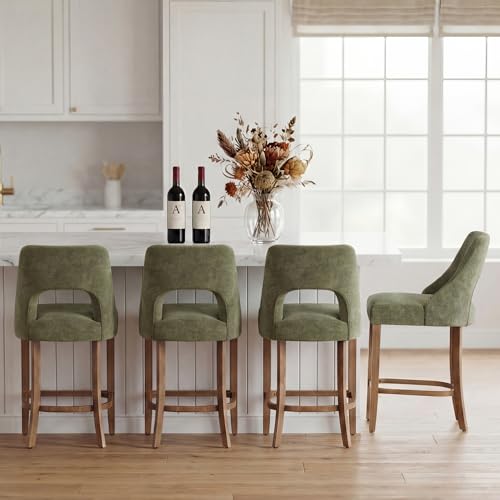
Choose the best breakfast bar chairs by seat height, frame quality and budget, with tips on fit, spacing and features worth paying for.
Breakfast bar seating spans a huge price range, from simple stools at around $50 each to solid wood chairs costing several times that. The gap is not just about looks. What changes as you spend more is frame strength, seat comfort, finish quality, and how well the chair survives daily use. Choosing the best breakfast bar chairs for your kitchen starts with knowing which of those upgrades you will actually feel.
This guide walks through what each price tier typically delivers, the features that earn their cost, and the extras you can safely skip. Use the comparison table below to see how current models stack up on price, seat height, and materials before you read on.

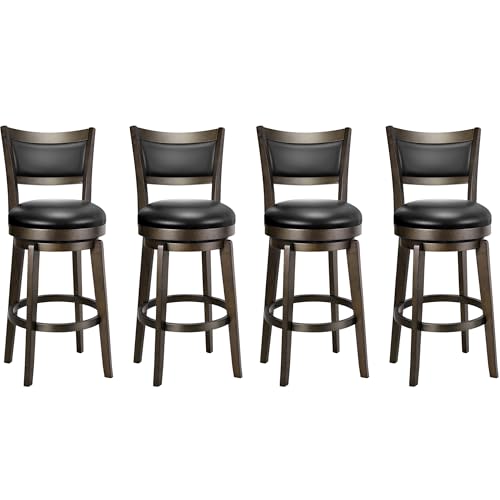

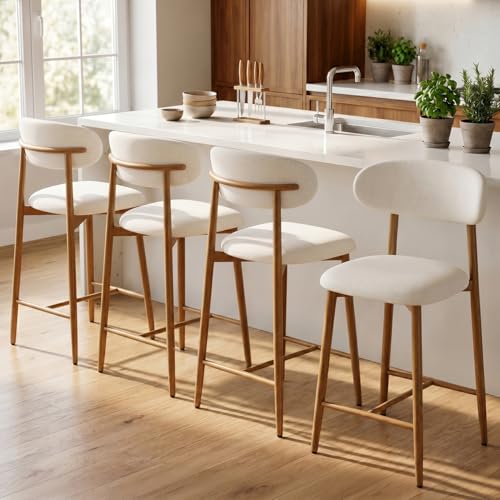

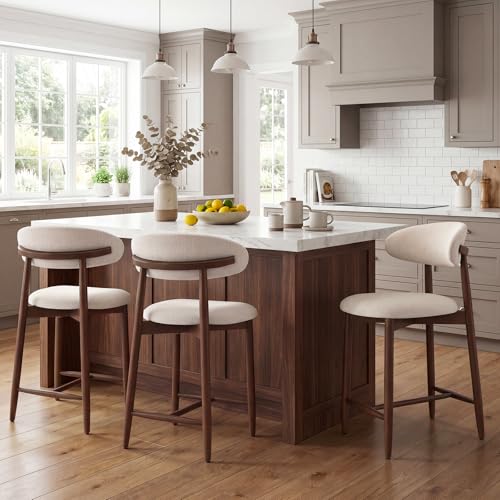

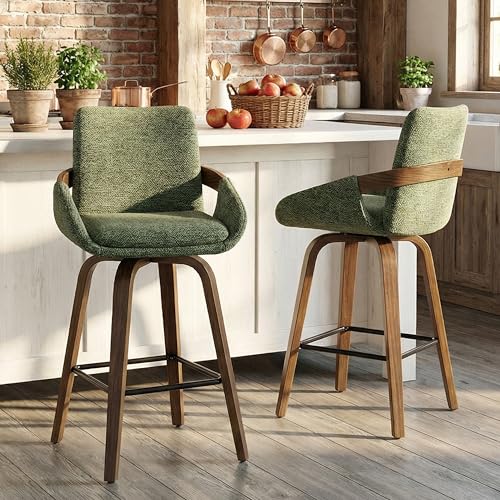

One caution before you compare prices at all. A chair that is the wrong height for your counter is a bad buy at any price, so this guide covers measuring and fit before it covers finishes and fabrics.
What Your Money Gets You at Each Price Tier
Price tiers for breakfast bar seating are usually quoted per chair, even when chairs ship in pairs or sets of four. A set price can look steep until you divide it, so always work out the per chair cost before judging value.
Budget Tier: What to Expect
Budget chairs usually cost around $50 each, and even the better ones stay under $100. Expect frames of thinner steel tube or engineered wood, simple foam padding under vinyl or basic fabric, and finishes that look good from a distance but show wear sooner at the edges. Weight capacity ratings tend to sit at the lower end, and assembly hardware is basic. These chairs suit light daily use or a spare seat for guests. The sensible way to shop this tier is to put your limited dollars toward a sturdy frame and a footrest, and accept plainer upholstery.
Midrange Tier: The Sweet Spot for Most Kitchens
Midrange chairs usually start at about $100 each and rise to about $200 for the best finished designs, and this is where most households get the best balance of comfort and durability. Frames get thicker and joints get stronger, seats use denser foam that holds its shape, and upholstery steps up to better fabric or faux leather with tighter stitching. You also see more choice in seat height, back height, and finish. For a chair that hosts breakfast every morning and homework or laptop time later in the day, this tier covers the features that matter without paying for prestige materials.
Premium Tier: When Spending More Pays Off
Premium chairs usually start at around $200 each, and hand finished solid wood designs can reach about $400. The money goes into solid hardwood frames, full grain or high grade upholstery, sculpted seats, and joinery built to stay tight for many years. Spending this much pays off when the chairs are a permanent visual feature of an open plan kitchen, when you want seating that can move to a dining table later.
Get the Fit Right Before You Compare Anything Else
Price only matters after fit is settled, because the product table above cannot tell you whether a chair suits your counter. Two measurements decide almost everything: the height of your counter underside and the space each seated person needs. Get these right and even a budget chair feels correct.
Counter Height and Bar Height Seats
Measure from the floor to the underside of your counter, then choose a seat height that leaves about 10 to 12 inches between the seat and that underside. Standard kitchen counters take counter height seats of about 24 to 26 inches, while taller bars take bar height seats of about 30 to 32 inches. If you are still choosing the counter itself, see our guide to the best breakfast bar for sizes and layouts. For raised bars and pub style counters, our guide to the best high bar chairs covers taller seating in more depth.
Spacing, Legroom, and Footrests
Allow about 24 inches of counter length per chair so elbows and knees have room, and a little more for wide seats with arms. Chairs with arms need extra clearance to slide under the counter, so measure the arm height against the counter underside before ordering. A footrest matters more than most buyers expect: without one, feet dangle and pressure builds behind the knees, which gets uncomfortable fast. On taller chairs, check that the footrest sits roughly 12 to 14 inches below the seat so shorter legs can reach it.
Features Worth Paying For (and Ones to Skip)
Some upgrades change how a chair feels every single day, while others only change the listing photo. This section sorts the features in the product table above into those two groups so you can spend with intent.
Comfort and Support for Longer Sits
A shaped back with gentle lumbar support is worth paying for if anyone in your home lingers over coffee or works at the counter. Seat padding made from high density foam keeps its support far longer than soft low density foam, which flattens within a year or two. Some swivel models borrow ergonomic ideas from desk seating, such as a mesh back for airflow, a tilt lock for the backrest angle, or adjustable armrests. Those ergonomic models suit people who treat the breakfast bar as a part time desk, but casual eaters can skip them and save the money.
Materials and Upholstery
Frame material decides how a chair ages. Solid wood and welded steel frames stay rigid, while frames held together only by bolts in soft engineered wood loosen over time. For upholstery, fabric breathes well and hides crumbs, faux leather wipes clean after spills, and a mesh back stays cool in warm kitchens. Real leather looks better with age but needs conditioner and costs the most. A practical rule: put material money into the frame first, because upholstery can be cleaned or re covered, while a flexing frame cannot be fixed.
Assembly and Delivery
Most breakfast bar seating arrives flat packed, and assembly usually means attaching legs, a footrest ring, and a back with an included hex key. Fully assembled chairs cost more and ship in bigger boxes, but they make sense if you lack tools or patience. Either way, keep the hardware and tighten every bolt again after the first week of use, because new joints settle as the chair takes weight.
Style and Room Fit
Style upgrades are the easiest to overspend on, because a trendy finish adds cost without adding comfort. Choose shapes that echo what is already in the room: slim metal legs suit modern kitchens, turned wood legs suit traditional ones. Backless stools slide fully under the counter and keep sight lines open, while chairs with backs look more formal and support longer sits. If you want a broader look at styles beyond the breakfast nook, see our guide to the best bar chairs for more shapes and finishes.
Choosing Chairs for Your Situation
When you shop for the best breakfast bar chairs for your household, the right tier depends on how your household actually uses the counter. A chair that hosts two quick coffees a day lives an easier life than one that doubles as a dining chair, a desk chair, and a step stool for reaching high shelves.
Best Wooden Breakfast Bar Chairs: Where Your Money Goes
With wooden chairs, your money goes mainly into the timber itself and the joinery. Solid hardwood such as oak, beech, or rubberwood resists dents and can be sanded and refinished years later, which stretches the life of the chair well past cheaper options. Chairs made from engineered wood or thin veneer cost less but chip at the edges and cannot be refinished. Check how the legs join the seat: mortise and tenon joints or corner blocks signal lasting strength, while a few screws into the seat underside signal a shorter life. Wood also adds warmth that suits farmhouse and traditional kitchens where metal frames look cold.
Small Kitchens and Compact Models
Compact and space saving models earn their place in small kitchens. Backless stools tuck completely under the counter, stackable designs store in a closet between gatherings, and narrow seats let you fit three chairs where two wide ones would crowd. Swivel seats help in tight spots because you can turn and stand without dragging the chair backward into a walkway.
Chairs Versus Stools for Daily Use
The word chair implies a back, and that back is what makes long breakfasts and slow Sunday mornings comfortable. Stools cost less, weigh less, and suit quick meals and small spaces. If you are weighing the two formats side by side, see our guide to the best bar stool chairs for hybrid designs that split the difference. Households with young children often prefer chairs with backs and no swivel, because a steady seat is easier for small legs to climb into and harder to tip.
Long Term Costs to Factor In
The purchase price is only part of what a chair costs you. Floor protectors are a small but real expense: felt pads or rubber glides cost a few dollars per chair and prevent scratched hardwood, and they wear out and need replacing. Replacement parts such as footrest rings and seat pads are easy to find for common designs and rare for unusual ones. Warranty length grows with price tier, and a longer warranty on the frame is worth more than a longer warranty on fabric. Finally, a chair you can refinish or reupholster has a lower lifetime cost than a cheaper chair you must replace whole.
Common Mistakes to Avoid
- Ordering from the counter top measurement instead of the underside, which leaves too little thigh room and knees pressed against the apron.
- Buying a full set before testing one chair, so a sizing or comfort error gets multiplied by four.
- Ignoring weight capacity ratings, which leads to flexing frames and loosened joints when larger guests sit down.
- Choosing arms without measuring arm height, so the chairs cannot slide under the counter and eat up floor space.
- Picking upholstery that cannot handle spills, which leaves breakfast stains setting into pale fabric within weeks.
- Skipping floor glides on wood or tile, which lets metal feet scratch and squeak across the floor.
Frequently Asked Questions
Which features matter most on breakfast bar chairs used for long hours?
Support matters most: a contoured back, firm seat foam, and a footrest at the right height. If you work at the counter for hours, look at ergonomic models with lumbar support and padded armrests, and stand up and move every so often, because no counter chair replaces a proper desk chair for a full workday. Seat depth also counts; a seat that is too deep pushes you forward off the backrest.
How long should good breakfast bar chairs last?
Good breakfast bar chairs should last about five to ten years of daily use. Solid wood and welded steel frames sit at the top of that range, while budget frames may loosen within two or three years. Lifespan depends heavily on habits: chairs that are leaned back on two legs or used as step stools fail much sooner, and tightening bolts twice a year keeps joints from wearing oval.
How do I choose the right breakfast bar chair size?
Start with seat height, leaving about 10 to 12 inches between the seat and the counter underside. Then check seat width against your counter length, allowing about 24 inches per seat. Sit taller family members in mind too: a deeper seat and a higher back suit long legs, while children do better with a lower footrest they can actually reach. When in doubt between two sizes, choose the one with the footrest position that fits the shortest regular user.
Is an expensive breakfast bar chair worth the money?
An expensive chair is worth it when it buys a stronger frame, better joinery, and materials you can repair or refinish. It is not worth it when the price only buys a fashionable finish on the same basic frame sold for less. A useful test is cost per year: a chair at around $300 that lasts ten years costs less over time than a chair at around $100 that needs replacing every three years.
Final Thoughts
Fit comes first, frame quality second, and style third. Measure your counter underside, confirm the seat height and spacing, then choose the highest tier your budget allows for the frame and foam, and let looks follow. The product table above is a good place to compare those basics side by side. Chosen that way, the best breakfast bar chairs for your home will feel right at the first breakfast and still feel solid years later.


