Best Book Reading Chairs in 2026: Which Type Is Right for You?
Disclosure: We may earn a commission when you buy through links on this page, at no extra cost to you. As an Amazon Associate I earn from qualifying purchases. Learn more

Compare compact, budget and ergonomic book reading chairs by seat depth, back support, arm height and price to find a comfortable fit for long reads.
Reading chairs look similar in photos, yet they feel very different after an hour with a novel. Seat depth, back angle and arm height decide whether you settle in or keep shifting. The best book reading chairs match your body, your room and the way you hold a book, and the comparison table below shows the main types side by side.
Start with your usual reading spot and session length. A chair for short morning chapters needs less support than one for an entire afternoon. A chair for a tight corner needs a smaller footprint than one for an open room.
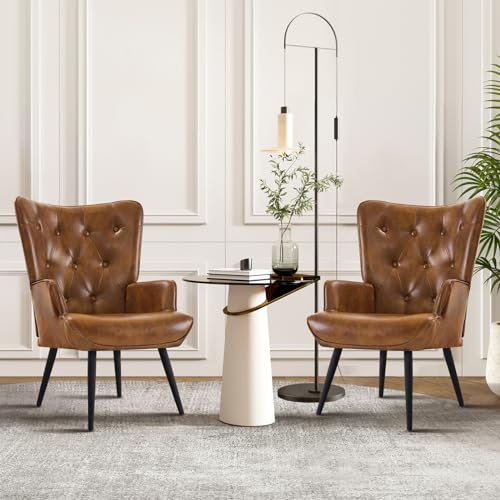

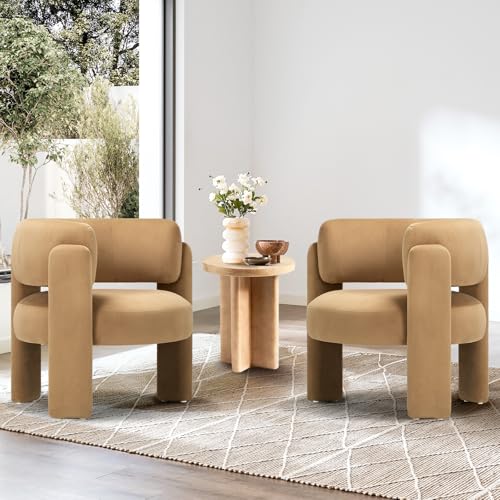
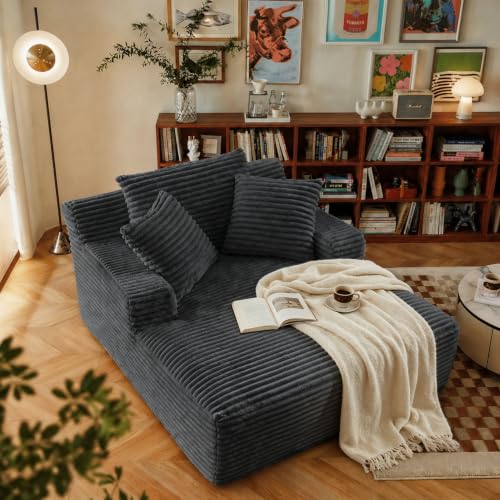
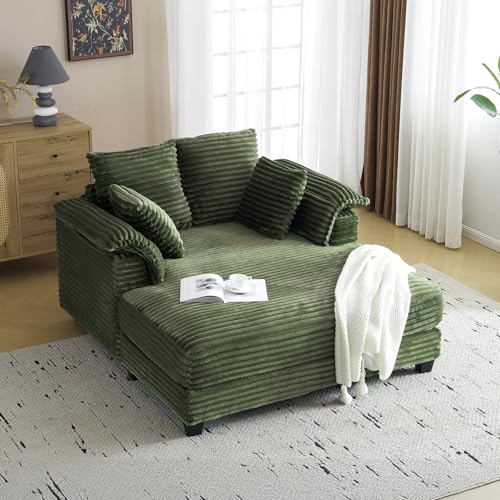


Who Should Buy Which Reading Chair?
Your habits point to the right shape faster than style alone. Think about how long you sit, how you hold your book and how much floor you can give the chair.
Novel Readers Who Sit for Hours
You read in long stretches and notice time only when your back or legs complain. Choose a deeper seat, a tall back and padded arms that hold your elbows near book height. A recliner or a lounge chair with an ottoman suits you well, and see our guide to the best lounge chairs for reading for shapes built around extended sitting.
Bedroom and Small Room Readers
You read before sleep in a room shared with a bed, a desk and a door swing. Choose a compact accent chair or a slipper chair with a narrower frame and no wide arms. Measure first, then compare options in our guide to the best reading chairs for bedroom, since a chair that blocks a drawer quickly stops feeling restful.
Apartment Readers Building a Small Nook
You have one corner, a lamp and a small table, and you want it to feel complete without crowding the room. Choose a swivel chair or a modest wingback that turns toward light with ease. For corner layouts and scale ideas, see our guide to the best reading nook chairs, then check that your lamp and table still fit beside the frame.
Types of Book Reading Chairs Compared
When you shop for best book reading chairs, grouping them by build helps more than sorting by color. The three groups below cover most stores, and each trades comfort, size and price in a different way.
Compact Space Saving Models
Compact models include slipper chairs, small accent chairs and narrow swivel chairs, usually about 26 to 30 inches wide. They fit corners and studio apartments where a full lounge frame would crowd the walkway. The tradeoff is support, since shorter backs and thinner arms suit shorter sessions. Choose this group if floor space is your tightest limit and you mostly read in sittings under an hour.
Budget Models
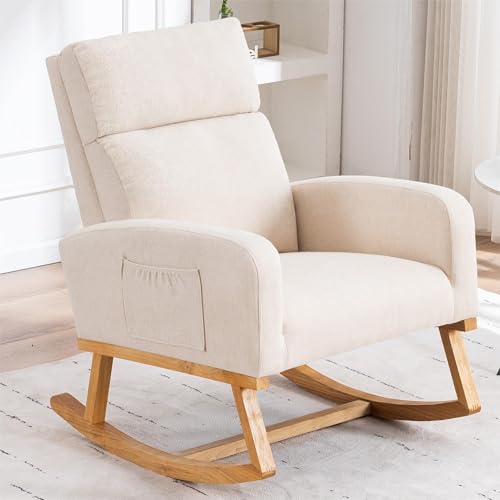
Budget models are simple accent chairs and basic recliners, often about $80 to $200. They use lighter frames, thinner foam and simpler fabrics, and many arrive flat with legs you attach at home. Comfort can still be good for daily reading if the seat depth fits you. Choose this group for a first reading corner, a guest room or a second chair used less often.
Supportive Ergonomic Models
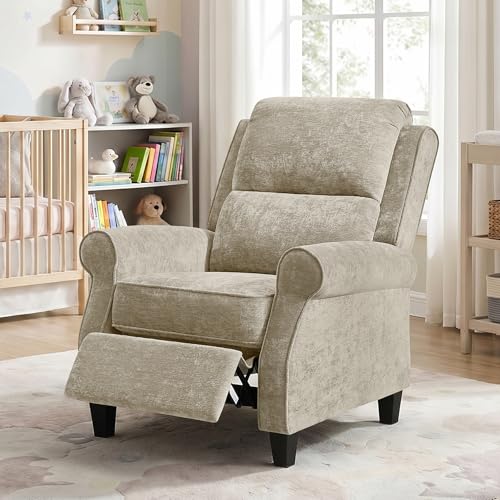
Ergonomic models include structured lounge chairs and recliners with shaped backs, often about $250 to $600. Their backs follow the curve of your lower back, their foam holds its shape longer and their arms sit at a steadier height for holding a book. They take more floor space and cost more upfront. Choose this group if you read daily or often finish a session feeling stiff.
Key Features to Compare
Compare these features in order, since the first three decide comfort and the last two decide how the chair fits your home and holds up over time.
Seat Depth, Seat Width and Cushion Feel
Seat depth shapes your whole posture. Most reading seats run about 20 to 23 inches deep and about 20 to 24 inches wide between the arms. Sit so your back touches the backrest while a small gap stays behind your knees, because a seat that is too deep pulls you into a slouch. High density foam feels firm at first but supports longer sittings better than soft foam.
Back Height, Recline Angle and Lumbar Support
A back height of about 28 to 34 inches above the seat supports your shoulders, while taller wingback styles give your head a place to rest. A gentle recline angle spreads your weight and eases pressure on your lower back. Look for built in lumbar support that meets the curve above your belt line. If back pain persists, or you notice numbness or weakness in a leg, talk with your clinician about personal needs rather than relying on a chair change alone.
Armrests That Support a Book
Arms do quiet work while you read, since they carry the weight of the book and your forearms page after page. Padded arms at about 24 to 27 inches from the floor suit most adults, high enough to hold a hardcover without lifting your shoulders. Wide flat arms also give a paperback or an e reader a resting place. Armless chairs save width but leave your shoulders to carry the load.
Frame Build and Weight Capacity
Most reading chairs list a weight capacity of about 250 to 300 pounds, with reinforced frames rated higher. Solid wood and engineered wood frames with corner blocks feel steadier than thin frames joined only with staples, and metal recline hardware should move without grinding. Count the full load on the seat, including a child or a pet on your lap. A frame that rocks or creaks on day one rarely improves.
Upholstery and Fabric Choice
Fabric decides how a chair feels in summer, how it handles spills and how it looks after years of use. Woven polyester blends resist wear and clean easily, linen blends breathe well but stain faster, and faux leather wipes clean yet can feel warm in a sunny room. Check whether covers remove for washing if you read with coffee nearby. Match the fabric to your habits, not only to your sofa.
How to Measure Your Reading Spot and Test the Fit
Measure the floor area first, including space for your legs and an ottoman, then add room to walk past. Note doorway widths too, since a wide frame must pass through them on delivery day. Mark the outline on the floor with tape and live with it for a day.
Place the outline where light falls over your shoulder, and leave about 18 to 24 inches beside the chair for a table. Sit with your usual book for ten minutes. Your feet should rest flat, your elbows should settle on the arms without shrugging and your lower back should stay against the backrest.
Common Mistakes to Avoid
- Buying by style photos alone leaves you with a seat depth that fights your leg length for every session.
- Skipping doorway measurements can leave a wide chair stuck in a hallway on delivery day.
- Choosing a very soft cushion feels cozy in a store but leaves you sinking and shifting within an hour.
- Placing the chair away from good light makes you lean toward the page and tires your neck and eyes.
- Ignoring weight capacity and loading the seat past its rating strains the frame joints over time.
Care and Maintenance for a Reading Chair
Vacuum upholstery weekly with a soft brush tool, working along seams and under the cushion where dust collects. Blot spills at once with a clean cloth and mild soap solution, testing any cleaner on a hidden spot first. Rotating a loose seat cushion every few weeks helps the foam wear evenly.
Check leg bolts and recline hardware every few months and tighten anything loose. Keep the chair out of direct sun where you can, since strong light fades fabric and dries faux leather until it cracks.
Book Reading Chairs: Your Questions Answered
How do I choose the right size book reading chair for my body?
Choose the size by your seated measurements, not by the chair name. Sit against a wall, measure from the wall to the back of your knee and pick a seat depth about 1 to 2 inches shorter. Then check that the seat height, often about 17 to 20 inches, lets your feet rest flat with your shoes off.
How long should a good book reading chair last?
A good reading chair should last about 7 to 10 years of daily use. Frame build matters most for lifespan, while foam and fabric show wear first. Judge by the warranty split, since many makers cover the frame longer than the cushion. Chairs in a sunny, busy room tend to reach the low end of that range.
What features matter most for long reading sessions in a book reading chair?
Lumbar support, arm height and seat depth matter most for long reading sessions. One feature readers overlook is head support at the angle you actually recline, since a tall back helps little if your head tips forward. A nearby surface for water also matters, because standing often breaks your rhythm. Test with a full chapter, not a quick sit.
Is an expensive book reading chair worth the cost?
An expensive reading chair is worth the cost only if you read most days and will feel the upgrades. Higher prices usually buy denser foam, stronger joinery and fabrics rated for heavier wear, which pay off over years of daily sittings. If you read twice a week, that money may serve you better spent on a good lamp and a side table.
Does a book reading chair need an ottoman or a footrest?
No, a reading chair does not need an ottoman, but raised feet suit many readers. Lifting your legs can ease pressure behind your thighs during long sittings, and a low stool works as well as a matched ottoman. Skip the extra piece if your corner is tight, since a clear floor path matters more.
The Bottom Line
Match seat depth and back support to your body first, then fit the frame to your floor space and the fabric to your habits. Use the product table above to compare types, sizes and prices against those points.
Chosen that way, best book reading chairs stop being a style contest and become a daily comfort decision. Pick the simplest type that supports your longest usual session.