Best Bookshelf Buying Guide for 2026
Disclosure: We may earn a commission when you buy through links on this page, at no extra cost to you. As an Amazon Associate I earn from qualifying purchases. Learn more

Best bookshelf buying guide: size, shelf spacing, materials, weight capacity, and anchoring for a shelf that fits your books and your room.
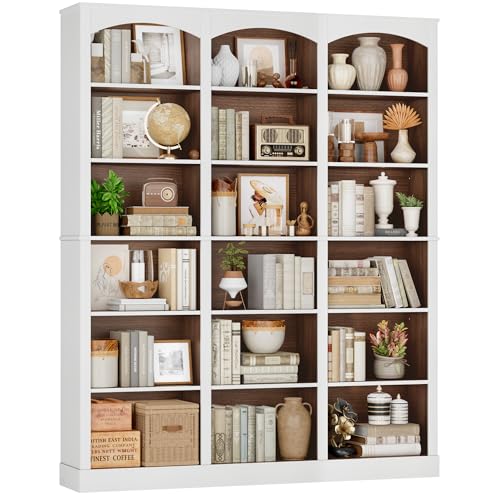
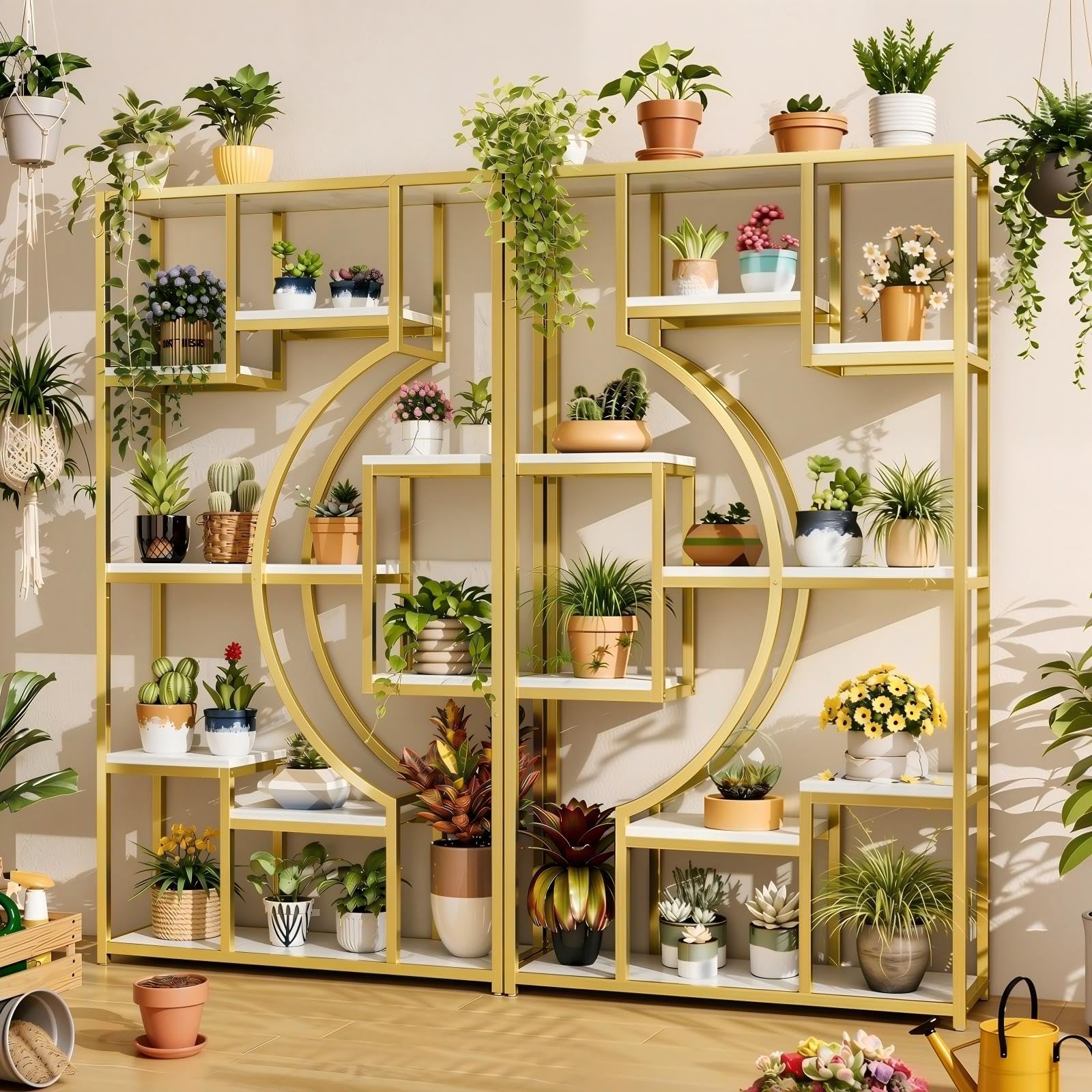
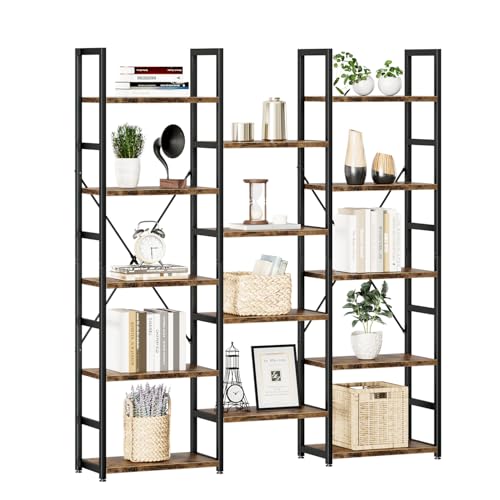
Books, games, and keepsakes spread across a room fast, and a shelf that sags, wobbles, or wastes vertical space creates more clutter than it solves. Choosing a best bookshelf for your home starts with honest numbers, not looks alone. Measure your books, check the wall space, and think about how much weight each shelf will carry. The comparison table below puts the main options side by side so you can match size and construction to your room.
This guide walks you through the choices that matter most, from shelf spacing and materials to anchoring and assembly. You will see three common buying profiles, a clear set of features to compare, and plain guidance on spending. By the end you should know which form fits your space, which shelves need to move, and what to check before you order.



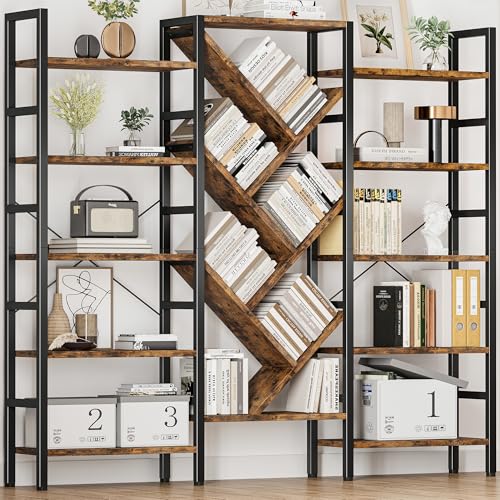
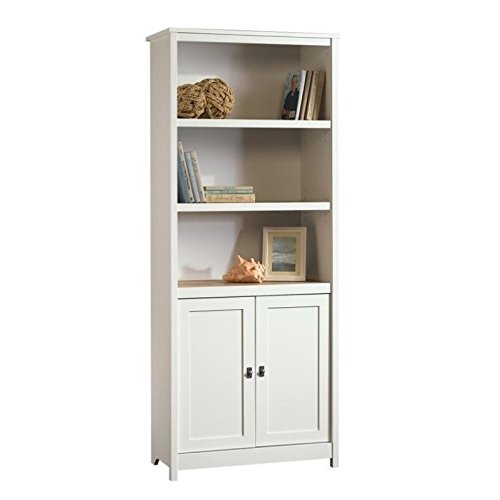
Three Buying Profiles and What to Prioritise
Most shoppers fall into one of three groups, and each group should rank the same features in a different order. Start with the profile that sounds most like your home. That choice will keep you from paying for height you cannot use or buying a narrow unit you will outgrow in a year.
The Large Home Library Profile
You own hundreds of books, including heavy hardcovers and large art volumes, and you expect the collection to grow. Prioritise shelf strength, deep shelves, and a tall frame with several adjustable levels. Look for thick uprights, a solid back or strong bracing, and shelves rated for substantial loads. Leave a little empty space on each shelf so new books have a home, and plan wall anchoring from the start because a fully loaded tall unit carries serious weight.
The Compact Apartment Profile
You rent or live in a smaller home, so floor space matters more than total storage. Prioritise a narrow footprint, good use of vertical space, and a unit you can move without help from a crew. If floor area is tight, start with our guide to the best bookshelf for small spaces and compare narrow and tall forms before wide ones. Check door widths and stair turns in advance, since a tall one piece frame can be hard to deliver.
The Display and Storage Profile
You want books to share space with plants, framed photos, baskets, and media or office supplies. Prioritise varied shelf heights, a finish that suits the room, and at least one section with doors or room for storage boxes. Open shelves show covers and objects well, while closed sections hide cables, chargers, and paperwork. A top rated bookshelf for this job is less about maximum capacity and more about flexible spacing that lets tall and short items sit comfortably side by side.
How to Evaluate a Bookshelf Before You Buy
Judge every option against the same short list so looks do not hide weak construction. First, check adjustability, because fixed shelves that miss your tallest books by half an inch waste a whole level. Second, inspect build quality through shelf thickness and whether the back adds stiffness or is only a thin cover. Third, confirm size and weight capacity in the product data, including the limit per shelf and not just the total. Finally, weigh assembly time and warranty cover.
How to Choose the Right Bookshelf
Size and Form Factor
Measure the wall width, ceiling height, and floor depth before you look at finishes. Leave a small gap at each side so the unit does not feel wedged in, and check that baseboards and outlets will not push it away from the wall. Common forms include small low units, tall five shelf frames, wide units for long walls, and narrow towers for gaps between furniture. Count your books by shelf length as well, because thirty inches of books needs thirty inches of shelf, no matter how tall the frame is.
Type and Layout
Standard open shelves suit most rooms and give the easiest access. Ladder shelves lean back as they rise and hold lighter loads, cube units divide storage into equal boxes for books and baskets, and barrister style units protect books behind glass. Corner, floating, and rotating forms solve specific layout problems rather than adding raw capacity. If you enjoy browsing from several sides, a best rotating bookshelf can work well in an open plan room where both faces of a fixed shelf would be hard to reach.
Features Worth Paying For
Doors keep dust off first editions and hide clutter, and glass doors do the same job while keeping titles visible. Drawers suit remotes, stationery, and charging cables that look untidy on open shelves. Built in lights help in dark corners, although they add wiring and cost. Skip features you will not use weekly, because each one raises the price and often reduces plain shelf space. A simple open unit with strong shelves usually serves a growing collection better than a fancy frame with less room.
Weight Capacity and Shelf Strength
Books are heavier than most people expect, and a full shelf of hardcovers can strain thin boards. Look for a stated limit per shelf and keep your heaviest volumes on the lowest levels, where the frame is strongest and the unit stays steady. Avoid loading one long shelf far beyond the spans at each end, since sag starts in the middle. If the maker gives no capacity figures at all, treat that as a warning sign and compare a similar size unit that publishes clear numbers you can plan around.
Adjustable Shelves and Spacing
Paperbacks, standard hardcovers, and oversized cookbooks need very different clear heights, so movable shelves save real space. Check how many shelves move, how far apart the support holes are, and whether spare pins are included. Small steps between holes let you set one level for tall volumes and the next for short novels without wasting inches. Fixed shelves can still work if their spacing matches your books, so measure your tallest book and add room for your fingers to lift it out with ease.
Materials and Durability
Solid wood feels sturdy and can often be repaired, but it costs more and weighs more. Engineered wood with a good quality veneer gives a smooth finish at a lower price, yet edges can chip if you drag heavy books across them. Metal frames feel slim and strong and suit modern rooms, although thin metal shelves can flex under dense rows of books. Whatever you choose, check the finish for even coverage, look for shelves at least as thick as the uprights suggest, and avoid boards that feel light or hollow for their size.
Assembly and Warranty
Most flat packed shelves take one to two hours with basic tools, and a second person makes tall frames safer to lift and level. Read the steps in advance, lay out every panel, and tighten fixings in the order the maker gives so the frame stays square. Our walkthrough on how to assemble a bookshelf covers the order of work and the checks to make before loading any shelf. A clear warranty on parts and finish is also worth noting, since doors, pins, and safety straps are the parts owners most often need to replace.
How Much Should You Spend?
Budget shelves at under $100 usually suit light use, dorm rooms, and paperbacks, with thinner boards and simpler finishes. Models at about $100 to $250 often add thicker shelves, better hardware, and more adjustable levels for family use. Spending about $250 to $400 can bring stronger materials, doors, and a finish that holds up to daily wear. Price alone proves nothing, so match the spend to load and lifespan. A shelf you replace in two years costs more over time than a sturdier one bought once.
Choosing by Room and Need
Living rooms usually call for a wide or tall unit that anchors the wall and mixes books with display pieces at eye level. If your style leans clean and simple, compare the forms in our guide to the best modern bookshelf before you settle on a finish. Home offices need shelf space near desk height for binders and reference books, plus one closed section for supplies. Bedrooms often suit a low unit that doubles as a surface for a lamp, while hallways reward narrow depth so the walkway stays clear.
Awkward corners deserve a plan rather than leftover furniture. A purpose built corner unit turns dead space into storage for lighter books, plants, and baskets, and our guide to the best corner bookshelf explains the shapes that fit best. Kids rooms need extra care. Choose a low, wide unit a child can reach without climbing, anchor it to the wall with the supplied strap, and keep heavy books on the bottom shelf. Always check local safety guidance for furniture anchoring, and never let a child climb or hang on open shelves.
Common Mistakes to Avoid
- Buying by height alone and forgetting shelf depth, so large books hang past the front edge and strain the shelf below.
- Skipping the wall anchor on a tall unit, which raises the risk of a tip over when shelves are loaded unevenly.
- Guessing book height instead of measuring, which leaves fixed shelves too short for the volumes you own most.
- Loading every shelf with hardcovers at once, which can bow thin boards and loosen joints over time.
- Placing a shelf in direct damp or strong heat, which can warp wood finishes and weaken glued joints.
- Ignoring the delivery path, so a tall frame arrives that cannot turn through a tight hallway or stairwell corner.
Care and Cleaning to Make a Bookshelf Last Longer
Dust shelves from the top down with a dry or slightly damp cloth, and lift books out in small stacks rather than dragging them across the finish. Check the frame every few months for loose screws, soft spots on shelf edges, and any new bow in long shelves, and fix small issues before a full load makes them worse. Keep the unit out of standing moisture, wipe spills at once, and use felt pads under storage boxes so rough bases do not scratch the surface.
Rotate heavy sets of books between shelves once or twice a year if one level carries far more weight than the others. Recheck the wall anchor after you move the unit and whenever you change what sits on the top shelf. If a shelf cracks or keeps sagging after you lighten the load, stop loading that level and replace the board or the unit. Small checks like these protect both the books and the frame.
FAQ
What is the best bookshelf?
The right choice is the one whose size, shelf spacing, and load limits match your books and your room. Measure first, then rank strength and adjustability above decoration. One extra point many buyers miss is resale and reuse value, since a neutral finish and standard shelf sizes make a unit easier to move to another room later. A best bookcase choice for a study may be far too deep for a hallway, so let your measurements lead.
How long does a bookshelf last?
A well built bookshelf can last ten years or more with normal home use. Lifespan depends on board thickness, joint quality, and whether shelves stay within their load limits. Keep the frame level, because a unit that leans puts uneven stress on one side and ages faster. Units in humid rooms tend to wear sooner, so good ventilation helps. Tightening hardware once a year is the simplest habit for adding years of service.
Is a bookshelf worth it?
Yes, a bookshelf is worth it if you own more books than your tables and floor can hold in an orderly way. Vertical storage frees floor space, keeps covers off damp surfaces, and makes titles easy to find. It is less worthwhile if you read almost entirely on a phone or tablet and own only a handful of print books. In that case a small low unit for display and a few favourites may serve you better than a tall frame.
How do you clean a bookshelf?
Empty one shelf at a time, dust the board and the books, then wipe the surface with a cloth that is barely damp. Dry the shelf fully before you put books back, since trapped moisture can mark covers and finishes. For glass doors, clean the glass last so dust from the frame does not settle on it again. Avoid soaking engineered wood edges, and never use harsh cleaners on veneer without checking the care notes from the maker first.
What is the most reliable bookshelf brand?
No single brand is the most reliable choice for every home, so judge reliability by construction signals instead of a name. Look for published load limits, thick shelves, metal shelf pins, spare parts you can order, and a warranty that covers parts for several years. Consistent owner reports about square frames and complete hardware packs also matter. A maker that answers support requests and sells replacement pins and straps is a safer bet than one that offers neither, whatever the logo says.
Final Thoughts
A good shelf is a quiet purchase. It fits the wall, holds your heaviest books without bowing, and lets you reach every title without a stretch or a climb. Use the product table above to compare sizes and constructions against the profiles in this guide, then check your measurements one last time before you order. Choose a best bookshelf that matches your load and your room today, with a little room to grow, and anchor it well so it serves you safely for years.