Best Bar Chairs in 2026: What Your Money Buys at Every Price
Disclosure: We may earn a commission when you buy through links on this page, at no extra cost to you. As an Amazon Associate I earn from qualifying purchases. Learn more
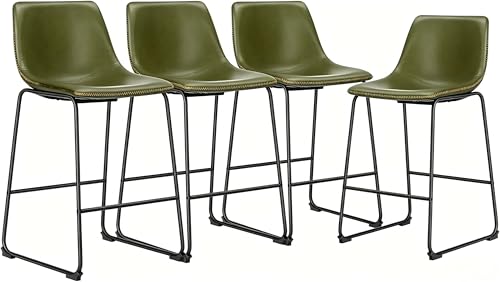
Best bar chairs by budget explained: what each price band really buys in frame, padding, and finish, plus the seat height rule to check first.
Bar chairs sell at almost every price, from flat packed pairs that cost less than a dinner out to single chairs priced like furniture store pieces. The hard part is knowing what the extra money actually buys, because a higher price does not automatically mean a better seat. The best bar chairs for your counter are the ones whose height, frame, and finish match your room and your habits.
This guide is organized by budget rather than by product. It starts with the one measurement that decides whether any chair works at all, then walks through what each price band honestly delivers, which features repay their cost, and which ones you can skip. The product table shows the picks in one place.



Measure First: The Height Rule That Decides Everything
Before price, style, or upholstery, get the height right, because a chair at the wrong height is uncomfortable at any budget. Counter height and bar height are two different standards. A kitchen counter usually stands about 36 inches tall and pairs with a seat height of about 24 to 26 inches. A raised bar usually stands about 42 inches tall and needs a seat height of about 28 to 30 inches.
The number that decides comfort is the gap between the top of the seat and the underside of the counter, and you want about 10 to 12 inches there. Less gap leaves thighs pressed against the counter edge, while more gap leaves you perched low with your elbows working at shoulder height. Measure your counter, subtract the gap, and shop inside that seat height window only. A chair sold for the wrong height is the most common rookie mistake in this category, and no padding upgrade can rescue it. Buyers with raised bars should read the seating sold as best high bar chairs as its own class, since the taller frames differ from counter models in more than leg length.
What Your Money Gets You at Each Price Tier
Price bands in this category are fairly consistent once you shop per chair rather than per pair. The three bands below describe what your money buys in frame, finish, and comfort, and where each band stops paying you back.
Budget Band: Frames and Finishes
Budget bar chairs run about $60 to $120 per chair, and the money goes to a simple steel or engineered wood frame with a fixed seat. Expect thin padding under a faux leather or fabric cover, a basic footrest ring or bar, and finishes that look good from across the room rather than up close. These chairs suit a first apartment, a rental, or a breakfast ledge used for twenty minutes at a time. The honest trade off is longevity: joints and covers in this band show wear sooner, so buy them as a starter set, not a decade long purchase.
Midrange Band: Padding, Footrests, and Swivel
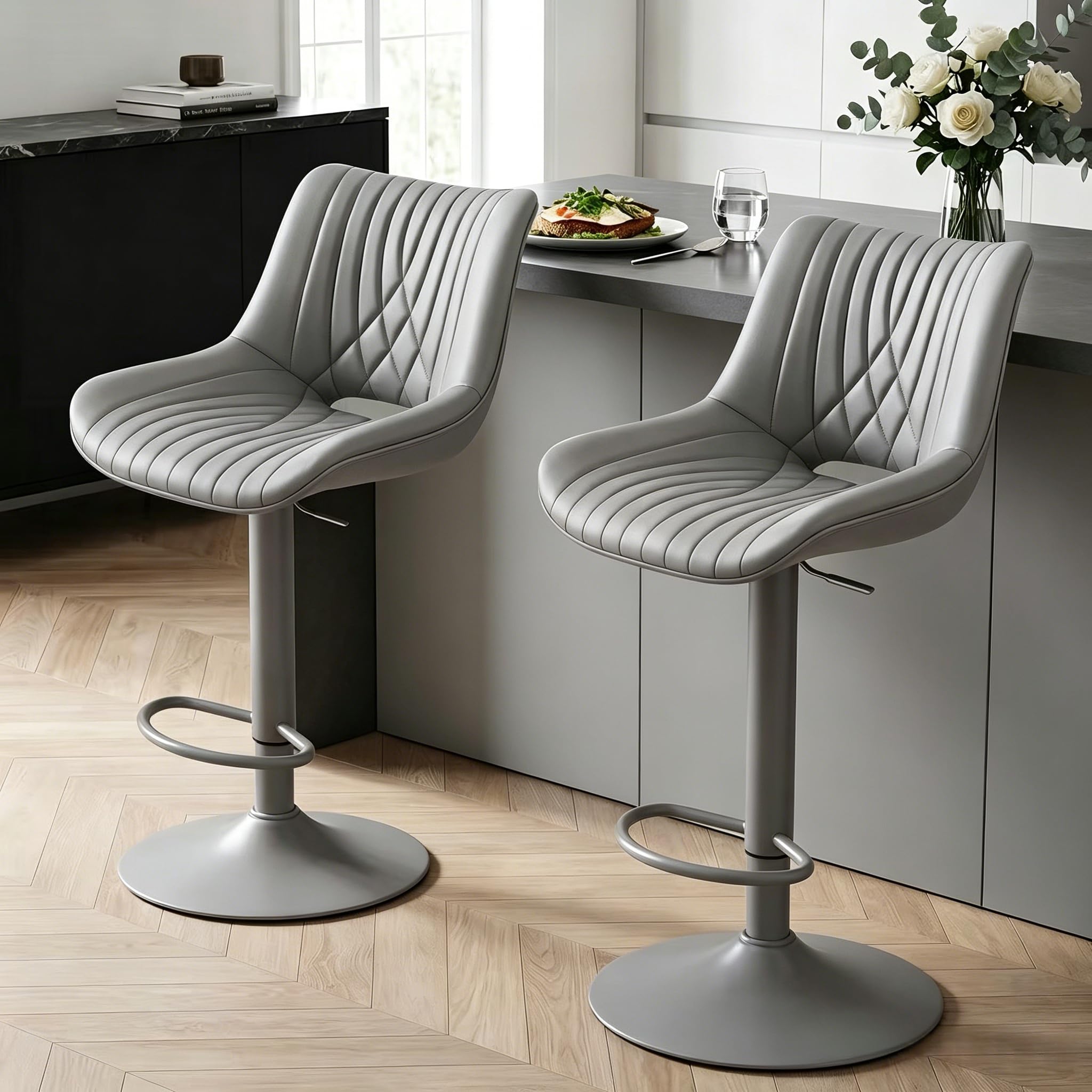
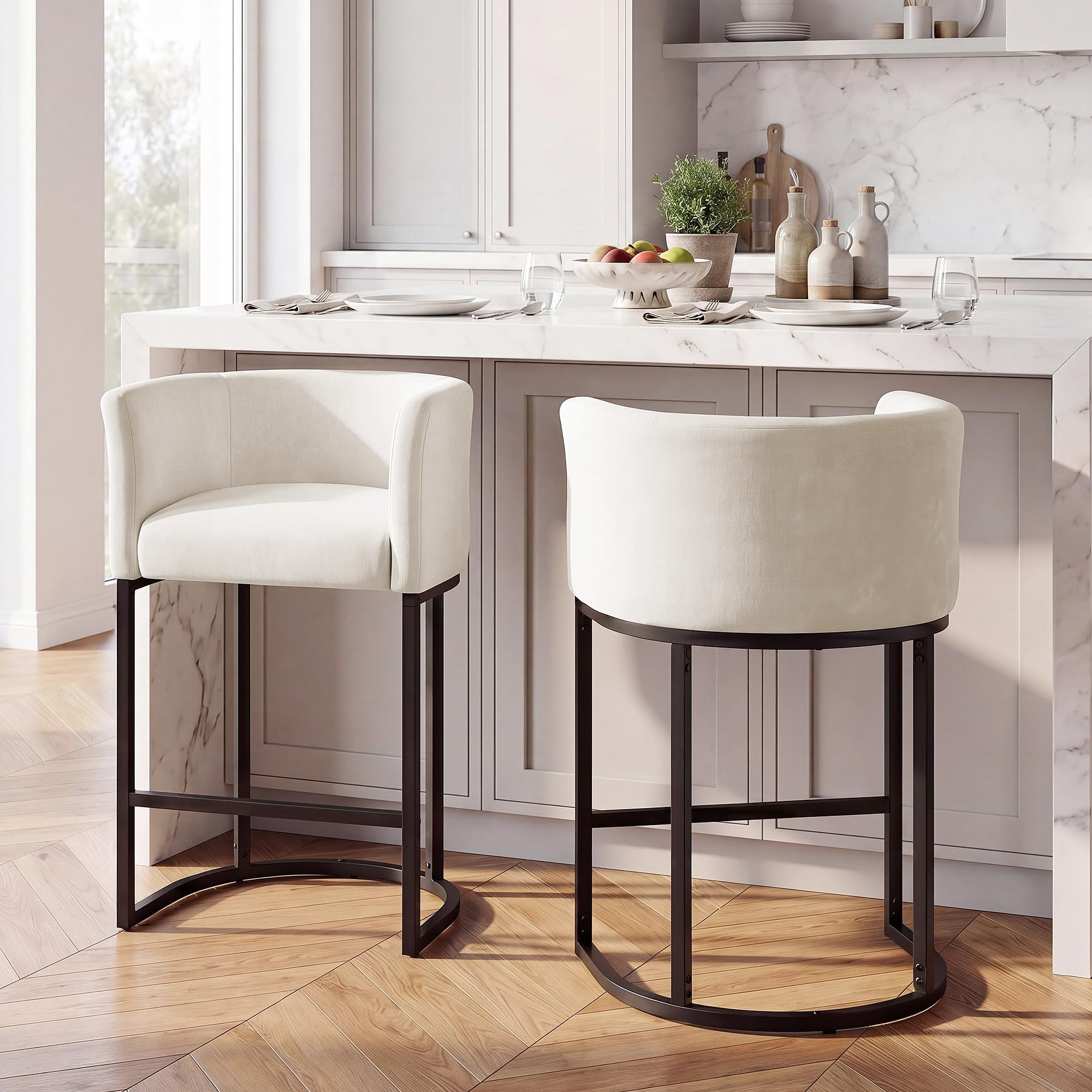
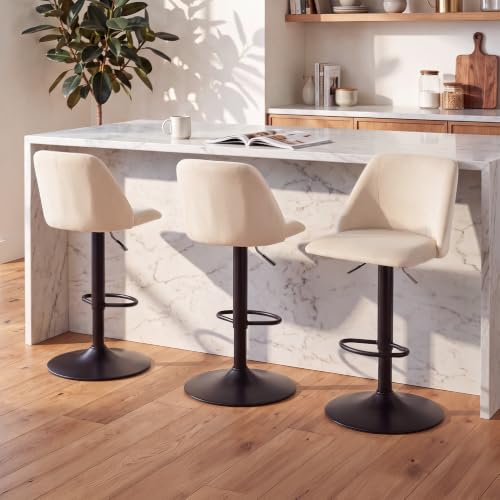
The midrange band, about $120 to $250 per chair, is where comfort features arrive. Padding gets thicker and denser, seats widen a little, and a proper footrest sits at a height that actually rests your feet instead of dangling them. Swivel seats become common here, frames move to heavier steel or solid wood legs, and upholstery improves to better faux leather or woven fabric that cleans more easily. For a kitchen island where people linger over coffee and laptops, this band usually delivers the most comfort per dollar.
Premium Band: Materials and Build
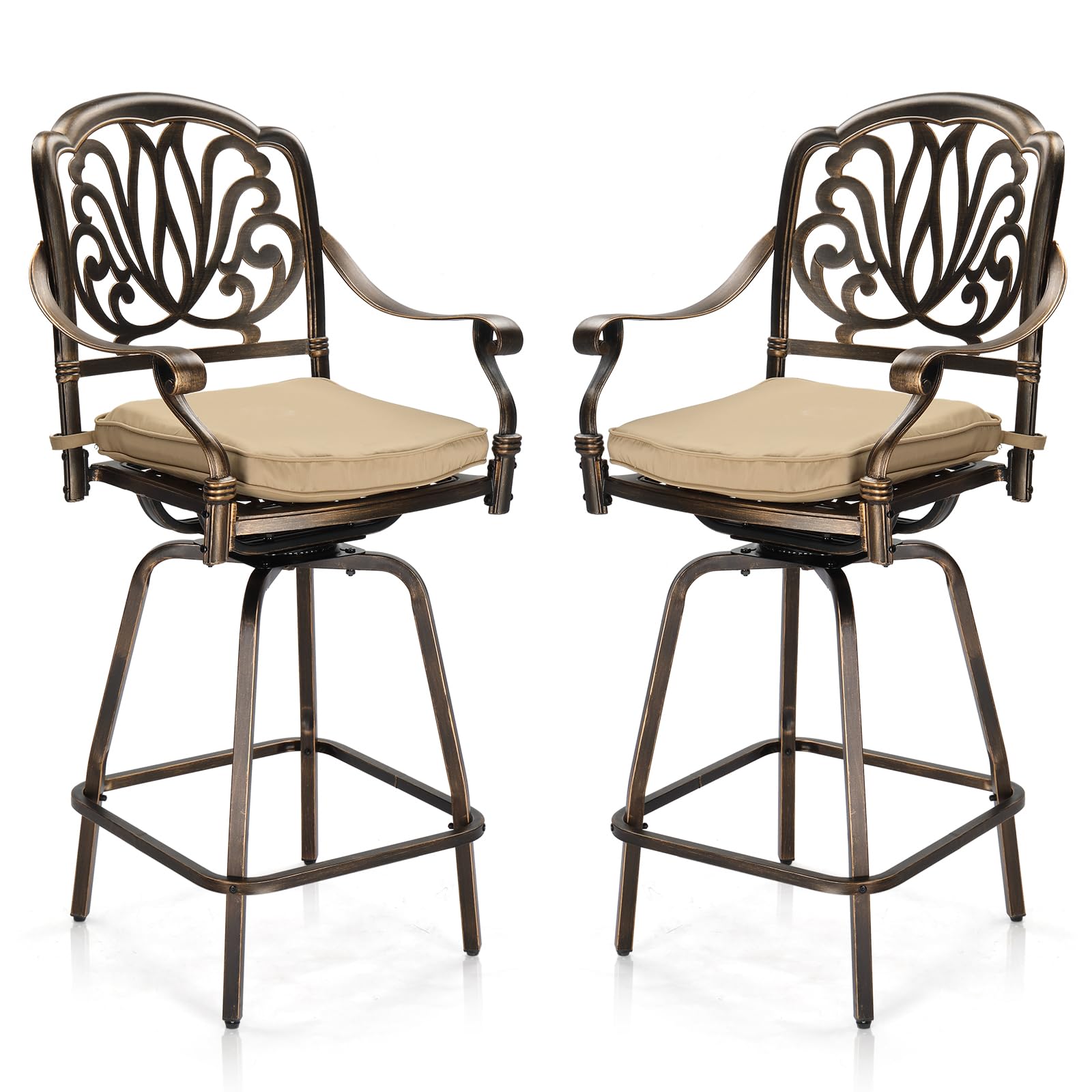
Premium bar chairs start around $250 per chair and can pass $500, and the money buys materials and build quality rather than extra features. Think solid hardwood frames, full grain or high grade corrected leather, hand finished joints, and bases that feel planted when a tall guest leans back. The comfort gain over the midrange band is real but smaller than the price jump suggests. Buy premium when the chairs live in an open plan room where they are seen all day, or when you plan to keep them through a kitchen remodel or two.
Features Worth Paying For (and Ones to Skip)
Every band lists features, but only some of them change how a chair feels after months of daily sitting. Here is where the money earns its keep and where it does not.
Style and Room Fit
Style is worth a modest premium because bar chairs are tall, visible furniture that sets the tone of a kitchen. Match the leg finish to your cabinet hardware or floor tone, and check the chair width against your counter length so guests are not knocking elbows. Backless stools are the neighboring class here, and guides to best bar stool chairs cover that open, tuck away option if your space is tight. Skip trend driven shapes that fight your room; a plain chair in the right finish outlasts a dramatic one.
Materials and Upholstery
Upholstery decides both feel and upkeep. Faux leather wipes clean after spills and suits homes with kids, but lower grades crack at the seat edge within a few years. Woven fabric breathes better and hides small stains in its pattern, though it needs a vacuum and spot cleaning. Real leather sits at the top of the price range and ages by softening rather than peeling. Mesh backs, common on desk seating, rarely appear here and suit a bar chair poorly in a kitchen full of splashes. Choose by your spill reality first and your taste second.
Build Quality and Frame
The frame is the feature you cannot upgrade later, so it deserves your money before upholstery does. Steel frames with welded joints feel rigid for years, while bolted flat pack frames can loosen and need a wrench every few months. Read the maker weight rating as a class figure rather than a promise, since makers rate under their own conditions and the numbers are not comparable across brands. A rating with headroom above your heaviest regular guest is the practical target. Gas lift models add height adjustment, and lifts in the higher classes cycle more smoothly, but a fixed height chair in the right size removes the question entirely.
Comfort for Long Sits
A bar chair is a perch, not a desk chair, and its comfort comes from simple geometry. A seat deep enough to support your thighs, a back low enough to lean on without looming over the counter, and a footrest at the right height do more than any cushion claim. High density foam holds its shape longer than soft low grade foam, which can feel plush in a showroom and flat by winter. Adjustable armrests and tilt mechanisms belong to office seating and add cost here without adding much. If sitting at your counter regularly leaves you with pain that persists, that is worth raising with a clinician rather than solving with a chair purchase.
Assembly and Delivery
Most bar chairs arrive flat packed with the seat, legs, and hardware in one box. Simple four leg designs go together in about fifteen minutes with the included wrench, while swivel and gas lift models take longer and benefit from a second pair of hands. Check the per chair weight before ordering a full set, because a heavy premium chair is a two person carry up stairs. Skip paid assembly services for simple models; the savings buy a better chair. Keep the hardware bag, since a mid year tightening is normal maintenance for bolted frames.
Picking the Best Bar Chairs for Different Uses
Where the chairs will live changes which band and which features matter. Three settings cover most homes.
Best Kitchen Bar Chairs
Kitchen counters are the most common home for these chairs, and the setting asks for counter height seats, wipeable upholstery, and frames that shrug off daily bumps from vacuums and mops. Chairs sold as best breakfast bar chairs target this exact ledge and morning routine. Swivel seats earn their keep here, since people turn to talk to the cook, and a footrest matters because kitchen sitting stretches longer than people plan. The midrange band fits most kitchens best.
Best Leather Bar Chairs: Where Your Money Goes
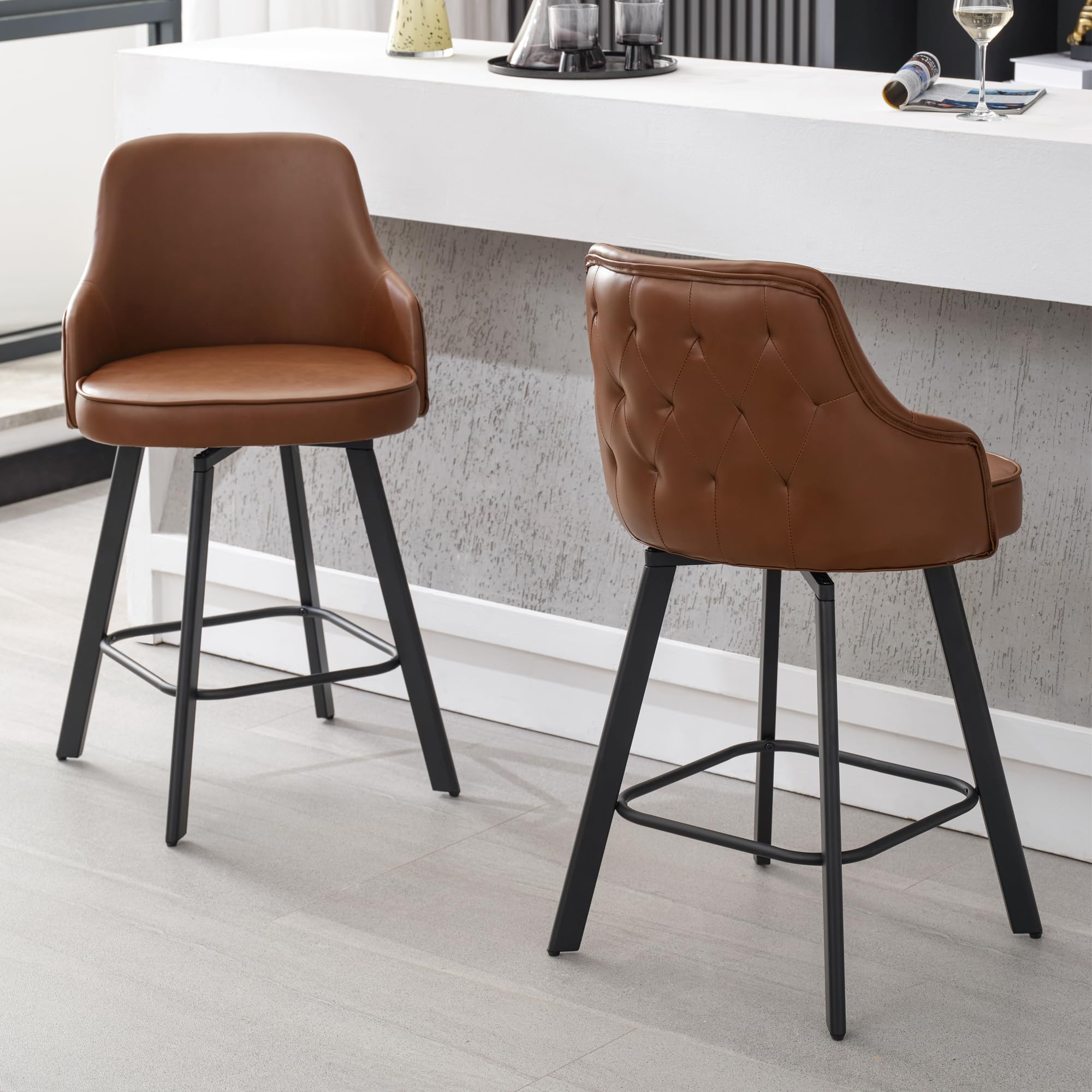
With leather chairs, your money goes to the grade of the hide and the frame under it. Full grain leather costs the most and develops a soft sheen with use, corrected leather trades some character for a uniform finish and easier cleaning, and bonded leather sits at the bottom and can peel at stress points. In every grade, check that the seat frame is solid wood or steel, because fine upholstery on a weak frame wastes the premium. Leather also wants a conditioner once or twice a year, a small cost worth counting.
Best Office Bar Chairs: Where Your Money Goes
Some home offices and studio desks stand at counter height, and the chairs bought for them split their budget differently. Here the money goes to a gas lift with a wide height range, a swivel base that rolls or glides on hard floors, and a seat that stays comfortable across a long work session. This is a narrow corner of the category: most seating sold for desks is built at standard desk height, and it is a different purchase from bar seating. Buy office bar chairs only when your work surface is genuinely raised, and measure it the same way you would a kitchen bar.
Long Term Costs to Factor In
The sticker price is only part of owning a set. Replacement covers and seat pads refresh a tired chair for far less than a new one, and makers of midrange and premium chairs are more likely to sell them. Leather conditioner, fabric cleaner, and floor protector pads for the feet are small yearly costs that protect both chair and floor. A longer warranty in the premium band has real value because frame failures are the expensive kind. Count on one hardware tightening a year for bolted frames, and expect budget covers to need attention first. The best bar chairs at any price are the ones whose upkeep you will actually do.
Sets multiply every one of these costs, so think in terms of the full row of chairs rather than a single seat. Four budget chairs that need new covers in year three can cost more over five years than four midrange chairs that only need tightening and cleaning. Delivery charges also scale with weight and chair count, and a heavy premium set can carry a freight fee that a flat packed budget set avoids. When you compare two options, write down the five year cost of each: purchase, delivery, care supplies, and one likely repair or refresh. That simple arithmetic often moves the smarter buy up a band.
FAQs
Is an expensive bar chair worth it?
It can be, but only when you sit in it often and keep it for years. The premium band buys frame strength, better upholstery, and finishes that survive daily use, and those gains compound over a decade of breakfasts. For a spare room or a short lease, the same money is wasted. Match the band to your time horizon: the longer you will own the chairs, the more the expensive option pays you back per year of use.
How do I choose the right size for a bar chair?
Start with the counter, not the chair. Measure the height of your counter or bar, then look for a seat height that leaves about 10 to 12 inches between the seat and the underside of the counter. Count roughly 24 inches of counter length per chair so elbows have room, and check the chair footprint against your floor space, since wide premium bases crowd a small kitchen. When a chair lists both counter and bar versions, order by your measurement, never by the label alone.
How long should a good bar chair last?
A well built midrange or premium chair should give you about seven to ten years of regular use, and longer with re tightening and cover care. Budget chairs typically show their age in three to five years, first at the seat edge and the joints. The frame is the lifespan: a rigid frame with a worn cover can be refreshed, while a loose frame with a clean cover is simply done. Daily use by kids shortens every one of these estimates.
What features matter most for long hours at a counter?
Geometry matters more than gadgets. A footrest at the right height, a seat deep enough to support your thighs, and a back you can lean against will carry a long session better than any adjustable extra. Dense foam that resists flattening helps, and a swivel saves your back from twisting to talk. Even so, a bar chair is a perch, so plan to stand and move during long sessions rather than expecting the chair to do that work for you.
The Bottom Line
Spend in this order: height first, frame second, upholstery third. Measure your counter, leave the right gap for your knees, and then let your budget band decide how much finish and padding you get. Budget chairs serve short sits, midrange chairs serve most kitchens, and premium chairs repay owners who stay put for years. Check the product table above against your measurements, and the best bar chairs for your counter will be the ones still feeling solid long after the newness wears off.