Best Bar Stool Chairs: Buying Guide for 2026
Disclosure: We may earn a commission when you buy through links on this page, at no extra cost to you. As an Amazon Associate I earn from qualifying purchases. Learn more

Find bar stool chairs for kitchen counters and home bars, with guidance on seat height, footrests, back support, cushioning, frames, fit and care.
A stool that looks right can still feel wrong once you sit down. If the seat sits too high, your thighs press against the counter edge. If it sits too low, meals feel awkward. The best bar stool chairs match your counter height, give your feet a firm place to rest, and fit how your household eats and gathers. Use the comparison table below to check those points first.
Think about time as well as looks. A quick coffee needs little back support, while homework and long talks call for a shaped back and a padded seat. The sections below explain height, footrests, materials, and stability.

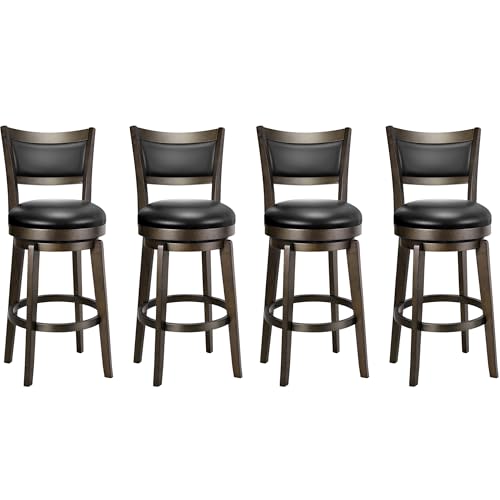
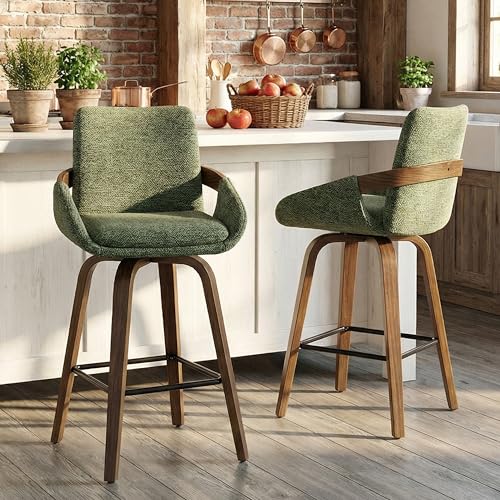
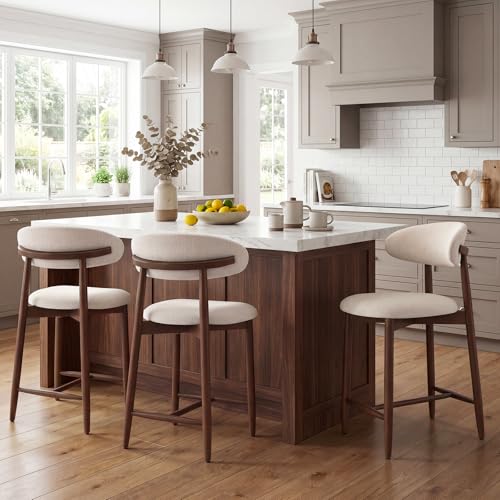


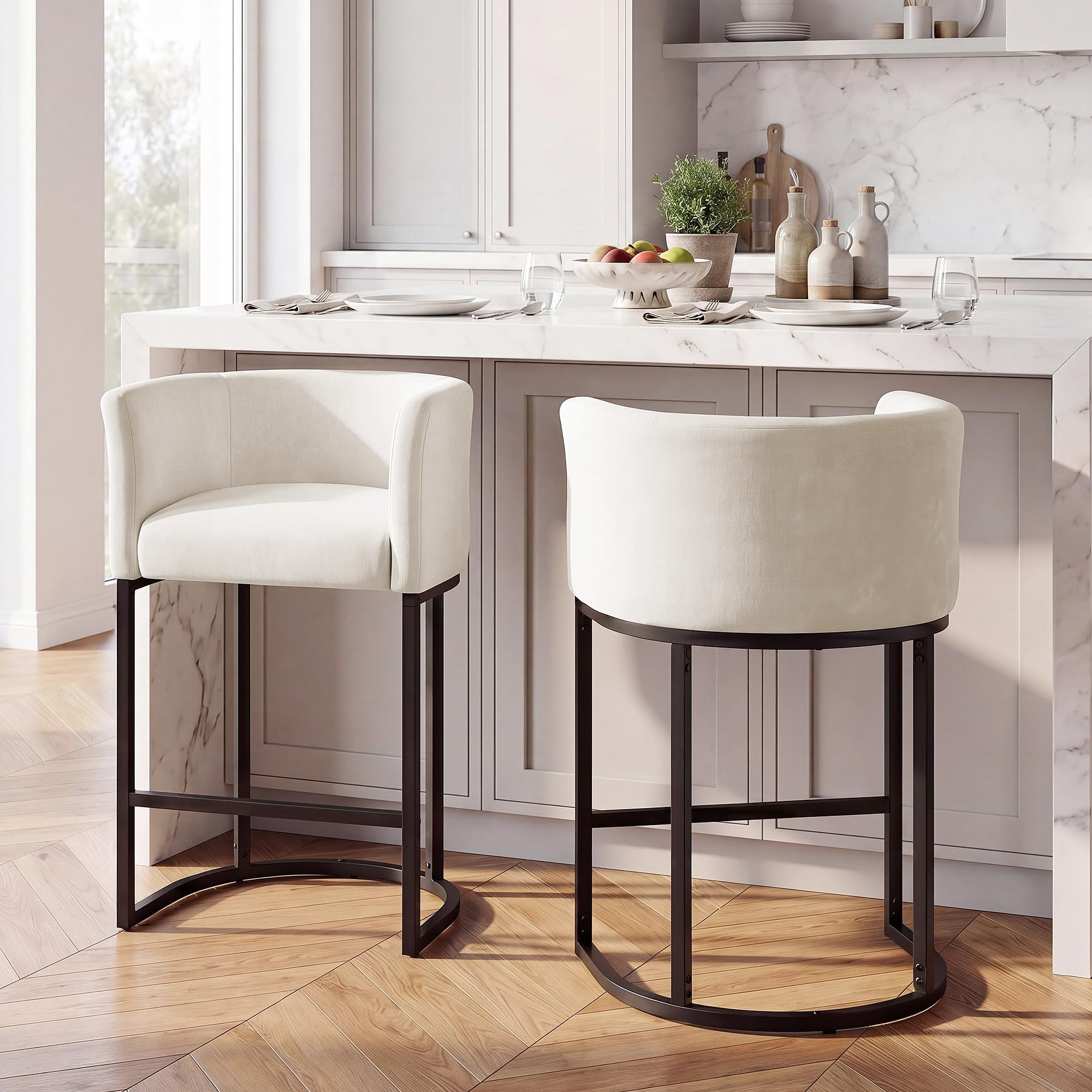
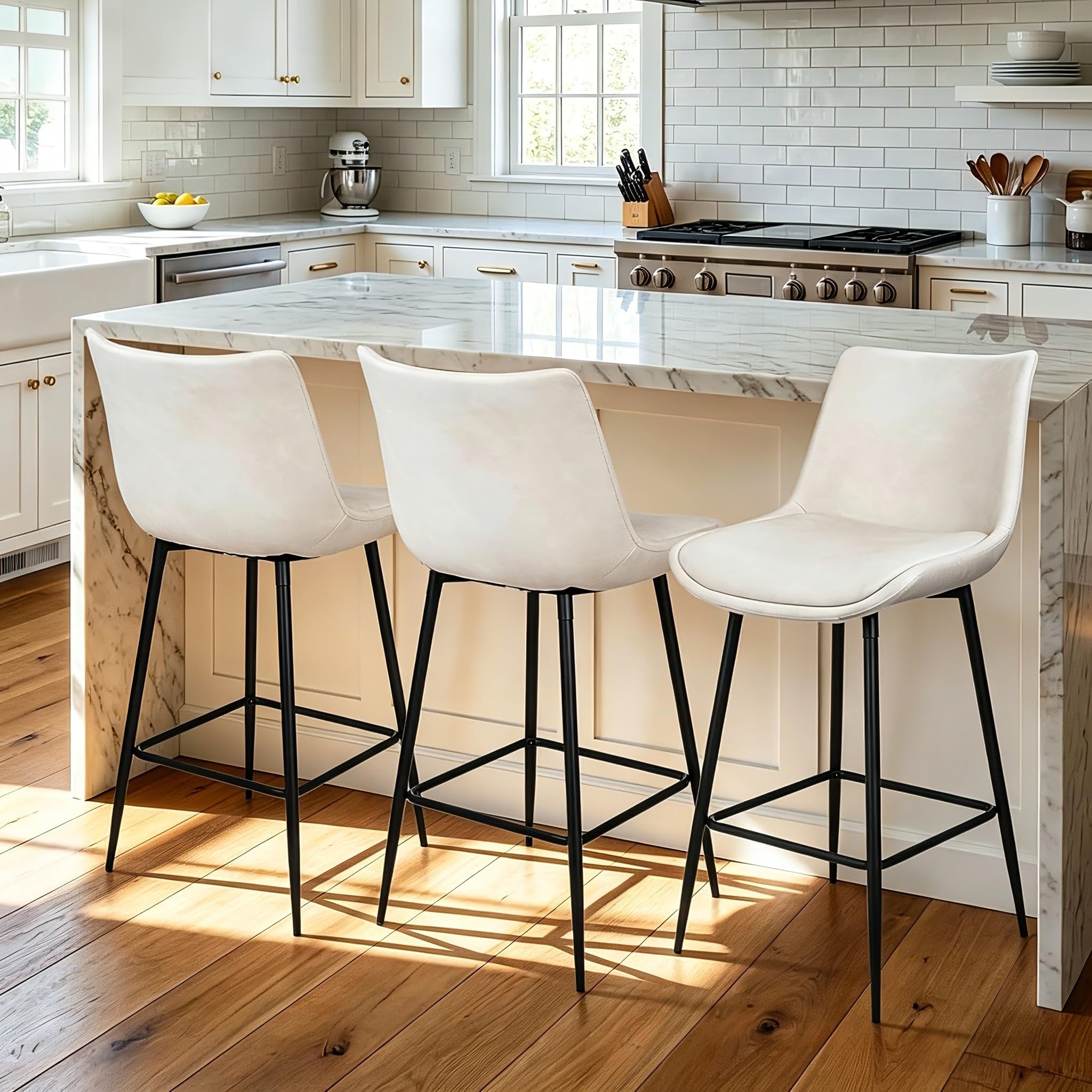
Who Should Buy Which Bar Stool Chairs?
Start with the counter you use most. Height and back style matter more than color, because color cannot fix a poor fit once the stools arrive.
Families Eating Daily at a Kitchen Counter
You need seats that children and adults can climb onto safely and clean without fuss. Choose a fixed seat at counter height, a low back, and a footrest that smaller legs can reach. Smooth vinyl, sealed wood, or coated metal wipes clean after crumbs. Avoid tall arms, because arms often block the stool from sliding close.
Hosts With a Home Bar or Game Room
You sit longer and turn toward friends as often as you face the bar. A swivel seat with a fuller back suits conversation and watching a match. Pick a wider seat and a broad base, because turning adds side force. A foot ring gives guests of different heights a resting place.
Renters and Small Kitchen Owners
You need stools that tuck away and leave a clear path when no one is seated. Backless or low back models without arms slide furthest under a breakfast bar. Measure the counter overhang before you buy, because a shallow overhang leaves knees cramped even when the stool is compact. Light frames help if you move stools often, but test stability first.
Key Features to Compare
When you compare the best bar stool chairs for your space, work through height first and style last.
Seat Height and Clearance Below the Counter
Seat height decides comfort more than any other measurement. Counter stools usually have seats about 24 to 26 inches high for counters about 34 to 36 inches high. Bar stools usually have seats about 30 to 32 inches high for bars about 40 to 42 inches high. Leave about 10 to 12 inches between the seat top and the counter underside, because that gap gives thighs room and lets you sit close.
Footrest Height and Leg Comfort
A footrest stops legs from dangling and takes pressure off the back of your thighs. On most stools the rung or ring sits about 17 to 20 inches below the seat, which lets your knees bend at a relaxed angle. A round ring suits swivel stools, while front rungs suit fixed stools. If children sit often, look for a second lower rung.
Back Height and Arm Clearance
Back height changes both comfort and how open your kitchen feels. Backless stools tuck fully away and suit short stops, while low backs give light support without rising far above the counter. Taller backs help during longer meals. Arms add support when you stand, but measure their top height against the counter underside, because arms that hit the edge keep the stool too far out.
Seat Cushioning and Cover Materials
A padded seat spreads weight and feels better after the first half hour. Look for firm foam that springs back when you press it, because very soft foam flattens and lets you feel the seat board below. Vinyl and faux leather wipe clean and suit family counters, while fabric breathes better in warm rooms. Solid wood seats last for years, but they feel hard during long sitting.
Frame Strength, Base Width, and Weight Capacity
Most household stools carry about 250 to 300 pounds, and stronger frames may carry 350 pounds or more. Count the sitter plus shifting and leaning, and leave a margin rather than buying at your exact weight. Solid wood and steel frames both work well when joints are tight and the base sits flat. A wider base resists tipping when someone turns or pushes off. Check glides under each leg too, because bare metal can scratch wood floors and felt or rubber caps quiet movement.
How to Measure Your Counter Before You Order Bar Stool Chairs
Measure from the floor to the underside of the counter, not to the top surface, because thickness changes the space your legs get. Subtract about 10 to 12 inches to find your target seat height, then check the listing for seat height measured to the top of the cushion. A thick cushion compresses when you sit, so allow a little extra room.
Next, count how many stools the counter can hold. Leave about 24 inches of width for each person and about 6 inches between stools. For taller bars, see our guide to the best high bar chairs for extra tall options that keep the same leg clearance.
Types of Bar Stool Chairs Compared
Type should follow routine, not fashion alone. The three groups below trade storage, support, and movement in different ways.
Backless Bar Stool Chairs That Tuck Fully Away
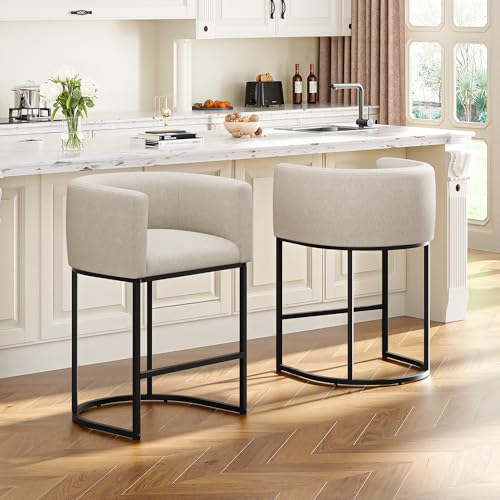
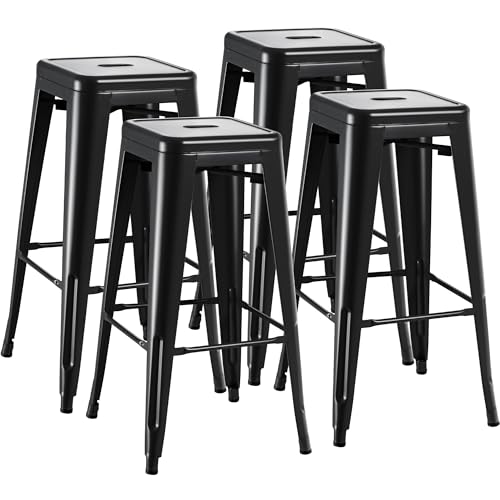
Backless models slide completely under the counter and keep sight lines open. They suit quick breakfasts and extra seats for guests. Their weakness is support, because there is nothing to lean against during a long meal. If this shape is enough, see our guide to the best bar stools for more choices.
Bar Stool Chairs With Backs for Longer Sitting
Models with backs suit daily meals and guests who stay for an evening. A curved back that meets your lower back feels better than a decorative rail placed too high to touch you. These stools need more depth and will not tuck as far in. Readers who want a chair like seat can also see our guide to the best bar chairs.
Compact Bar Stool Chairs for Breakfast Bars
Compact models use narrower seats, no arms, and a small footprint for short counters. They work best for one or two people and for meals rather than long work sessions. For short counters, see our guide to the best breakfast bar chairs for sizes built around that setup.
Common Mistakes to Avoid
Most returns come from measuring and fit errors that are easy to check first.
- Ordering bar height stools for a standard counter leaves your feet dangling and knees pressed under the edge.
- Measuring to the top of the counter instead of the underside steals leg room and makes the seat feel too tall.
- Placing stools too close together leaves guests bumping elbows and scraping seat edges.
- Choosing arms without checking counter clearance stops the stool from sliding in and forces sitters to lean forward.
- Ignoring the weight rating risks a wobbling frame and joints that loosen early under daily load.
- Putting bare metal feet on wood floors causes scratches that show every time the stool moves.
Care and Maintenance for Bar Stool Chairs
Tighten leg bolts, rung screws, and swivel hardware every few months, because sitting and turning slowly work fasteners loose. Wipe vinyl and coated metal with a damp cloth and mild soap, and dry them afterward. Clean spills at once so liquid does not reach the foam.
Keep wood stools out of long direct sun, because heat can fade the finish. Check glides and felt pads during cleaning and replace any pad that has worn thin. Stop using a stool with a cracked leg or a swivel that rocks from side to side, because a small fault under load can become a fall.
FAQ
How many bar stool chairs fit along a kitchen island?
Most kitchen islands fit one bar stool chair for about every 24 inches of usable counter length. Measure only the section with real leg room below, not a decorative end panel where knees would hit wood. A 72 inch island therefore suits three stools. If your seats are extra wide, test with dining chairs first, because wide seats can reduce that count to two.
Are swivel bar stool chairs safe for young children?
Swivel bar stool chairs can work for children who can climb up and sit still, but fixed stools are the safer default for younger kids. Check spin control, because a seat that turns while a child climbs can throw their weight sideways. Choose a counter height stool with a wide base, place it away from the stove, and stay nearby until climbing looks steady.
Can bar stool chairs be used at a dining height table?
No, bar stool chairs are too tall for a standard dining table. Dining seats sit about 17 to 19 inches high, while even counter stools start near 24 inches, so your knees would hit the table apron. If a room must serve both uses, buy separate dining chairs rather than trying to make one tall stool cover both jobs.
How long should well made bar stool chairs last?
Well made bar stool chairs often last about five to ten years in a home that uses them daily. Lifespan depends less on the finish than on joint care, because loose bolts and worn glides cause wobble that strains wood and metal over time. A stool used only for guests may last far longer. Fresh padding can also extend useful life.
Is a higher price worth paying for bar stool chairs used every day?
A higher price is worth paying for bar stool chairs only when it buys a stronger frame, firmer foam, and better floor glides. Daily use tests those parts first, while costly styling adds little comfort. A stool that stays tight for eight years can cost less over time than a cheap stool replaced twice. Skip paying extra for features you will seldom touch.
Final Thoughts
Put height, footrest position, and frame strength ahead of finish, and most other choices become simple. Match the seat to your counter and pick a back style that suits how long people stay. Use the product table above to confirm seat height, seat width, and weight rating before you order.
With those checks done, the right best bar stool chairs will feel natural from the first morning you use them. Buy for your daily routine rather than for rare parties.