
Best Bread Ovens: Cast Iron Bakers for Crusty Loaves at Home for 2026
Disclosure: We may earn a commission when you buy through links on this page, at no extra cost to you. As an Amazon Associate I earn from qualifying purchases. Learn more
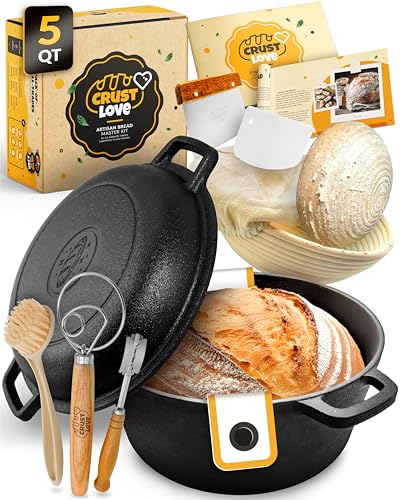
Cast iron bread ovens trap steam for a crisp crust. Compare size, lid shape, coating and weight to pick the best bread ovens for your kitchen.
A bread oven, in the home baker's sense, is a heavy lidded pot that turns an ordinary kitchen oven into a small steam chamber. Put a dough in it, close the lid and the moisture from the loaf stays trapped for the first part of the bake, so the crust blisters, the loaf springs up and the surface turns glossy and crisp. The best bread ovens do this reliably, without burning the base or being too heavy to lift. This guide explains the features that matter and how to choose.
The product table lists enameled and pre-seasoned cast iron bakers across several price levels.


Why a Covered Baker Gives Better Crust
During the first minutes of baking, a loaf expands rapidly. If the surface dries out too soon, it sets and restricts the rise, giving a thick, dull crust. A covered baker traps the steam released by the dough, keeping the surface flexible long enough for a full rise. Heavy walls also store and radiate heat evenly, which stabilizes the temperature when you open the oven door to load the dough. You remove the lid for the final stage so the crust can brown and crisp.
Types of Bread Ovens
Round Dutch-Style Pots
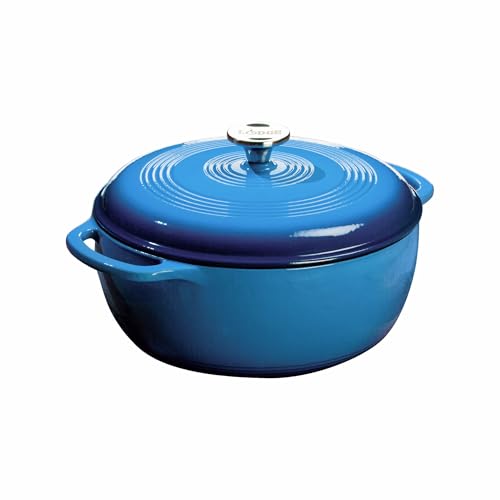
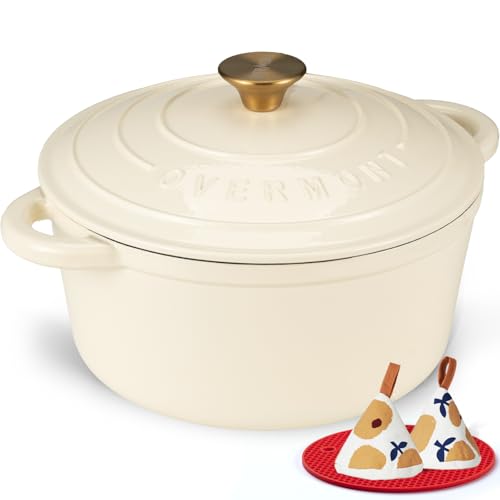
A standard Dutch oven of 5 to 7 quarts is the most versatile option. It bakes a round loaf, and it also cooks soups, braises and stews. If you want one pot for everything, this is the sensible choice.
Dome-Lid Bread Ovens
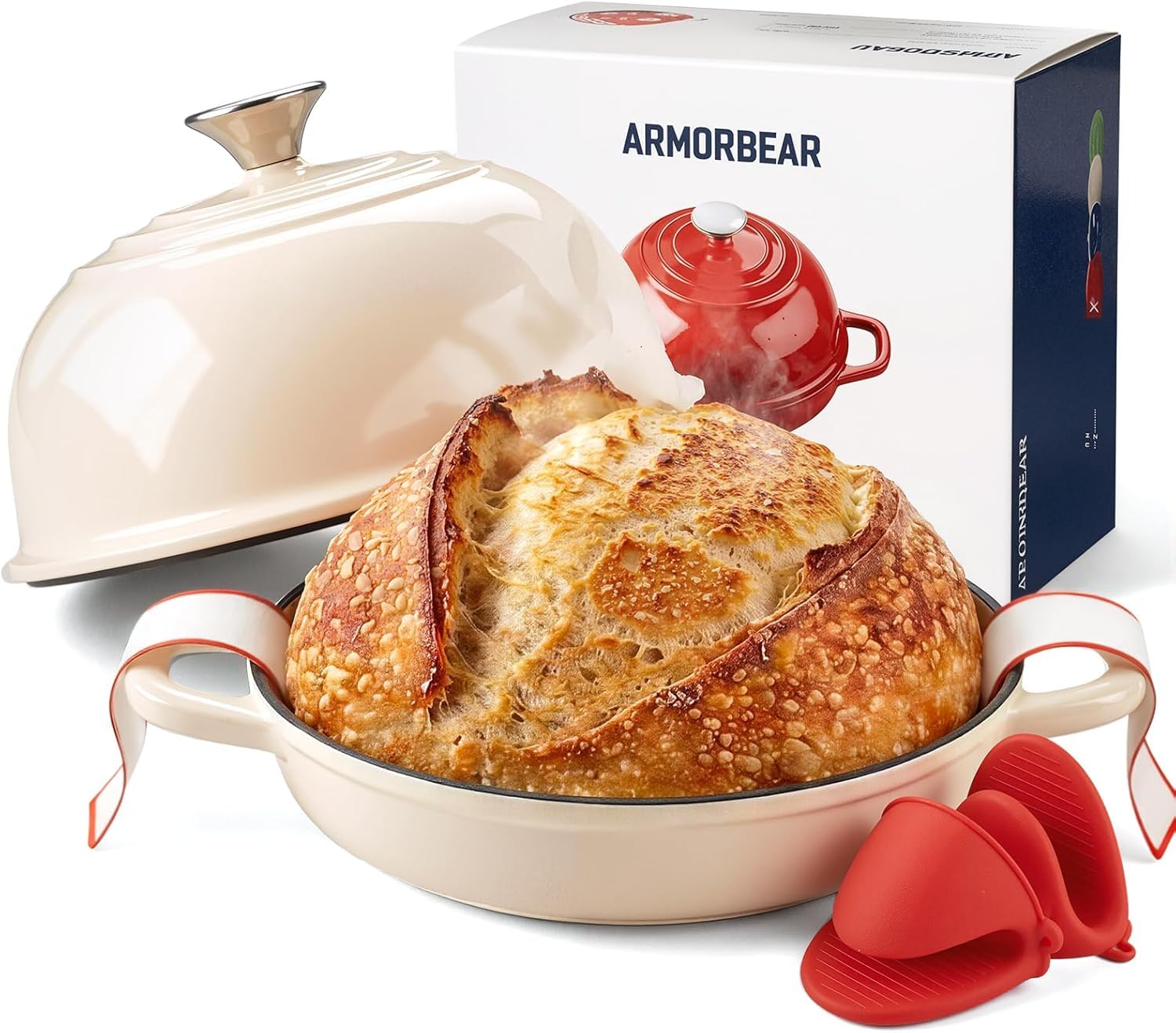
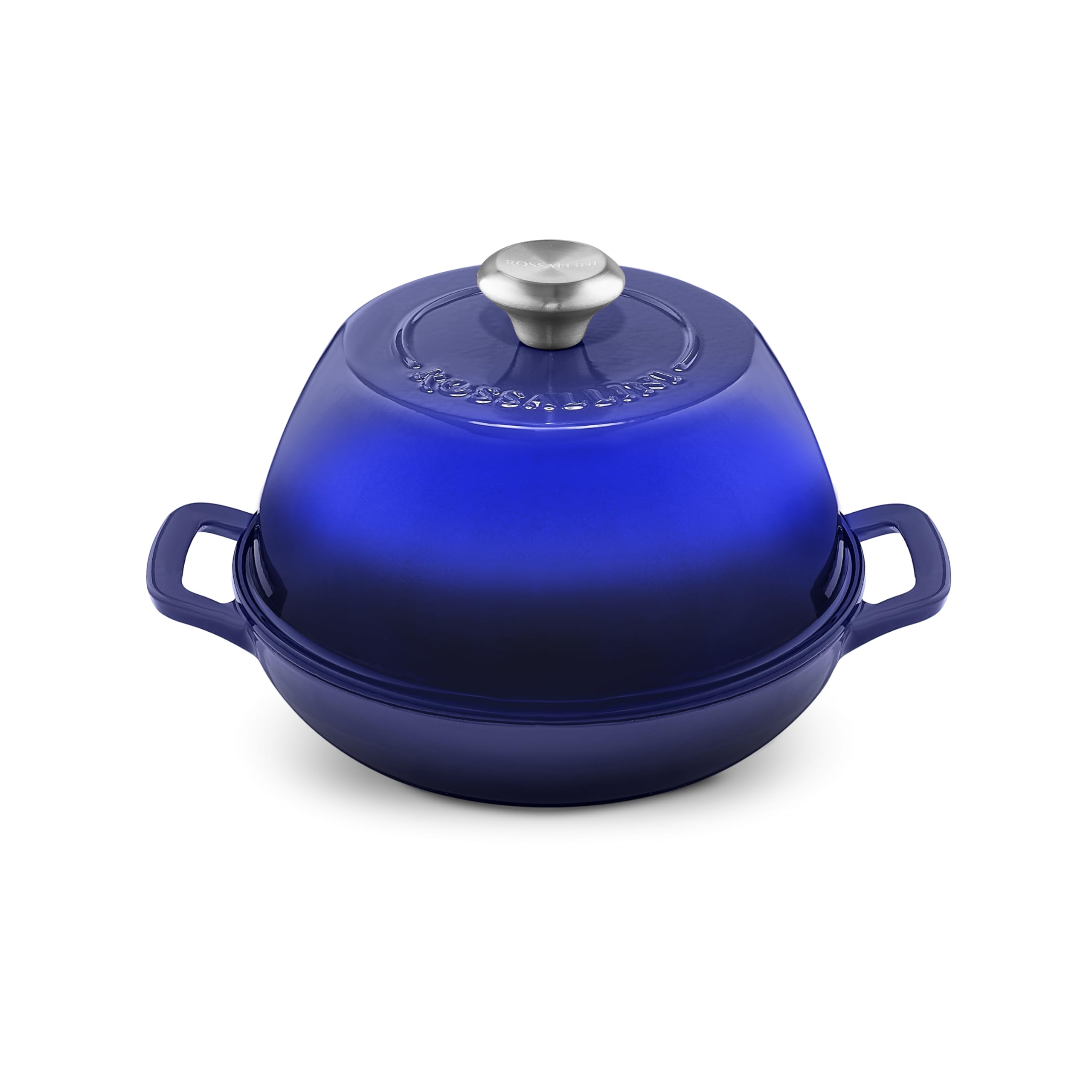
Dome-lid bakers have a shallow base and a tall domed lid. The shape gives the loaf extra headroom and makes it easier to place dough on the base, because the walls are low. They are designed for bread and suit bakers who make sourdough regularly.
Oval and Long Bakers
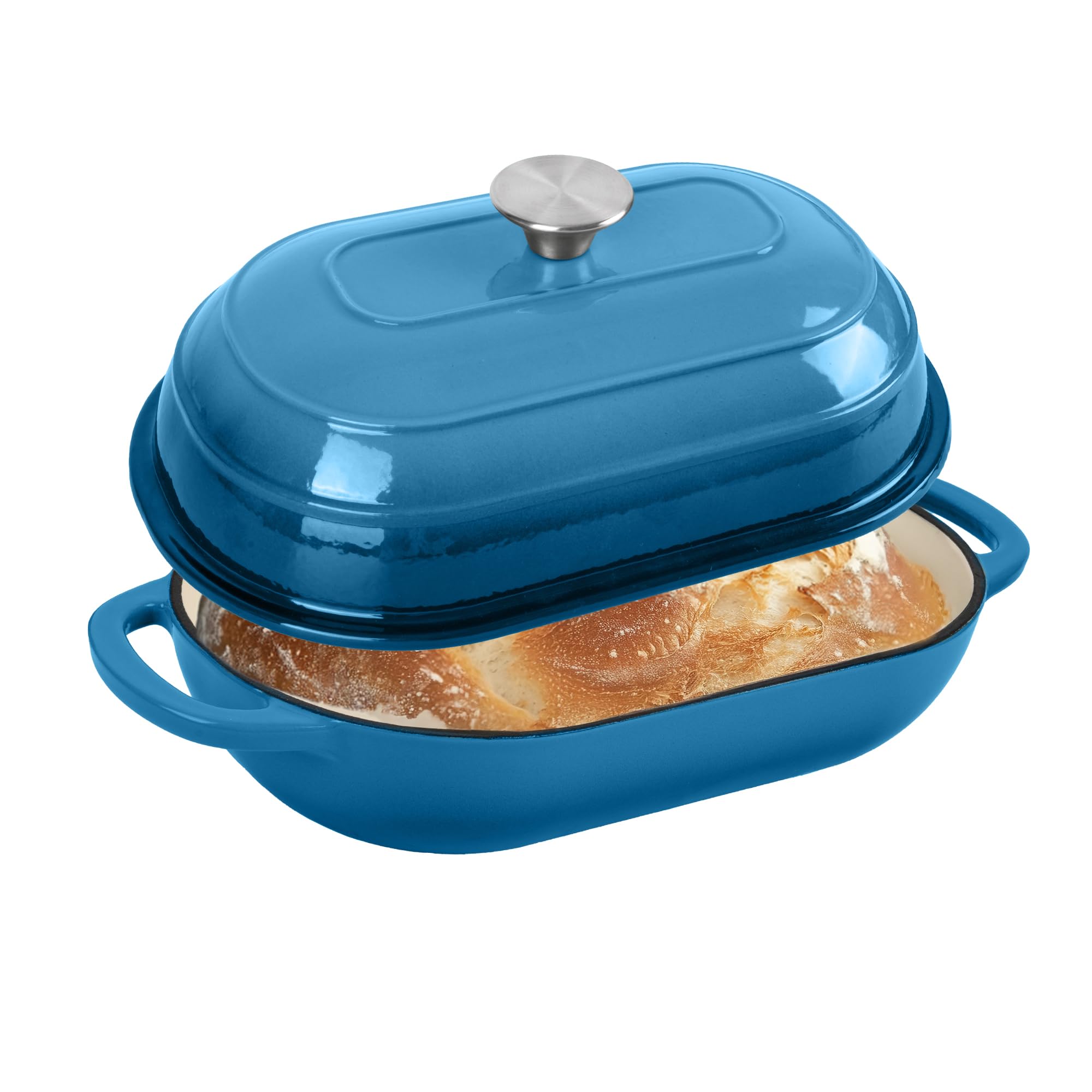
Oval bakers fit batards and longer loaves. They take up more oven space and are heavier, but they suit those who prefer a long shape for sandwiches and slicing.
Key Features to Compare
Material and Coating
Bare cast iron needs seasoning and gives a classic, rugged surface. Enameled cast iron has a smooth coating that resists rust and is easy to clean, though the enamel can chip with rough use. Pre-seasoned versions are ready to bake but need care. Carbon steel versions are lighter and heat quickly.
Size and Capacity
For a standard 800 to 900 gram loaf, a 5 quart pot or a 9 to 10 inch dome baker is plenty. If you bake larger loaves or like to double up, look at 6 to 7 quarts. Check the internal diameter and height, not just the quart rating, and measure your oven so the baker fits with the rack in place.
Weight and Handles
Cast iron is heavy. A 5 quart pot can weigh around 12 pounds with its lid, and it will be hotter than 450 degrees when you handle it. Look for wide, comfortable handles and use thick oven gloves. If lifting is a concern, a lighter dome baker or carbon steel option may suit you better.
Lid Fit and Steam Retention
A tight lid is the key to the crust. Check that the lid sits flush without rocking and that the baker has a lip or rim to hold the steam in. A loose lid lets steam escape and reduces the benefit.
How to Bake in a Bread Oven
Preheat the empty baker with its lid on at the recipe temperature, usually 450 to 500 degrees Fahrenheit, for at least 30 minutes. Lower the shaped dough in on parchment, score the top, cover and bake for around 20 to 30 minutes. Remove the lid and bake another 15 to 20 minutes until deeply golden. Lift the loaf out and let it cool fully before slicing. Handle everything with care, since both the pot and the lid will be extremely hot.
Choosing the Best Bread Ovens for Your Style of Baking
Think about the loaves you make most. Sourdough boules need a rounded space with plenty of headroom, which suits a dome baker or a standard Dutch oven. No-knead recipes are forgiving and work well in any covered pot. If you bake enriched doughs, such as milk bread, you may prefer a loaf pan, so a bread oven is not always the right tool for every recipe. A baker is at its best with lean doughs that depend on steam and high heat.
Also consider the rest of your kitchen. A covered pot can go from oven to table, braise a stew or roast a chicken, which makes a larger Dutch oven a good value. A dedicated dome baker is lighter on versatility but easier on your wrists when you drop the dough in. The best bread ovens fit the way you cook, not just the way you bake.
Budget and Value
Prices range from about $40 to $90 for basic pre-seasoned and enameled models, and rise to $200 and beyond for premium names with thicker enamel and lifetime warranties. For most home bakers, a mid-range enameled pot offers the right balance, because the heat performance of cast iron is similar across price levels. Pay more for a better finish, a longer warranty or a brand you trust to replace a damaged lid.
Common Mistakes to Avoid
- Skipping the preheat, which leads to a pale, flat loaf.
- Using a baker that is too large, so the dough spreads instead of rising.
- Placing hot cast iron on a cold or wet surface, which can crack enamel.
- Using metal tools on enamel, which can scratch the coating.
Care and Maintenance
Let the baker cool fully before washing. Enameled versions clean easily with warm soapy water and a soft sponge, while bare cast iron should be dried promptly and lightly oiled to prevent rust. Avoid sudden temperature changes, and store the lid slightly ajar or with a paper towel between lid and pot to let air circulate. For related options, see our guides to the best bread dutch ovens and best dutch ovens for bread making.
Frequently Asked Questions
Do I need a dedicated bread oven to bake good bread?
No. A Dutch oven also works well. A dedicated dome baker is easier to load and gives extra headroom, so it suits frequent bakers.
Why is steam important for bread?
Steam keeps the surface of the dough flexible during the first part of the bake, so the loaf can expand fully and the crust turns thin and crisp.
Is enameled or bare cast iron better?
Enameled is easier to clean and does not need seasoning. Bare or pre-seasoned cast iron is tougher and can last for generations with proper care.
What size bread oven do I need?
A 5 quart pot or a 9 to 10 inch dome baker fits a standard loaf. Choose larger sizes for bigger loaves.
Final Thoughts
The best bread ovens hold heat well, close tightly and are comfortable enough to lift that you will use them every week. Use the product table to compare sizes and coatings, choose between a Dutch-style pot and a dome baker, and give yourself a little time to master the preheat and the lid timing. After a few loaves, the crust will convince you the effort was worth it.


