Best Bread Lame for Home Bakers (2026): Styles and Checklist
Disclosure: We may earn a commission when you buy through links on this page, at no extra cost to you. As an Amazon Associate I earn from qualifying purchases. Learn more

The best bread lame depends on your loaves and storage: compare straight, curved and replaceable blade styles with a short checklist.
Your dough has risen, the oven is hot, and the last step before baking is one confident cut across the top. A dull kitchen knife drags and deflates the loaf, while the best bread lame glides through and lets the loaf open up as it bakes. The good news is that a lame is a small, inexpensive tool, so choosing well mostly means matching the style to your kitchen.
This guide focuses on home realities rather than bakery ambitions. It walks you through blade shapes, handle materials, storage space, and what you will spend over time. Start with the comparison table below, then use the checklist to narrow your choice to one style.





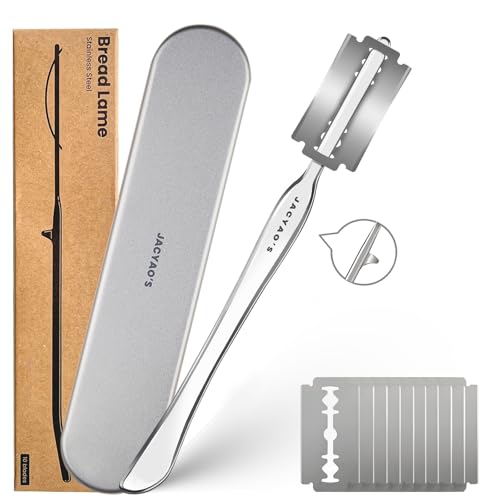
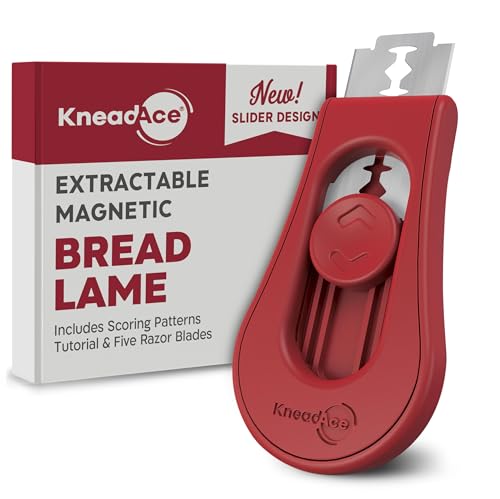
Quick Answer: The Three Lame Styles That Cover Most Homes
If you want the short version, nearly every home baker lands on one of three styles. Each one scores dough well, and the differences come down to the loaves you bake and how you like to store sharp tools.
- Straight blade on a fixed handle: the simplest option, easy to control for straight cuts on sandwich loaves and baguettes, and usually the lowest price.
- Curved blade on a fixed handle: made for angled cuts on round loaves, where the curve helps the blade slip under the flap of dough that forms an ear.
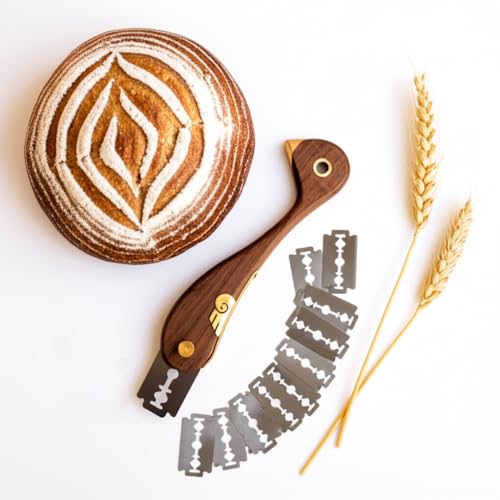
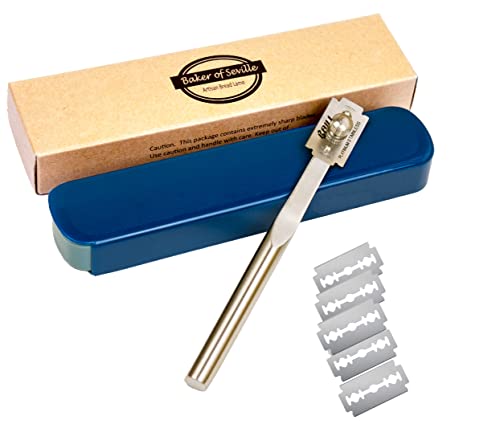
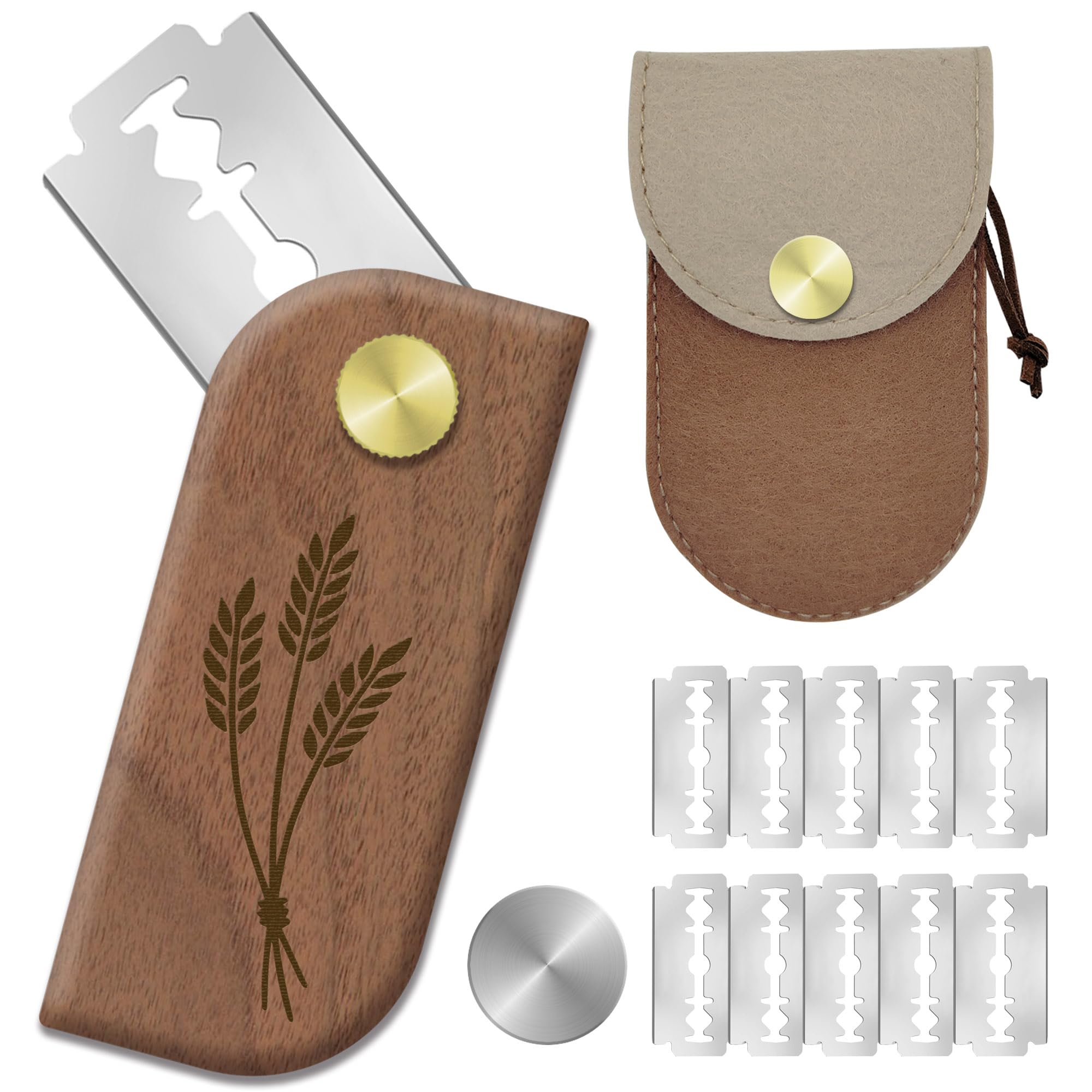
- Handle with replaceable blades: the blade swaps out when it dulls, so one handle serves for years and each fresh blade cuts like new.
If you bake a mix of shapes, the replaceable blade style is the flexible pick, since some handles accept both straight and curved blades.
Before You Buy: A Quick Checklist for Choosing a Bread Lame
A lame looks simple, and it is, but small details decide whether you reach for it gladly or leave it in the drawer. Work through the four checks below before you spend anything.
Which Type Fits Your Routine
Start with the loaves you actually bake. A straight blade suits long slashes down the center of a loaf and gives you a clear view of the cut. A curved blade shines on round loaves, where an angled cut opens into a crisp ear. Next, think about blade changes. Fixed blade models are one solid piece with nothing to assemble, while replaceable blade models ask you to mount a thin razor blade on the handle. If others in your home bake too, a blade cover or retractable blade keeps the edge protected between uses.
Materials and Food Safety
Handles come in wood, stainless steel, and molded plastic. Wood feels warm and grippy when your hands are dusted with flour. Stainless steel handles are smooth, reassuringly heavy, and will not absorb odors from enriched doughs. Blades should be stainless steel too, with a smooth finish near the mount. Whatever you choose, look for a handle with no cracks or gaps around the blade fitting, since trapped dough in a crevice is hard to clean out.
Hand Wash or Dishwasher
Washing style is a real buying factor, not an afterthought. Dishwasher heat and detergent dull thin razor edges quickly, and wooden handles can swell, fade, or crack after repeated cycles. If everyone in your home tosses tools straight into the dishwasher, a stainless steel handle with a removable blade is the safer match, and you can discard the spent blade before washing. If you are happy to rinse the lame at the sink, any handle material works. Either way, check the maker guidance before the first wash, because some models are sold as dishwasher safe while many are hand wash only.
Realistic Budget Ranges
Lames are inexpensive, and spending more buys comfort and longevity rather than a different result in the oven. Simple fixed blade models often cost under $10 and score perfectly well. Models about $10 to $20 usually add replaceable blades, a cover, or a better finished handle. Around $20 to $30 you find heavier steel handles and turned wood handles with spare blades included. A weekly baker recovers the cost of a mid range model quickly, while an occasional baker can spend less and still get clean cuts.
Three Lame Styles Compared for Home Kitchens
The smartest comparison is between styles rather than between individual models. Here is how the three main styles stack up for everyday home baking.
Straight Blade Lames for Most Homes
A straight blade lame is the default choice for good reason. The flat edge makes straight and gently slanted cuts easy to judge, which suits sandwich loaves, baguettes, and the single long slash used on oval loaves. Control is intuitive, because the blade travels exactly where your hand points it. Fixed versions have no parts to lose and rinse clean in seconds. The trade off shows up on round loaves, where a straight blade makes a shallower angled cut, so the ear on the crust tends to be smaller.
Curved Blade Lames for Round Loaves
A curved blade lame exists for one job done beautifully. Held at a shallow angle against a round loaf, the curved edge slices a thin flap of dough that lifts in the oven and bakes into a crisp, golden ear. If your signature bake is a rustic round loaf, this style delivers that look most reliably. The curve takes a little practice, because cutting too deep turns the flap into a wide split. Curved blades are also less versatile for long straight slashes, so many bakers keep this as a second tool.
Replaceable Blade Lames for the Long Term
A replaceable blade lame pairs one sturdy handle with thin razor blades that you change as they dull. A fixed blade slowly loses its edge and cannot be sharpened easily at home, while a fresh razor blade restores that clean, drag free cut in a minute. Running costs stay tiny, since spare blades are sold in packs for a few dollars. Look for a mounting system that holds the blade firmly with no wobble, and for a cover that stays on in the drawer. This style suits bakers who score several loaves a week.
The Criteria That Matter When You Judge a Lame
Judge every listing against the same five criteria. Ease of use means a handle your hand can hold securely with flour on your fingers. Durability covers the handle material and how solidly the blade is mounted. Cleaning should be quick, with no crevices that trap dough. Design means the blade shape matches your loaves and stores safely in your space. Value weighs the price against how long the handle will serve and whether spare blades are included. Maker specifications and verified buyer reports are the best sources for checking these points.
Matching a Lame to Your Household and Space
The right lame also depends on who bakes in your home and where the tool will live. It is one of the sharpest items in the kitchen, so storage and users shape the choice.
If sourdough is your weekly ritual, you will score firm, well fermented dough that rewards a keen edge. Our companion guide to the best bread lame for sourdough goes deeper on blade choices for that style of baking. Frequent bakers also tend to prefer replaceable blades, because a fresh edge is always one swap away.
If you are teaching yourself or a teenager to bake, control and safety matter more than fancy crust work. A shorter handle, a covered blade, and a straight edge make those first cuts forgiving. The guide to the best bread lame for beginners collects the features that help new bakers build confidence. In a small kitchen, a covered model that stores flat in a drawer also helps.
Whatever style you pick, technique carries half the result. A quick, confident stroke scores more cleanly than a slow, pressing cut. If you want the full walkthrough before your next bake, read how to use a bread lame and practice the motion on a practice loaf first.
Common Buying Mistakes to Avoid
- Buying a curved blade when you only bake sandwich loaves, so the angled cut you paid for never gets used.
- Choosing a decorative handle that is too thick to pinch comfortably, which makes your cuts wobble on soft dough.
- Skipping the blade cover to save a dollar, then dulling the edge and risking a cut every time you reach into the drawer.
- Ordering spare blades without checking the mounting style, so the new blades do not fit the handle you own.
- Paying premium prices for a large gift set with extras you will never use, when a single sound lame costs far less.
Cost of Ownership and Care
Owning a lame costs very little after the purchase. Spare razor blades run about a few dollars per pack, and a pack can last a home baker many months. Fixed blade models have no running costs, though the whole tool needs replacing once the edge dulls beyond use.
Store the lame with its cover on, or on a magnetic strip where the edge touches nothing. Keep it dry, because even stainless blades can spot if they sit wet in a drawer. For the full routine, including what to do when dough dries onto the blade, see how to clean a bread lame. A lame stored dry and covered stays sharp far longer than one left loose among utensils.
Your Questions, Answered
What makes a bread lame reliable over time?
Reliability comes from the blade mounting more than from the handle material. A reliable lame holds its blade with no side to side movement, and the fitting does not loosen after repeated blade changes. Check this when your lame arrives by pressing the mounted blade gently against a cutting board. If it shifts or rattles, exchange the tool, because a shifting blade makes uneven cuts and can slip on wet dough.
Is a bread lame worth buying if you already own a serrated knife?
Yes, for one practical reason beyond cut quality. A serrated knife that also slices tomatoes, sandwiches, and packaging arrives at your dough with a worn, uneven edge, and its teeth tear soft dough instead of parting it. A lame is a single purpose tool that stays sharp because it does nothing else. It also costs less than a decent knife, so keeping one tool reserved for dough is an easy upgrade for most home bakers.
Can a bread lame score dough straight from the fridge?
Yes, and cold dough is actually the easiest to score. After an overnight rest in the fridge, the surface firms up, so the blade glides with less sticking and the cut holds its shape. Work quickly once the dough is out, score, and move the loaf straight into the hot oven. Warm dough at room temperature is softer and stickier, so a chilled loaf gives cleaner lines with the same blade.
How do you clean a bread lame after scoring sticky dough?
Rinse the blade under warm running water right after scoring, before the dough has a chance to dry on the edge. Dried dough is the stubborn kind, so if some has set, hold the blade under the tap for a minute to soften it, then wipe along the flat of the blade with a soft sponge, moving away from the edge. Never soak a wooden handle, and dry the blade fully with a towel before the cover goes back on.
When should you replace the handle of a bread lame?
Replace the handle when the part that holds the blade stops doing its job. Warning signs include a crack near the blade mount, a fitting that no longer grips the blade firmly, or a wooden handle that has split after repeated soaking. A handle in that state is a safety issue, not just a cosmetic one, because the blade can twist mid cut. Sound handles show none of these signs and can stay in service through many packs of blades.
Final Thoughts
Choosing a lame comes down to three honest answers: the loaf shapes you bake, the washing and storage habits in your kitchen, and how often you bake. Straight blades serve most homes, curved blades reward round loaf specialists, and replaceable blades suit frequent bakers who always want a fresh edge. Compare your shortlist against the product table above, weigh the budget ranges, and pick the style you will store safely and reach for gladly. Get those basics right and the best bread lame for your home is simply the one that fits your routine.