Best Bread Lame for Sourdough (2026): Styles for Real Kitchens
Disclosure: We may earn a commission when you buy through links on this page, at no extra cost to you. As an Amazon Associate I earn from qualifying purchases. Learn more

The best bread lame for sourdough matches your cuts: curved for ears, straight for patterns, replaceable blades for frequent bakers.
Your dough has proofed overnight, the oven is hot, and the loaf in front of you needs one clean cut before it goes in. That single cut decides how the loaf opens, how the crust forms, and whether you get the proud ear that home bakers love. Choosing the best bread lame for sourdough is really about control in that moment, plus safe storage in a busy kitchen drawer.
This guide helps you choose by your baking routine, your storage space, and your budget rather than by looks alone. The comparison table below lines up the main styles side by side. If you want the wider view first, our guide to the best bread lame covers scoring tools for every kind of bread, not just sourdough.


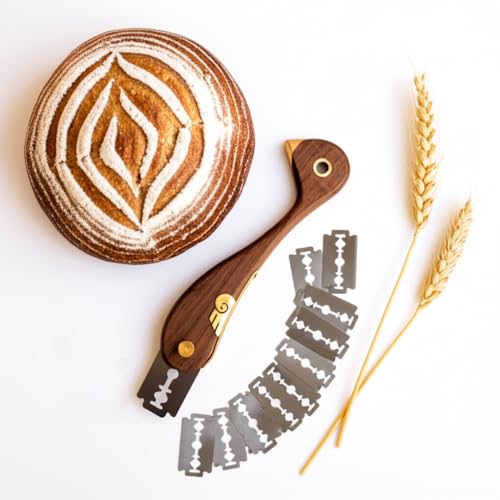
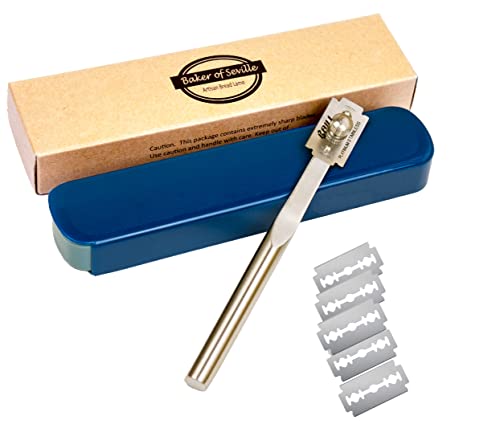


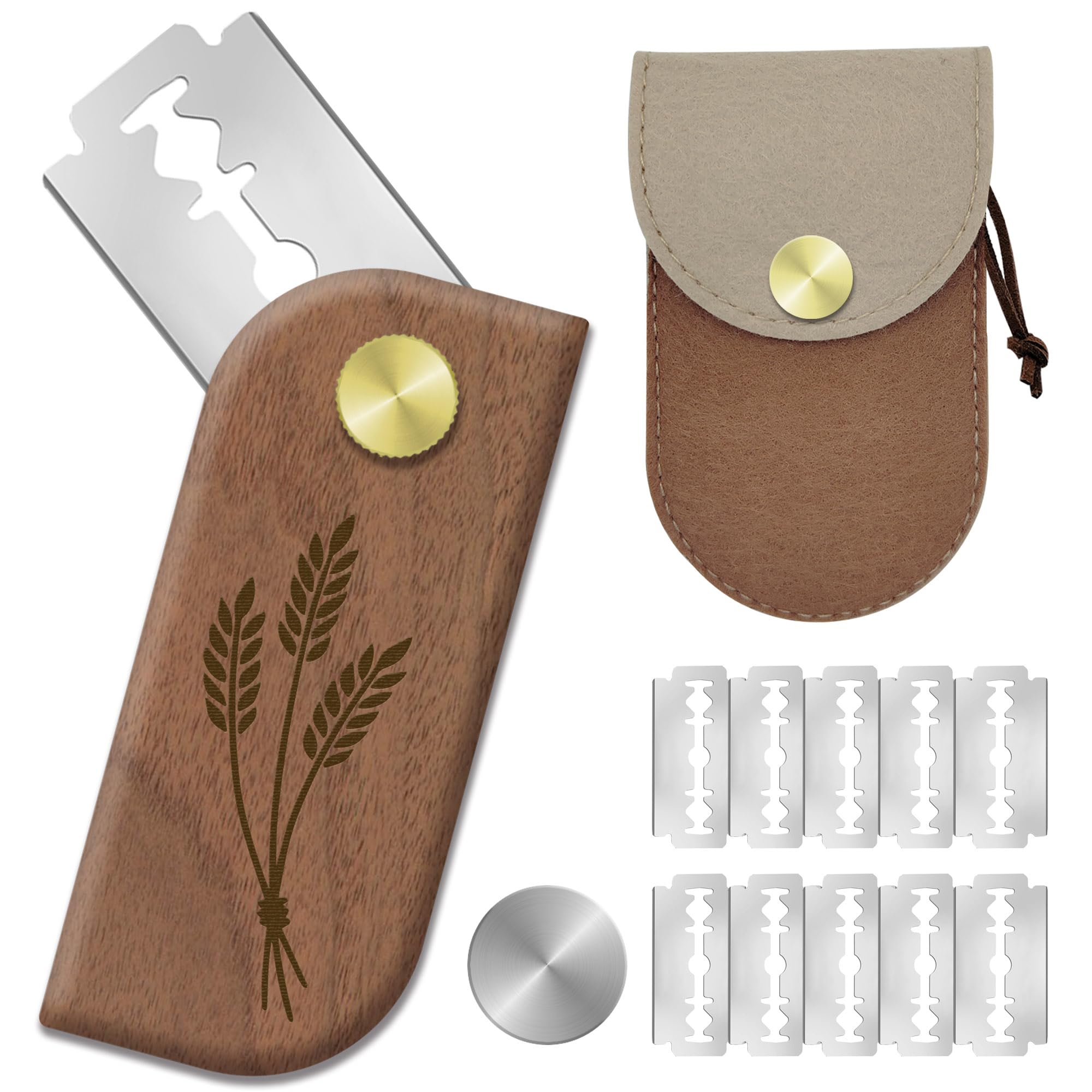


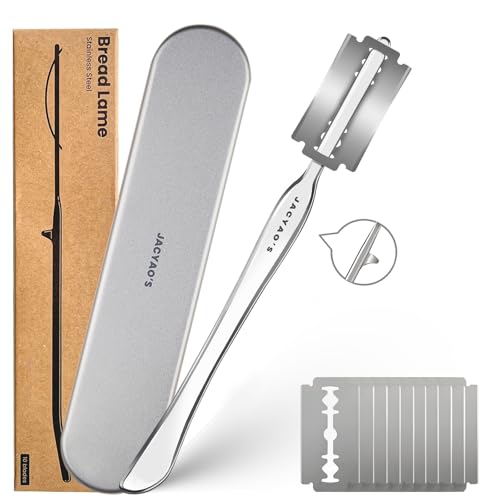
Quick Answer: Three Styles That Cover Most Home Bakers
The best bread lame for sourdough is the style that matches the cuts you make most often. A curved blade suits the angled cut that lifts an ear on a round loaf. A straight blade suits simple crosses, slashes, and patterns on pan loaves and rolls. A style with replaceable blades suits bakers who score several loaves a week and want a fresh edge without sharpening.
All three styles use a thin razor blade on a handle, and all three cost little next to the flour you bake with each month. Decide on blade shape first, then look at handle comfort, storage, and how the blade gets changed or cleaned.
Before You Buy: A Quick Checklist for Choosing a Bread Lame for Sourdough
Four checks sort the options quickly: the style that fits your routine, the materials, the washing method, and the budget tier that matches how often you bake.
Which Type Fits Your Routine
Lames come with wooden handles or stainless steel handles, and with curved or straight blades. A curved blade slides under the dough surface at a shallow angle, which is the cut that forms an ear. A straight blade cuts straight down, which suits decorative scoring and firm dough. Some handles hold the blade with a magnetic cover for drawer storage, while others use a fixed blade or a replaceable blade that swaps in seconds. If you bake one loaf on weekends, a simple fixed style is enough. If you bake in batches, quick blade changes matter more.
Materials and Food Safety
Most blades are stainless steel, which resists rust and wipes clean after contact with wet dough. Handles come in wood, stainless steel, or food safe plastic. Wood feels warm and grippy even with flour dusted hands, but it should stay dry between uses. Steel handles tolerate moisture and feel solid, though they can feel cool and smooth. Whichever material you pick, look for a blade that sits firmly in the handle with no wobble, and a cover or case so the edge never sits bare against other utensils.
Dishwasher Safe or Hand Wash Only
Most lames are hand wash tools, and washing one takes under a minute. Flour and dough dry into a paste on the blade, so rinse it soon after baking and dry it fully before storage. A few steel handled styles tolerate the dishwasher, but high heat and detergent dull razor edges over time. If easy cleanup decides the purchase for you, choose a steel handle and accept that blades are a replaceable part either way. Treat the blade like a kitchen knife edge, not like a spoon.
Realistic Budget Ranges
Prices stay low across the whole category, so spend on the style and storage you will use rather than on extras.
- Under $10: simple fixed blade styles, often with a basic cover. A sound starting point for weekend bakers.
- Under $20: replaceable blades, nicer wooden or steel handles, and a storage case or spare blades in the box.
- Under $30: premium handles, magnetic storage, and larger blade bundles for bakers who score many loaves each week.
Three Styles Compared for Home Sourdough Baking
Instead of single models, compare the three styles below. Each one scores sourdough well, and the right choice depends on your loaves, your hands, and your kitchen.
Curved Blade Style for the Classic Ear
A curved blade is the style most sourdough bakers picture first. Held at a shallow angle, it slips just under the skin of a cold proofed loaf and opens a flap that crisps into an ear as the loaf expands. It rewards a light, confident stroke and a cold, firm dough surface. The trade off is a short learning curve, since the angle feels odd for the first few loaves. Once the motion clicks, this style gives you the most control over how a round loaf blooms in the oven.
Straight Blade Style for Simple Cuts and New Bakers
A straight blade cuts where you point it, with no angle to manage. It suits a single slash down a batard, a cross on a boule, and neat patterns on rolls and pan loaves. Because the motion is simple, it is a forgiving first tool, and our guide to the best bread lame for beginners explains why new bakers often start here. The trade off is that a straight blade makes a shallower ear than a curved blade held at an angle. For many home loaves, that difference is purely cosmetic.
Replaceable Blade Style for Frequent Bakers
This style pairs a sturdy handle with standard razor blades that you swap when the edge fades. Sourdough crust scoring needs a truly sharp edge, and a fresh blade restores clean cuts instantly, with no sharpening skill involved. Handles in this style often add a cover, a case, or magnetic storage for the drawer. The trade off is the ongoing cost of blades, though a pack costs about as much as a bag of bread flour. If you bake several times a week, this is usually the most practical long term choice.
How We Chose the Styles in This Guide
We compared styles on five points: ease of use with wet, sticky dough, durability of the handle and blade mount, how simple each style is to clean, storage design for a home drawer, and value across the budget tiers above. The comparison draws on maker specifications and on patterns in verified buyer feedback about grip, blade changes, and storage. We name styles rather than single models so the advice still holds when individual listings change.
Living With a Bread Lame in a Real Home Kitchen
Sourdough dough is wet and sticky, and it drags on a dull edge, tears instead of opening, and seals the cut shut before the loaf reaches the oven. Most home bakers score dough straight from the fridge, when the surface is cold and firm, and a sharp thin blade glides through that surface without pulling. One or two loaves a week is the normal home pattern, so the tool spends most of its life in storage. That makes the cover or case part of daily safety, especially in a drawer that kids or guests open.
Technique matters as much as the tool. Score with a swift, sure stroke, keep the blade lightly oiled or wet if your dough sticks, and cut about a quarter inch deep for a standard loaf. A full walkthrough in our guide on how to use a bread lame shows hand position and angle for the main cuts. A kitchen knife can score in a pinch, but its thick blade drags on wet dough, which is why a lame earns its small drawer space.
Common Buying Mistakes to Avoid
- Buying by looks alone: a handsome handle with a wobbling blade mount tears dough instead of cutting it.
- Skipping the cover: a bare razor edge in a shared drawer is a cut waiting to happen.
- Ignoring blade refills: a replaceable style only saves money if standard blades are easy to find and cheap to restock.
- Choosing curved for every loaf: decorative patterns and pan loaves often score better with a straight blade.
- Storing the lame wet: trapped moisture spots the blade and swells a wooden handle over time.
Cost of Ownership and Care
Running costs are tiny. A pack of replacement blades costs under $10 and can last a casual baker a full year, while a fixed blade style costs nothing beyond careful storage. Handles last for years when they stay dry and the blade mount stays tight. Keep the lame in its cover or case, store it away from loose cutlery, and check the blade mount before each bake so the blade never shifts mid cut.
Cleaning is simple. Rinse the blade under warm water right after scoring, brush away any dough paste with an old toothbrush, and dry the whole tool before it goes back in the drawer. Our step by step notes on how to clean a bread lame cover dried dough and safe handling while you wash. Never leave the tool soaking in a sink full of water, where the hidden edge can catch a hand.
Your Questions, Answered
What makes one bread lame more reliable than another?
Reliability comes from the blade mount, not from a logo. A mount that grips the blade along its full length, with no side play, cuts the same way on the fiftieth loaf as on the first. Handles that survive drawer knocks without loosening, plus a cover that stays on, also matter. Read buyer feedback for reports of blades slipping mid cut, since that single fault ruins both the loaf and your trust in the tool.
How do you clean a bread lame after scoring sticky dough?
Hold the handle and keep your fingers behind the edge, then run warm water over the blade until the surface dough floats off. For dough that has dried on, rest the blade only, not the handle, in warm water for a few minutes and lift the paste away with a soft brush. Dry the blade with a towel folded thick, moving away from the edge. Cleaning right after baking is the real trick, since fresh dough paste rinses off in seconds.
Is a bread lame worth it for home sourdough?
Yes, for anyone who bakes crusty loaves more than a few times. A lame gives you a controlled cut that guides how the loaf expands, which a kitchen knife cannot match on wet dough because the thicker blade drags and seals the surface. The tool costs less than a single bakery loaf in many cities and takes almost no storage room. If you only bake soft pan breads that never get scored, you can skip it without missing anything.
How long does a bread lame last?
The handle usually lasts for many years, since it does no hard work beyond holding the blade. The blade is the short lived part. A fixed blade can stay keen for months of weekend baking if it never knocks against other metal, while a replaceable blade is often swapped every few weeks by frequent bakers. Dullness shows up as dragging and torn edges on the dough surface, and that is your signal to sharpen, swap, or replace.
What should you look for in a bread lame for sourdough?
Start with blade shape, curved for ears and straight for patterns, then check grip comfort with flour dusted hands. Look for a secure cover, a blade mount with no wobble, and a size that fits your storage spot. One point many buyers miss is handle length. A slightly longer handle keeps your knuckles clear of a tall, cold proofed boule, which makes the stroke steadier and the cut more even from end to end.
Final Thoughts
Match the style to your loaves and the rest falls into place. Curved blades reward bakers who chase an ear, straight blades keep scoring simple, and replaceable blade styles suit anyone who bakes often. The product table above gathers the key specs in one view, so you can confirm your choice at a glance. Pick the best bread lame for sourdough for your routine, keep it covered and dry, and your next loaf will open exactly where you tell it to.