Best Bread Baking Machines Buying Guide 2026
Disclosure: We may earn a commission when you buy through links on this page, at no extra cost to you. As an Amazon Associate I earn from qualifying purchases. Learn more

Follow a loaf from dough to crust to choose the best bread baking machines by kneading power, even heat, loaf size and cleanup.
A bread machine does four jobs in one box: it kneads, lets the dough rise, bakes and keeps the loaf warm. The best bread baking machines do all four evenly, so the loaf has a soft crumb, a crust you like and a bottom that is not burnt. This guide follows a loaf through each stage, so you can see which features really matter and which are only listed to fill the spec sheet.
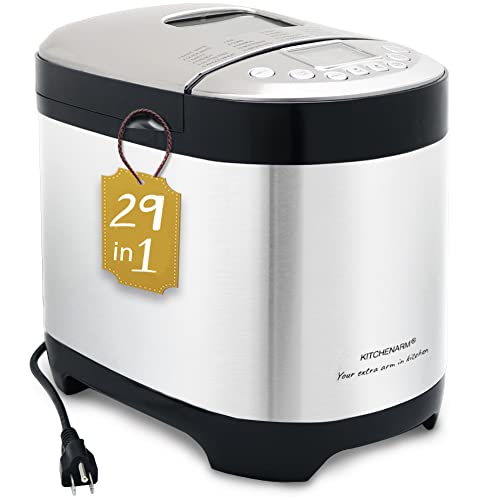
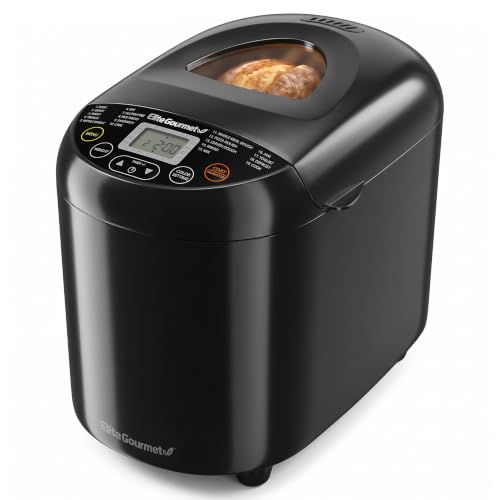
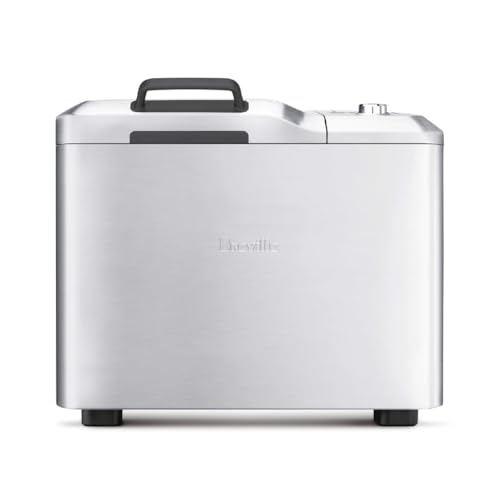
The product table compares machines across price levels, from simple 2 lb models to feature-heavy bakers with dozens of programs.






Stage One: Kneading
Everything begins with the kneading paddle. A strong motor and a well-shaped pan work the dough into a smooth, elastic ball. Weak kneading leaves flour pockets in the corners and a dense loaf. Larger pans sometimes use two paddles, which helps with heavy whole grain dough. Look for a pan that is easy to remove, because paddles can bake onto the bottom of the loaf, and a paddle that lifts out cleanly saves a messy fix.
Stage Two: Rising
The machine holds the dough at a steady, mildly warm temperature while the yeast does its work. This is where a good machine proves itself, because a stable environment gives a taller, more even rise. A viewing window and an interior light let you check the dough without lifting the lid and letting heat escape. Delay timers rely on this stage, which is why you should keep ingredients that spoil, such as fresh milk or eggs, out of overnight recipes.
Stage Three: Baking
A heating element wraps around the pan and bakes the loaf. Even baking is the hardest thing to get right in a small box. Wattage matters less than how the heat is distributed. Some models add convection fans or a more evenly placed element for a more uniform crust. Crust control, usually light, medium and dark, tunes the final color to your taste.
Stage Four: Keep Warm and Release
When the cycle ends, many machines hold the loaf warm for an hour or so. That is handy if you wake late, but a loaf left in the pan too long can turn soggy underneath. Take the loaf out soon, tip it onto a rack and let it cool before slicing. A good non-stick pan lets the loaf slide out, and a ceramic or metal pan can feel sturdier over time.
Programs That Earn Their Place
Most machines list ten to thirty programs, and you will use a handful. The ones worth having are basic white, whole wheat, a dough-only cycle for pizza and rolls, a quick cycle for when you are short on time and a gluten-free setting if you need it. Jam, cake and yogurt programs are fun extras. If you know you will bake a lot of one type, check that the machine does it well in buyer comments before you pay for extra modes.
Loaf Size and Pan Shape
Loaf size is stated by weight, usually 1 lb to 2.5 lb. A 1.5 to 2 lb loaf fits most households and gives you sandwiches plus toast. Smaller households can look for a machine with a one-pound option, so bread does not go stale. Pan shape varies: a tall vertical loaf slices into sandwich-friendly rounds, while a horizontal pan gives a more familiar shape. Choose whichever suits your usual slices.
Who Should Buy Which Machine
Occasional Bakers
A simple machine with the basic programs and a delay timer is enough. You gain freshly baked bread without a big investment or a crowded counter.
Regular Family Bakers
If you bake several times a week, pay for a stronger motor, a sturdier pan and easy cleaning. A dual-paddle option or a larger capacity helps with heavy loaves.
Special Diet Bakers
For gluten-free or low-sugar baking, a machine with a dedicated gluten-free program and adjustable settings gives you more control over ingredients.
Troubleshooting a Poor Loaf
If the loaf collapses, you probably used too much yeast or liquid, or the kitchen was warm. If it comes out dense, check the flour type and measure carefully, preferably by weight. If the crust is pale, choose a darker crust setting. Add ingredients in the order shown in the manual, because many machines expect liquids first and yeast on top of the flour.
Counter Space, Noise and Power
Bread machines are bulky, so measure the space with the lid open, leaving room for steam and for lifting the pan out. Most are fairly quiet, but the kneading phase thumps, and an overnight bake may be audible in a small home. Many models draw between 450 and 850 watts, so avoid running them on a shared circuit with other large appliances. A short, loosely coiled cord keeps the work area tidy and safe.
Ingredients That Make a Difference
Even the best machine cannot rescue stale yeast or the wrong flour. Use fresh yeast, bread flour for a taller loaf and a kitchen scale for accuracy. Keep salt away from the yeast until mixing starts, and use water at the temperature the recipe suggests. If you bake in a warm kitchen, use slightly cooler liquid, and in a cold kitchen allow the dough extra time. Small adjustments like these usually matter more than the choice between two similar machines.
If you are comparing the best bread baking machines side by side, test your top choice with a plain white loaf first, because that result shows kneading and heat better than any specialty program.
Keep a simple log of each bake: the recipe, the program, the crust setting and the result. After a few loaves you will see patterns, such as a slightly pale top or a tight crumb, and you can adjust one variable at a time instead of guessing.
Care and Cleaning
Let the machine cool, remove the pan and paddle and wash them by hand unless the manual allows a dishwasher. Wipe the inside with a damp cloth and never immerse the base. Replace a pan if the coating is scratched or peeling, and use only plastic or silicone tools.
Frequently Asked Questions
Is a bread machine worth it if I bake rarely?
It can be, if you value fresh bread and want a simple way to make it. If you bake less than once a month, think about the counter space and the cost.
What loaf size should I choose?
A 1.5 to 2 lb loaf suits most households, and a 1 lb setting suits one or two people. Check the minimum loaf size as well as the maximum.
Can a bread machine make gluten-free bread?
Many have a gluten-free program, but results depend on the flour blend and recipe. Use a recipe designed for machines.
Why did my loaf collapse or rise too much?
Too much yeast, warm water or extra liquid often causes it. Measure carefully, use room-temperature ingredients and avoid opening the lid during the rise.
Final Thoughts
The best bread baking machines knead thoroughly, hold a stable temperature for the rise and bake evenly, in a size that matches your household. Use the product table to compare capacity, programs and pan quality, and pick the machine that does the few things you bake most, rather than the one with the longest preset list.