Best Bread Making Machines: Kneading Power, Capacity and Programs for 2026
Disclosure: We may earn a commission when you buy through links on this page, at no extra cost to you. As an Amazon Associate I earn from qualifying purchases. Learn more

The best bread making machines knead strongly, hold steady heat and offer the programs you will use. Compare capacity, paddles and dough-only cycles.
The word that separates one bread maker from another is kneading. A machine that works the dough thoroughly gives you a tall, soft loaf, and one that struggles gives you a brick. For that reason, the best bread making machines are chosen on motor strength, paddle design and pan shape before anything else. This guide covers those points, then the programs and sizes that decide whether a machine suits your kitchen.
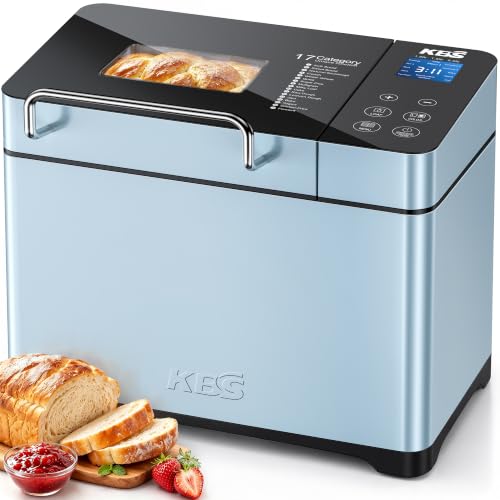
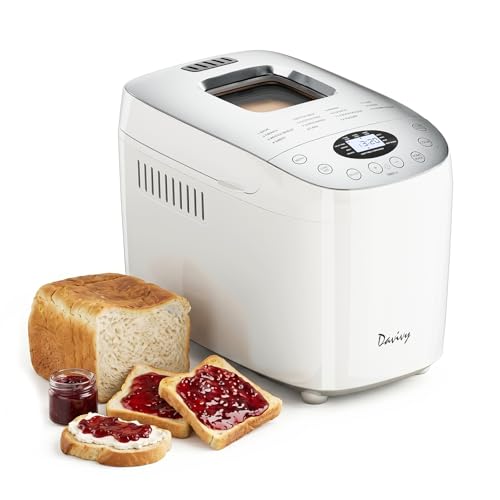
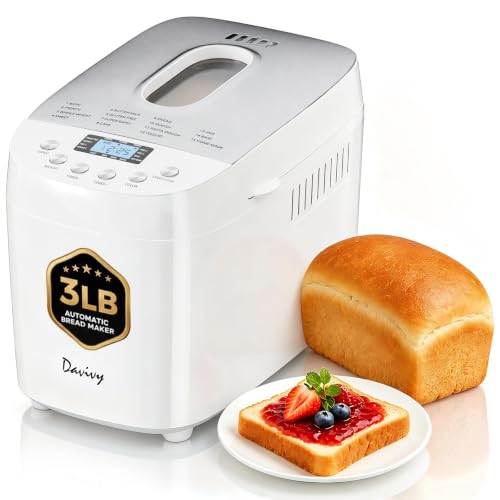
The product table lists machines with larger capacities, convection heating and more advanced kneading, so you can compare them as you read.
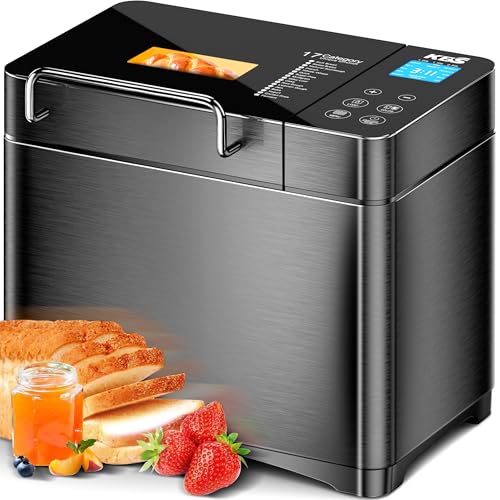


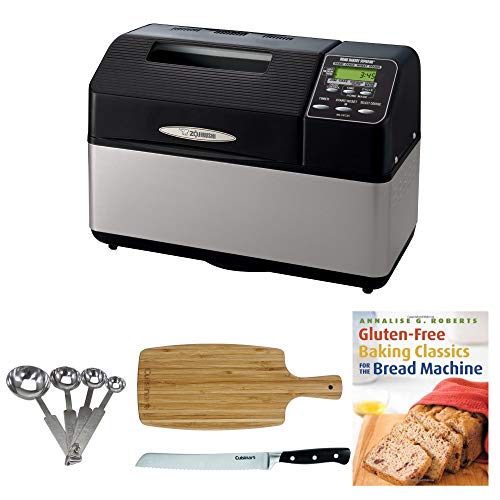
Kneading Power: The Quiet Deciding Factor
Dough is heavy, especially whole grain, rye and enriched recipes. A weak motor slows or stalls, and the machine can overheat. Look for a machine that lists its motor power or wattage, and check buyer comments about dense or wholemeal loaves, because that is where weak kneading shows up. A sturdy body that does not walk across the counter is another sign of a capable machine.
Single Paddle or Double Paddles
Single paddles work for standard loaves up to about 2 lb. Larger capacity machines of 2.5 lb and above often use two paddles, which move more dough and mix it more evenly. The trade-off is two paddle holes in the loaf, which some bakers dislike. If you often bake large or heavy loaves, two paddles are worth the extra.
Pan Shape and Coating
A vertical pan gives a tall sandwich loaf, while a horizontal pan gives the shape of a bakery loaf. Non-stick coatings make release easy, ceramic coatings are popular with buyers who want an alternative, and stainless steel pans feel sturdy. Whatever you choose, use plastic or silicone tools and replace the pan if the coating begins to flake.
Dough-Only and Other Programs
Dough is often the real reason to buy. A dough-only program kneads and lets the dough rise, then stops, so you can shape pizza bases, rolls, baguettes or pretzels and bake them in your oven. That use alone can justify the machine for many households. Other helpful programs include whole wheat, quick bread, gluten-free and jam. A delay timer lets you load ingredients at night, but keep perishable items out of long delays.
Capacity and Household Size
Loaf capacity ranges from about 1 lb to 3.5 lb. A 2 lb machine is the standard for families. Larger machines make bigger loaves or two small ones in rotation, which suits households that eat a lot of bread or like to freeze slices. If you live alone, a smaller size or a machine with a one-pound setting avoids waste.
Heating and Crust Control
Even baking depends on how the machine spreads heat. Dual heating elements or convection airflow help the top crust brown as evenly as the sides. Crust settings usually offer light, medium and dark. A viewing window and an interior light let you check the loaf without opening the lid. If crust matters to you, check buyer comments about a pale top or a burnt bottom before you decide.
Who Should Buy Which Type
Whole Grain and Heavy Bread Bakers
Pick a machine with a strong motor, two paddles and a long, gentle kneading cycle. A wide choice of whole grain programs helps.
Pizza and Roll Makers
Look for a good dough-only cycle and a pan that releases dough easily. Capacity matters less than reliable mixing and a steady rise.
Premium Bakers
Higher-end machines from established makers offer sturdier construction, more precise temperature control and better parts support. If you bake weekly for years, that durability can pay back.
What Your Budget Buys
Machines around $80 to $120 usually cover basic loaves, a dough cycle and a delay timer, with a single paddle and a lighter motor. In the $120 to $200 range you often see larger capacity, convection or dual heating and more programs. Above that, established makers add heavier construction, finer temperature control and long-lasting parts. Spend toward the top of your range only if you will bake weekly, because the difference shows most in durability and consistency.
Measuring and Ingredients
Accurate measuring is the cheapest upgrade for any machine. Weigh flour and liquids with a kitchen scale instead of using cups, since a packed cup of flour can weigh far more than a loose one. Add liquids first, then flour, then salt and sugar in separate corners, and place yeast on top in a small well so it stays dry until the kneading starts. Use bread flour for a better rise and check that your yeast is fresh. If the loaf comes out dense, the problem is usually the measurements, not the machine.
Noise, Footprint and Power
Bread makers thump during kneading and hum during baking, so consider where yours will sit. A stable, level surface keeps the machine from walking, and a non-slip mat can help. Measure width, depth and height with the lid open, and leave a few inches behind for steam and the cord. Most machines draw between 450 and 850 watts, so avoid sharing a circuit with other heavy appliances while the heating element is on.
If you compare the best bread making machines in the table, check weights as well. A heavier body usually means a sturdier frame and less vibration, though it is also harder to store in a cabinet.
Common Mistakes to Avoid
- Opening the lid during the rise, which lets heat escape.
- Using the wrong flour for the program, for example plain flour in a loaf that needs bread flour.
- Overfilling the pan, which can cause a dome that collapses.
- Slicing a hot loaf, which makes the crumb gummy.
Before the first bake, wash the pan and paddle, wipe the inside and run a short empty cycle if the manual suggests it to burn off any factory residue. Then bake a plain white loaf as a baseline. If it comes out well, you know the machine works, and you can try more demanding recipes one change at a time.
Care and Long-Term Use
Hand wash the pan and paddles as directed, check the paddles for wear and wipe the heating chamber when it is cool. Store the machine where the cord will not be damaged, and keep spare paddles on hand, since they are cheap and often the first part to wear. The pan and loaf are hot after baking, so use oven gloves and keep children clear of steam vents.
Frequently Asked Questions
Is homemade bread cheaper than shop bread?
It can be, especially for specialty loaves, although the cost of flour and energy matters. The bigger benefit is control over ingredients.
Can I make dough only in a bread machine?
Yes. A dough program kneads and rises the dough, and you shape and bake it in your own oven.
Why did my loaf collapse?
Too much yeast, too much liquid or a very warm kitchen are common causes. Measure accurately, preferably by weight.
Do I need special flour?
Bread flour gives a stronger rise than plain flour, while whole grain recipes often need extra liquid and a longer knead.
Final Thoughts
Choose the best bread making machines by how well they knead, how evenly they bake and whether the programs match what you cook. Use the product table to compare capacity, paddles and heating, then pick the model that handles your usual dough with the least fuss.