
Best Brand Binoculars for 2026: Strengths, Weak Spots and Value Compared
Disclosure: We may earn a commission when you buy through links on this page, at no extra cost to you. As an Amazon Associate I earn from qualifying purchases. Learn more

Compare the best brand binoculars by maker criteria: warranty, range depth, glass, and service, so you can choose a name that earns its price.
Dozens of names compete for your money, and the badge on the barrel tells you less than most shoppers hope. A famous maker sells weak budget models, and a quiet maker sometimes builds the sharpest glass in its price class. That is why comparing the best brand binoculars means comparing makers on evidence: warranty terms, range depth, service reach, and the glass and coatings inside the tubes. The name earns trust only when those four things hold up across the whole range, not just on one flagship model.
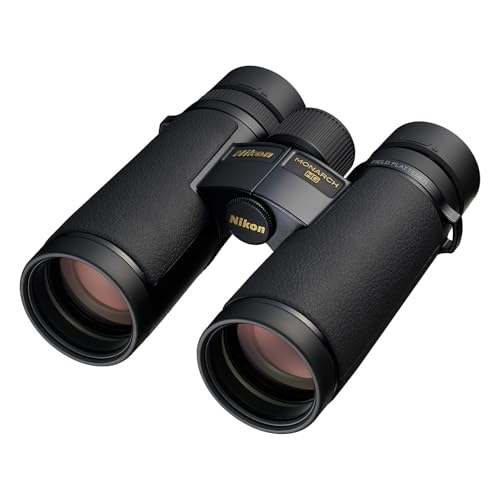
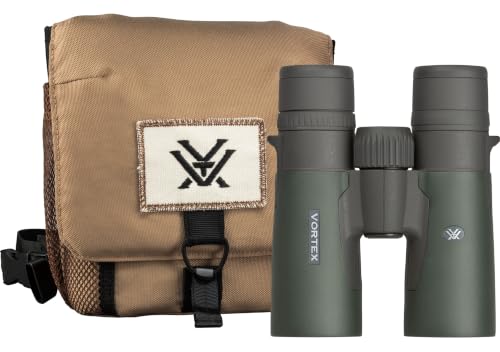
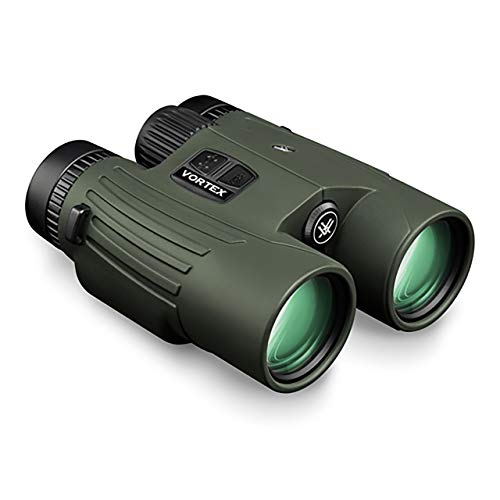
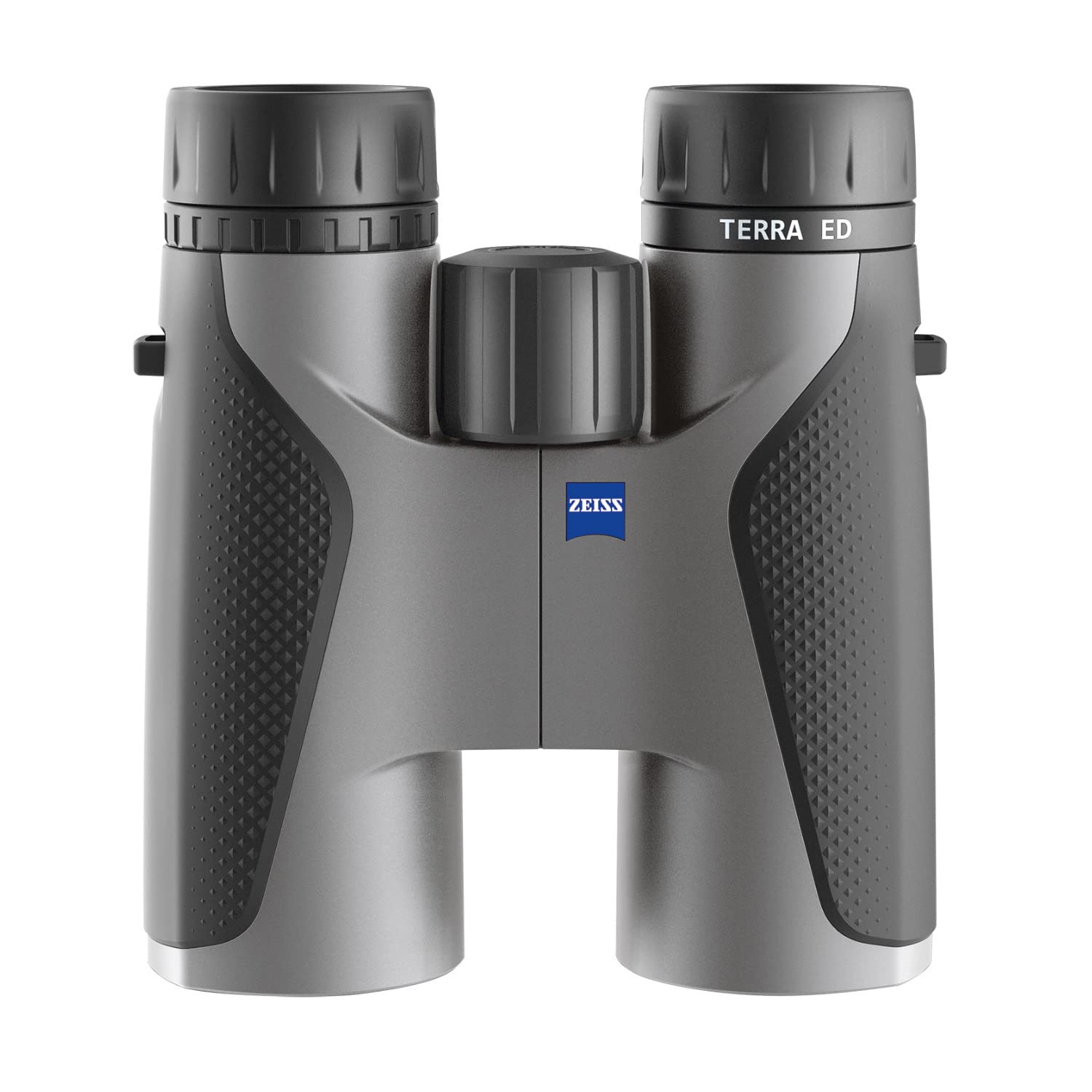
This guide compares maker classes rather than individual models, so you can see where each kind of name is strong, where it cuts corners, and what its binoculars typically cost. The comparison table below sets the classes side by side before we take the criteria one at a time.




What Makes a Binocular Maker Worth Trusting
Judge any maker by the same four tests, whether its binoculars cost about $60 or about $2,000.
Warranty Length and What It Actually Covers
A warranty is the clearest public signal of how a maker rates its own build quality. Strong makers cover defects for decades or for the life of the product, and some repair accidental damage for a set fee. Weaker coverage runs one to five years and excludes the focus wheel, hinges, and armor, which are the parts that fail first. Read the exclusions before you credit the headline term: a lifetime promise that excludes the moving parts is closer to marketing than protection, and a shorter warranty with honest terms can be the better sign.
Range Depth Across Prices
A maker with real optical depth sells binoculars at several sizes and price steps that share the same design language, so a good experience at one price predicts the next. Shallow ranges are a warning sign: a single strong model surrounded by unrelated bargain units usually means the name is licensed or bought in, not engineered in house. Range depth also protects you later, because the same maker can sell you a compact pair for travel and a full size pair for the porch without starting the search over.
Service, Repairs and Spare Parts
Binoculars live hard lives, and small parts decide whether a drop ends the product or just the weekend. Trustworthy makers run a service center in the country where they sell, stock eyecups, caps, straps, and case parts for years, and publish repair prices or turnaround times. If a maker cannot tell you where a bent eyecup gets replaced, the low purchase price is carrying a hidden cost. Ask about turnaround in plain terms before you buy, since a repair that takes a season is a replacement you did not budget for.
Glass and Coatings
Here is the point the badge cannot argue with: glass and coatings decide the view more than the badge does. Two binoculars with the same name can show very different brightness and edge sharpness when one uses better glass and full multi coating on every air to glass surface and the other does not. Makers who print their glass type and coating coverage on the box are telling you something useful. Makers who print only the magnification are telling you something too.
When two makers compete at one price, pick the one that specifies its optics.
Maker Classes at a Glance
Nearly every name in the market falls into one of four classes. The product table above sorts current models by price, and this table sorts their makers by what the name itself is worth.
| Maker Class | Known For | Typical Price Spread | Warranty Pattern |
|---|---|---|---|
| Premium optical houses | Flagship glass, fine mechanics, long production runs | about $800 to $3,000 | Very long coverage, paid accident repair |
| Full range makers | Every size and price step under one roof | about $150 to $1,500 | Long coverage on upper lines, shorter on entry lines |
| Mid range value makers | Strong glass at plain prices, simple trim | about $80 to $300 | Moderate coverage, solid parts support |
| Budget and house labels | Lowest shelf prices, borrowed designs | about $30 to $100 | Short coverage, few spare parts |
Premium Optical Houses: Strengths and Weak Spots
The premium houses build their reputation on flagship models with excellent glass, smooth focus wheels, and mechanics that still feel tight after years of use. Their service networks are the deepest, and older models stay repairable for a long time. The weak spot is price logic: the last step in sharpness costs several times more than the step before it, and the same houses sell travel compacts that trade a great deal of light gathering for size. Buy this class when you will use the binocular weekly for years, and expect to pay for the view, not the emblem.
Full Range and Mid Range Makers: Strengths and Weak Spots
Full range makers are the safe middle of the market: one name can cover a first pair, a hunting pair, and a marine pair, with warranties that improve as you climb the range. Their weak spot is unevenness, since the entry lines borrow less glass technology than the flagships. Birders lean on this tier a lot, and guides to the best brand of binoculars for bird watching show how much the mid priced full size models dominate that hobby. Mid range value makers drop the flagships and concentrate on about $80 to $300, where their glass often matches bigger names; the trade is thinner service coverage and fewer sizes.
Budget Labels and House Brands: Strengths and Weak Spots
Budget labels win on one thing only, the price on the shelf, and for a glove box pair or a borrowed pair for guests that can be enough. The weak spots stack up fast: coatings are often partial, focus wheels feel loose within a season, and spare parts rarely exist, so a small failure ends the product. Hunters on a strict budget do shop here, and the listings under best brand of binoculars for hunting show the pattern clearly, with low prices paired to short warranties. Treat this class as buy it twice pricing, and the math often points one class up.
How to Choose Between Makers
Once the class fits your budget, the specific model matters more than the name on it. Compare two or three models on glass type, coating coverage, eye relief, and weight, and let those numbers overrule brand loyalty. Star scores help only as a rough filter: the best rated binoculars lists collect opinions, and ratings are collected opinions, not measurements, so a highly rated model from a maker with no service network is still a gamble.
If your real question is what are the best brands of binoculars in one short answer, that overview is the fast version of this page. The slow version is this: pick the class, then the model, then check the warranty line by line before paying.
Frequently Asked Questions
What does 8x42 or 10x42 mean on binoculars?
The first number is magnification, so 8x makes a subject look eight times closer, and the second number is the front lens diameter in millimeters. A 42 millimeter lens gathers more light than a 32, which helps at dawn and dusk, while 10x magnifies more but shakes more and shows a narrower view. For a first all purpose pair, 8x42 is the forgiving choice, because the wider, steadier view is easier to hold on a moving bird or boat than the tighter 10x picture.
How much should a first pair of binoculars cost?
For most new buyers, about $100 to $250 from a maker with a real warranty buys glass you will not outgrow in a year. Below that band, coatings and focus quality drop sharply, and above it the gains turn gradual. One way to stretch the budget is to look for the outgoing version of a current model from the same maker, since the optics usually carry over while the price falls. Whatever you spend, budget a small amount for a harness or a better strap, because a pair you carry comfortably gets used.
Is a smartphone enough instead of binoculars?
A phone camera zooms by cropping, so distant detail turns soft and blocky long before it matches even a budget binocular. Binoculars show both eyes a real optical image with depth, which is why scanning water, treelines, or a stage feels different through glass. Phones win on sharing and on being already in your pocket. If you watch wildlife, boats, or sports from a distance more than a few times a year, a modest pair from a service backed maker is the better tool, and the phone stays free for photos of what is near.
Which binocular size is better for low light viewing?
Bigger front lenses and lower magnification give a brighter picture at dusk, so an 8x42 looks brighter than a 10x42 of the same quality, and a 7x50 is brighter still. The dividing figure is the exit pupil, the beam of light leaving the eyepiece, and around 5 millimeters suits most eyes in dim light. Glass quality still rules, though: a well coated 8x42 from a strong maker will outsee a cheap 10x50, because lost light inside poor coatings never reaches your eye at all.
Does a famous maker name guarantee a sharper binocular?
No, because every large maker sells several quality levels under one name, and the budget lines share little with the flagships beyond the logo. Sharpness comes from the glass, the coatings, and how well that individual unit was aligned at the factory. That last point is the one shoppers miss: single units vary, even from top makers, so buy from a seller with a simple return path and check your pair on a distant sign or roofline in the first days, while swapping it is still easy.
Final Thoughts
Trust is earned in the warranty text, the parts drawer, and the glass, in that order. Start with the maker class your budget allows, then choose the model on optics and fit, and let the best brand binoculars be the ones whose makers stand behind them longest. Check the product table above for current models in each class, and remember that a mid priced pair from a maker with deep service will outlast a famous badge with none.


