
Best Broadheads for Fast Crossbows in 2026: Matching the Right Model to Your Routine
Disclosure: We may earn a commission when you buy through links on this page, at no extra cost to you. As an Amazon Associate I earn from qualifying purchases. Learn more

Learn how to choose the best broadheads for fast crossbows by comparing weight, blade design, accuracy, and safety for your bow, target, and game.
Speed changes everything about broadhead choice. A head that flies true from a moderate bow can plane, open early, or break apart when a fast bow drives it past 400 feet per second. The best broadheads for fast crossbows for your setup depend on your bolt weight, your game, and how you practice, not on cutting diameter alone. This guide matches types and specs to real hunting routines so your arrows group where your field points do.
The product table summarizes weights, blade styles, and prices. Read it with your bow speed and total bolt weight in mind, because those two numbers rule out more options than any other detail.


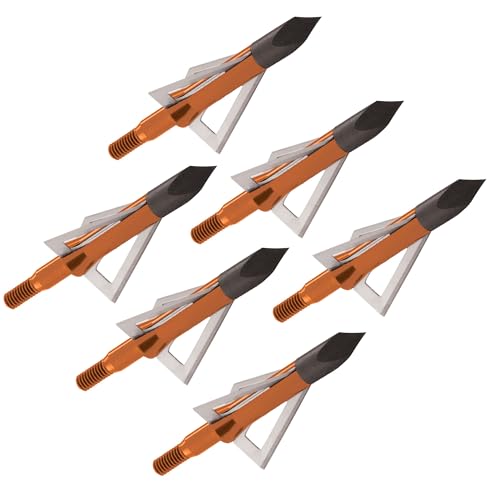
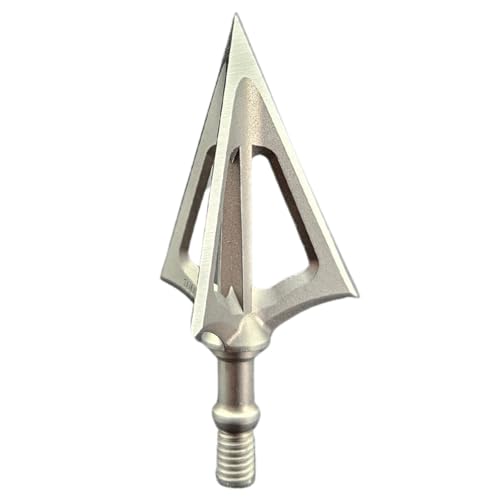
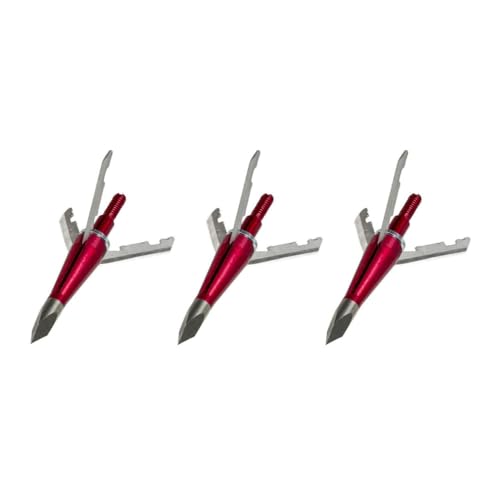

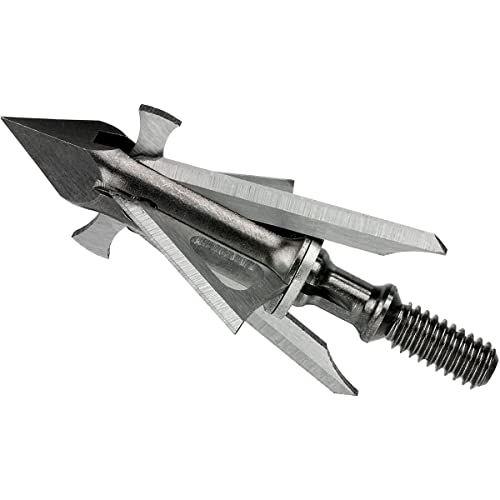

Who Should Buy Which Broadheads?
For First Time Buyers
For the best broadheads for fast crossbows, first time buyers should start with a fixed blade or a crossbow rated mechanical head in the same weight as their field points, usually 100 or 125 grain. Simplicity matters, because fewer moving parts mean fewer surprises at high speed. Practice with matching practice heads or a dedicated target before the season, and confirm your groups at your real hunting distances. A modest head that flies exactly with your field points beats a dramatic head that groups six inches away.
For Gift Shoppers
Gift buyers should ask two questions before spending: what bow speed and what bolt setup does the hunter use? A head that is not rated for fast crossbows makes a poor gift, however impressive the packaging looks. Choose widely compatible weights, include a rigid storage case if the set lacks one, and keep the receipt, because hunters often need to exchange weight or style. Good warranty and easy returns matter more here than a small price saving.
For People Who Want the Best Performance
Performance focused hunters gain most from precision: tight weight tolerance between heads in a pack, strong ferrules, and blades that stay put until impact. At high speed, small wobble grows fast, so spin testing each mounted head and rejecting any that wobble pays off. Premium heads can offer tougher steel and better edge retention, which helps on larger game. The gain is real only when paired with a tuned bow, matched bolts, and regular practice at varied distances.
For Value Seekers
Value seekers should count cost per season, not cost per pack. A cheaper head that bends its ferrule or loses blades on the first target session is no bargain, while a mid priced head with replaceable blades can serve for several animals and many practice shots. Buy enough heads from the same pack style to cover hunting plus practice, because mixing old and new designs in one quiver creates confusion. Replaceable blade kits often cost less than full new heads and keep flight consistent.
Key Features to Compare
Warranty and Customer Support
Broadheads are consumable hunting gear, so warranties usually cover defects rather than damage from rocks, trees, or lost blades after a shot. Still, a maker that answers questions about speed ratings and replacement blades is worth favoring. Keep packaging and order details until after your first practice session, because that is when a bent ferrule or a head that will not spin true shows up. Support that can confirm compatibility with your exact bow speed saves returns and guesswork.
Price vs Value
Budget packs under around $25 can suit practice heavy hunters who accept softer steel and more frequent blade changes. Mid range packs around $25 to $45 usually bring better weight consistency, stronger ferrules, and replaceable blades. Premium packs above around $45 may use harder steel and tighter tolerances that show up in grouping at longer range. Judge value by how many heads in the pack actually spin true and match weight, because one unusable head raises the real price of the rest.
Intended Use and Who It Is For
Match the head to the game and the shot you realistically take. Deer size game at woodland distances suits most crossbow rated designs, while larger game or longer shots demand stronger fixed blades and heavier total bolt weight for penetration. Ground blind and treestand hunters face different shot angles, which affects how much cutting diameter you can use without losing penetration. Check your local hunting regulations before the season, because some areas restrict mechanical heads or set minimum cutting and weight rules.
Features That Matter for Fast Crossbows
Fast bows need heads explicitly rated for crossbow speeds, with blade retention strong enough that mechanical blades stay closed in flight at 400 feet per second and beyond. Short, compact ferrules and swept blade profiles generally steer less in wind than large vented fixed blades. Total bolt weight matters too: many fast bows settle and penetrate better with total bolt weights in the mid 400 grain range and up, using 125 grain heads where maker guidance allows. Always follow your bow maker minimum bolt weight, because shooting too light can damage the bow and void support.
For practice planning, our guide to the best broadhead target for crossbows explains why foam rated for broadheads saves blades and targets. If you lean toward mechanical designs, our guide to the best expandable broadhead for crossbows covers retention systems in depth. Our guide to the best weight broadhead for crossbows walks through grain choice and bolt balance, while bow specific notes appear in our guide to the best broadheads for tenpoint crossbows and our guide to the best broadheads for parker crossbows.
Common Mistakes to Avoid When Buying Broadheads
- Choosing by cutting diameter alone: A very wide head can plane at high speed and lose penetration. Flight accuracy comes first, always.
- Ignoring warranty and support: You need replacement blades and clear speed ratings. A seller who cannot confirm either is a risk.
- Mixing weights in one quiver: A 100 grain and a 125 grain head fly differently. Pick one weight, sight in for it, and stay with it.
- Skipping practice with the real style: Field point accuracy does not guarantee broadhead accuracy. Practice with practice heads or a sacrificial head before opening day.
- Handling heads carelessly: Broadheads are razor sharp even in the pack. Carry them in a case, use a broadhead wrench, and keep them away from children at all times.
Care and Maintenance Tips
Read the maker instructions before first use, especially for mechanical heads where blade seating and retention bands or collars must sit exactly as designed. Clean and inspect every head after practice or a shot, checking blade edges, ferrule straightness, and thread condition, and replace dull or bent blades rather than trying to hunt with them. Store heads in a rigid case in a dry place so edges stay keen and safe. A know how point that protects accuracy is to spin test each head on its bolt after any hard impact, because a slightly bent ferrule will wobble and pull that bolt off group even when the blades look fine.
Broadheads: Your Questions Answered
What features matter most in broadheads for fast crossbows?
A clear crossbow speed rating matters most, followed by secure blade retention and tight weight consistency across the pack. At high launch speeds, small balance flaws grow into large misses, so compact profiles and strong ferrules earn their place. Confirm the head weight matches your sight in weight, and spin test every mounted head. A head that wobbles on the bolt should be fixed or set aside, never hunted with and hoped for the best.
What features matter most when buying broadheads?
Accuracy with your own bow, blade strength, and penetration suited to your game matter more than headline cutting size. Look for sharp blades out of the pack, a ferrule that aligns cleanly with your bolt insert, and a supply of replacement blades you can actually buy later. Consider how the head behaves after the shot too, because pass through performance and a clear blood trail depend on edges staying intact through the animal.
Are expensive broadheads worth it?
They can be, when the price buys harder steel, tighter weight tolerance, and ferrules that survive bone contact and target practice. For short range hunting on deer size game, a sound mid range head that flies true is often enough. The real test is your own grouping and inspection after practice: a pricey head that wobbles is worth less than a modest head that spins perfect and holds its edge through a full practice block.
How much should I spend on a broadhead?
Most hunters do well with packs around $25 to $45, buying enough heads for hunting plus dedicated practice use. Budget for replacement blades and a suitable target as part of the true cost, because dull practice blades and ruined foam add up. Spending far more helps mainly when you hunt larger game or shoot longer distances where steel quality and tolerance show. Never stretch the budget by hunting with dull or damaged heads to save money.
How do I maintain a broadhead?
Keep edges dry, clean, and protected in a case, and touch them as little as possible for both sharpness and safety. After use, wash away dirt with care, dry fully, and inspect under good light for nicks, bends, and loose blades. Replace blades that are dull or damaged rather than sharpening thin mechanical blades at home, which rarely restores the factory angle. Store the case out of reach of children and separate from loose gear that can strike the edges.
How long does a broadhead last?
A ferrule in good condition can last several seasons, while blades are the short life part and may need replacement after one animal or a few target sessions. Hitting bone, soil, or rocks shortens life at once, so inspect after every shot rather than counting seasons. Retire any head with a bent ferrule or cracked parts, because a damaged head risks poor flight and a wounded animal, which no saving justifies.
Wrapping Up
Put flight accuracy, speed rating, and the right grain weight ahead of cutting diameter, and practice with the style you will hunt with. The product table helps you compare those essentials quickly. With that discipline, your search for best broadheads for fast crossbows ends with a setup that groups with your field points, penetrates as your game requires, and keeps you, your hands, and everyone at camp safe through the season.


