
Best Brand of Binoculars for Hunting: Reliable Models for 2026
Disclosure: We may earn a commission when you buy through links on this page, at no extra cost to you. As an Amazon Associate I earn from qualifying purchases. Learn more
Compare the best brand of binoculars for hunting side by side: who leads on quality, who offers the best value, and which brand fits your needs and budget.
A hunting binocular lives a hard life. It rides in a chest pack through rain, knocks against truck doors, and has to resolve an antler tip in gray light during the last ten minutes of legal shooting time. Brand reputation in this world is earned through fogged lenses that never happened and warranties that actually got used. This guide to the best brand of binoculars for hunting weighs durability, low light glass, and service support so you can buy once and hunt for years. Use the comparison table below to line up prices and formats as you read.
You will learn which makers suit western spot and stalk hunts, eastern treestand sits, and tight budgets, plus the checks that separate a strong model from a famous logo.




How to Judge the Best Brand of Binoculars for Hunting
Start with three questions. Does the brand build for weather and rough handling, or mainly for fair weather hobbies? Does its warranty cover real field accidents, and can you reach a service center in the United States? Does it offer the formats hunters actually use, from compact 8x32 glass for thick timber to 12x50 glass for open country? The makers below earn their place by answering those questions well.
Features That Matter for Hunting
Hunting glass needs to be waterproof and fog proof, because a cold morning walk followed by warm breath will fog an unsealed binocular from the inside. Rubber armor that absorbs knocks, a focus wheel you can turn with gloves, and light gathering glass for dawn and dusk all matter more than raw magnification. Most hunters choose 8x42 for the woods or 10x42 as an all round format. If whitetail cover is your world, our guide to the best binoculars for deer hunting explains why lower magnification often wins in thick timber.
Glass Quality and Twilight Performance
Like cameras, binoculars are often judged by the wrong number. There is no sensor and no megapixel count here. Brightness at twilight comes from objective lens size, glass quality, and coatings that move light through the prisms instead of scattering it. Extra low dispersion glass keeps edges clean on a skyline buck, and fully multi coated lenses help you separate brown hide from brown brush. A brand that publishes its coating and glass details for every model, including the cheap ones, is showing you its work.
Power and Electronics in Rangefinding Models
Most hunting binoculars need no battery at all, which is a real advantage on a week long backcountry trip. Rangefinding models are the exception, and they usually run on a single lithium cell that lasts for thousands of range readings. Check how the display behaves in bright sun and in shade, whether the battery door seals against rain, and whether the unit still works as a plain binocular when the cell dies. Brands that publish honest battery life figures and sell spare caps and covers earn trust here.
Top Brand Profiles at a Glance
These profiles describe each maker in general terms: its reputation, typical price band for hunting lines, and the hunter it suits best. Use them to build a short list, then judge the exact model with the standards above.
Vortex Optics: The Warranty Benchmark
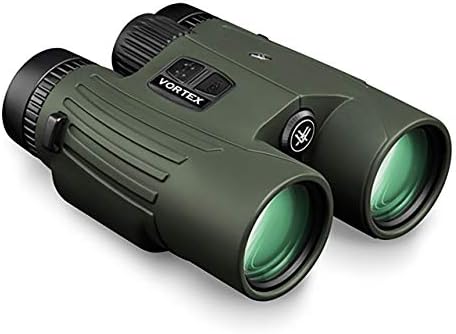
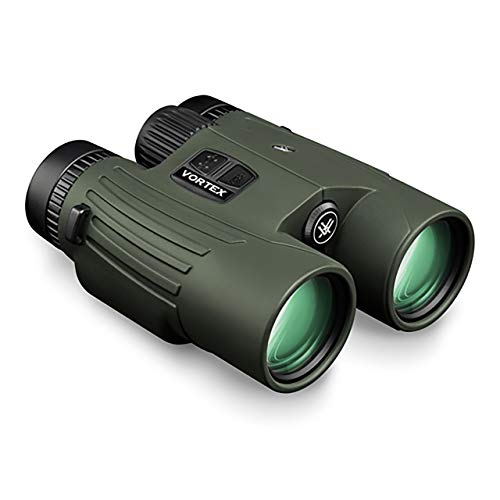
Vortex is the brand many hunters name first, largely because its lifetime warranty covers accidental damage with a simple service process in the United States. Hunting lines span about $100 to $600 for standard models, with rangefinding models costing more. Glass at the entry tiers is good for the price, though the edges can soften in cheap models. Vortex suits hunters who actually knock their gear around and want the repair conversation to be painless when something breaks in season.
Leupold: American Hunting Heritage
Leupold built its name on rifle scopes in Oregon, and its binoculars carry the same design language: rugged bodies, strong low light performance, and controls that work with gloves. Prices for hunting models commonly run about $300 to $1,000. The company supports a wide dealer network, which helps if you want to handle glass locally before a season opens. Leupold suits hunters who want one dependable brand across their optics and who value American service and a long track record.
Steiner: Rugged Builds for Harsh Weather
Steiner is a German maker known for binoculars built to military style toughness, with thick armor and a reputation for surviving drops, boat decks, and bad weather. Many of its hunting models use fixed focus or fast focus systems that some hunters love and others dislike, so handle one before buying. Prices often run about $300 to $1,200. Steiner suits coastal hunters, guides, and anyone whose gear gets wet and dirty often enough that durability outranks fine optical polish.
Bushnell: The Budget Workhorse
Bushnell appears in more hunting camps than any premium name, because its binoculars are sold everywhere and priced from about $60 to $400. The better models in its hunting lines give a clear, waterproof view that covers most eastern hunting without strain. Model names change often and quality varies by line, so shop the specific model rather than the badge. Bushnell suits new hunters, camp spares, and loaner glass for guests. Shoppers watching costs should also see our guide to the best inexpensive binoculars for hunting for the features worth keeping at low prices.
Athlon Optics: Value With Strong Specs
Athlon is a newer value brand that competes by publishing full spec sheets, including coatings and glass type, at prices from about $150 to $500. Owners often praise the clarity for the money and the responsive warranty support. The trade offs are a shorter track record and fewer local dealers, so most buyers order online and rely on returns if the fit is wrong. Athlon suits hunters who read spec sheets carefully and want midrange performance without paying for a heritage name.
Zeiss: Premium Glass for Serious Glassing
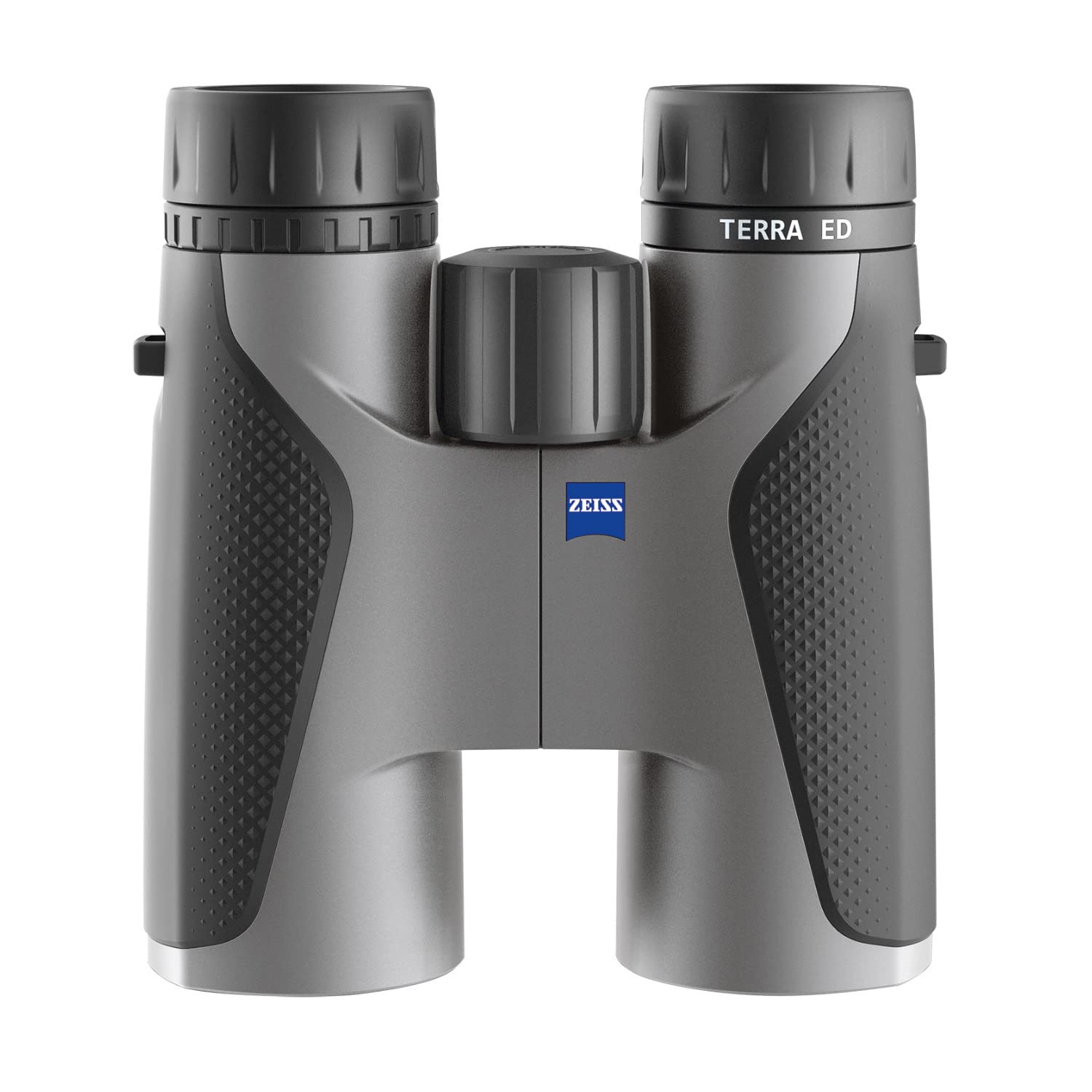
Zeiss brings premium European optics to hunting, with binoculars that excel during long glassing sessions in big country, where contrast and comfort decide whether you spot bedded game. Prices commonly run about $1,000 to $2,500. The optical gains over midrange glass are real but subtle, showing most at twilight and at long range. Zeiss suits western hunters and outfitters who spend hours behind glass each day of the season. Readers comparing makers broadly can also browse our overview of the best binoculars brands across all outdoor uses.
Once you pick a maker, protect your choice in the field: our guide to the best binoculars harness for hunting covers the chest packs that keep glass close, quiet, and safe from brush.
How to Choose Between Brands
A brand name should break ties, not make the decision. Start with the model: the format, weight, eye relief, and focus feel that match your style of hunting. Then weigh the warranty, because terms differ sharply, from limited one year coverage to lifetime no fault service. Read owner reports from hunters in your region, since a service center that shines for a western guide may be slow during your short eastern season. Confirm the seller is an authorized dealer so the warranty applies in the United States. If two models still tie, pick the brand with the clearer repair path and the dealer you can drive to. Model by model comparisons in our guide to the best rated binoculars for hunting can help you settle that final choice.
FAQs
Is a smartphone enough for hunting instead of binoculars?
No. A phone cannot give you a steady, magnified view for judging an animal at distance, and using a rifle scope to look at movement is unsafe. Binoculars let you identify game, other hunters, and obstacles long before any shot is possible. A phone still earns its place for maps, wind checks, and landowner boundaries. Think of the two as partners, with the binocular doing all of the actual glassing work.
What specs matter most for beginner hunters?
Choose an 8x42 or 10x42 format, waterproof and fog proof construction, and fully multi coated lenses. Eye relief of 15 mm or more matters if you wear glasses. Weight near 25 ounces keeps the pair comfortable on a harness all day. Close focus matters less for hunting than for birding, so do not pay extra for it. Above all, buy from a brand whose warranty you have actually read, since beginners drop and soak gear more than anyone.
What does 8x42 or 10x42 mean on hunting binoculars?
The first number tells you magnification, so 10x makes a deer appear ten times closer. The second number is the objective lens width in millimeters, and wider lenses gather more light for dawn and dusk. A 10x42 is the common all round hunting choice, while an 8x42 gives a wider, steadier view in thick cover. Bigger numbers are not automatically better, because every step up in magnification also magnifies the shake in your hands.
Which binocular format is better for low light?
An 8x42 is generally better in low light than a 10x42 of the same quality, because the lower magnification delivers a larger exit pupil and a brighter looking image at dawn and dusk. A 10x50 gathers even more light and helps in open country, at the cost of extra weight. Coating quality matters as much as size, so a well coated 8x42 from a careful brand can beat a cheap 10x50 once the sun drops.
How much should I spend on my first hunting binocular?
About $200 to $400 buys a first binocular that most hunters keep for a decade. In that band you get real fog proofing, decent twilight glass, and a warranty worth the paper. Under about $100, expect dim edges and weak seals. Premium glass above $1,000 pays off mainly for hunters who glass for hours in big country. Spend the savings from a midrange choice on a good harness, tags, and time in the field.
The Bottom Line
One safety habit belongs in every brand decision: use your binoculars, never your scope, to check movement, and confirm your target and what lies beyond it before any shot. Beyond that, choose the model that fits your cover and your light, then let warranty and service record settle the brand question. Look back at the product table above to compare current lines, and pick the best brand of binoculars for hunting for your season and your country with confidence.


