Best Braille Watches: Everything to Know Before Your First Purchase for 2026
Disclosure: We may earn a commission when you buy through links on this page, at no extra cost to you. As an Amazon Associate I earn from qualifying purchases. Learn more

Shopping for the best braille watches for the first time? Learn the terms, compare tactile and talking styles, and avoid common mistakes with this guide.
Buying your first tactile watch can feel like learning a new language, with raised dots, opening lids, talking models, and vibrating models all competing for your attention. The best braille watches are not the most expensive ones. They are the ones you can read quickly, wear comfortably all day, and set without help. This guide starts with the basics, explains each key feature in plain language, and ends with the mistakes first time buyers most often make. The comparison table below puts the main styles side by side.
Give yourself a little patience. Reading time by touch is a skill, and most people get much faster within the first few weeks of daily wear.
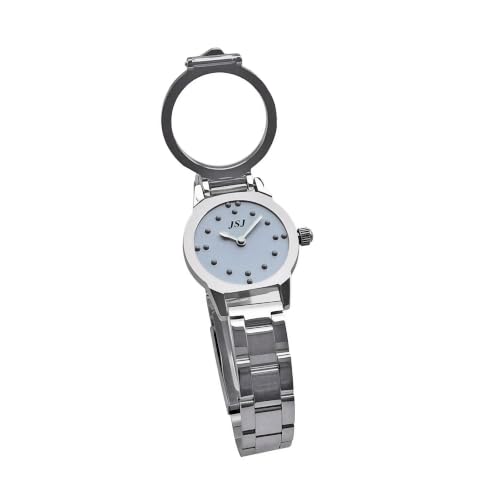
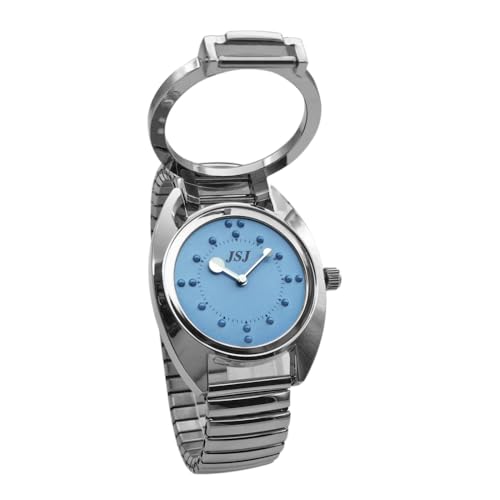
Braille Watches 101: The Basics
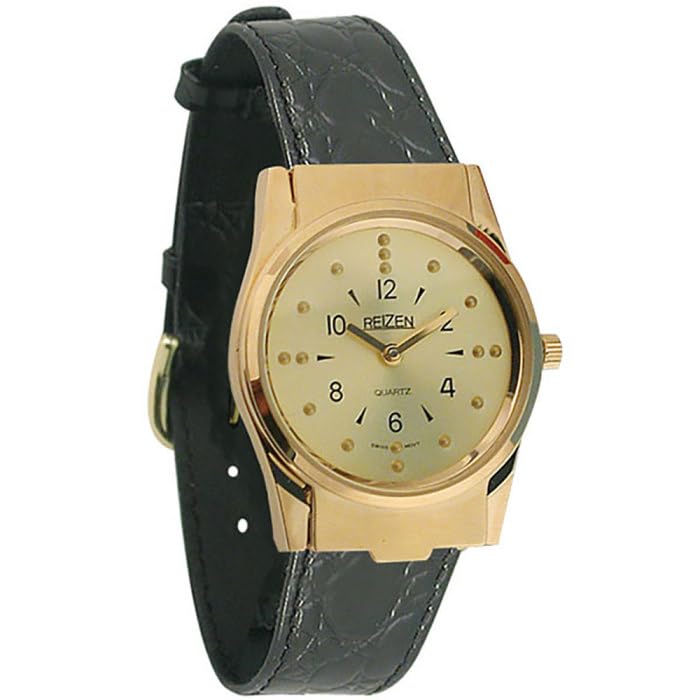
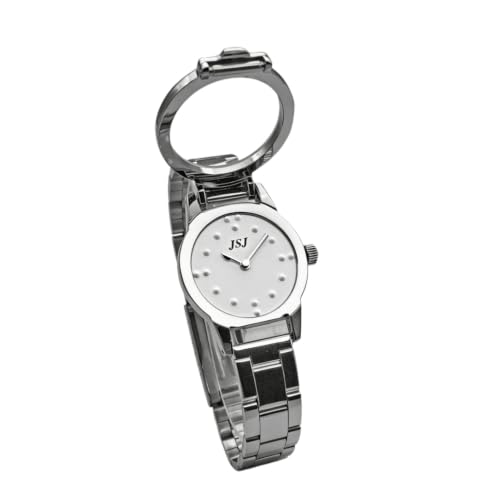
A braille watch, also called a tactile watch, lets you tell the time by touch instead of sight. On the classic design, the crystal or lid flips open and you feel raised markers around the dial. A longer raised mark usually sits at twelve, with distinct marks at three, six, and nine, and smaller marks for the other hours. The hands are built sturdier than on a standard watch so they do not bend when you touch them gently.
Modern designs vary. Some use raised dots on a fixed open face, some use two small ball bearings that move in tracks, and talking watches speak the time aloud at the press of a button. None is best for everyone. Open face designs read fastest once you know them, lid designs protect the markers, and talking models help when your fingers are busy or sensitivity in your fingertips is reduced.
Key Features Explained in Plain English
Movement Type: Quartz, Talking, and Vibrating
Most tactile watches use a quartz movement, which runs on a small battery and keeps time accurately with almost no upkeep. That is the sensible default for a first purchase. Talking models add a small speaker and voice chip, so battery changes come more often and the case tends to be thicker. Vibrating models signal the time through pulses on your wrist, which suits meetings and quiet settings. Fully mechanical tactile watches exist but cost much more and need periodic servicing, so they are rarely the right first step.
How You Read It: Lid, Open Face, and Marker Style
This is the feature that decides your daily experience. A hinged lid keeps markers safe in a pocket or bag but adds a step every time you check the time. An open face with raised dots reads in one touch, which many people prefer at work or school. Check how distinct the hour markers feel from one another, because similar feeling dots slow you down. Strong contrast printing on the dial also matters if you have partial sight, since many buyers use touch and remaining vision together.
Water Resistance Rating
Water resistance is measured in meters, but the number does not mean you can dive to that depth. A rating of 30 meters usually means the watch handles splashes and rain only. At 100 meters, swimming is normally fine. For a tactile watch, the seal around the lid or crystal is the weak point, so even a rated model should be kept out of hot showers, where steam slips past gaskets. If you swim daily, confirm the rating in writing and expect to replace gaskets at battery changes.
Strap and Bracelet Options
The strap decides comfort more than the case does. Leather feels warm and dresses up well but wears out faster with daily use and water. Metal bracelets last for years and can be sized precisely, though they add weight. Silicone and fabric straps are light, washable, and good for active days. Look for quick release spring bars, which let you swap straps with your fingernails instead of tools. If you use the best workout watches for exercise already, a washable strap on your tactile watch keeps both routines simple.
Case Size and Crystal Materials
Case size is the width across the dial, and it shapes both comfort and how easy the markers are to feel. Cases around 35 to 40 millimeters suit many wrists and leave room for clear markers, while very small cases can crowd the dial. The crystal, the clear cover over the dial, is often acrylic on lid models because it is light and resists shattering, while mineral glass resists scratches better. On open face designs there may be no crystal over the markers at all, which makes marker material and build quality even more important.
Legibility and Style for Partial Sight
If you have low vision rather than total blindness, dial design matters as much as touch. Large numerals, a plain background, and a strong contrast between hands and dial make quick glances useful. Some models add bright markings that show up well in dim light. Style counts too, because a watch you enjoy wearing is a watch you will use. Slim cases with clean dials suit office wear, while chunkier cases with fabric straps fit casual days. Shoppers comparing the best quality watches in general will find the same rule applies here: build quality you can feel beats decoration.
Rookie Mistakes to Avoid
- Choosing by looks alone. A handsome dial with faint, similar feeling markers will frustrate you every day, so judge the touch experience first.
- Ignoring case thickness. Talking models can be thick, and a tall case catches on cuffs and feels clumsy on a smaller wrist.
- Skipping the return policy. You cannot know how markers feel until the watch is on your wrist, so buy where returns are easy.
- Forgetting battery access. Some cases need a jeweler for every battery change, which adds cost and leaves you without the watch for days.
- Pressing the hands too hard. Heavy pressure while learning can shift the hands, so a light touch from the start protects accuracy.
Getting Started: Setup and First Use
When your watch arrives, set the time with sighted help or a talking clock, then practice reading it at quiet moments at home. Rest your fingertip lightly at the center and move outward, finding the hour hand first, then the minute hand. Short practice sessions several times a day work better than one long session. Learn how the lid hinge or crown feels so you can operate both without looking.
For upkeep, wipe the dial gently with a soft dry cloth, and rinse the strap, not the case, after heavy sweat or salt water exposure. Keep the watch away from strong magnets, which can disturb a quartz movement. Expect a battery to last about one to two years, less on talking models, and ask the seller about service costs before you buy, because specialist repairs can take weeks.
Frequently Asked Questions
Quartz or automatic: which is better for a tactile watch?
Quartz is better for almost every first time buyer. It is accurate, affordable, and keeps running without winding or wrist motion, which matters when the watch sits in a drawer some days. An automatic movement adds cost, thickness, and a service bill every five to seven years. Choose automatic only if you love mechanical watches for their own sake and accept the upkeep as part of the hobby.
What case size fits my wrist?
Measure your wrist with a soft tape where the watch will sit. Wrists under about 6.5 inches usually suit cases of 34 to 38 millimeters, while larger wrists can carry 40 millimeters and above comfortably. The lugs, the parts holding the strap, should not hang past the edges of your wrist. When in doubt, pick the smaller size, because tactile markers stay easy to feel even on a modest dial.
How water resistant should a braille watch be?
For daily wear, splash resistance is enough if you take the watch off to swim and shower. A 30 meter rating covers rain and hand washing. If you want to swim with it, choose a model rated at 100 meters with a sealed design and no hinged lid over the dial. Whatever the rating, dry the watch with a soft cloth after it gets wet, and have the seals checked when the battery is changed.
Is a talking watch worth it over a classic tactile watch?
A talking watch is worth it if your fingertip sensitivity is reduced or you often check the time with your hands full. The trade offs are a thicker case, shorter battery life, and a voice that others nearby can hear. Many owners keep both, using the tactile watch as the daily default and the talking model at home. If you want one watch only, decide which reading method you will still enjoy on a busy, noisy day.
How long does a watch battery last?
A standard quartz tactile watch usually runs one to two years on a battery, while talking models may need a fresh battery every year or sooner with heavy voice use. Signs of a fading battery include the second hand jumping in steps or the voice sounding weak. Budget for professional changes if the case back needs special tools, and keep a simple backup way to tell time during the change.
Final Thoughts
Start with the reading method, then case comfort, then battery and service costs, and you will avoid nearly every first purchase regret. Shoppers who also browse the best watches for guys will see that fit and build matter in every category, and tactile watches are no different. Look back at the product table above, narrow your choice to the style that matches your day, and pick the best braille watches option you can read with confidence in under a few seconds.