
Best Brad Point Drill Bit Sets Buying Guide 2026
Disclosure: We may earn a commission when you buy through links on this page, at no extra cost to you. As an Amazon Associate I earn from qualifying purchases. Learn more

Learn how to choose best brad point drill bit sets with confidence. Compare types, features, fit, and care so you pick an option that suits your space,.
Brad point bits are the right choice when a hole in wood has to be clean and exactly where you marked it. The best brad point drill bit sets cover the sizes you actually use, keep a sharp centre point and cutting spurs, and come in a case that keeps every bit easy to find. This guide explains how brad point bits work, what to check in a set, and how to get tidy holes every time.
The product table below gives a quick overview of current sets. Use it as a shortlist, then compare each one with the points that follow.


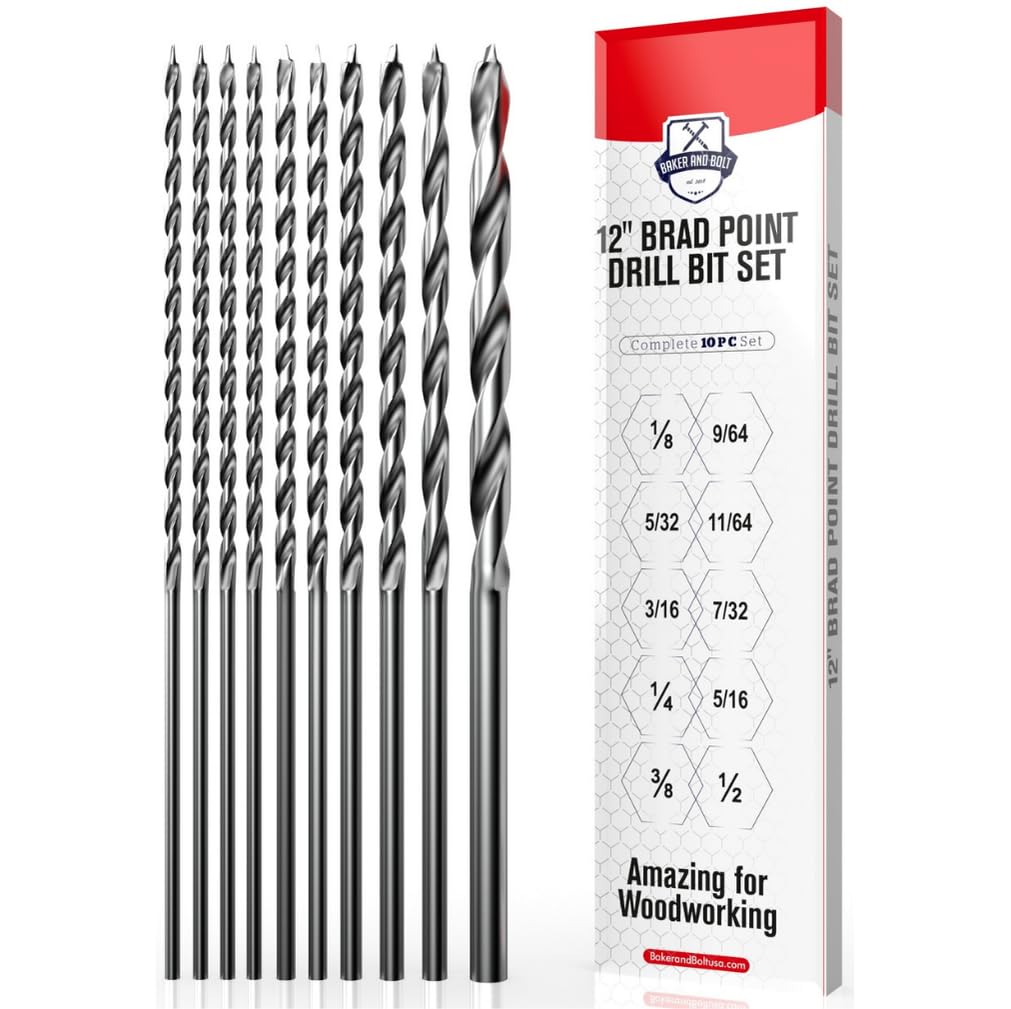


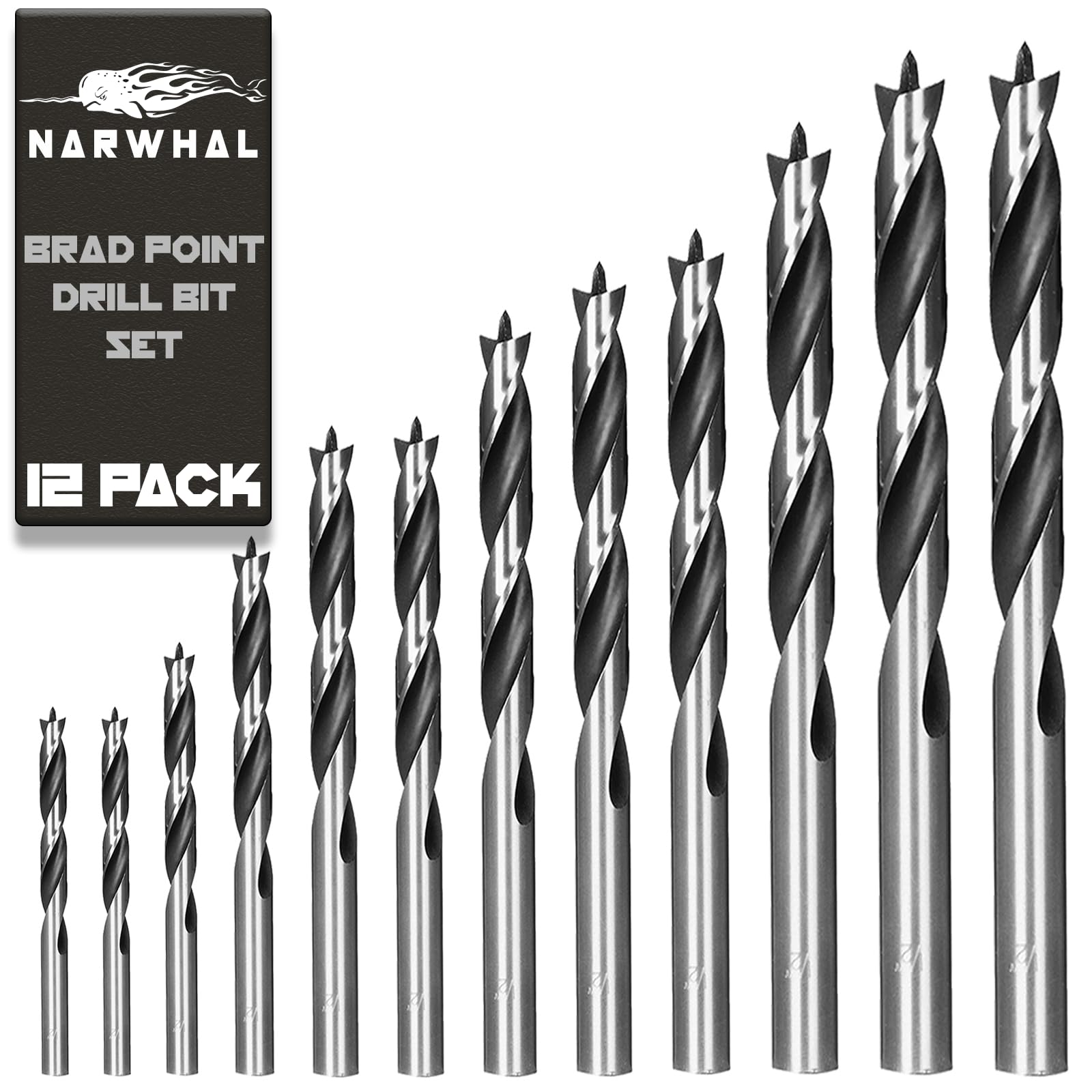

How Brad Point Bits Work
A brad point bit has a sharp pointed tip in the centre and two raised spurs at the outer edge. The centre point sits in your pencil mark and stops the bit from wandering. The spurs score the wood fibres before the flutes lift out the waste, which leaves a crisp edge instead of a ragged one. That is why these bits are preferred for dowel holes, shelf pin holes, hinge holes, and any visible woodwork.
Standard twist bits are made for general drilling and can skate across a wood surface before they bite. Brad point bits are made for wood and soft plastics, not for metal or masonry, so use bits designed for those materials when you drill them.
Types of Sets
Basic Homeowner Sets
These cover common sizes for shelves, hinges, and simple joinery. They suit occasional woodwork and general home projects, and they are the most affordable way to get clean holes.
Extended Workshop Sets
These add smaller and larger sizes for varied projects. They suit regular woodworkers who drill dowel holes, shelf pins, and hardware holes often and want every common size on hand.
Professional Grade Sets
These use higher quality steel and sharper spurs. They suit fine furniture work and anyone who drills many holes and needs long edge life. They cost more, but they stay sharp longer and need fewer replacements.
| Set Type | Typical Sizes | Best For |
|---|---|---|
| Basic homeowner | About 3 mm to 10 mm | Shelves, hinges, repairs |
| Extended workshop | About 3 mm to 13 mm or more | Dowels, shelf pins, hardware |
| Professional grade | Wide range, often in fractions | Fine furniture and daily use |
What to Check in a Set
- A sharp centre point that starts exactly where you mark.
- Clean cutting spurs that reduce tear out on the surface.
- A shank that fits your drill chuck securely. Some sets use a hex shank for impact drivers.
- A case that keeps sizes organised, labelled, and protected.
- Steel that holds an edge, such as high carbon steel or a good alloy, with a smooth, polished flute.
Match bit sizes to your common dowels, shelf pins, and screws. Check whether the set uses metric, imperial, or both, and choose the system your projects use. A set with many rarely used sizes looks impressive but adds cost and clutter.
Drilling Technique for Clean Holes
Mark the spot with a pencil or a small punch so the centre point seats firmly. Drill at a moderate speed, since smaller bits can spin faster than larger ones. Let the spurs cut, apply steady light pressure, and back the bit out now and then to clear chips. Pushing hard or drilling too fast causes burning and wandering.
To prevent tear out where the bit exits, clamp scrap wood behind the workpiece. For blind holes of a set depth, wrap a piece of tape around the bit or use a depth stop collar. Always clamp small pieces before drilling and wear eye protection.
Care and Sharpening
Store bits dry and in their case so the sharp spurs are protected. Wipe off resin with a soft cloth and a little mineral spirits, and avoid dropping bits on concrete, which can chip the spurs. A dull bit forces you to push harder, which causes heat and torn holes. Sharpen the spurs carefully with a fine file or stone, or replace small, inexpensive bits.
Common Projects and Sizes
Shelf pin holes are usually 5 mm or 1/4 inch, so a set that includes those sizes pays for itself on cabinet work. Dowel joints commonly use 6 mm, 8 mm, or 10 mm dowels, and a matching bit gives a snug fit with a dab of glue. Cabinet hinges often need a larger bore, which is where an extended or professional set earns its place.
For repairs and furniture assembly, small pilot sizes from 3 mm to 4 mm are handy for starting screws without splitting the wood. If you work mostly with hardwood, favor a set with better steel, since dense wood dulls cheap bits much faster than pine does. Keeping a few spare bits in your most-used sizes saves a trip when one wears out mid project.
Mistakes to Avoid
- Buying a huge set for a few common sizes you will rarely vary.
- Using brad point bits in metal or masonry, which dulls them quickly.
- Skipping the backing board, which leaves ragged exit holes.
- Storing loose bits in a drawer where spurs knock against each other.
- Choosing a shank that does not match the chuck on your drill or driver.
Budget Guide
Basic sets often cost around $15 to $30 and suit occasional projects. Mid range sets around $30 to $60 usually offer better steel and a fuller size range. Professional sets above that add sharper spurs, tighter tolerances, and longer edge life. Think about the projects you plan for the next year, not just the one in front of you, and buy the set that covers those sizes.
Related Guides
For nearby options, see our guides to best drill bit sets, best countersink drill bit sets, and best wood drill bit sets.
Frequently Asked Questions
What are brad point bits used for?
Brad point bits drill clean, flat bottomed holes in wood for dowels, hinges, shelf pins, and hardware. The centre point keeps the bit on target, while the side spurs cut a clean entry.
How are brad point bits different from twist bits?
Twist bits are general purpose and can wander on a wood surface. Brad point bits centre precisely and cut a cleaner entry hole in wood. For metal or masonry, use bits made for those materials.
What sizes should a good set include?
A useful set covers small pilot sizes up through common dowel and hinge sizes. For most home woodwork, sizes from about 3 millimetres to about 13 millimetres cover many jobs. Add larger sizes only if your projects regularly need them.
How do I prevent tear out when drilling wood?
Use a sharp bit, drill at a suitable speed, and support the back of the workpiece with scrap wood. A sacrificial backing board greatly reduces exit tear out. Slow down as the bit nears the exit side.
Can I sharpen brad point bits?
Yes, but sharpening the spurs takes care and a fine file or stone. Many owners replace small inexpensive bits and sharpen larger ones. If a bit still tears or wanders after sharpening, replace it.
Final Thoughts
Choose a set that covers the sizes you use, keeps its edge, and arrives in a case you will actually keep in your tool storage. Compare the options in the product table above with those points in mind, and the best brad point drill bit sets for your woodwork will be easy to spot.


